Broken Nose — Explained by Medical Evidence, Not Myths

A broken nose commonly causes pain, swelling, bruising, nosebleeds, and tenderness after an injury. Not every nose injury is a fracture, but breathing difficulty, deformity, or ongoing bleeding should be assessed by a doctor.
Key Takeaways
- A broken nose commonly causes pain, swelling, bruising, nosebleeds, and tenderness after an injury.
- Not every nose injury is a fracture, but breathing difficulty, deformity, or ongoing bleeding should be assessed by a doctor.
- Diagnosis is usually based on the history and physical examination rather than routine imaging.
- Treatment may include ice, pain relief, temporary support, or a procedure to realign the nose if needed.
- Prompt evaluation helps identify complications such as a septal hematoma, which needs urgent treatment.
- Self-care is helpful, but severe symptoms or head and facial injuries need medical attention.
A broken nose is a fracture of the bones or cartilage of the nose, usually caused by trauma such as falls, sports injuries, or accidents. It often improves with timely assessment and treatment, which can help restore breathing, reduce pain, and prevent long-term shape changes.
Overview: what a broken nose means
A broken nose is a fracture in one or more of the bones of the nose, and sometimes the supporting cartilage is also injured. In everyday use, people often say “broken nose” for any nose injury, but medically the term usually refers to a nasal fracture caused by a direct blow, fall, sports impact, or traffic accident.
The nose is the most prominent part of the face, so it is especially vulnerable to injury. A broken nose can affect appearance, breathing, and comfort. Swelling may make the nose look more crooked or larger than it really is at first, which is one reason a careful medical examination is important.
Many broken noses heal well, especially when they are assessed early. Treatment depends on the severity of the injury, whether the nose is displaced, and whether nearby structures such as the nasal septum have also been damaged. The main goals are to control symptoms, protect breathing, and restore the normal alignment of the nose when needed.
Common signs and symptoms
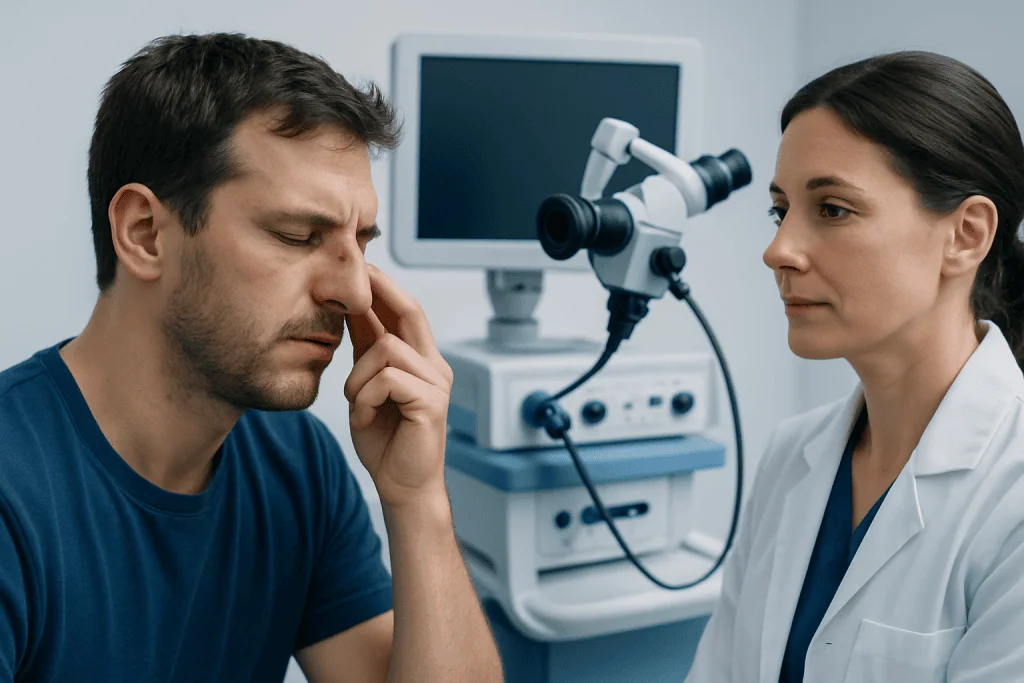
Symptoms of a broken nose usually begin immediately after the injury. The most common signs are pain, tenderness, swelling, and bruising around the nose and under the eyes. A nosebleed is also common, especially in the first hours after the trauma.
Some people notice a visible change in the shape of the nose, such as a crooked appearance, flattening, or a bump that was not there before. Others feel that the nose moves unusually when touched. Nasal blockage or difficulty breathing through one or both nostrils can happen because of swelling, blood clots, or a shift in the internal structures.
It can be difficult to tell a bruise from a fracture by appearance alone. A severe bruise can look dramatic, while a mild fracture may be less obvious at first. Symptoms that raise concern for a true fracture or associated injury include:
- Persistent or heavy nosebleeding
- Noticeable deformity after swelling begins
- Trouble breathing through the nose
- A cracking sensation at the time of injury
- Significant tenderness over the bridge of the nose
- Fluid drainage that is clear and watery after a major facial or head injury
If a person also has symptoms such as severe headache, confusion, vomiting, vision changes, or facial numbness, the injury may involve more than the nose and should be treated urgently.
Causes, risk factors, and related injuries

A broken nose happens when force is applied to the face. Common causes include contact sports, falls, physical altercations, bicycle accidents, and motor vehicle collisions. Children and adults can both be affected, although the pattern of injury may differ depending on age and the type of accident.
Risk is higher in people who play sports such as football, basketball, boxing, martial arts, or soccer, especially without protective equipment. Alcohol use, balance problems, and certain occupations involving physical risk can also increase the chance of facial trauma.
A nose injury may occur together with damage to the inside of the nose, especially the nasal septum, the wall that separates the nostrils. A collection of blood under the septum, called a septal hematoma, is an important complication because it can block airflow and damage cartilage if not treated quickly. Injuries to the sinuses, cheekbones, teeth, or the eye area may also occur with stronger trauma. In some cases, symptoms overlap with conditions such as a deviated septum, especially if the person had previous nasal blockage before the injury.
How doctors diagnose a broken nose
Diagnosis starts with the story of the injury and a focused physical examination. A doctor will ask when the trauma happened, whether there was bleeding or loss of consciousness, and whether the person can breathe through the nose. They will also check for visible deformity, tenderness, swelling, and signs of other facial injuries.
The inside of the nose is just as important as the outside. The clinician looks for blood clots, tears in the lining, and a septal hematoma. Because swelling can obscure the true shape of the nose, an experienced examination may need to be repeated after the swelling starts to settle.
Imaging is not always necessary for a simple broken nose. X-rays often do not change treatment and may miss the details that matter most. A CT scan is more useful if there is concern about a more complex facial fracture, eye injury, or head trauma. When breathing problems or internal structural concerns are present, ENT assessment may be recommended, especially if treatment such as septoplasty might later be considered for persistent obstruction.
Treatment options and what recovery may involve
Treatment depends on whether the nose is simply bruised, fractured but well aligned, or displaced. For milder injuries, doctors usually recommend rest, ice, keeping the head elevated, and pain relief. Swelling and bruising often improve over several days, though tenderness can last longer.
If the bones are out of position, a doctor may recommend a reduction procedure to gently realign the nose. This is often done after the initial swelling decreases but within a limited time window, before the bones heal in the wrong position. Some people need local anesthesia, while others may need treatment in an operating room depending on the complexity of the injury and other facial damage.
If the injury affects the septum, the internal nasal valves, or overall nasal shape and function, additional procedures may be discussed. In selected cases, reconstructive or functional nasal surgery such as rhinoplasty may help restore both appearance and breathing. If the injury is associated with chronic sinus symptoms or pre-existing nasal disease, doctors may also evaluate for conditions such as sinusitis or discuss related care such as endoscopic sinus surgery when medically appropriate.
Recovery time varies. Many people feel substantially better within one to two weeks, but complete healing takes longer. During recovery, it is usually advised to avoid contact sports, heavy pressure on the nose, and situations where another blow to the face could happen. Follow-up is important if breathing remains difficult or the nose still appears significantly misaligned after swelling settles.
Self-care, myths, and prevention
Simple self-care can make the early phase more comfortable. Applying a cold pack wrapped in cloth for short periods can help limit swelling. Resting with the head raised, avoiding forceful nose blowing, and using medications only as advised by a healthcare professional are sensible first steps.
Several common myths can be misleading. One myth is that if the nose is not obviously crooked, it cannot be broken. In reality, some fractures are subtle, and internal injury can still affect breathing. Another myth is that a person should try to “push the nose back” themselves. Self-realignment can worsen bleeding, pain, or hidden damage.
Prevention focuses on reducing facial trauma. Wearing seat belts, using helmets where appropriate, and using sport-specific face protection can lower risk. At home, reducing fall hazards and addressing balance issues may also help prevent facial injuries, especially in older adults and young children.
When to seek medical care
A person should seek medical care after a nose injury if there is persistent pain, a crooked appearance, ongoing bleeding, or trouble breathing through the nose. Medical assessment is also important if the injury happened during a high-impact event such as a car accident or if there may be injury to the head, eyes, teeth, or jaw.
Urgent evaluation is needed for severe bleeding that does not stop, a suspected septal hematoma, marked swelling inside the nose, loss of consciousness, vision problems, clear fluid leaking from the nose after major trauma, or worsening headache and confusion. These symptoms may indicate a more serious injury and should not be managed at home.
Even when symptoms seem mild, it is wise to get checked if the nose still looks misshapen or breathing remains blocked after the first swelling begins to improve. Timely care can make treatment simpler and may reduce the chance of long-term functional or cosmetic problems.
For international patients who need specialist evaluation, Acibadem International’s multidisciplinary teams in JCI-accredited hospitals assess and treat nasal and facial injuries with ENT, radiology, and surgical expertise when needed.
Frequently asked questions
How can someone tell if a broken nose is different from a bruised nose?
A bruised nose and a broken nose can both cause pain, swelling, and bleeding, so they may look similar at first. A fracture is more likely if there is a visible change in shape, marked tenderness over the bridge, difficulty breathing through the nose, or movement of the nasal bones. A doctor can help distinguish the two, especially after the initial swelling settles.
Should a person go to the emergency room for a broken nose?
Emergency care is appropriate if there is heavy bleeding, trouble breathing, loss of consciousness, vision changes, severe headache, vomiting, or concern about a major facial or head injury. If symptoms are milder, urgent outpatient assessment may be enough. The safest option depends on how strong the injury was and what symptoms are present.
Do all broken noses need surgery?
No, many broken noses do not need surgery. If the nose is not significantly displaced and breathing is not affected, treatment may focus on rest, ice, and symptom control. Procedures are more often considered when the nose is clearly misaligned, blocked, or associated with internal structural injury.
Is imaging always needed to diagnose a broken nose?
No, doctors often diagnose a broken nose through the history and physical examination. Imaging is usually reserved for cases where other facial fractures, eye injuries, or head trauma are suspected. This approach helps focus on the findings that most affect treatment.
How long does a broken nose take to heal?
Pain and swelling often improve noticeably within one to two weeks, but complete healing can take several weeks. The exact timeline depends on the severity of the fracture and whether a realignment procedure was needed. A doctor may advise avoiding contact sports or further trauma during this period.
Can a broken nose heal crooked if it is not treated?
Yes, if the nasal bones heal in a displaced position, the nose may remain crooked or breathing may stay blocked. This is why visible deformity or ongoing obstruction should be assessed promptly. Early treatment can improve the chance of better alignment and function.
This article is for general information only and is not a substitute for professional medical advice. Please consult a qualified doctor about your individual situation.
Joint and spine care in Turkey — expert assessment & treatment
JCI-accredited · board-certified surgeons · reply within 24h
Add us as a Preferred Source to see more of our trusted health content across Google Search, AI Overviews and Discover.

More from the Health Library

Double Jointed Thumb: An Evidence-Based Guide for Patients

Spiders and Spider Bites: A Complete Medical Overview

Exercise: A Complete Medical Overview

Posterior Pituitary Hormones — Explained by Medical Evidence, Not Myths

Malingering: A Complete Medical Overview