Broken Waters No Contractions: A Complete Medical Overview

If the water breaks and contractions have not started, a healthcare professional should be contacted promptly. Management depends on how far along the pregnancy is, whether there are signs of infection, and how the baby is doing.
Key Takeaways
- If the water breaks and contractions have not started, a healthcare professional should be contacted promptly.
- Management depends on how far along the pregnancy is, whether there are signs of infection, and how the baby is doing.
- Most people should avoid putting anything in the vagina after the water breaks, including tampons or intercourse.
- Fluid color, odor, timing, and fetal movement are important details to report.
- Fever, green or brown fluid, heavy bleeding, severe pain, or reduced fetal movement need urgent medical care.
Broken waters no contractions usually means the amniotic sac has ruptured before active labor begins. It is not always an emergency, but it does need timely medical assessment because the safest next steps depend on gestational age, infection risk, and the baby’s well-being.
Overview: what broken waters with no contractions means
Broken waters no contractions means the membranes around the baby have ruptured, but regular labor has not yet started. This can happen at term, when pregnancy has reached 37 weeks or more, or earlier in pregnancy. In medical terms, it is often called rupture of membranes, and when it happens before labor begins, it is known as prelabor rupture of membranes, sometimes shortened to PROM.
The main concern is not simply the absence of contractions. Once the protective sac has opened, the pregnancy needs closer assessment because the risk of infection can increase over time, and the care plan may change depending on how far along the pregnancy is. Some people go into labor naturally within hours, while others may need monitoring or treatment to help reduce risks for the pregnant person and baby.
Many people notice a sudden gush of fluid, but others feel a slow, steady trickle. It can sometimes be confused with urine or increased vaginal discharge, especially late in pregnancy. A clinician can help confirm whether the fluid is amniotic fluid and decide what to do next.
What it can feel like and how to recognize it
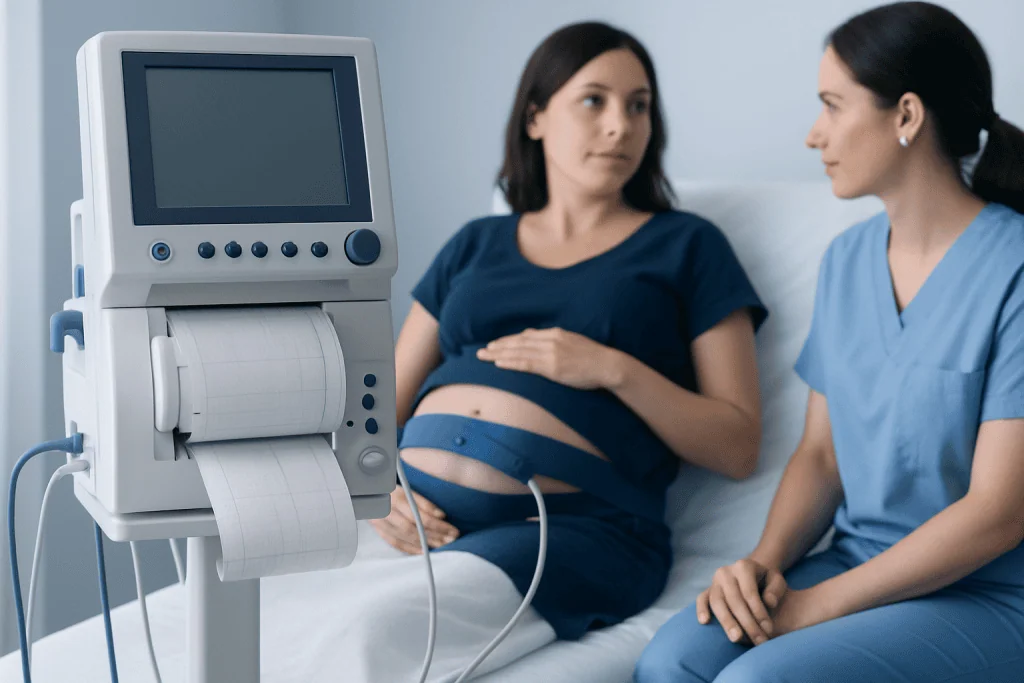
When the water breaks, the fluid may come out as one large release or as ongoing leaking that dampens underwear or clothing. Amniotic fluid is usually clear or pale straw-colored and often has little or no odor. It may continue to leak because the membranes remain open and the body keeps producing fluid.
Not everyone starts contracting right away. Some may feel completely comfortable except for the leakage, while others notice mild cramping, pelvic pressure, or backache before true labor begins. The lack of contractions does not mean the situation should be ignored. It simply means labor has not become established yet.
It is helpful to note a few details before calling or going in for assessment:
- What time the fluid first appeared
- Whether it was a gush or a slow leak
- The color of the fluid
- Any unusual smell
- Whether the baby is moving normally
- Whether there is bleeding, fever, pain, or contractions
Green or brown fluid may suggest the baby passed meconium, which needs medical attention. Bright red bleeding, a bad smell, fever, or reduced fetal movement also need prompt evaluation.
Why it happens and who may be at higher risk

In many pregnancies, there is no single clear reason the membranes rupture before contractions begin. Near the end of pregnancy, the membranes naturally become more likely to break as labor approaches. Sometimes rupture happens before labor simply because the membranes have weakened enough that they open ahead of contractions.
Certain factors can make prelabor rupture more likely. These include infection, smoking, a history of preterm birth or prior membrane rupture, carrying more than one baby, excess amniotic fluid, bleeding during pregnancy, and procedures or structural factors that affect the cervix or uterus. Premature rupture before 37 weeks, known as preterm PROM, needs especially careful management because the healthcare team must balance the risks of prematurity against the risks of continuing the pregnancy after the membranes have ruptured.
Sometimes a person may worry that everyday movement, walking, or mild activity caused the waters to break. In most cases, normal daily activity is not the underlying cause. Instead, the membranes usually rupture because of biological changes in the pregnancy itself. If there are questions about preterm labor or related concerns, a clinician may also evaluate for conditions linked to premature birth.
How doctors confirm the diagnosis
If someone reports broken waters no contractions, the first step is usually a focused history and physical evaluation. The clinician will ask about the timing of leakage, contractions, pain, bleeding, fetal movement, and the appearance of the fluid. A sterile speculum exam may be used to look for pooling of fluid in the vagina. This approach helps reduce infection risk compared with unnecessary repeated digital cervical exams.
Tests may be used to confirm whether the fluid is amniotic fluid. These can include pH-based methods, microscopy, or other specialized tests on a vaginal fluid sample. Ultrasound may also be used to assess the amount of amniotic fluid and the baby’s position and well-being, although ultrasound alone cannot always confirm that the membranes have ruptured.
Monitoring often includes checking the baby’s heart rate and assessing for signs of infection or labor. Temperature, pulse, uterine tenderness, and maternal symptoms are important. If the pregnancy is preterm, the care team may also consider tests and observations that help guide timing of delivery and supportive care.
In some cases, doctors may use fetal monitoring and ultrasound as part of broader diagnostic imaging assessment to understand the situation more clearly. The goal is to confirm the diagnosis while avoiding unnecessary interventions.
Treatment and next steps after the waters break
Treatment depends mainly on gestational age, signs of infection, the baby’s condition, and whether labor starts on its own. At or near full term, many people begin labor naturally within a relatively short time after the water breaks. If labor does not begin, the medical team may discuss induction of labor to reduce the chance of infection and support safe delivery.
If the rupture happens before 37 weeks, management is more individualized. The care team may recommend hospital observation, antibiotics in selected situations, medications that support fetal lung maturity if early delivery is a concern, and close monitoring for infection or fetal distress. The exact plan depends on how many weeks pregnant the person is and the overall clinical picture.
Delivery may be recommended sooner if there are signs of infection, heavy bleeding, nonreassuring fetal status, or other complications. If induction becomes appropriate, this may be part of coordinated obstetrics and gynecology care. In some situations, if vaginal birth is not the safest option, cesarean section may be discussed.
Because every pregnancy is different, the safest choice is not the same for everyone. A clinician will consider the benefits of waiting for spontaneous labor against the risks of ongoing membrane rupture. Near the end of care planning, some international patients may seek support from centers such as Acibadem International, where multidisciplinary specialists in JCI-accredited hospitals evaluate and treat pregnancy-related conditions.
What to do at home while waiting for medical advice
After the waters break, it is usually best to contact a healthcare professional promptly and follow the instructions given. While waiting, many clinicians advise using a clean maternity pad rather than a tampon, and avoiding intercourse or anything inserted into the vagina. These steps may help reduce infection risk.
It can also help to rest, stay hydrated, and keep track of contractions if they begin. Paying attention to the baby’s movements is important. If movement seems reduced, this should be reported right away. It is also useful to bring notes about the time of rupture and the fluid’s appearance to the hospital or clinic.
People sometimes ask whether they should take a bath, drive long distances, or continue daily routines. Because recommendations vary with the pregnancy stage and symptoms, personalized advice from the maternity team is safest. If there is uncertainty about whether the fluid is urine, discharge, or amniotic fluid, assessment is still appropriate rather than waiting for clearer symptoms.
When to seek medical care
Anyone who thinks their water has broken should contact their maternity provider promptly, even if there are no contractions. Timely assessment helps confirm what is happening and identify whether labor can be awaited safely or whether treatment is needed sooner.
Urgent medical care is especially important if there is fever, chills, severe abdominal pain, heavy bleeding, green or brown fluid, a bad-smelling discharge, contractions that become strong or frequent, or reduced fetal movement. These symptoms can suggest infection, fetal stress, placental problems, or active labor and should not be monitored at home without guidance.
If the pregnancy is not yet full term, the need for assessment is even more important because early rupture may change the plan for monitoring, medication, or delivery. People with a history of pregnancy complications, high-risk pregnancy, or concerns such as high-risk pregnancy should seek advice without delay.
Frequently asked questions
How long can someone have broken waters with no contractions?
The timing varies widely. Some people go into labor naturally within hours, while others do not. The safest time to wait depends on gestational age, signs of infection, and the baby's condition, so a clinician should guide the plan.
Is broken waters no contractions an emergency?
It is not always an emergency, but it does need prompt medical assessment. The membranes protect the baby, and once they rupture the risk of infection can rise over time. Immediate urgent care is needed if there is fever, bleeding, severe pain, abnormal fluid color, or reduced fetal movement.
Can the water break without a big gush?
Yes. Some people feel a dramatic gush, but others notice only a small leak or persistent dampness. A slow trickle can still mean the membranes have ruptured and should be checked.
What color should amniotic fluid be?
Amniotic fluid is often clear or pale yellow and usually does not have a strong odor. Green or brown fluid may indicate meconium, and foul-smelling fluid can raise concern for infection. Either situation should be reported promptly.
Should someone shower or bathe after the water breaks?
Advice can vary depending on the pregnancy and symptoms, so it is best to follow the maternity team's instructions. In general, avoiding anything inserted into the vagina is important. If there is any uncertainty, contacting a healthcare professional first is the safest step.
Can contractions start much later after the water breaks?
Yes, contractions can begin later rather than immediately. This is why monitoring and follow-up matter, especially at term or if the pregnancy is preterm. If labor does not start on its own, the healthcare team may discuss induction or continued observation depending on the situation.
References
- American College of Obstetricians and Gynecologists
- Royal College of Obstetricians and Gynaecologists
- National Institute for Health and Care Excellence
- World Health Organization
- Society for Maternal-Fetal Medicine
This article is for general information only and is not a substitute for professional medical advice. Please consult a qualified doctor about your individual situation.
Explore treatments in Turkey — costs, top hospitals & a free quote
JCI-accredited · board-certified surgeons · reply within 24h
Add us as a Preferred Source to see more of our trusted health content across Google Search, AI Overviews and Discover.
Check your numbers in seconds
BMI, calories, due date, blood pressure and 30+ more clinical calculators — free, instant, doctor-reviewed ranges.