Bronchus: What Patients Need to Know

A bronchus is a major airway that branches from the trachea into each lung. Bronchus-related symptoms may include cough, mucus, wheezing, chest tightness, or breathlessness.
Key Takeaways
- A bronchus is a major airway that branches from the trachea into each lung.
- Bronchus-related symptoms may include cough, mucus, wheezing, chest tightness, or breathlessness.
- Common problems affecting the bronchi include infection, inflammation, asthma, chronic lung disease, and blockage.
- Diagnosis may involve a physical exam, imaging, breathing tests, and sometimes bronchoscopy.
- Treatment depends on the cause and may include medicines, airway therapies, or procedures.
- Persistent or worsening breathing symptoms should be assessed by a qualified doctor.
The bronchus is one of the large air passages that carry air from the windpipe into the lungs. When a bronchus becomes inflamed, narrowed, blocked, or infected, it can lead to symptoms such as coughing, wheezing, chest discomfort, or shortness of breath.
Overview: what the bronchus is
The bronchus is one of the main tubes that carries air from the trachea, or windpipe, into the lungs. There are two primary bronchi: the right main bronchus leads to the right lung, and the left main bronchus leads to the left lung. Inside the lungs, these airways divide into smaller branches called bronchi and then bronchioles, creating a tree-like system that delivers air to the air sacs where oxygen enters the blood.
Patients often search for “bronchus” when they want to understand where breathing symptoms are coming from. In simple terms, the bronchi are the body’s main air-delivery routes. If one becomes irritated, narrowed, blocked by mucus, or affected by infection or another condition, airflow can be reduced and symptoms may appear.
The lining of the bronchi normally helps protect the lungs. It produces mucus to trap dust, germs, and other particles, while tiny hair-like structures move that mucus upward so it can be cleared. This defense system is helpful, but it can become overwhelmed by smoking, pollution, allergens, repeated infections, or chronic inflammation.
How the bronchi work in breathing
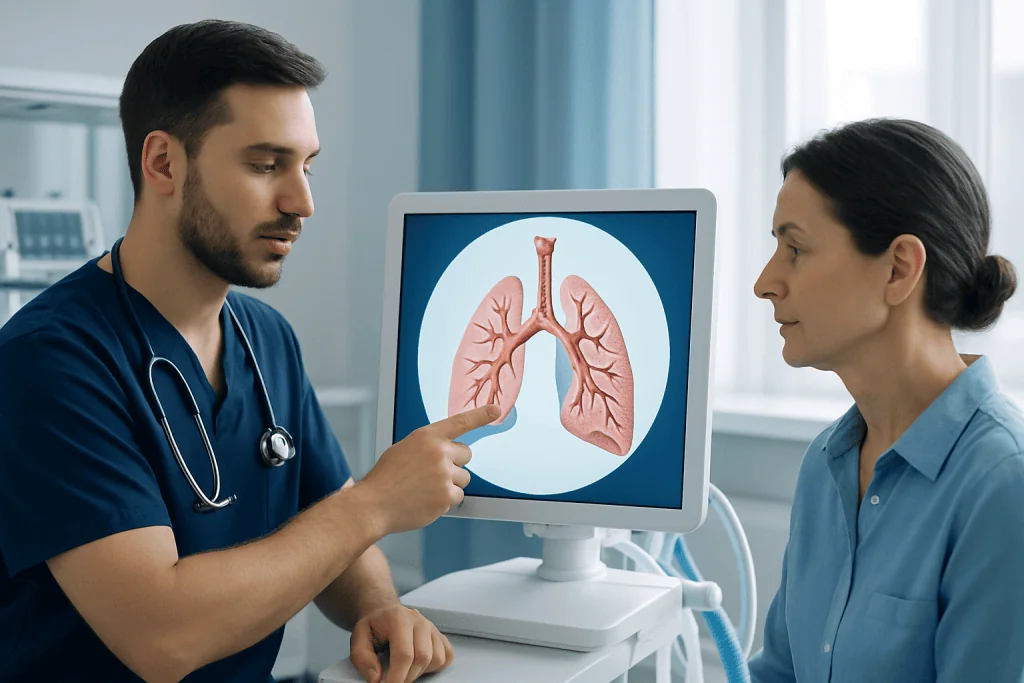
During inhalation, air travels through the nose or mouth, passes down the trachea, and enters the bronchi before reaching deeper parts of the lungs. The bronchi do not only act as passive tubes. Their walls contain muscle and supportive cartilage, which help keep the airways open while also allowing some adjustment in airway size.
Healthy bronchi balance three important jobs: moving air efficiently, filtering inhaled particles, and helping protect against infection. When the airway lining becomes swollen or produces extra mucus, that balance changes. Breathing may feel noisy, tight, or labored because air has less room to pass through.
Problems in the bronchi can affect day-to-day activities in different ways. Some people notice symptoms only during exercise or during a cold, while others have ongoing issues related to chronic conditions such as asthma or chronic obstructive pulmonary disease. Understanding the role of the bronchi can help explain why treatment often focuses on reducing inflammation, opening the airways, and improving mucus clearance.
Symptoms that may suggest a bronchus problem

Symptoms linked to the bronchi can vary depending on whether the problem is temporary or chronic, mild or severe. A short-term viral infection may mainly cause cough and mucus, while long-standing airway disease may lead to repeated wheezing and breathlessness. Symptoms can also come and go, which is why a careful medical history is important.
Common symptoms include:
- Cough, with or without mucus
- Wheezing or a whistling sound when breathing
- Shortness of breath
- Chest tightness or discomfort
- Frequent chest infections
- Noisy breathing
- Fatigue related to breathing effort
In some cases, the issue is not only inflammation but also a structural blockage, inhaled foreign object, or growth inside or around the airway. This can cause one-sided symptoms, recurrent infection in the same area, or coughing up blood. These signs need prompt medical assessment so the cause can be identified safely.
Common causes and conditions affecting the bronchus
Many health conditions can affect a bronchus. Infections such as acute bronchitis can irritate the airway lining and increase mucus production. Chronic inflammatory diseases, including asthma and COPD, may narrow the bronchi over time or during flare-ups. Allergies, tobacco smoke, air pollution, and workplace exposures can also irritate the airways and worsen symptoms.
Some patients develop bronchial symptoms because mucus becomes thick and difficult to clear. Others may have airway widening and repeated infections, as seen in bronchiectasis. Less commonly, a bronchus may be compressed from outside by swollen lymph nodes or other chest conditions, or blocked from inside by a foreign body, scar tissue, or a tumor.
Risk factors depend on the underlying cause but may include:
- Smoking or secondhand smoke exposure
- Repeated respiratory infections
- Asthma or allergy history
- Occupational dust, fumes, or chemical exposure
- Air pollution exposure
- Older age or reduced immune function
- Previous lung disease or chest procedures
Because the same symptom can have different causes, a lingering cough or ongoing wheeze should not be assumed to be simple bronchitis. Careful evaluation helps distinguish a temporary airway irritation from a condition that needs longer-term treatment or monitoring.
How doctors diagnose bronchus-related conditions
Diagnosis begins with a discussion of symptoms, smoking history, recent infections, allergies, work exposures, and any pattern of flare-ups. A doctor will usually listen to the chest and assess breathing, oxygen levels, and signs of infection or chronic lung disease. This first step helps guide which tests are most useful.
Investigations may include chest imaging and lung function testing. A chest X-ray can show signs of infection, collapse, or other abnormalities, while CT imaging gives a more detailed view of the airways and surrounding lung tissue. Breathing tests can show whether the airways are narrowed and whether that narrowing improves with medication.
In some cases, direct examination of the airways is needed. Bronchoscopy uses a thin flexible tube with a camera to look inside the bronchi, collect samples, remove mucus plugs or foreign material, and evaluate blockages. Depending on symptoms, doctors may also request sputum testing, blood tests, or advanced pulmonary function tests to better understand the cause.
Treatment options for bronchus problems
Treatment depends on what is affecting the bronchus. If the cause is infection, the approach may involve rest, fluids, symptom relief, and sometimes antibiotics when a bacterial infection is suspected or confirmed. If the bronchi are narrowed by inflammation or spasm, inhaled medicines may be used to open the airways and reduce swelling.
Patients with chronic airway conditions may benefit from a long-term treatment plan. This can include inhalers, breathing exercises, mucus-clearance techniques, vaccination, and reducing exposure to smoke or irritants. For some people, structured respiratory rehabilitation helps improve activity tolerance, symptom control, and confidence in daily life.
When a bronchus is blocked by mucus, a foreign body, or another obstruction, treatment may involve bronchoscopy or another targeted procedure. If a growth or severe narrowing is found, care may involve respiratory specialists, radiologists, thoracic surgeons, or oncologists depending on the diagnosis. The most suitable plan is based on imaging, test results, overall health, and the patient’s symptoms and goals.
Near the end of the care pathway, some patients may need coordinated specialist evaluation, especially if symptoms are persistent or complex. Acibadem International’s multidisciplinary specialists and JCI-accredited hospitals diagnose and treat airway and lung conditions for international patients when advanced assessment is needed.
Prevention and self-care for healthier bronchi
Not every bronchus problem can be prevented, but many can be reduced by protecting the airways from irritation and infection. Avoiding smoking is one of the most important steps, and reducing secondhand smoke exposure matters as well. People who work around dust, fumes, or chemicals should use recommended protective equipment and follow workplace safety guidance.
Everyday airway care also includes staying well hydrated, managing allergies, and treating underlying conditions such as asthma according to a doctor’s plan. Vaccinations, including those recommended for influenza and other respiratory infections, can help lower the risk of illnesses that trigger bronchial inflammation.
Simple self-care measures may support recovery and symptom control:
- Rest during respiratory infections
- Drink adequate fluids unless a doctor has advised otherwise
- Use prescribed inhalers correctly and consistently
- Avoid known triggers such as smoke, strong fumes, or allergens
- Practice breathing exercises if recommended by a clinician
- Seek follow-up care for repeated cough or wheeze
Self-care can help, but it does not replace medical evaluation when symptoms are severe, persistent, or unusual. Recurrent chest symptoms deserve attention, particularly if they interfere with sleep, exercise, or normal daily activities.
When to seek medical care
Medical care is appropriate if cough, wheezing, or shortness of breath lasts longer than expected, keeps returning, or gradually worsens. A doctor should also assess symptoms that start after inhaling a foreign object, exposure to irritating chemicals, or a recent chest infection that does not seem to fully resolve.
Urgent assessment is important for significant trouble breathing, bluish lips, chest pain, confusion, high fever with breathing difficulty, or coughing up blood. These symptoms do not always mean a serious emergency, but they should not be ignored. Timely care can help identify whether the bronchus is affected by inflammation, infection, blockage, or another condition and allow treatment to begin sooner.
Frequently asked questions
What is the difference between bronchus and bronchi?
Bronchus is the singular term for one of the main airways leading into a lung. Bronchi is the plural term used when referring to both main airways or multiple larger airway branches inside the lungs.
Can a bronchus infection go away on its own?
Some short-term bronchial infections, especially viral ones, improve with rest, hydration, and time. However, persistent symptoms, high fever, worsening breathlessness, or repeated infections should be evaluated by a doctor.
Does bronchus pain mean lung disease?
The bronchi themselves do not usually cause pain in a simple, direct way, but irritation or infection in the airways can contribute to chest discomfort. Chest discomfort can also come from muscles, the lining around the lungs, or other causes, so medical assessment may be needed.
How do doctors look inside the bronchus?
Doctors may use bronchoscopy, a procedure that passes a thin flexible camera through the nose or mouth into the airways. It helps them inspect the bronchus, collect samples, and sometimes treat blockages or remove mucus.
Can bronchus problems cause wheezing?
Yes. Wheezing often happens when the bronchi become narrowed or inflamed, making it harder for air to move through. Common causes include asthma, infection, allergic reactions, and chronic lung disease.
When should someone worry about a cough related to the bronchi?
A cough deserves medical attention if it lasts for weeks, keeps coming back, produces blood, or is linked with weight loss, fever, or shortness of breath. Even when the cause is not serious, an evaluation can clarify whether the bronchi are inflamed, infected, or obstructed.
References
- American Lung Association
- National Heart, Lung, and Blood Institute
- National Institute for Health and Care Excellence
- Centers for Disease Control and Prevention
- Merck Manual Consumer Version
This article is for general information only and is not a substitute for professional medical advice. Please consult a qualified doctor about your individual situation.
Explore treatments in Turkey — costs, top hospitals & a free quote
JCI-accredited · board-certified surgeons · reply within 24h
Add us as a Preferred Source to see more of our trusted health content across Google Search, AI Overviews and Discover.

More from the Health Library

Walnuts — Explained by Medical Evidence, Not Myths

Moringa Benefits for Men: An Evidence-Based Guide for Patients

Partial Hemianopia: A Complete Medical Overview

Behavioral Health: What Patients Need to Know

Signs That Keytruda Is Working: An Evidence-Based Guide for Patients

Leg Shaking — Explained by Medical Evidence, Not Myths
Pulmonary Medicine Specialists at Acibadem

Dr. Bilge Özgür Yüksel
Pulmonary Medicine
Prof. Dr. Bülent Tutluoğlu
Pulmonary Medicine
Dr. Burcu Babaoğlu Karan
Pulmonary Medicine
Busenur Ceylan
Treatment of Respiratory