Bruised Sternum: A Complete Medical Overview

A bruised sternum often causes pain, tenderness, and discomfort with movement, deep breathing, or coughing. Most cases happen after trauma such as sports injuries, falls, heavy lifting strain, or motor vehicle accidents.
Key Takeaways
- A bruised sternum often causes pain, tenderness, and discomfort with movement, deep breathing, or coughing.
- Most cases happen after trauma such as sports injuries, falls, heavy lifting strain, or motor vehicle accidents.
- Chest pain after an injury should be assessed carefully because rib fractures, sternal fractures, and internal chest injuries can feel similar.
- Treatment usually focuses on rest, cold packs, activity modification, and clinician-guided pain relief.
- Urgent care is important if there is trouble breathing, severe chest pain, fainting, or pain after a significant accident.
A bruised sternum is an injury to the breastbone or nearby tissues, usually caused by a blow to the chest, a fall, or pressure from a seat belt during an accident. It can be painful, but many cases heal with time and supportive care, while some symptoms need prompt medical assessment to rule out more serious chest injuries.
Overview
A bruised sternum is a soft tissue injury affecting the breastbone area in the center of the chest. It usually happens when the chest is struck directly or compressed, leading to soreness, swelling, and pain that may become more noticeable with coughing, twisting, deep breathing, or pressing on the area. In many people, the injury improves gradually over days to weeks with conservative care.
Even so, not every painful chest injury is a simple bruise. Symptoms from a bruised sternum can overlap with a sternal fracture, rib injury, muscle strain, or internal chest trauma. That is why a medical review is often appropriate after a significant impact, especially if the pain is severe or there are breathing symptoms.
The sternum helps protect important organs including the heart and lungs, and it connects to the ribs through cartilage. Because of its central location, injuries in this area deserve careful attention. The goal is not only to relieve pain, but also to make sure there is no deeper damage that requires different treatment.
How a Bruised Sternum Feels
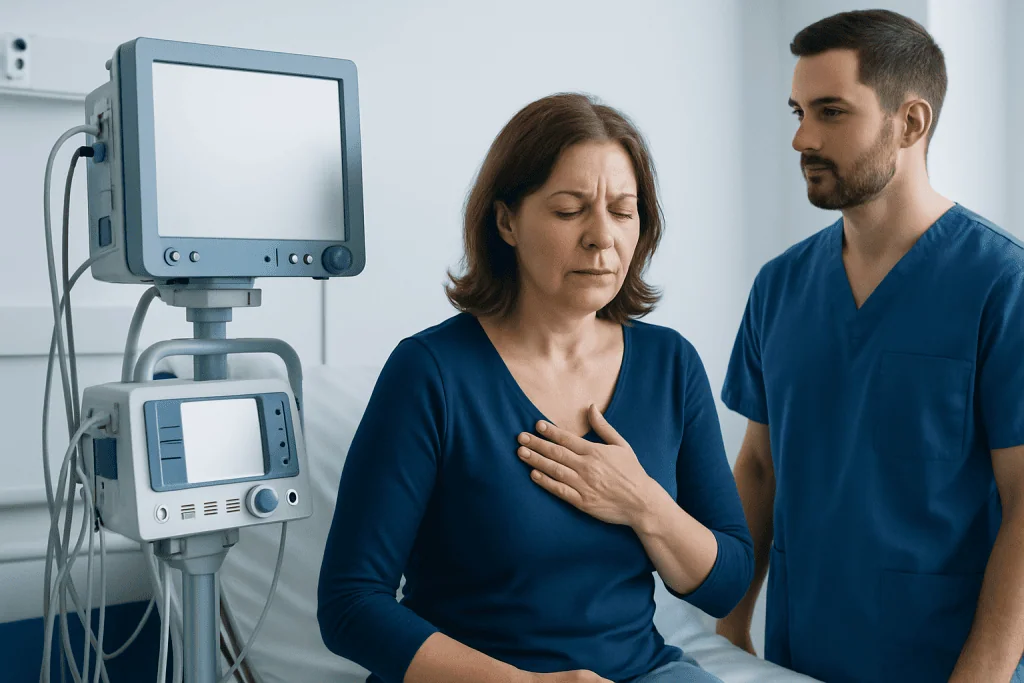
The most common symptom is localized pain in the middle of the chest. Many people describe this pain as aching, sharp, or sore to the touch. It may be constant or may worsen during certain movements, such as reaching overhead, lifting, rolling in bed, or getting up from a chair.
Tenderness is another typical feature. Pressing over the breastbone may reproduce the pain, and some people notice mild swelling or visible bruising on the skin. However, a bruise can still be present even if there is no obvious discoloration.
Symptoms often become more intense with deep breaths, sneezing, laughing, or coughing because the chest wall moves during these actions. This can make everyday activities uncomfortable for a short time. When the injury is limited to bruising, symptoms generally improve steadily rather than worsening day by day.
- Central chest tenderness
- Pain with deep breathing or coughing
- Discomfort with upper body movement
- Swelling or bruising over the breastbone
- Pain when lying in certain positions
Causes and Risk Factors

A bruised sternum usually results from blunt force to the chest. Common causes include contact sports, falls, workplace injuries, collisions during exercise, or a seat belt tightening across the chest in a motor vehicle accident. Even a seemingly minor impact can cause considerable pain because the area is sensitive and involved in breathing and posture.
Some cases may also follow repetitive strain or forceful upper body activity, especially when chest muscles and the cartilage attached to the sternum are irritated. This can overlap with other causes of chest wall pain such as costochondritis, which affects the cartilage where the ribs meet the breastbone. Although this is not the same as a bruise, the symptoms can feel similar.
People may be more vulnerable to chest wall injury if they participate in high-impact sports, have reduced bone strength, or are involved in accidents with significant chest compression. Older adults may need extra attention because even lower-force injuries can sometimes lead to fractures rather than bruising alone.
How Doctors Diagnose It
Diagnosis begins with a careful history and physical examination. A doctor will ask how the injury happened, where the pain is located, what makes it worse, and whether there are symptoms such as shortness of breath, dizziness, palpitations, or pain spreading to the arm, shoulder, or jaw. The chest is then examined for tenderness, swelling, bruising, and signs of instability.
When symptoms are mild and the injury appears limited to the chest wall, a clinician may diagnose a bruised sternum based on the examination alone. However, imaging may be needed if the injury was forceful, the pain is severe, or there is concern about a fracture or another chest problem. Depending on the situation, assessment may include plain X-rays, MRI, or CT imaging to look more closely at bone and soft tissues.
If symptoms raise concern for heart or lung involvement, doctors may also use tests such as an electrocardiogram, blood tests, or chest imaging. This is especially important after high-speed accidents or when chest pain is not clearly linked to touch or movement. The purpose is to make sure a more serious condition is not missed.
Treatment and Recovery
Most bruised sternum injuries are treated conservatively. Usual care includes resting the chest, avoiding activities that trigger pain, and using cold packs in the early phase to help reduce discomfort and swelling. A clinician may recommend pain-relieving medicines that are appropriate for the person’s age, medical history, and other medications.
It is still important to breathe normally as much as possible. Taking only very shallow breaths because of pain can make the chest feel tighter and may increase the risk of complications such as reduced lung expansion. Gentle movement, posture awareness, and gradual return to daily activity often support recovery.
When pain is prolonged or recovery is slow, clinicians may assess for related injuries such as a fracture, muscle strain, or persistent chest wall inflammation. In selected cases, rehabilitation or physical therapy and rehabilitation may help improve mobility and ease discomfort. If a sternal fracture is found instead of a bruise, care plans may differ depending on severity and whether other injuries are present.
Self-care and Prevention
At home, people are usually advised to protect the area while it heals. This means avoiding heavy lifting, contact sports, and movements that sharply increase pain. Cold packs wrapped in a cloth may be used for short periods in the first day or two after injury, followed later by other comfort measures if a doctor advises them.
Good posture can reduce strain across the front of the chest. Supporting the chest during coughing, sneezing, or laughing may also make symptoms more manageable. Sleep can be more comfortable in a position that avoids pressure on the breastbone, such as on the back with the upper body slightly elevated if needed.
Prevention focuses on reducing chest trauma where possible. Practical steps include using seat belts correctly, wearing sport-specific protective equipment, following safe lifting technique, and addressing balance or fall risks. Prompt evaluation after a substantial chest injury helps identify whether the problem is simply a bruise or something more significant.
When to Seek Medical Care
Medical care should be sought promptly if chest pain follows a major blow, fall, sports collision, or road traffic accident. A doctor should also assess pain that is severe, getting worse, or not improving after a few days. New swelling, marked bruising, or pain that makes it hard to move normally are additional reasons to be evaluated.
Urgent care is important for warning signs such as shortness of breath, fainting, coughing up blood, bluish lips, irregular heartbeat, or chest pain that feels like pressure rather than tenderness from touch. Immediate medical attention is also needed if the pain spreads to the arm, neck, shoulder, or jaw, because not all chest pain after an injury comes from the chest wall alone.
For persistent or unclear symptoms, multidisciplinary assessment can help distinguish a bruised sternum from other chest conditions and guide imaging or rehabilitation if needed. Acibadem International’s multidisciplinary specialists and JCI-accredited hospitals evaluate chest injuries in international patients and may use tools such as check-up assessments and advanced imaging when clinically appropriate.
Frequently asked questions
How long does a bruised sternum take to heal?
Recovery time varies with the severity of the injury and whether there are associated chest wall problems. Mild cases may improve within a couple of weeks, while more painful injuries can take longer. If pain is not steadily improving, a doctor should reassess the area.
Can a bruised sternum cause pain when breathing?
Yes. The chest wall moves with every breath, so a sternum bruise can hurt more during deep breathing, coughing, or sneezing. However, breathing difficulty or severe pain should be checked promptly because these symptoms can also occur with more serious injuries.
How can someone tell the difference between a bruised sternum and a fracture?
Both can cause chest tenderness, swelling, and pain with movement or breathing, so it is not always possible to tell at home. A fracture is more likely after a significant impact and may cause more intense or persistent pain. A medical exam and sometimes imaging are needed to confirm the diagnosis.
Is chest pain after a seat belt injury usually a bruised sternum?
A seat belt can cause bruising of the chest wall, including the sternum, especially in a collision. But pain after a car accident should never be assumed to be minor, because fractures or internal injuries can also occur. Medical evaluation is recommended after significant accidents.
Should a bruised sternum be treated with ice or heat?
Cold packs are commonly used early after the injury to help ease pain and reduce swelling. Heat may be considered later in some cases, but it is best used according to a clinician’s advice. The skin should always be protected from direct contact with very cold or hot items.
When should someone worry about a bruised sternum?
Concern is higher if there is shortness of breath, fainting, severe or worsening pain, palpitations, or pain after a major accident. Chest pain that spreads to the arm, neck, jaw, or back also needs urgent assessment. These symptoms may point to something more than a simple bruise.
References
- American Academy of Orthopaedic Surgeons
- National Health Service
- MedlinePlus
- Mayo Clinic
- American College of Radiology
This article is for general information only and is not a substitute for professional medical advice. Please consult a qualified doctor about your individual situation.
Explore treatments in Turkey — costs, top hospitals & a free quote
JCI-accredited · board-certified surgeons · reply within 24h
Add us as a Preferred Source to see more of our trusted health content across Google Search, AI Overviews and Discover.

More from the Health Library



Related Specialists

Dr. Arzu Ercan
Cardiovascular Surgery
Fzt. A.Sercan Soyarslan
Physical Medicine & Rehabilitation
Dr. Mehmet Dolanbay
Gynecology & Obstetrics
Assoc. Prof. Dr. Deniz Atasoy
General Surgery