Bruising and Leukaemia: Symptoms, Causes, and Treatment Options

Most bruising is harmless, but frequent or unexplained bruises deserve medical attention. In leukaemia, bruising often happens because platelet production is reduced in the bone marrow.
Key Takeaways
- Most bruising is harmless, but frequent or unexplained bruises deserve medical attention.
- In leukaemia, bruising often happens because platelet production is reduced in the bone marrow.
- Bruising linked to leukaemia is more concerning when it appears with tiredness, infections, nosebleeds, or tiny red-purple skin spots.
- Diagnosis usually involves a physical exam, blood tests, and sometimes a bone marrow test.
- Treatment depends on the type of leukaemia and may include chemotherapy, targeted therapy, immunotherapy, or stem cell transplant.
Bruising and leukaemia can be connected, but most bruises are not caused by cancer. In leukaemia, bruising may happen because abnormal blood cells affect the bone marrow and reduce platelet levels, often alongside other symptoms such as fatigue, frequent infections, or unusual bleeding.
Overview: Can bruising be a sign of leukaemia?
Bruising and leukaemia can be related, but bruising alone does not mean a person has leukaemia. Bruises are very common and are usually caused by minor injury, aging skin, certain medicines, or everyday bumps that may not even be remembered. The concern rises when bruising becomes frequent, appears without a clear reason, is unusually large, or happens together with other symptoms.
Leukaemia is a cancer of the blood-forming tissues, especially the bone marrow. The marrow normally makes red blood cells, white blood cells, and platelets. In leukaemia, abnormal white blood cells can crowd the marrow and interfere with normal blood cell production. When platelet levels fall, the blood does not clot as well, which can lead to easy bruising or bleeding.
This connection is important because the pattern of bruising in leukaemia is often different from ordinary bruises after injury. A person may notice multiple bruises in unusual places, bruises that seem larger than expected, or small pinpoint red or purple spots called petechiae. Still, these signs are not specific to leukaemia and may occur with other blood disorders, infections, liver disease, or medication effects.
What bruising related to leukaemia may look like
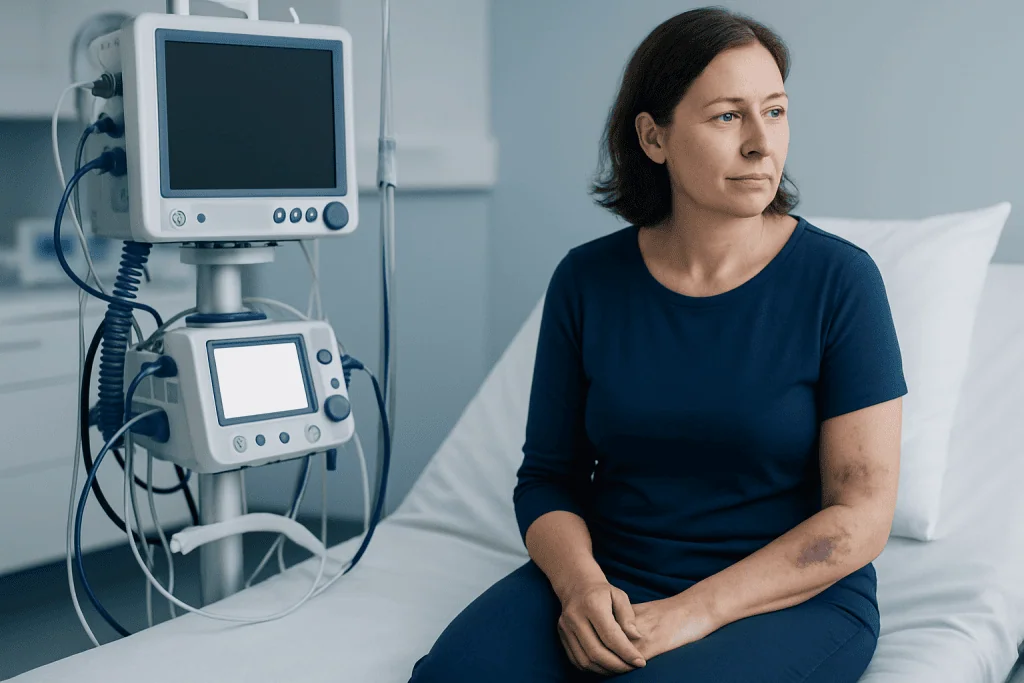
Bruising associated with leukaemia may develop more easily than expected or appear after very minor pressure that would not usually leave a mark. The bruises may be darker, more widespread, or slower to fade. Some people also notice bleeding gums, frequent nosebleeds, or heavier-than-usual menstrual bleeding, which can point to the same underlying problem with platelets.
Another clue can be petechiae, which are tiny flat red, purple, or brownish spots under the skin. These are caused by very small areas of bleeding and often appear on the legs, ankles, or areas where clothing presses on the skin. Petechiae are not the same as classic bruises, but they may be seen alongside them when platelet counts are low.
Bruising becomes more meaningful when it happens with other possible signs of leukaemia, such as:
- Unusual tiredness or weakness
- Frequent infections or fevers
- Paleness or shortness of breath
- Bone or joint discomfort
- Swollen lymph nodes
- Unexplained weight loss or night sweats
Because these symptoms can overlap with many non-cancerous conditions, a medical evaluation is the only reliable way to find the cause. A clinician can help distinguish bruising related to ordinary causes from bruising that may need urgent blood testing.
Why leukaemia can cause easy bruising

The main reason leukaemia can cause bruising is reduced platelet production. Platelets are cell fragments in the blood that help stop bleeding by forming clots. When leukaemia cells fill the bone marrow, there may be less space for healthy platelet production, and the platelet count can drop. This is known as thrombocytopenia.
Leukaemia can also affect other blood cells. Low red blood cells can cause anemia, leading to fatigue, weakness, and shortness of breath. Changes in white blood cells may reduce the body’s ability to fight infection, even if the total white blood cell count looks high. Looking at all of these blood cell changes together helps doctors understand whether a bruise pattern may be part of a wider blood disorder.
Not every person with leukaemia has obvious bruising, and not every type presents the same way. Acute leukaemias often develop more quickly and may cause noticeable symptoms over days to weeks. Chronic forms can be more subtle and may first be found on routine blood tests. More general information about leukaemia can help place bruising in the context of the disease as a whole.
Other conditions can also lower platelets or increase bruising, including vitamin deficiencies, liver disease, viral infections, immune platelet disorders, and some medications such as blood thinners or long-term corticosteroids. That is why self-diagnosis is not helpful; the same symptom can have many different explanations.
How doctors assess unexplained bruising
Doctors begin with a medical history and physical examination. They usually ask when the bruising started, whether it follows minor trauma, whether there is any bleeding from the gums or nose, and whether symptoms such as fever, infections, tiredness, or weight loss are also present. A review of medicines, supplements, alcohol use, and family history can also provide important clues.
The first laboratory step is often a complete blood count, which measures red blood cells, white blood cells, and platelets. A blood smear may also be examined under a microscope to look for immature or abnormal cells. These tests can suggest whether the bone marrow is under stress or whether a blood cancer needs to be considered.
If results raise concern for leukaemia or another bone marrow problem, a doctor may recommend further testing, including coagulation studies, biochemical blood tests, imaging in selected cases, and a bone marrow aspiration or biopsy. Bone marrow testing helps confirm the diagnosis and identify the exact type of leukaemia, which is essential for choosing treatment. In specialist centers, bone marrow biopsy may be part of this diagnostic process.
Because bruising can sometimes reflect other blood conditions, clinicians may also consider related disorders such as lymphoma or non-cancer causes before reaching a final diagnosis. The goal is not just to confirm or exclude leukaemia, but to find the true reason for the symptom and act on it promptly.
Treatment options if bruising is caused by leukaemia
If tests show that bruising is linked to leukaemia, treatment focuses on the underlying disease rather than the bruise itself. The right approach depends on the type of leukaemia, how quickly it is progressing, the person’s age and general health, and whether there are complications such as infection, anemia, or very low platelets.
Common treatment options may include chemotherapy, targeted therapies that act on specific cancer pathways, immunotherapy, or combinations of these. Some people may also need supportive care such as blood transfusions, platelet transfusions, antibiotics, or medicines to reduce treatment-related side effects. In certain cases, especially for higher-risk disease, bone marrow transplant may be considered.
Treatment often improves bruising as blood counts recover. However, doctors usually continue to monitor platelet levels and bleeding risk during treatment, because some therapies can temporarily worsen low blood counts before improvement occurs. Patients are commonly advised to avoid medicines that increase bleeding risk unless a doctor says they are safe.
Care is usually planned by hematology and oncology specialists. Near the end of the evaluation or treatment journey, some patients may seek care at international referral centers; Acibadem International’s multidisciplinary specialists and JCI-accredited hospitals diagnose and treat blood cancers for international patients, including with services such as medical oncology when appropriate.
Everyday causes of bruising and self-care while waiting for answers
It is helpful to remember that common, non-serious causes of bruising are far more frequent than leukaemia. Bruises often happen because of minor knocks, exercise, fragile blood vessels, aging skin, or medicines such as aspirin, anticoagulants, or some anti-inflammatory drugs. Nutritional deficiencies and certain chronic illnesses may also play a role.
While waiting for medical advice, a person can keep track of when bruises appear, their size, where they occur, and whether other symptoms are present. This symptom history can make a consultation more useful. Taking photographs over time may also help show whether bruises are healing normally or becoming more frequent.
General self-care may include protecting the skin from minor trauma, avoiding unnecessary use of medicines that can increase bleeding unless prescribed, and seeking medical guidance before stopping any regular medicine. It is also sensible to avoid intense contact sports or activities with a high injury risk if bruising is significant or if low platelets are suspected.
Home care should not replace medical evaluation when bruising is unusual or persistent. The key question is not whether a bruise looks dramatic, but whether the pattern is new, unexplained, recurrent, or linked with other warning signs.
When to seek medical care
A person should arrange medical review if bruising becomes frequent, appears without a clear cause, affects several parts of the body, or seems out of proportion to minor bumps. Medical attention is also important when bruising comes with fatigue, repeated infections, fever, paleness, shortness of breath, swollen glands, or unexplained weight loss.
Urgent care is advisable if bruising is accompanied by active bleeding that is hard to stop, black or bloody stools, vomiting blood, severe headache, confusion, fainting, chest pain, or shortness of breath. These symptoms are not typical of an ordinary bruise and need prompt assessment.
Children should also be evaluated when unexplained bruising is unusual, widespread, or associated with lethargy, fever, or bleeding. In both adults and children, early assessment does not mean cancer is likely; it simply helps rule out serious causes and identify treatable conditions quickly.
Frequently asked questions
Does unexplained bruising always mean leukaemia?
No. Most unexplained bruising is caused by more common issues such as minor injury, medications, aging skin, or other non-cancerous medical conditions. However, frequent or unusual bruising should be assessed by a doctor, especially if it happens with fatigue, infections, or bleeding.
What is the difference between normal bruising and bruising from leukaemia?
Normal bruising usually follows a clear bump or injury and fades gradually over time. Bruising linked to leukaemia may happen more easily, appear without a known cause, be more widespread, or occur with petechiae, nosebleeds, or other symptoms caused by low platelets.
Can petechiae be a sign of leukaemia?
Yes, petechiae can occur in leukaemia because low platelet levels can cause tiny areas of bleeding under the skin. Still, petechiae are not specific to leukaemia and can also happen with infections, other blood disorders, or certain medicines.
How do doctors test for leukaemia when someone has easy bruising?
Doctors usually start with a physical exam and blood tests, especially a complete blood count and blood smear. If the results are abnormal, they may recommend further tests such as a bone marrow biopsy to confirm whether leukaemia or another bone marrow disorder is present.
Will bruising go away after leukaemia treatment starts?
It often improves as the underlying disease is brought under control and platelet counts recover. During treatment, bruising can still happen for a period of time because some therapies temporarily lower blood counts before improvement occurs.
When should someone seek urgent help for bruising?
Urgent medical attention is needed if bruising occurs with heavy bleeding, blood in the stool or vomit, severe weakness, confusion, fainting, or trouble breathing. These symptoms can suggest a more serious problem and should not be monitored at home.
References
- World Health Organization
- National Cancer Institute
- American Cancer Society
- Leukemia & Lymphoma Society
- NHS
This article is for general information only and is not a substitute for professional medical advice. Please consult a qualified doctor about your individual situation.
Oncology care in Turkey — second opinion and treatment plan
JCI-accredited · board-certified surgeons · reply within 24h
Add us as a Preferred Source to see more of our trusted health content across Google Search, AI Overviews and Discover.