Brush of Hair: What Patients Need to Know

Seeing hair in a brush is common and often part of the normal hair growth cycle. A sudden increase in shedding may happen after stress, illness, hormonal change, or nutritional problems.
Key Takeaways
- Seeing hair in a brush is common and often part of the normal hair growth cycle.
- A sudden increase in shedding may happen after stress, illness, hormonal change, or nutritional problems.
- Patchy loss, scalp symptoms, or thinning that continues over time should be assessed by a doctor.
- Diagnosis usually starts with history, scalp examination, and sometimes blood tests.
- Treatment depends on the cause and may include treating an underlying condition, scalp care, or targeted hair-loss therapies.
A brush of hair often refers to the amount of hair seen in a hairbrush after brushing or washing. In many cases this reflects normal daily shedding, but a noticeable change in the amount, pattern, or timing can point to a scalp or health issue that deserves medical advice.
What a "brush of hair" usually means
A brush of hair is often the hair that collects in a brush, comb, shower drain, or on clothing during routine grooming. For many people, this is normal shedding. Hair naturally moves through phases of growth, rest, and release, so some strands are expected to fall out each day and be replaced by new growth.
What matters most is not a single brushing session, but whether there has been a clear change from a person’s usual pattern. If the brush suddenly fills much faster than before, if the scalp starts to show through, or if there are bald patches, the shedding may no longer be routine. These changes can happen for many different reasons, from temporary stress-related shedding to longer-term forms of hair loss.
Patients often find it helpful to think about three questions: Has the amount changed? Has the pattern changed? Are there other symptoms? Looking at the whole picture is more useful than counting exact hairs, which is difficult and often misleading.
How normal shedding differs from hair loss
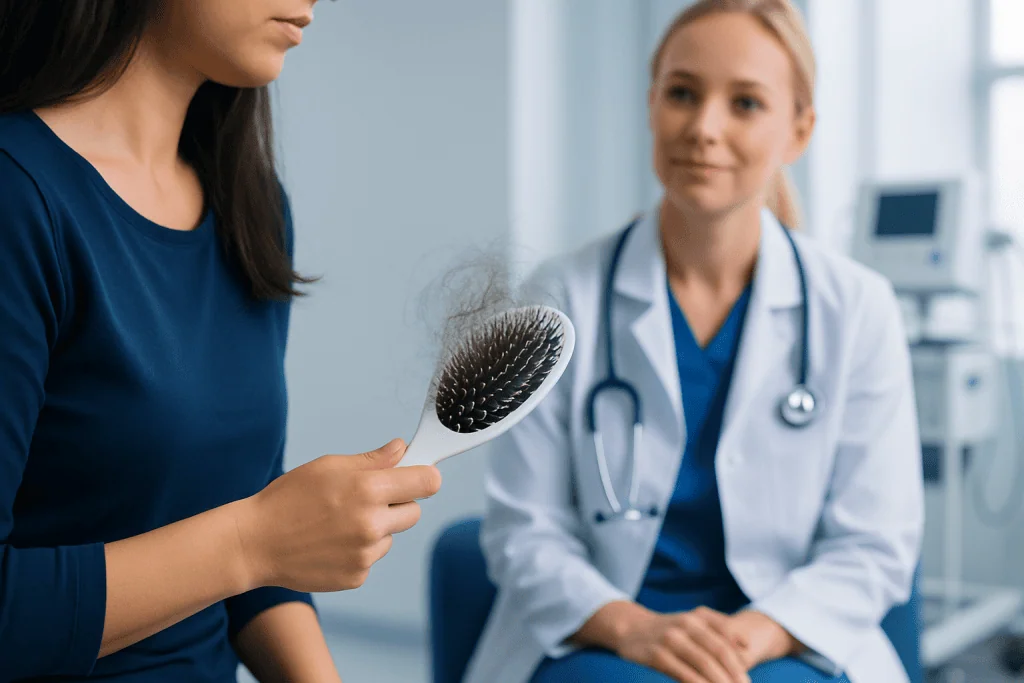
Normal shedding means strands come out, but overall hair density remains fairly stable because new hair is growing in. This often becomes more noticeable after shampooing, brushing, or styling, especially in people with longer or thicker hair. Seasonal variation and changes in washing frequency can also make shedding appear heavier without indicating disease.
Hair loss is different because the scalp begins to look less full over time, or distinct areas become thinner. Some people notice a widening part, more visible scalp at the crown, recession at the temples, or patchy bald spots. Others may feel the ponytail is thinner or that styling no longer covers the scalp the way it used to.
Doctors broadly describe two common patterns. One is diffuse shedding, where hair comes out from all over the scalp. The other is patterned or patchy loss, which can suggest conditions such as hair loss related to genetics, autoimmunity, or scalp inflammation. Distinguishing between these patterns helps guide the next steps.
- Normal shedding: temporary strands in the brush, no clear reduction in volume
- Diffuse shedding: increased hair fall across the whole scalp
- Patterned thinning: gradual loss in typical male or female patterns
- Patchy loss: round or irregular areas of missing hair
Common causes of increased hair in the brush
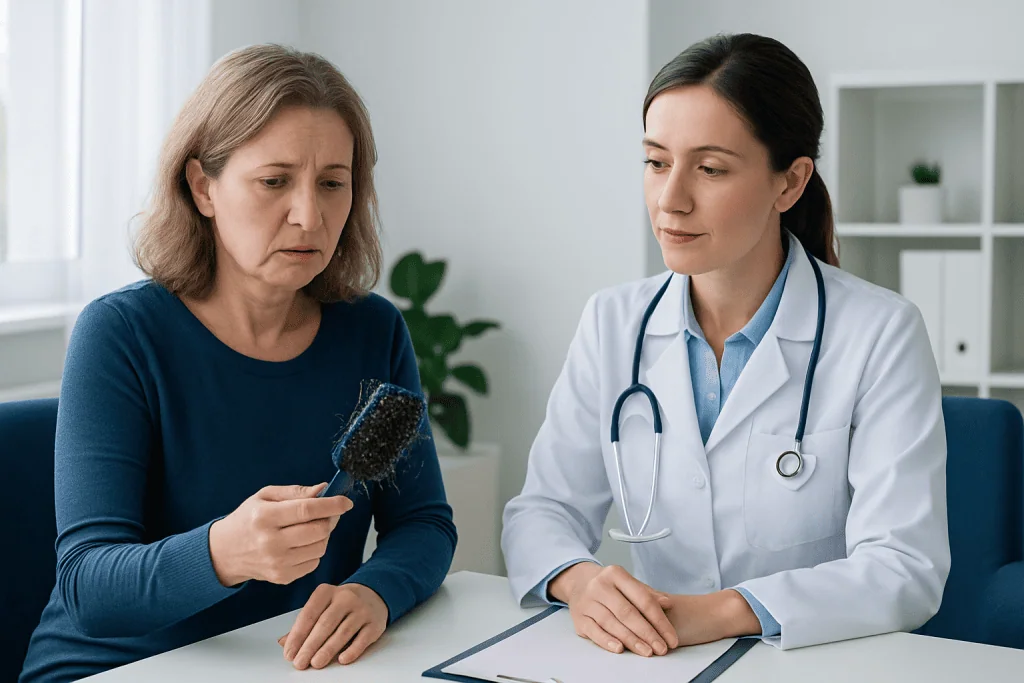
A sudden brush of hair can happen after physical or emotional stress. Fever, surgery, significant illness, rapid weight loss, childbirth, and major life stress can push more hairs into the shedding phase at the same time. This type of shedding often starts weeks to months after the trigger, which can make the connection easy to miss.
Hormonal changes are another common reason. Pregnancy, the postpartum period, thyroid disorders, and menopause can all affect the hair cycle. Nutritional issues such as low iron, low protein intake, or deficiencies in certain vitamins and minerals may also contribute, especially if diet has changed recently or there is heavy menstrual bleeding or digestive disease.
Hair grooming practices matter too. Tight hairstyles, frequent chemical processing, harsh heat, and repeated pulling can damage the hair shaft or stress the follicles. Scalp problems such as dandruff, seborrheic dermatitis, psoriasis, or fungal infection may cause inflammation that contributes to shedding or breakage. Some medications can also play a role.
Finally, inherited pattern hair loss is very common and may become noticeable gradually rather than suddenly. In these cases, patients may first notice more hair in the brush because the hair shafts are becoming finer over time. Conditions affecting the scalp or skin may overlap with broader dermatology concerns, so persistent symptoms should be examined rather than self-diagnosed.
Signs that suggest a medical evaluation is needed
Many episodes of increased shedding settle with time, especially when linked to a temporary trigger. Still, some features suggest the person should arrange a medical assessment. These include visible thinning, bald patches, broken hairs, scaling or redness of the scalp, pain, itching, or tenderness.
Medical review is also important if shedding begins very suddenly, continues for several months, or occurs alongside other symptoms such as fatigue, weight change, menstrual irregularity, acne, increased facial hair, or intolerance to heat or cold. These clues can point toward hormone or thyroid problems, anemia, or another underlying health issue.
Children, teenagers, and anyone with scarring, shiny skin on the scalp, or loss of eyebrows or eyelashes should be evaluated promptly. Scarring forms of hair loss need timely care to reduce the risk of permanent follicle damage. While most causes are not dangerous, early diagnosis often makes treatment clearer and more effective.
How doctors diagnose the cause
Diagnosis starts with a detailed history. A doctor will usually ask when the shedding began, whether it is diffuse or patchy, whether there was a recent illness or stressful event, and what hair products or styling practices are used. Family history, medications, diet, menstrual history, and other symptoms can also provide useful clues.
The scalp and hair are then examined closely. The doctor may look for miniaturized hairs, inflammation, scaling, breakage, or signs of scarring. In some cases, a gentle hair-pull test is done to see whether more hairs than expected release with light traction. Magnified scalp examination can help distinguish between common types of thinning and inflammatory scalp disease.
Blood tests may be recommended when the pattern suggests an internal trigger. These can include tests for iron status, thyroid function, and other factors based on the person’s history. If diagnosis remains uncertain, a dermatologist may recommend further evaluation. For patients needing specialist assessment, dermatology evaluation can help identify whether the issue is shedding, breakage, scalp disease, or a primary hair-loss disorder.
Treatment options depend on the cause
There is no single treatment for a brush of hair because the best approach depends on why the shedding is happening. If the cause is temporary shedding after illness, stress, or childbirth, treatment may mainly involve reassurance, supportive scalp care, and time. Hair often regains density gradually as the growth cycle resets, although this can take months.
When an underlying medical issue is found, treatment focuses on correcting it. This may include managing thyroid disease, improving iron deficiency, reviewing medications, or addressing hormonal imbalance. If scalp inflammation is present, medicated shampoos or other prescription treatments may be recommended to calm the skin and support healthier growth.
For inherited pattern thinning, doctors may suggest evidence-based options to slow progression and encourage regrowth where possible. Some patients may later be assessed for procedural approaches such as hair transplant when hair loss is stable and appropriate for their situation. If another scalp disorder is involved, treatment may overlap with care used in skin disease treatment to reduce inflammation and protect the follicles.
Patients should be cautious with supplements and online products that promise fast regrowth. More is not always better, and unnecessary supplements can be unhelpful or even harmful. A qualified doctor can advise whether any treatment is likely to help in a specific case.
Self-care habits that support healthy hair
Gentle hair care can reduce breakage and make shedding easier to interpret. It helps to avoid very tight hairstyles, aggressive brushing, frequent high heat, and harsh chemical treatments when shedding is active. Using a mild shampoo, conditioning the hair lengths, and detangling carefully from the ends upward may reduce mechanical damage.
General health habits also matter. A balanced diet with adequate protein, iron, and other nutrients supports the hair cycle. Sleep, stress management, and recovery after illness are important as well. Because hair changes often lag behind body changes, improvements may take time to become visible.
Some people feel tempted to brush less or wash less when they see more hair come out. In many cases this only makes shed hairs accumulate and then appear all at once later, which can be more distressing. Unless a doctor has advised otherwise, regular gentle washing and brushing are usually reasonable.
Near the end of the care pathway, some patients benefit from multidisciplinary support, especially if hair changes relate to hormones, skin disease, or recovery after illness. Acibadem International’s multidisciplinary specialists and JCI-accredited hospitals diagnose and treat hair and scalp concerns for international patients when specialist evaluation is needed.
When to seek medical care
A person should seek medical care if a brush of hair is accompanied by visible thinning, bald patches, scalp redness, scaling, pain, or itching. Medical advice is also appropriate if the shedding is sudden, severe, or lasts longer than a few months without improvement.
Prompt evaluation is especially important when hair loss follows a major illness, occurs with fatigue or weight changes, or affects children and adolescents. A doctor should also assess suspected scarring hair loss, eyebrow or eyelash loss, or any case where the scalp skin looks shiny or smooth in areas of thinning.
Although many causes are temporary and manageable, getting the right diagnosis can reduce worry and help prevent unnecessary treatments. If there is any uncertainty, a qualified clinician or dermatologist can advise on the next steps.
Frequently asked questions
Is it normal to see a brush of hair after brushing or washing?
Yes. It is normal for some hairs to shed each day, and brushing or washing often collects them in one place. What matters most is whether the amount is clearly more than usual or whether the hair overall seems thinner.
How can someone tell if it is shedding or actual hair loss?
Shedding usually means hairs are coming out, but overall fullness stays about the same. Actual hair loss is more likely if the scalp becomes more visible, the part widens, the hairline recedes, or patches of missing hair appear.
Can stress cause more hair to collect in the brush?
Yes. Physical or emotional stress can trigger a type of temporary shedding that often appears weeks or months after the event. Common triggers include fever, surgery, childbirth, rapid weight loss, or a significant emotional strain.
Will hair grow back after sudden shedding?
In many cases, yes, especially when the trigger is temporary and the hair follicles remain healthy. Regrowth often takes time, and improvement may not be obvious for several months because hair grows slowly.
Should someone take vitamins or supplements for a brush of hair?
Not automatically. Supplements are most helpful when a true deficiency is present, and taking unnecessary products may not improve hair and can sometimes cause problems. It is better to ask a doctor whether testing or targeted treatment is appropriate.
When should a person see a doctor about hair in the brush?
Medical advice is recommended if shedding is sudden, heavy, or persistent, or if there are bald patches, scalp symptoms, or visible thinning. A doctor should also be consulted if hair changes happen along with fatigue, weight change, or other symptoms suggesting an underlying health issue.
References
- American Academy of Dermatology
- National Institute of Arthritis and Musculoskeletal and Skin Diseases
- Mayo Clinic
- National Health Service
- Cleveland Clinic
This article is for general information only and is not a substitute for professional medical advice. Please consult a qualified doctor about your individual situation.
Hair transplant in Turkey — costs, graft counts & a free assessment
JCI-accredited · board-certified surgeons · reply within 24h
Add us as a Preferred Source to see more of our trusted health content across Google Search, AI Overviews and Discover.
Check your numbers in seconds
BMI, calories, due date, blood pressure and 30+ more clinical calculators — free, instant, doctor-reviewed ranges.

More from the Health Library



Related Specialists

Prof. Dr. Semra Akkaya Turhan
Ophthalmology
Prof. Dr. Özgül Altıntaş
Ophthalmology
Assoc. Prof. Dr. Kemal Paksoy
Neurosurgery
Dt. Büşra Sevinç
Oral & Dental Health