Bubble guts: Symptoms, Causes, and Treatment — Complete Patient Guide

Bubble guts is a symptom pattern, not a formal diagnosis. Common triggers include gas, overeating, food intolerance, stress, and viral stomach infections.
Key Takeaways
- Bubble guts is a symptom pattern, not a formal diagnosis.
- Common triggers include gas, overeating, food intolerance, stress, and viral stomach infections.
- Short-lived symptoms often improve with fluids, rest, gentle meals, and avoiding known triggers.
- Persistent symptoms, blood in stool, fever, dehydration, or significant pain need medical evaluation.
- Diagnosis depends on the full pattern of symptoms and may include stool tests, blood tests, or digestive imaging.
Bubble guts is a non-medical term people use for noisy stomach gurgling, pressure, bloating, cramping, or a churning feeling in the abdomen. It is often linked to gas, digestion, stress, food triggers, or a short-term stomach illness, but ongoing or severe symptoms should be assessed by a doctor.
What bubble guts means
Bubble guts is an informal term for a bubbling, gurgling, churning, or unsettled feeling in the stomach or intestines. Many people use it to describe loud bowel sounds, bloating, gas, cramping, urgent bowel movements, or a sense that the abdomen is “moving around.” In many cases, it is temporary and related to normal digestion, swallowed air, stress, or a minor stomach upset.
Although the phrase is common, it does not refer to one single disease. The same sensation can happen with indigestion, food intolerance, viral gastroenteritis, irritable bowel syndrome, constipation, or diarrhea. That is why the timing, accompanying symptoms, and how long the problem lasts are important clues.
The digestive tract naturally makes sounds as food, fluid, and gas move through it. These sounds may become more noticeable after eating, during stress, or when the bowels are irritated. A bubbling stomach is often harmless, but repeated symptoms or symptoms that interfere with daily life deserve a more careful look.
How bubble guts can feel
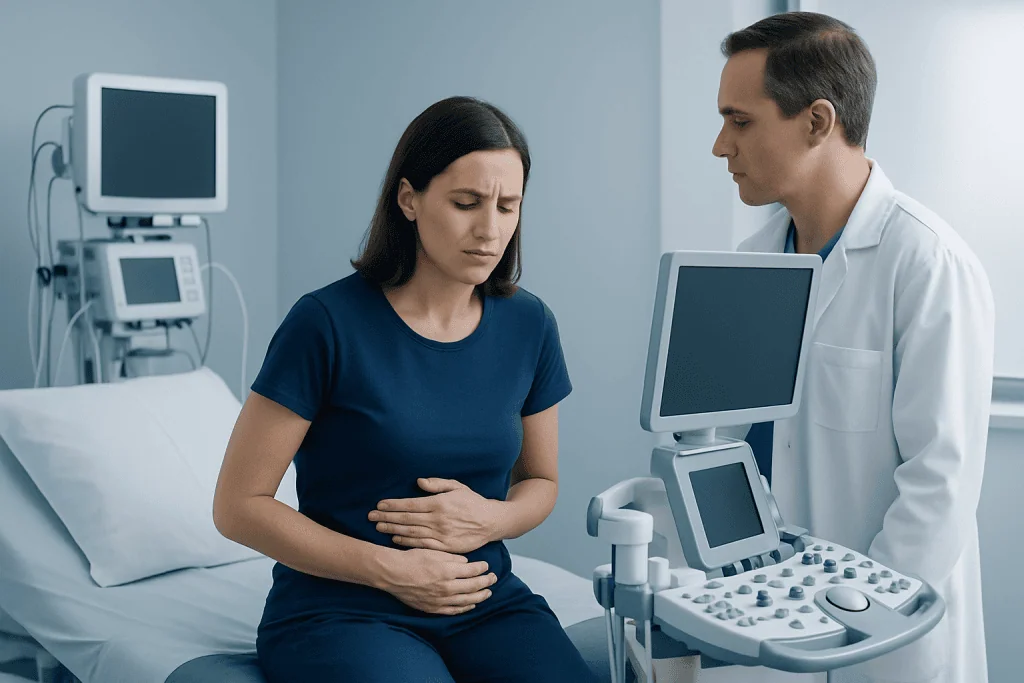
People experience bubble guts in different ways. For some, it is mainly a noisy abdomen with burping or passing gas. For others, it comes with cramps, nausea, loose stools, or a sudden need to use the bathroom. Symptoms may last only a few hours, or they may come and go over weeks or months.
Common symptoms that may occur with bubble guts include:
- Gurgling or rumbling sounds in the abdomen
- Bloating or a feeling of fullness
- Excess gas, belching, or flatulence
- Mild to moderate abdominal cramping
- Nausea or reduced appetite
- Diarrhea or loose stools
- Constipation or an alternating bowel pattern
- Urgency to have a bowel movement
The exact pattern matters. Bubble guts after a heavy meal may point to indigestion or gas. Symptoms after milk, wheat, or certain fruits may suggest food intolerance. If the symptoms occur with repeated abdominal pain and changed bowel habits, a doctor may consider a functional bowel condition such as irritable bowel syndrome.
Common causes and triggers

A very common cause of bubble guts is intestinal gas. Gas forms during digestion and can also increase when a person eats quickly, drinks carbonated beverages, chews gum, or swallows excess air. Beans, onions, cruciferous vegetables, artificial sweeteners, and high-fat meals can also make bubbling and bloating more noticeable in some people.
Short-term stomach infections are another frequent cause. Viral gastroenteritis can lead to churning, nausea, diarrhea, and abdominal sounds as the intestines become irritated. Food poisoning can cause similar symptoms, sometimes more suddenly and more intensely. Some medications, including antibiotics, may also disrupt the balance of bacteria in the gut and trigger bloating or loose stools.
Stress and anxiety can affect the gut through the gut-brain connection. During stressful periods, the bowels may move faster or become more sensitive, which can lead to cramping, gurgling, and urgency. Ongoing digestive symptoms may also be related to acid-related conditions, intolerances such as lactose intolerance, constipation, or inflammatory digestive disorders. In some people, persistent upper abdominal discomfort may overlap with gastritis or other stomach conditions, while prolonged diarrhea or abdominal pain may need evaluation for broader gastrointestinal diseases.
Who is more likely to experience it
Bubble guts can happen at any age, but some factors make it more likely. People with sensitive digestion, irregular meal patterns, frequent stress, or a history of food intolerance may notice it more often. Travel, changes in routine, alcohol intake, and low-fiber or highly processed diets can also trigger symptoms.
Certain health conditions increase the chance of recurring abdominal bubbling or discomfort. These include irritable bowel syndrome, acid reflux, lactose intolerance, celiac disease, constipation, inflammatory bowel conditions, and post-infectious bowel sensitivity after a stomach bug. People recovering from antibiotics may also develop temporary digestive changes.
It is also important to consider hydration and lifestyle. Inadequate fluid intake, eating too quickly, and low physical activity can slow or disrupt normal digestion. Keeping track of symptom patterns can help identify whether bubble guts is linked to specific foods, stressors, or bowel habits.
How doctors diagnose the cause
Diagnosis begins with a medical history and physical examination. A doctor will usually ask when the symptoms started, what they feel like, whether they are linked to meals, and whether there is diarrhea, constipation, vomiting, fever, weight loss, or blood in the stool. Even though bubble guts often has a benign explanation, the full symptom picture helps distinguish simple indigestion from a condition that needs treatment.
If symptoms are mild and short-lived, testing may not be necessary. If they persist, recur often, or are accompanied by warning signs, the doctor may recommend blood tests, stool tests, or breath tests for certain intolerances or bacterial imbalance. Imaging or endoscopy may be considered when symptoms suggest a structural digestive problem or ongoing inflammation.
In some cases, specialist evaluation is useful, especially if symptoms are recurrent, unexplained, or affecting nutrition and quality of life. A gastroenterologist may assess whether a person needs a more detailed gastroenterology evaluation or tests such as endoscopy to examine the upper digestive tract or colon depending on the symptom pattern.
Treatment and symptom relief
Treatment for bubble guts depends on the cause. If symptoms are due to gas, overeating, or a mild stomach upset, simple measures are often enough. These may include drinking water, eating smaller meals, choosing bland foods for a short time, and avoiding trigger foods such as very fatty, spicy, or gas-forming meals. Rest and time are often helpful when symptoms follow a brief viral illness.
When diarrhea is present, staying hydrated is especially important. Clear fluids, oral rehydration solutions, and light foods may help until the stomach settles. If constipation is contributing, gradually increasing fluids, fiber, and movement can improve bowel function. For stress-related symptoms, relaxation techniques, regular meals, and sleep support the gut-brain connection.
If an underlying condition is found, treatment is directed at that condition. This may involve dietary changes, treatment for infection, medications to reduce acid or bowel spasms, or a structured plan for chronic digestive conditions. Persistent symptoms should not be self-treated for long periods without medical advice, because the same symptom can have very different causes.
For patients who need specialist care, Acibadem International’s multidisciplinary teams in JCI-accredited hospitals diagnose and treat digestive complaints for international patients, including advanced colonoscopy or other digestive investigations when appropriate.
Prevention and self-care habits
Many episodes of bubble guts can be reduced by practical daily habits. Eating slowly, chewing well, and avoiding very large meals can decrease swallowed air and digestive overload. Some people benefit from limiting carbonated drinks, reducing excess alcohol, and noticing whether certain foods reliably trigger bloating or cramping.
A simple food and symptom diary can be useful. Recording meals, stress levels, and bowel patterns may reveal links with dairy, wheat, high-fat foods, caffeine, artificial sweeteners, or specific vegetables. It is best not to eliminate major food groups long term without guidance, especially if symptoms are frequent, because unnecessary restriction can affect nutrition.
Regular hydration, physical activity, and adequate sleep support healthy bowel function. During and after a stomach bug, a gradual return to normal meals may be easier on the gut than heavy foods right away. People with ongoing symptoms may benefit from medical nutrition advice and a structured digestive care plan rather than repeated trial-and-error changes.
When to seek medical care
Medical care is recommended if bubble guts lasts more than a few days, keeps returning, or starts interfering with eating, work, sleep, or daily activities. A doctor should also evaluate symptoms that begin after travel, antibiotics, or a new medication, especially if they are worsening instead of improving.
Prompt medical attention is important if there is severe abdominal pain, persistent vomiting, signs of dehydration, a high fever, black stools, blood in the stool, fainting, or unintentional weight loss. These features do not always mean a serious condition, but they should not be ignored.
Children, older adults, pregnant people, and anyone with a weakened immune system may need earlier assessment because dehydration and infection can become more significant in these groups. When in doubt, it is safest to seek advice from a qualified healthcare professional.
Frequently asked questions
Is bubble guts a real medical condition?
Bubble guts is not a formal medical diagnosis. It is a common phrase for bubbling, gurgling, bloating, cramping, or unsettled digestion that can happen for many different reasons.
What usually causes bubble guts?
Common causes include gas, indigestion, eating too quickly, food intolerance, stress, constipation, diarrhea, or a short-term stomach infection. Sometimes symptoms are linked to a chronic digestive condition, especially if they keep coming back.
Can stress cause bubble guts?
Yes. Stress and anxiety can change how the intestines move and how sensitive they feel, which may lead to rumbling, cramping, urgency, or bloating. This happens through the gut-brain connection.
How can someone calm bubble guts at home?
Short-lived symptoms may improve with rest, fluids, smaller meals, and avoiding foods that seem to trigger gas or cramping. Bland foods can be easier to tolerate for a day or two, but persistent symptoms should be checked by a doctor.
When is bubble guts a sign of something more serious?
Medical evaluation is important if symptoms are severe, last more than a few days, or keep returning. Warning signs include blood in the stool, black stools, fever, ongoing vomiting, dehydration, significant pain, or unintended weight loss.
Can bubble guts happen without diarrhea?
Yes. Some people mainly notice bloating, gas, rumbling, or cramping without loose stools. Constipation, swallowed air, food intolerance, or stress can all cause bubble guts without diarrhea.
References
- National Institute of Diabetes and Digestive and Kidney Diseases
- American College of Gastroenterology
- National Health Service
- Mayo Clinic
- World Gastroenterology Organisation
This article is for general information only and is not a substitute for professional medical advice. Please consult a qualified doctor about your individual situation.
Persistent digestive symptoms? Get evaluated in Turkey
JCI-accredited · board-certified surgeons · reply within 24h
Add us as a Preferred Source to see more of our trusted health content across Google Search, AI Overviews and Discover.