Burned by Nair — Explained by Medical Evidence, Not Myths

Being burned by Nair is typically a chemical irritation or burn, not an allergic reaction alone. The first step is to remove the product and rinse the area thoroughly with cool or lukewarm water.
Key Takeaways
- Being burned by Nair is typically a chemical irritation or burn, not an allergic reaction alone.
- The first step is to remove the product and rinse the area thoroughly with cool or lukewarm water.
- Mild cases often improve with simple skin protection, fragrance-free moisturizers, and avoiding further irritation.
- Blisters, intense pain, broken skin, or symptoms near the eyes or genitals need medical advice promptly.
- Patch testing and following timing instructions carefully can reduce the chance of future reactions.
Burned by Nair usually refers to a chemical irritation or superficial chemical burn caused by a depilatory hair-removal cream staying on too long, being used on sensitive skin, or contacting damaged skin. Most mild cases improve with prompt rinsing and gentle skin care, but severe pain, blistering, or spreading redness should be assessed by a clinician.
Overview: what it means to be burned by Nair
Being burned by Nair usually means the skin has reacted to a depilatory cream strongly enough to cause irritation, inflammation, or a superficial chemical burn. These products dissolve hair by breaking down proteins in the hair shaft, but they can also affect the outer layer of skin if they are left on too long, applied to very sensitive areas, or used on already irritated skin.
This is why the sensation may feel different from an ordinary rash. People often describe burning, stinging, rawness, unusual tenderness, and redness that starts during use or appears soon afterward. In some cases the skin may peel, ooze, or form blisters, which suggests a more significant chemical injury rather than simple temporary irritation.
Medical evidence supports a practical approach: stop exposure, rinse the product off thoroughly, protect the skin barrier, and watch for signs that need professional care. The goal is not only to relieve discomfort, but also to reduce the risk of infection, scarring, or longer-lasting skin discoloration.
Why depilatory creams can irritate or burn skin
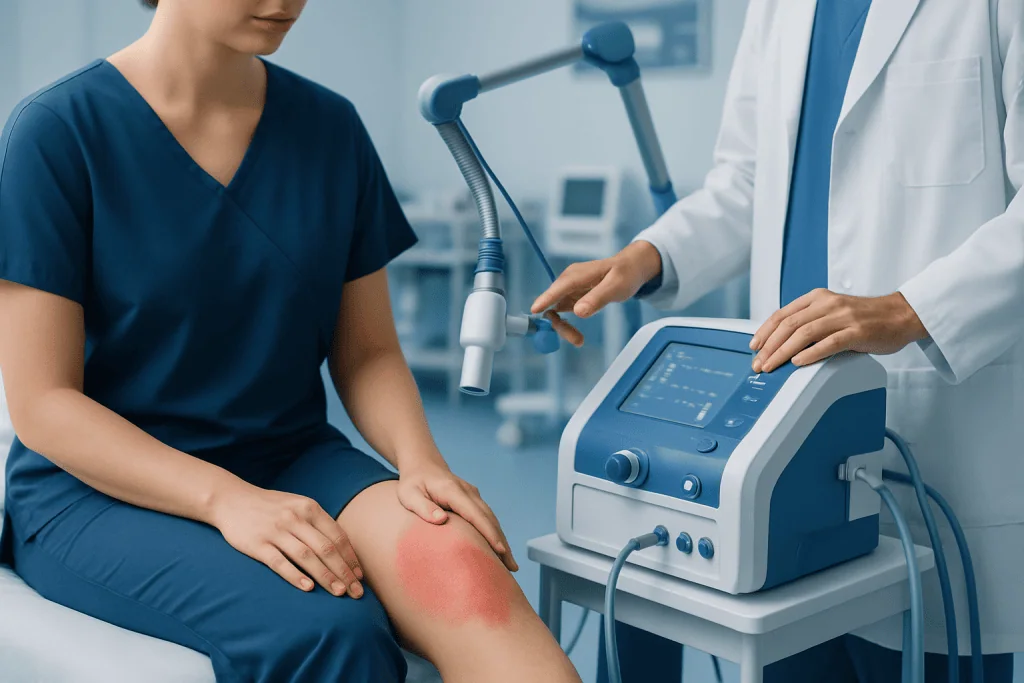
Depilatory creams work by using alkaline chemicals, commonly compounds such as calcium or potassium thioglycolate, to weaken and dissolve hair. This process is effective on hair because hair contains keratin, but skin also contains structural proteins and a protective barrier that can be disrupted by the same chemicals.
If the product remains on the skin beyond the recommended time, the chemical effect can continue long enough to injure the superficial layers of skin. A stronger reaction is also more likely when the product is applied to thin or delicate areas, after shaving, over eczema, over a sunburn, or on skin that already has small cuts or friction damage.
Some people also mistake a chemical burn for an allergy. An allergic contact dermatitis is possible, especially with fragrances or preservatives, but the immediate burning sensation during application more often points to chemical irritation. Conditions such as eczema and other forms of sensitive skin can make both irritation and allergy more likely.
Common symptoms and what they may suggest

Symptoms can range from mild to more severe. A mild reaction may include temporary redness, itching, a tight feeling, and sensitivity to touch. The area can look pink or slightly inflamed for several hours to a couple of days, especially if the skin is dry.
A more significant reaction may cause persistent burning, marked redness, swelling, peeling, or pain when clothing or water touches the area. Small erosions or weeping patches can happen when the upper skin barrier has been damaged. In darker skin tones, the skin may later develop temporary darker or lighter patches after it heals.
Blisters, broken skin, severe tenderness, or expanding redness suggest a stronger chemical injury and deserve closer attention. If there is crusting, pus, fever, or a sudden worsening after initial improvement, infection should be considered. Other inflammatory skin conditions, including contact dermatitis, can look similar and may need a clinician to distinguish them.
- Mild: brief stinging, pinkness, dryness, slight itch
- Moderate: ongoing burning, swelling, peeling, raw sensation
- More severe: blistering, skin breakdown, intense pain, spreading redness
Immediate care at home after a Nair burn
The most important first step is to remove the cream completely and rinse the skin with plenty of cool or lukewarm running water. Gentle rinsing for several minutes helps reduce chemical contact time. Harsh scrubbing, very hot water, and strongly scented soaps should be avoided because they can worsen irritation.
After rinsing, the skin should be patted dry rather than rubbed. A simple, fragrance-free moisturizer or bland emollient can help protect the skin barrier. If the area is uncomfortable, a cool compress may be soothing. It is usually best to avoid reapplying any hair-removal product, exfoliating acids, retinoids, perfumes, or tight clothing over the area until the skin has recovered.
People should avoid picking at peeling skin or popping blisters. If the reaction is painful or the diagnosis is uncertain, a pharmacist or doctor can advise whether a short course of a topical treatment is appropriate. When irritation is pronounced or the skin becomes very inflamed, a dermatologist may recommend targeted care, including evaluation through dermatology services.
How doctors diagnose and treat it
Diagnosis is often based on the history of recent depilatory cream use and the appearance of the skin. A clinician will usually ask which product was used, how long it stayed on, whether the skin had been shaved or irritated beforehand, and whether the reaction started immediately or later. This helps distinguish a chemical irritant burn from allergy, friction injury, infection, or another skin problem.
Treatment depends on severity. Mild cases may only need gentle wound care, barrier repair, and avoidance of further irritants while the skin heals. More inflamed cases may need prescription creams to reduce inflammation, while areas with open skin may need dressings or closer follow-up. If there are signs of infection, treatment may change accordingly.
Reactions on sensitive body sites can require more specialized assessment. Burns near the face, around the eyes, underarms, bikini line, or genitals deserve extra caution because the skin there is thinner and complications are more likely. If a deeper injury is suspected, clinicians may involve specialists in wound care or, when healing problems arise, plastic and reconstructive surgery to support recovery and reduce scarring.
Healing time, possible complications, and prevention
Most mild cases improve over several days, while more noticeable irritation or superficial burns can take one to two weeks or sometimes longer to settle fully. Even after the skin surface looks better, sensitivity may continue for a short time. Temporary post-inflammatory color change is common and usually fades gradually, although it can last longer in some skin types.
Complications are uncommon in mild cases but can include infection, prolonged redness, persistent tenderness, and scarring when the skin barrier has been significantly damaged. The risk is higher if the area is repeatedly irritated, exposed to friction, or treated with multiple products while healing.
Prevention centers on careful product use. A patch test is helpful before full application, even if the product has been used in the past. The cream should only be used on intact skin, for the recommended amount of time or less, and not immediately after shaving, waxing, sun exposure, or using exfoliating products. If someone has a history of sensitive skin or recurrent reactions, a doctor can help discuss safer hair-removal alternatives.
- Read and follow the timing instructions exactly
- Patch test before broader use
- Do not use on broken, sunburned, or recently shaved skin
- Avoid sensitive mucosal areas unless the product is specifically intended for them
- Stop immediately if burning starts during application
When to seek medical care
Medical care is appropriate if the burning is severe, the pain continues after the cream has been removed, or the skin develops blisters, open sores, or significant swelling. Prompt assessment is also wise when the affected area is large, involves the face, eyes, nipples, genitals, or anus, or if the person has diabetes, poor circulation, or a skin condition that makes healing more difficult.
People should seek urgent help if the product gets into the eyes, if there is trouble breathing, if the skin becomes rapidly more red or swollen, or if fever, pus, or red streaking appears. These are not typical features of a simple mild reaction and may indicate a more serious burn or infection.
If symptoms are not clearly improving after a few days, a doctor can confirm the diagnosis and advise on treatment. Near the end of the care pathway, it may also help patients to know that Acibadem International’s multidisciplinary specialists and JCI-accredited hospitals diagnose and treat skin injuries and related conditions for international patients.
Frequently asked questions
Can Nair really cause a chemical burn?
Yes. Depilatory creams can cause chemical irritation or a superficial chemical burn because they break down hair proteins and can also damage the skin barrier. This is more likely if the product is left on too long or used on sensitive or damaged skin.
What should someone do first if they feel burned by Nair?
They should remove the product right away and rinse the area thoroughly with cool or lukewarm running water. The skin should then be treated gently, avoiding scrubbing, hot water, perfumes, and further hair-removal products until it heals.
How long does a Nair burn take to heal?
A mild reaction may improve within a few days, while more inflamed or raw areas can take one to two weeks or longer. If the skin is blistered, broken, or not improving, a clinician should assess it.
Is a Nair burn the same as an allergic reaction?
Not always. Many reactions are irritant chemical burns that start quickly with burning or stinging during use. An allergy is also possible, but it often needs a clinician to distinguish it from simple irritation.
Should blisters from a depilatory cream be popped?
No. Blisters help protect the healing skin underneath, and opening them can raise the risk of infection and delay recovery. A doctor should review blistering, especially if it is painful or widespread.
Can someone use Nair again after having a burn?
It is safer to avoid using the same product again until the skin has fully healed and the cause of the reaction is understood. If future hair removal is being considered, a patch test and medical advice are sensible, especially for people with sensitive skin or eczema.
References
- American Academy of Dermatology
- Mayo Clinic
- National Health Service
- MedlinePlus
- U.S. Food and Drug Administration
This article is for general information only and is not a substitute for professional medical advice. Please consult a qualified doctor about your individual situation.
Hair transplant in Turkey — costs, graft counts & a free assessment
JCI-accredited · board-certified surgeons · reply within 24h
Add us as a Preferred Source to see more of our trusted health content across Google Search, AI Overviews and Discover.