Bursa — Explained by Medical Evidence, Not Myths

A bursa cushions moving structures around joints and helps movement stay smooth. Bursa problems are most often due to irritation, overuse, pressure, injury, or inflammation.
Key Takeaways
- A bursa cushions moving structures around joints and helps movement stay smooth.
- Bursa problems are most often due to irritation, overuse, pressure, injury, or inflammation.
- Pain near the shoulder, elbow, hip, knee, or heel may suggest an inflamed bursa.
- Diagnosis usually relies on medical history, physical examination, and sometimes imaging or fluid testing.
- Treatment often includes rest, activity changes, ice, medicines, physical therapy, and occasionally procedures.
A bursa is a small, fluid-filled sac that helps reduce friction between bones, tendons, muscles, and skin near a joint. When a bursa becomes irritated or inflamed, it can cause pain, swelling, and stiffness, but many cases improve with proper evaluation and conservative care.
Overview: what a bursa is and why it matters
A bursa is a small sac filled with a small amount of lubricating fluid. It sits in places where tissues move against each other, such as between bone and tendon, bone and skin, or muscle and bone. Its role is simple but important: it helps reduce friction and cushions pressure so that joints can move more comfortably.
There are many bursae throughout the body, especially around the shoulders, elbows, hips, knees, and heels. Most people do not notice them at all unless one becomes irritated. When that happens, the affected area may become painful, swollen, warm, or harder to move. This inflamed state is commonly called bursitis.
Understanding the bursa helps explain why pain can develop after repeated kneeling, leaning on the elbows, sports activity, a direct blow, or even inflammatory conditions such as arthritis. A sore area near a joint does not always mean the joint itself is damaged; sometimes the cushioning sac beside it is the main source of symptoms.
Where bursae are found in the body
Bursae are located near many of the body’s major joints. Some of the best-known examples are in the shoulder, where bursae help tendons glide under the shoulder bone; at the elbow tip; over the kneecap; on the outer side of the hip; and near the back of the heel. These areas are exposed to frequent motion or pressure, which is why they are common sites of irritation.
Different bursae can produce slightly different symptoms depending on their location. A shoulder bursa may cause pain when lifting the arm or sleeping on that side. A hip bursa may cause pain on the outer thigh when walking or climbing stairs. A knee or elbow bursa may look visibly swollen because these sacs sit closer to the skin.
Because bursae work closely with tendons and muscles, bursa pain can sometimes be confused with tendon problems or joint disease. For example, shoulder symptoms may overlap with rotator cuff problems, and pain around the knee may be mistaken for a direct joint condition. A careful assessment helps identify the true cause.
Symptoms of an irritated or inflamed bursa

The most common symptom of a problem with a bursa is pain near a joint. The pain may feel achy, tender, or sharp with movement. Some people notice it mainly during activity, while others also feel discomfort at rest or when pressure is applied, such as kneeling, lying on one side, or leaning on an elbow.
Swelling is another common sign, especially in superficial bursae close to the skin. The area may appear puffy or rounded. In some cases, the skin may feel warm or look red. Movement can become limited because pain makes the person avoid using the joint normally.
Symptoms can begin suddenly after an injury or develop gradually from repetitive use. If a bursa becomes infected, pain, warmth, redness, and swelling may be more pronounced, and fever can occur. Infection needs prompt medical evaluation because treatment differs from the care used for noninfectious bursitis.
- Pain with movement or pressure
- Localized swelling near a joint
- Tenderness to touch
- Stiffness or reduced range of motion
- Warmth or redness in some cases
Causes and risk factors
Bursa irritation usually happens because of repeated friction, pressure, or overuse. Jobs or activities that involve kneeling, crawling, lifting, throwing, or frequent reaching can place extra stress on bursae. A direct blow to the area may also trigger inflammation. In many people, symptoms improve once the repeated strain is reduced.
Age can increase risk because tissues become less resilient over time. Poor movement patterns, weak supporting muscles, and tight tendons may also increase stress around a joint. Athletes and physically active individuals may develop bursitis from repetitive training, especially if technique or workload changes quickly.
Some medical conditions make bursa problems more likely. These include inflammatory arthritis, gout, infection, and sometimes nearby tendon disorders. For example, pain around the hip may be linked with tendon irritation or osteoarthritis rather than the bursa alone. In people with diabetes or immune system problems, an infected bursa may be a greater concern and should be assessed promptly.
How doctors diagnose bursa problems
Diagnosis begins with a medical history and physical examination. A doctor asks where the pain is felt, what activities make it worse, whether there was any injury, and whether there are signs of infection such as fever, spreading redness, or drainage. During the exam, the doctor checks for tenderness, swelling, warmth, and how the nearby joint moves.
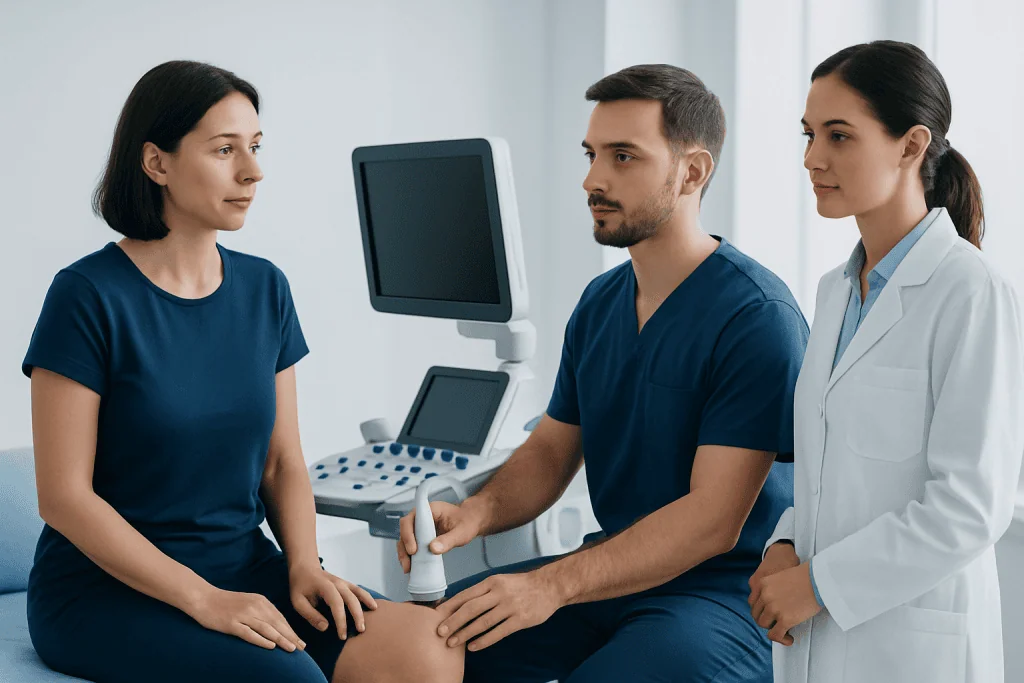
Imaging is not always necessary, but it can be helpful when symptoms are persistent, severe, or unclear. Ultrasound can show fluid in a bursa and may help guide an injection or aspiration. X-rays do not show bursae directly, but they can help identify bone spurs, arthritis, or other causes of pain. MRI may be used when a soft tissue injury is also suspected.
If infection or crystal disease is a concern, the doctor may remove a small amount of bursal fluid with a needle and send it for testing. This can help distinguish simple inflammation from infection or gout. In more complex cases, referral to specialists in orthopedics and traumatology or physical therapy and rehabilitation may help guide treatment and recovery.
Treatment options and recovery
Many bursa problems improve with conservative treatment. Common first steps include resting the irritated area, avoiding the movement or pressure that triggered symptoms, applying ice, and using doctor-recommended pain-relieving or anti-inflammatory medicines when appropriate. Protective padding, supportive footwear, or simple activity modifications can also reduce stress on the area.
Physical therapy is often useful, especially when weakness, tightness, or movement patterns contribute to ongoing irritation. A structured program may include stretching, strengthening, posture work, and advice on returning gradually to sport or work. Addressing the mechanics around the joint can help reduce recurrence rather than only easing pain temporarily.
In selected cases, a doctor may recommend aspiration to remove excess fluid or a corticosteroid injection to calm inflammation. If the bursa is infected, treatment may involve antibiotics and sometimes drainage. Surgery is uncommon and is generally reserved for persistent cases that do not improve with appropriate non-surgical care, or for recurrent infections. Where symptoms relate to broader joint conditions, management may also involve services such as sports medicine or evaluation of related structural problems.
Self-care, prevention, and day-to-day joint protection
Preventing bursa irritation usually means reducing repeated pressure and improving how the body handles movement. Using knee pads for kneeling tasks, avoiding long periods leaning on the elbows, warming up before exercise, and increasing training loads gradually can all help. Good footwear and attention to posture may also reduce stress around the hips, knees, and heels.
At home, people with mild symptoms often benefit from relative rest rather than complete inactivity. Gentle movement helps prevent stiffness, while activities that clearly worsen pain should be limited for a time. Ice may help after activity, and gradual return to normal movement is usually better than pushing through pain.
Weight management, regular strengthening, and treating related conditions such as arthritis or tendon irritation can support long-term joint comfort. Near the end of the care journey, some people may benefit from coordinated review by multidisciplinary specialists. Acibadem International’s JCI-accredited hospitals evaluate and treat musculoskeletal conditions for international patients when expert assessment is needed.
When to seek medical care
Medical assessment is sensible if pain near a joint lasts more than a few days, keeps returning, or interferes with walking, sleeping, work, or daily activity. A doctor should also evaluate symptoms after a significant injury or if the diagnosis is uncertain. Early assessment can help distinguish a bursa problem from tendon, joint, or bone conditions.
Prompt medical care is especially important if there is marked redness, heat, fever, rapidly increasing swelling, drainage, or severe pain. These features may suggest infection or another problem that needs specific treatment. People with diabetes, immune system disorders, or inflammatory arthritis should be cautious and seek advice sooner if new swelling or warmth develops near a joint.
If symptoms are persistent or complex, care may involve imaging, rehabilitation, or specialist evaluation. A qualified clinician can help confirm whether the bursa is the source of pain and create an appropriate plan for recovery and prevention.
Frequently asked questions
What does a bursa do in the body?
A bursa acts as a cushion and a gliding surface near a joint. It helps reduce friction between tissues such as bone, tendon, muscle, and skin during movement.
Is bursa the same as bursitis?
No. A bursa is the normal fluid-filled sac itself, while bursitis means that bursa has become irritated or inflamed. Many people use the terms interchangeably, but they are not the same thing.
Can bursa pain go away on its own?
Yes, mild bursa irritation often improves with rest, activity changes, ice, and time. If pain persists, keeps returning, or is associated with swelling, warmth, or fever, medical evaluation is recommended.
Which joints are most commonly affected by bursitis?
The shoulder, elbow, hip, knee, and heel are among the most commonly affected areas. These locations are prone to repeated movement, pressure, or friction, which can irritate a bursa.
How is an inflamed bursa diagnosed?
Doctors usually diagnose it through a history and physical exam, focusing on the location of pain, swelling, and movement limits. In some cases, ultrasound, MRI, X-rays, or fluid testing may be used to confirm the cause or rule out infection.
When is a swollen bursa an emergency?
A swollen bursa needs prompt medical attention if it is very red, hot, rapidly enlarging, or accompanied by fever, severe pain, or drainage. These signs may indicate infection, which requires different treatment from routine inflammation.
References
- American Academy of Orthopaedic Surgeons
- National Institute of Arthritis and Musculoskeletal and Skin Diseases
- MedlinePlus
- NHS
- Mayo Clinic
This article is for general information only and is not a substitute for professional medical advice. Please consult a qualified doctor about your individual situation.
Joint and spine care in Turkey — expert assessment & treatment
JCI-accredited · board-certified surgeons · reply within 24h
Add us as a Preferred Source to see more of our trusted health content across Google Search, AI Overviews and Discover.

More from the Health Library

Normal Ph — Explained by Medical Evidence, Not Myths

Erythritol Stroke Risk Study: An Evidence-Based Guide for Patients

Mono Di Twins: A Complete Medical Overview

Fatty Infiltration of the Liver — Explained by Medical Evidence, Not Myths

Normal Prostate Size: What Patients Need to Know