Bypsee: Symptoms, Causes, and Treatment — Complete Patient Guide

Bypsee usually means biopsy, a diagnostic procedure rather than a medical condition. A biopsy helps identify the cause of an abnormal lump, lesion, blood test, or imaging result.
Key Takeaways
- Bypsee usually means biopsy, a diagnostic procedure rather than a medical condition.
- A biopsy helps identify the cause of an abnormal lump, lesion, blood test, or imaging result.
- Symptoms are related to the underlying problem being investigated, not to the biopsy itself.
- Biopsies can be done with a needle, endoscope, or minor surgery depending on the tissue involved.
- Most biopsies are safe, and recovery is often quick with proper aftercare.
- Prompt medical review is important for persistent lumps, unexplained bleeding, or concerning test results.
Bypsee is commonly used as a misspelling or phonetic spelling of biopsy, a medical procedure that removes a small sample of tissue or cells for laboratory testing. A biopsy helps doctors confirm or rule out conditions such as infection, inflammation, and cancer, and it is usually planned based on symptoms, imaging, or exam findings rather than being a disease itself.
What does bypsee mean?
Bypsee most commonly refers to biopsy, a medical test in which a doctor removes a small sample of tissue, cells, or fluid and sends it to a laboratory for examination. The sample can help explain why an area looks abnormal on imaging, feels different on examination, or is causing symptoms such as bleeding, swelling, or pain.
A biopsy is not a disease on its own. Instead, it is a tool used to diagnose or better understand another health issue. Depending on the part of the body involved, a biopsy may investigate inflammation, infection, benign growths, autoimmune disease, or cancers such as breast cancer or thyroid cancer.
Many people search for “bypsee” when they want to know what a biopsy is, why it is needed, or what happens during the procedure. In most cases, the procedure is straightforward, and the exact method depends on the organ, the size and location of the abnormal area, and what information the care team needs from the tissue sample.
Why a biopsy may be recommended
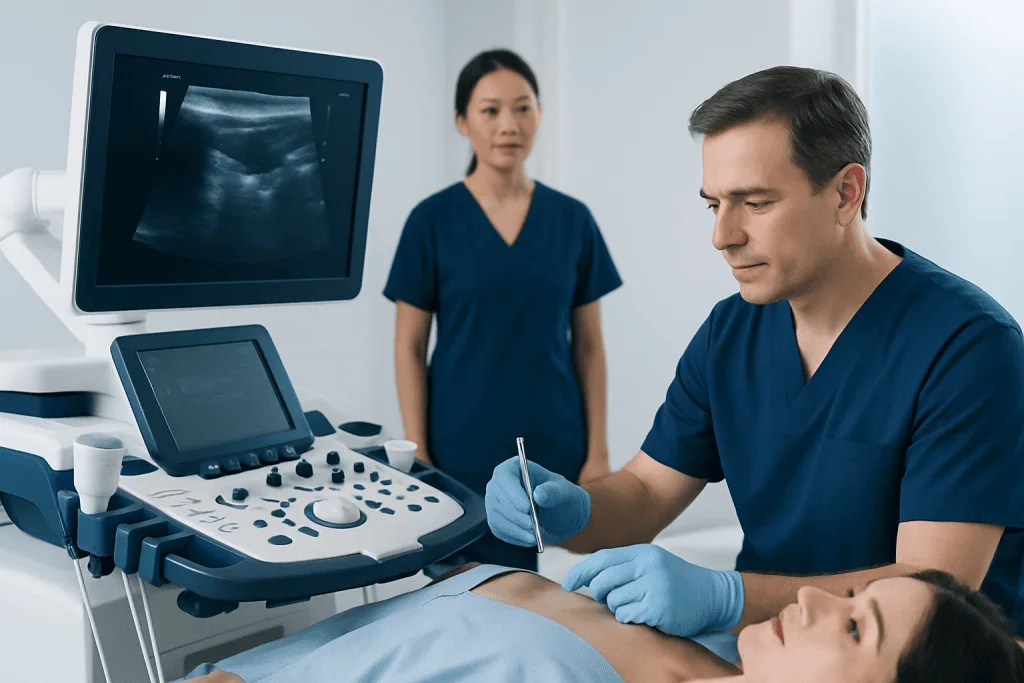
Doctors recommend a biopsy when other information suggests that tissue needs a closer look under a microscope. This may happen after a physical exam finds a lump, after blood tests suggest inflammation or organ dysfunction, or after imaging such as ultrasound, mammography, CT, or MRI shows an area that is unusual.
A biopsy may be used to confirm a diagnosis, determine whether a growth is benign or malignant, assess the stage or type of a disease, or guide treatment planning. In some cases, biopsy results also show how active a disease is or whether treatment is working.
Common reasons for a biopsy include:
- A new or growing lump
- Unexplained skin changes or a mole that has changed
- Abnormal bleeding from the stomach, bowel, uterus, bladder, or lungs
- A persistent sore, ulcer, or swollen lymph node
- An abnormal screening or imaging result
- Monitoring known conditions such as liver, kidney, or bone marrow disorders
Because a biopsy provides direct tissue information, it often answers questions that scans and blood tests alone cannot fully resolve. This is why it remains one of the most important diagnostic tools in modern medicine.
Symptoms linked to a bypsee work-up

When people ask about “bypsee symptoms,” they are usually referring to the symptoms that lead to a biopsy being ordered. These symptoms vary widely depending on the body area involved. For example, a skin biopsy may follow a changing mole, while a breast biopsy may follow a new lump or an abnormal mammogram.
Possible symptoms or signs that can lead to biopsy include unexplained pain, swelling, persistent cough, difficulty swallowing, unusual vaginal bleeding, blood in stool or urine, enlarged lymph nodes, or long-lasting fatigue associated with abnormal test results. Some people have no symptoms at all and only learn that a biopsy is needed after routine screening.
Symptoms after the biopsy itself are usually mild and short-lived. A person may notice soreness, minor bruising, slight bleeding, or temporary swelling at the biopsy site. The care team will explain which reactions are expected and which signs, such as fever, increasing redness, or heavy bleeding, should prompt medical advice.
Types of biopsy and how the procedure is done
There are several biopsy methods, and the best choice depends on where the abnormal tissue is located. A needle biopsy uses a thin or core needle to remove cells or a small tissue sample through the skin, often with ultrasound or CT guidance. A skin biopsy removes a small area of skin under local anesthetic. Endoscopic biopsy uses a flexible scope to sample tissue from the digestive tract, airways, or bladder.
In other situations, a doctor may recommend an incisional biopsy, which removes part of a lesion, or an excisional biopsy, which removes the whole area. Bone marrow biopsy, liver biopsy, prostate biopsy, and lymph node biopsy are examples of organ-specific procedures with tailored techniques. If a deeper area needs to be sampled, imaging-guided methods or interventional radiology may help improve precision.
Before the procedure, the medical team usually reviews medicines, allergies, bleeding risk, and any relevant scans or blood tests. During the biopsy, local anesthetic, sedation, or occasionally general anesthesia may be used. Afterward, the tissue goes to a pathology laboratory, where specialists examine it and sometimes perform additional tests to clarify the diagnosis.
Some biopsies are performed in a clinic setting, while others take place in a hospital or day procedure unit. If a person is having a digestive biopsy through endoscopy, related services such as endoscopy may be part of the diagnostic process. For breast findings, image-guided sampling may be coordinated alongside breast biopsy techniques when appropriate.
Risks, recovery, and getting results
Biopsies are generally safe, but every procedure has some risk. The most common effects are mild pain, bruising, or small amounts of bleeding. Less commonly, infection, more significant bleeding, or injury to a nearby structure can occur, particularly with deeper or more complex biopsies. The doctor explains the specific risks based on the organ being sampled.
Recovery depends on the type of biopsy. A simple skin or needle biopsy may need only a bandage and a short period of rest. Deeper biopsies may require observation for a few hours, temporary activity restrictions, or follow-up imaging. Keeping the area clean and following wound-care instructions can reduce complications.
Biopsy results are interpreted by a pathologist and usually take several days, although timing varies depending on the tests required. Results may show normal tissue, inflammation, infection, precancerous changes, or cancer. If cancer is found, the report may include details about the type, grade, and features that help doctors choose the most suitable treatment plan.
Treatment after a biopsy: what happens next
A biopsy itself is mainly a diagnostic step, so treatment depends on what the tissue shows. If the result is benign, the doctor may simply recommend monitoring, repeat imaging, or treatment of the underlying noncancerous condition. If infection or inflammation is found, treatment may involve medicines and follow-up to ensure the area improves.
If the biopsy confirms cancer or a precancerous condition, the next step is usually a more detailed treatment plan. This may include surgery, systemic therapy, radiation therapy, or a combination. For example, treatment pathways may involve oncology care and discussion with surgeons, radiologists, pathologists, and other specialists in a multidisciplinary team.
Some biopsies can remove all of a small abnormal area at the same time, especially in the skin or superficial tissues. In other cases, the biopsy only samples the area and a separate procedure is needed for treatment. The doctor will explain clearly whether the biopsy was purely diagnostic or also partly therapeutic.
Near the end of the diagnostic journey, some patients seek coordinated care across specialties. Acibadem International’s multidisciplinary specialists and JCI-accredited hospitals diagnose and treat patients who need biopsy-based evaluation and follow-up care, including international patients.
When to seek medical care
Medical advice should be sought if there is a new lump, a sore that does not heal, persistent unexplained pain, unusual bleeding, blood in urine or stool, a changing mole, or an abnormal test result that needs clarification. These signs do not always mean a serious condition, but they do deserve proper assessment.
After a biopsy, prompt review is important if there is heavy bleeding, fever, spreading redness, worsening pain, drainage from the site, shortness of breath, or any symptom the care team specifically warned about. These problems are not common, but early attention can help prevent complications.
It is also reasonable to ask for medical advice if pathology results are unclear or if a person wants help understanding what the findings mean. Clear communication about the result, the need for further testing, and the next treatment steps can make the process less stressful and more manageable.
Frequently asked questions
Is bypsee the same as biopsy?
In most cases, yes. “Bypsee” is commonly a misspelling or spoken version of the word biopsy. A biopsy is a medical test that removes a small tissue or cell sample so it can be examined in a laboratory.
Does having a biopsy mean cancer is likely?
No. A biopsy is used to investigate many different conditions, including infection, inflammation, cysts, benign growths, and cancer. The reason for the biopsy is to get a clear diagnosis rather than to assume a serious disease is present.
Is a biopsy painful?
Many biopsies cause only mild discomfort because local anesthetic is often used to numb the area. Some pressure, brief stinging, or soreness afterward can occur. The amount of discomfort depends on the biopsy type and the body part involved.
How long does it take to get biopsy results?
Results often take a few days, but timing can vary. Some samples need special staining or additional testing, which can take longer. The doctor or pathology team usually explains the expected time frame.
What should a person do after a biopsy?
The main steps are to follow wound-care instructions, keep the area clean, and avoid activities the doctor says could cause bleeding or strain. It is also important to watch for warning signs such as fever, worsening pain, or persistent bleeding and report them promptly.
Can a biopsy remove the problem completely?
Sometimes it can, especially if the abnormal area is very small and fully removed during the procedure. In many cases, however, a biopsy only takes a sample to make a diagnosis. Further treatment may or may not be needed depending on the result.
References
This article is for general information only and is not a substitute for professional medical advice. Please consult a qualified doctor about your individual situation.
Oncology care in Turkey — second opinion and treatment plan
JCI-accredited · board-certified surgeons · reply within 24h
Add us as a Preferred Source to see more of our trusted health content across Google Search, AI Overviews and Discover.

More from the Health Library

Karo Syrup for Babies: An Evidence-Based Guide for Patients
Chromium Picolinate — Explained by Medical Evidence, Not Myths

Immunoglobulin M: What Patients Need to Know

Boutonniere Deformity: What Patients Need to Know
Coconut Oil for Skin: A Complete Medical Overview