C-pap: An Evidence-Based Guide for Patients
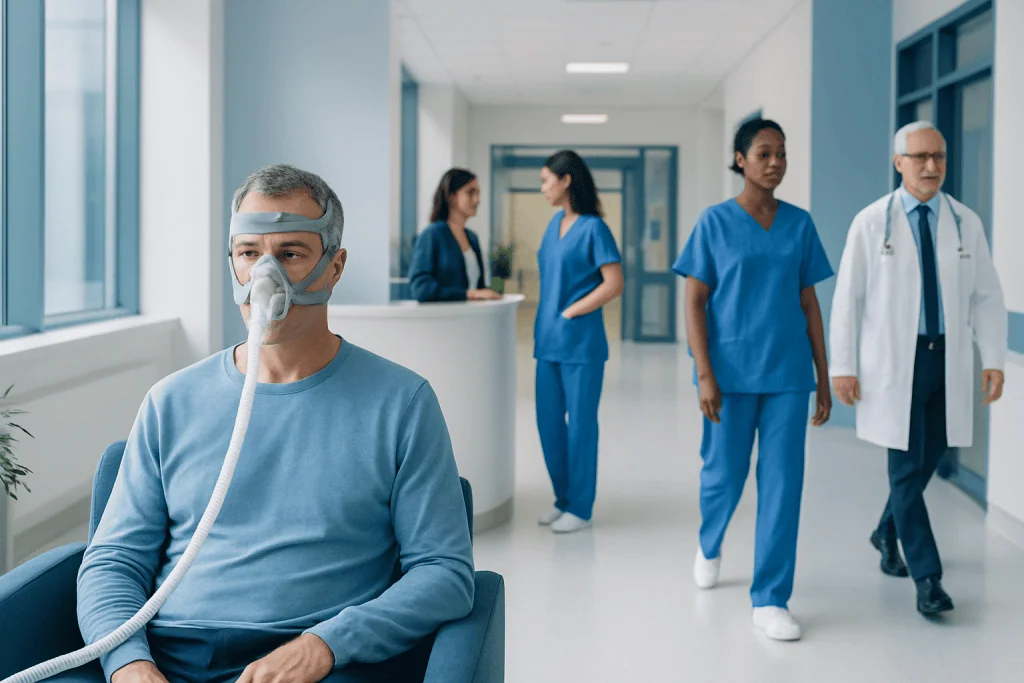
C-PAP stands for continuous positive airway pressure and is commonly used for obstructive sleep apnea. The device does not breathe for the person; it gently splints the upper airway open while they breathe naturally.
Key Takeaways
- C-PAP stands for continuous positive airway pressure and is commonly used for obstructive sleep apnea.
- The device does not breathe for the person; it gently splints the upper airway open while they breathe naturally.
- Mask comfort, correct fit, humidification, and gradual adjustment can make regular use easier.
- A sleep assessment and clinician-guided pressure settings are important for safe, effective treatment.
- Persistent sleepiness, mask problems, or new symptoms should be discussed with a healthcare professional.
C-PAP, more commonly written as CPAP, is a treatment that delivers a steady stream of pressurized air through a mask during sleep. It is the most widely used treatment for obstructive sleep apnea and can improve breathing, sleep quality, and daytime alertness when used consistently.
C-PAP at a Glance
C-PAP, also called CPAP, stands for continuous positive airway pressure. It is a sleep therapy that delivers a gentle, constant flow of air through a mask, tubing, and a small bedside machine. The air pressure helps prevent the upper airway from narrowing or closing while a person sleeps.
CPAP is most often prescribed for obstructive sleep apnea (OSA), a condition in which throat muscles relax during sleep and repeatedly block airflow. These pauses may lead to snoring, gasping, fragmented sleep, low oxygen levels, and daytime fatigue. CPAP is not a sedative, oxygen treatment, or ventilator for most users; the person continues to breathe independently, while the device supports an open airway.
For many people with moderate to severe OSA, CPAP is considered a first-line treatment because it works when it is worn properly and regularly. Its benefits depend not only on the prescribed settings, but also on a comfortable mask, good sleep habits, follow-up care, and consistent use throughout sleep.
How C-PAP Works and What It Can Improve
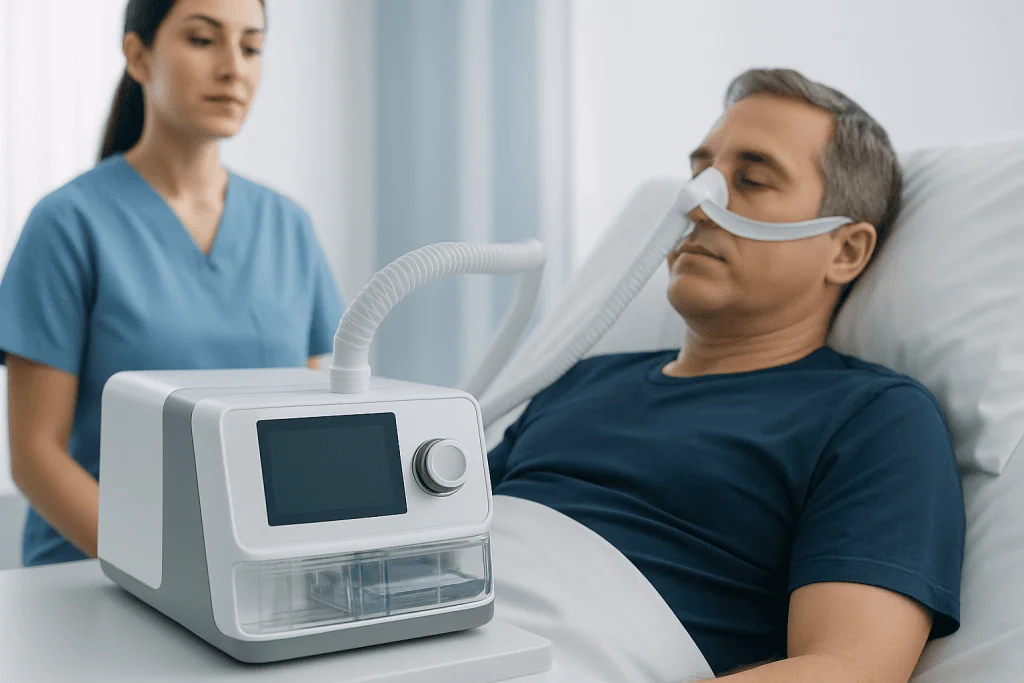
During sleep, the tissues at the back of the throat can relax, especially when a person lies on their back. In obstructive sleep apnea, this may partly or completely block the airway. CPAP creates a small column of air that acts like an internal support, helping keep the airway open during both inhalation and exhalation.
When treatment is effective, it can reduce breathing interruptions, loud snoring, choking sensations, and repeated awakenings. Many people notice better sleep continuity and improved daytime concentration or energy. Some improvements are apparent within days, while others develop over several weeks as sleep becomes more restorative.
CPAP may also help reduce the strain that untreated OSA can place on the cardiovascular system. However, it should be viewed as one part of a personalized health plan rather than a replacement for medical care, physical activity, weight management where appropriate, or treatment for related conditions such as high blood pressure.
- Fixed-pressure CPAP: delivers one prescribed pressure throughout the night.
- Auto-adjusting PAP (APAP): varies pressure within a clinician-set range in response to breathing patterns.
- Bilevel PAP (BiPAP): uses different pressures for breathing in and out and may be considered in selected situations.
Who May Need C-PAP?
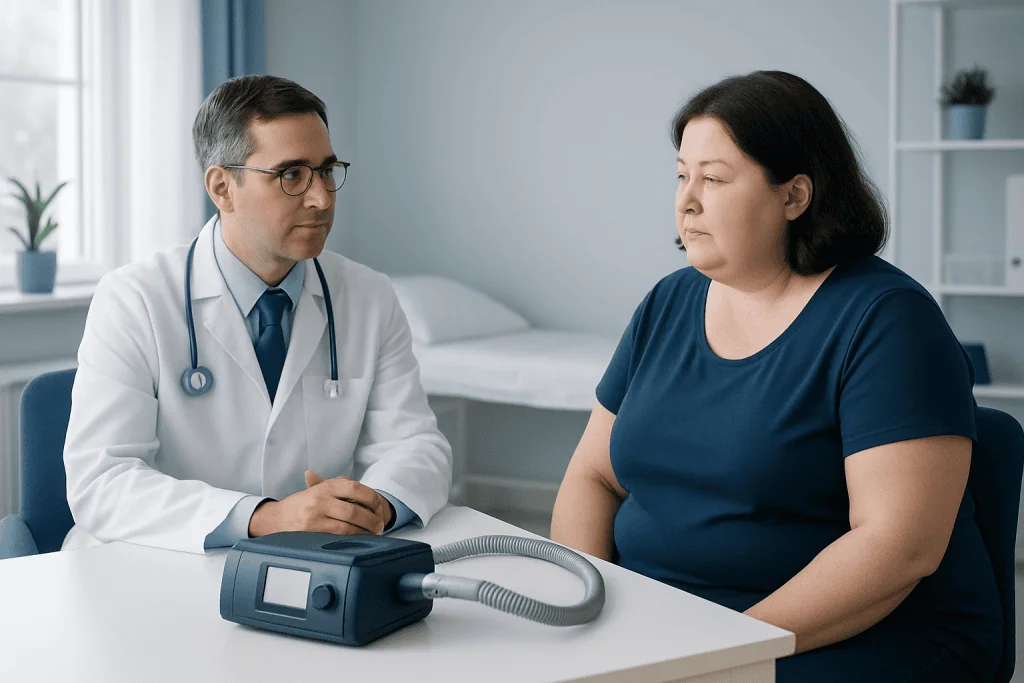
A clinician may recommend CPAP after testing confirms obstructive sleep apnea. A sleep study may be performed overnight in a sleep laboratory or, for appropriate patients, with a home sleep apnea test. The decision considers the number and type of breathing events, oxygen changes, symptoms, medical history, and individual preferences.
Common symptoms that can prompt assessment include frequent loud snoring, witnessed pauses in breathing, waking with gasping or choking, morning headaches, dry mouth, unrefreshing sleep, and excessive daytime sleepiness. Not everyone who snores has sleep apnea, and some people with OSA do not realize that their sleep is disrupted.
Risk factors for OSA include excess body weight, a larger neck circumference, nasal blockage, alcohol use near bedtime, smoking, family history, and anatomical differences involving the jaw, tongue, or throat. OSA can affect people of different body types and ages. It may also occur alongside conditions such as high blood pressure, heart disease, type 2 diabetes, or stroke.
Central sleep apnea is different from OSA because it involves reduced breathing effort from the brain’s breathing control centers rather than physical airway blockage. It requires careful medical evaluation, and the most suitable positive airway pressure approach may differ. A sleep specialist can determine whether CPAP is appropriate for a person’s specific diagnosis.
Starting Treatment: Equipment, Setup, and Adjustment
A standard CPAP system includes a machine, flexible tubing, a mask, and a power supply. Masks come in several styles: nasal masks cover the nose, nasal pillows rest at the nostrils, and full-face masks cover the nose and mouth. The best choice depends on facial shape, sleeping position, comfort, nasal breathing, and whether a person tends to breathe through the mouth at night.
Pressure settings should be prescribed or reviewed by a qualified clinician. Modern devices often record information such as hours of use, mask leak, and residual breathing events. This data can help a care team identify practical barriers and decide whether adjustments are needed. People should not independently change prescribed settings unless instructed by their treating team.
It is normal to need an adjustment period. Wearing the mask for a short time while awake, such as while reading or watching television, can help a person become familiar with the sensation. Some devices have a ramp feature that starts at a lower pressure and gradually rises after bedtime. Heated humidification may reduce dryness or nasal irritation for some users.
For international patients who require assessment or follow-up, Acibadem International’s multidisciplinary specialists and JCI-accredited hospitals diagnose and treat sleep-related breathing conditions, including obstructive sleep apnea, with individualized care planning.
Common C-PAP Challenges and Practical Solutions
Initial discomfort does not mean CPAP will not work. The most frequent concerns are a mask that feels tight, air leaking around the seal, nasal stuffiness, dry mouth, skin irritation, or difficulty falling asleep with the equipment. These problems are usually manageable with assessment and small adjustments rather than stopping treatment.
A mask should be secure but not overly tight. Excessive tightening can worsen leaks and leave pressure marks. A clinician or equipment provider can check mask size and style, adjust headgear, or suggest a mask liner. If air escapes from the mouth while using a nasal mask, the care team may discuss strategies such as treating nasal congestion, trying a chin strap, or changing mask type.
Dry nose or throat may improve with heated humidification, adequate fluid intake during the day, and attention to room air dryness. Nasal saline products may help some people, but persistent congestion should be discussed with a clinician, particularly before using medicated nasal sprays. Claustrophobia or anxiety can often improve through gradual daytime practice and supportive coaching.
Regular cleaning helps maintain comfort and function. The mask cushion should be cleaned according to manufacturer instructions, and the water chamber should use the recommended water type and be emptied regularly. Filters, tubing, and mask components need replacement on the schedule advised by the manufacturer or care provider. Avoid unapproved cleaning methods that could damage equipment or leave irritating residues.
Supporting C-PAP With Sleep and Lifestyle Care
CPAP treats the airway obstruction while the device is being used, but it does not permanently cure OSA. Stopping treatment can allow breathing interruptions to return. Using CPAP for the entire time spent asleep, including naps, gives the best opportunity for consistent symptom control.
Healthy sleep habits can support treatment. A regular sleep schedule, a quiet and comfortable bedroom, and limiting alcohol close to bedtime may reduce sleep disruption. Alcohol and sedating medicines can relax upper-airway muscles or alter breathing; people should ask their clinician or pharmacist about medicines that may affect sleep apnea, rather than stopping prescribed medication on their own.
For people with excess weight, gradual, sustainable weight management may lessen OSA severity and improve overall health. Exercise, balanced nutrition, smoking cessation, and treatment of nasal allergies or reflux can also be useful for some individuals. Even if symptoms improve after lifestyle changes, a clinician should confirm whether CPAP settings or ongoing treatment need to be changed.
Travel is usually possible with CPAP. It is helpful to carry the machine in hand luggage, bring the power supply and mask, and plan for electrical adapters when needed. People should check airline and destination requirements in advance, especially if they may need to use the device during a flight or in areas with limited electricity.
When to Seek Medical Care
Anyone with loud habitual snoring, observed breathing pauses, repeated nighttime choking, or significant daytime sleepiness should arrange a medical assessment. This is especially important when sleepiness affects driving, work, concentration, or safety. A clinician can identify whether sleep apnea or another sleep, heart, lung, or neurological condition may be contributing.
People already using CPAP should contact their care team if they remain very sleepy despite regular use, wake feeling short of breath, have persistent headaches, experience painful skin injury from the mask, or cannot tolerate the therapy. Downloaded device information and a review of mask fit, sleep duration, medications, and underlying conditions can help identify the cause.
Urgent medical advice is appropriate for severe or worsening shortness of breath, chest pain, fainting, blue or gray lips, or confusion. These symptoms are not expected effects of routine CPAP use and need prompt clinical evaluation. A person should also seek advice before using CPAP if they have had recent facial surgery or trauma, certain ear or sinus problems, or a new serious respiratory illness.
Frequently asked questions
What is the difference between C-PAP and CPAP?
There is no practical difference. C-PAP and CPAP are both used to describe continuous positive airway pressure therapy. CPAP is the more common clinical abbreviation.
Does C-PAP provide oxygen?
Standard CPAP uses room air that is pressurized to keep the airway open; it does not routinely add oxygen. Some people have separate oxygen needs due to lung or heart conditions, and this must be assessed and prescribed by a clinician.
How long does it take to get used to C-PAP?
Adjustment varies from person to person. Some people adapt within a few nights, while others need several weeks of mask fitting, humidification changes, or gradual practice. Ongoing difficulty should be discussed with the sleep care team rather than simply discontinuing therapy.
Can a person use C-PAP if they have a cold or blocked nose?
Many people can continue treatment during a mild cold, particularly with humidification and advice about managing nasal symptoms. However, severe congestion, significant sinus or ear pain, or a respiratory infection may make use difficult. A healthcare professional can provide individualized guidance.
Is C-PAP treatment lifelong?
CPAP is commonly needed for as long as obstructive sleep apnea remains present. Weight changes, upper-airway surgery, oral appliance treatment, or changes in health can affect the condition, but treatment should only be reduced or stopped after reassessment by a qualified clinician.
What should a person do if their C-PAP mask leaks?
First, the person should check that the mask is clean, correctly assembled, and fitted without excessive tightening. Changing sleep position, replacing worn cushions, or trying a different mask style may help. Persistent leaks should be reviewed by the equipment provider or sleep clinic because they can reduce comfort and treatment effectiveness.
References
- American Academy of Sleep Medicine
- National Heart, Lung, and Blood Institute
- Mayo Clinic
- National Institute of Neurological Disorders and Stroke
- European Respiratory Society
This article is for general information only and is not a substitute for professional medical advice. Please consult a qualified doctor about your individual situation.
Explore treatments in Turkey — costs, top hospitals & a free quote
JCI-accredited · board-certified surgeons · reply within 24h
Add us as a Preferred Source to see more of our trusted health content across Google Search, AI Overviews and Discover.
Check your numbers in seconds
BMI, calories, due date, blood pressure and 30+ more clinical calculators — free, instant, doctor-reviewed ranges.