Can Back Pain Make You Constipated? Causes, Explanations, and Next Steps

Back pain and constipation often occur together because of lifestyle changes, muscle tension, or medication effects rather than a dangerous disease. Constipation can also contribute to a feeling of pressure or aching in the lower back.
Key Takeaways
- Back pain and constipation often occur together because of lifestyle changes, muscle tension, or medication effects rather than a dangerous disease.
- Constipation can also contribute to a feeling of pressure or aching in the lower back.
- Red flags include severe pain, fever, vomiting, weakness, numbness, trouble urinating, or loss of bowel control.
- Doctors usually assess symptoms, medicines, bowel habits, and nerve function before deciding whether tests are needed.
- Self-care may help mild cases, but persistent or worsening symptoms should be reviewed by a doctor.
Yes, back pain can sometimes be linked with constipation, and in many cases the connection is harmless and temporary. Common reasons include reduced movement, muscle tension, dehydration, and pain medicines, but certain warning signs can point to a condition that needs medical evaluation.
Overview: Is There a Real Link?
Yes, back pain can make a person feel constipated in some situations, and constipation can also make back discomfort more noticeable. Most often, this happens for practical reasons rather than a serious illness. Pain can lead to less movement, tighter muscles, lower fluid intake, or short-term use of medicines that slow the bowels.
At the same time, constipation may cause bloating, abdominal pressure, and a heavy sensation in the pelvis or lower back. This can make existing back pain feel worse. In many people, the two symptoms improve once the bowel problem settles and normal activity returns.
Still, the combination should not always be dismissed. In a smaller number of cases, back pain and constipation happen together because of a nerve problem, a digestive condition, or another illness affecting the abdomen, pelvis, or spine. The key is to look at the full symptom pattern, especially any red flags.
How Back Pain and Constipation Can Affect Each Other
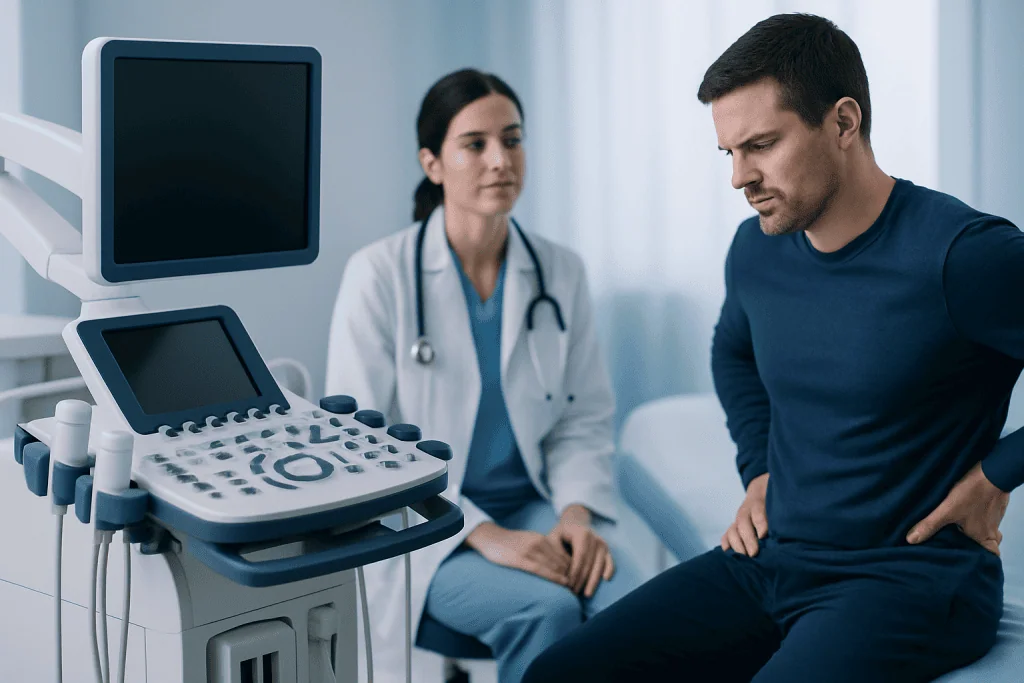
The relationship can work in both directions. A painful back may make bending, walking, or exercising uncomfortable. When a person moves less, the bowels may also move more slowly. Pain can also make someone avoid using the toilet because straining or sitting down feels uncomfortable, which may worsen constipation over time.
Muscle tension is another common factor. Tight muscles in the lower back, abdomen, and pelvic floor can make it harder to relax during a bowel movement. Some people do not realize that holding the body stiffly because of pain can interfere with normal bowel function.
Constipation itself can trigger or increase back discomfort. A large amount of stool in the colon can create pressure, bloating, and cramping. This pressure may be felt in the lower abdomen, pelvis, or lower back. In people who already have a spinal condition such as a herniated disc, the added tension may make symptoms feel more noticeable even if constipation is not the primary cause.
Medicines are also important. Opioid pain relievers are a well-known cause of constipation, but some muscle relaxants, iron supplements, and other medicines may contribute as well. When symptoms begin after starting a new treatment, a doctor may review whether the medication is playing a role.
Common Causes and Risk Factors
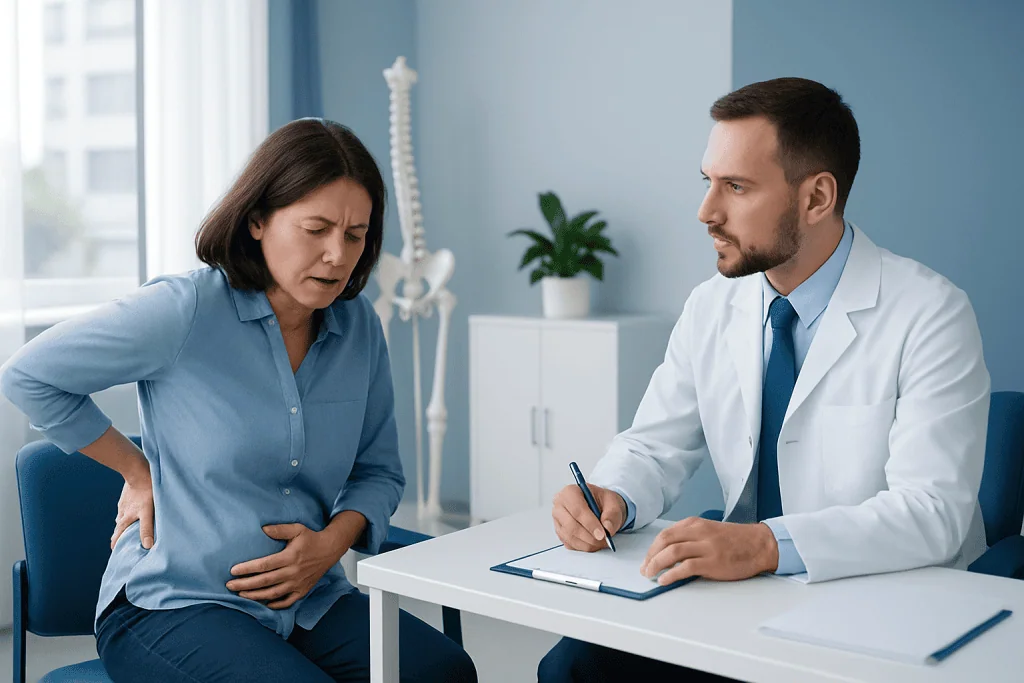
Many everyday factors can explain why back pain and constipation appear at the same time. Reduced physical activity after an injury, long hours of sitting, dehydration, low fiber intake, travel, changes in routine, and stress can all slow bowel movements. If back pain leads to bed rest or avoiding exercise, constipation may follow within days.
Medication-related constipation is very common. Opioid pain medicines are the clearest example, but anti-inflammatory medicines may also indirectly affect bowel habits if they cause stomach upset and reduce appetite or fluid intake. A doctor may adjust treatment plans or suggest alternatives when needed, including approaches used in physical therapy and rehabilitation to improve movement and reduce pain without relying only on medicines.
Sometimes the cause is a medical condition rather than simple lifestyle changes. Examples include irritable bowel problems, thyroid disorders, pregnancy, pelvic floor dysfunction, and some neurologic conditions. Structural spine issues may matter if they affect the nerves involved in bowel function, although this is much less common than ordinary constipation.
Older age, previous episodes of constipation, chronic pain, and recovery after surgery can also raise the risk. People with known spine disorders, such as spinal stenosis, may understandably worry when constipation happens, but most cases are still due to routine factors rather than direct nerve damage.
Warning Signs That Need Medical Review
Although the symptom combination is often harmless, some situations need prompt medical attention. Severe or sudden back pain with new constipation may suggest a problem beyond routine bowel slowdown. The same is true if there is fever, persistent vomiting, a swollen abdomen, blood in the stool, or inability to pass gas.
Doctors are especially concerned about signs of nerve involvement. These include new leg weakness, numbness around the buttocks or inner thighs, difficulty starting urination, urinary retention, or loss of bladder or bowel control. These symptoms can point to a spinal emergency and should be assessed urgently.
Unexplained weight loss, pain that wakes a person from sleep, a history of cancer, or back pain after a significant fall or injury also deserve timely evaluation. If constipation lasts more than a couple of weeks, keeps coming back, or does not improve with usual measures, it is reasonable to arrange a medical review.
- Seek urgent care for loss of bowel or bladder control, saddle numbness, or worsening leg weakness.
- Seek medical advice soon for ongoing constipation, severe abdominal bloating, blood in stool, fever, or unexplained weight loss.
- Review medicines with a doctor if symptoms began after starting pain treatment.
How Doctors Find the Cause
Assessment usually begins with a careful history. A doctor may ask when the symptoms started, which came first, how often bowel movements occur, what the stool looks like, and whether there has been straining, abdominal pain, bloating, or rectal bleeding. They will also ask about medicines, recent injuries, surgery, diet, hydration, and activity level.
A physical examination often includes checking the abdomen for swelling or tenderness and assessing the back, legs, reflexes, and sensation. This helps identify whether symptoms are more likely related to routine constipation, muscular back pain, or a nerve problem that needs faster attention.
Tests are not always necessary for short-term, mild symptoms. However, if red flags are present, a doctor may order blood tests, stool tests, or imaging. In some cases, imaging of the spine such as MRI can help if nerve compression is suspected, while abdominal studies may be used when bowel obstruction or another digestive cause is a concern.
The main goal is not simply to confirm constipation, but to identify whether there is an underlying reason the symptoms are occurring together. This step-by-step approach helps avoid unnecessary alarm while making sure important conditions are not missed.
Treatment and Relief Options
Treatment depends on the cause. If constipation is linked to reduced movement, dehydration, low fiber intake, or short-term pain medicines, doctors often start with practical measures. These may include increasing fluids if appropriate, adding fiber gradually, using regular toilet timing, and encouraging gentle physical activity such as walking.
If medication is contributing, a doctor may review whether it can be changed, reduced, or balanced with constipation-prevention strategies. People should not stop prescribed pain medicines suddenly without medical advice. For ongoing back pain, non-drug options such as posture work, guided exercise, heat, and supervised rehabilitation may also help.
When there is evidence of a spine-related problem, treatment focuses on the underlying condition. This may include targeted rehabilitation, pain management, or specialist assessment for options such as spine surgery when appropriate. If a digestive condition is the main issue, treatment may involve bowel-regulating strategies or care from a gastroenterology team.
At the end of the process, the aim is usually twofold: relieve constipation and reduce the factor that is aggravating the back pain. Acibadem International’s multidisciplinary specialists in JCI-accredited hospitals evaluate both digestive and spine-related causes for international patients when these symptoms need further investigation.
Self-Care and When to Seek Medical Care
For mild symptoms without red flags, a few simple steps may help. Gentle walking, stretching within comfort, adequate hydration, regular meals, and gradual fiber intake can support normal bowel function. A person may also find it helpful to avoid delaying bowel movements and to use a footstool to improve toilet posture.
It is wise to be cautious with prolonged bed rest unless a doctor specifically recommends it. Staying as active as pain allows often helps both the back and the bowels. If symptoms started after a new medicine, keeping a symptom diary can make it easier to discuss patterns with a doctor.
Medical care should be sought promptly if back pain and constipation are severe, persistent, or accompanied by warning signs such as fever, vomiting, abdominal swelling, numbness, weakness, trouble urinating, or loss of bowel control. Even without red flags, professional advice is appropriate when symptoms keep returning or interfere with daily life.
Most people do not have a dangerous cause, and reassurance is often part of treatment. Still, a qualified doctor can decide whether symptoms fit routine constipation, a painful musculoskeletal problem, or a condition that needs further testing.
Frequently asked questions
Can back pain make you constipated even if nothing serious is wrong?
Yes. This often happens because pain leads to less movement, tighter muscles, changes in routine, or use of medicines that slow the bowels. In many cases, symptoms improve once mobility, hydration, and bowel habits return to normal.
Can constipation cause lower back pain?
Yes, it can. Constipation may create pressure, bloating, and cramping that are felt in the lower abdomen, pelvis, or lower back. This can be especially noticeable in people who already have back sensitivity.
When should back pain and constipation be treated as urgent?
Urgent assessment is important if there is loss of bowel or bladder control, numbness around the groin or buttocks, new leg weakness, severe abdominal swelling, fever, or persistent vomiting. These signs may point to a nerve emergency or another serious condition.
How do doctors know whether the cause is digestive or spinal?
Doctors usually look at the timing of symptoms, bowel habits, medicines, abdominal symptoms, and any neurologic signs such as weakness or numbness. The examination may include the abdomen, back, legs, and reflexes. Tests are chosen only if the history or exam suggests they are needed.
What helps if pain medicine is causing constipation?
A doctor may review the medication plan and suggest safer ways to prevent or relieve constipation. This can include lifestyle measures, bowel-supporting strategies, or alternative pain approaches. People should not stop prescribed medicines without medical advice.
How long is too long to wait before seeing a doctor?
If constipation lasts more than a couple of weeks, keeps returning, or does not improve with reasonable self-care, it is a good idea to seek medical advice. Earlier review is best if symptoms are severe or affect eating, sleep, or daily function.
References
- National Institute of Diabetes and Digestive and Kidney Diseases
- National Institute of Neurological Disorders and Stroke
- American College of Gastroenterology
- American Academy of Orthopaedic Surgeons
- Mayo Clinic
This article is for general information only and is not a substitute for professional medical advice. Please consult a qualified doctor about your individual situation.
Persistent digestive symptoms? Get evaluated in Turkey
JCI-accredited · board-certified surgeons · reply within 24h
Add us as a Preferred Source to see more of our trusted health content across Google Search, AI Overviews and Discover.