Can Chemo Cause Breathing Problems: How It Works, Results and What to Expect
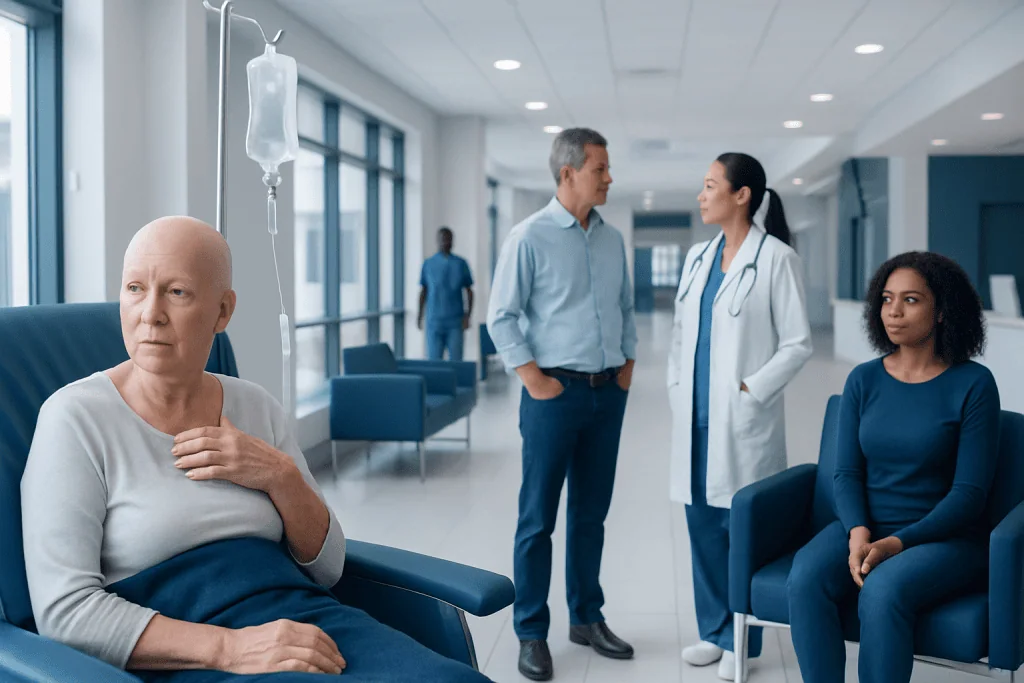
New, worsening or sudden shortness of breath during chemotherapy needs prompt medical assessment. Breathing problems may be linked to lung inflammation, low red blood cells, infection, blood clots, heart effects or cancer-related changes.
Key Takeaways
- New, worsening or sudden shortness of breath during chemotherapy needs prompt medical assessment.
- Breathing problems may be linked to lung inflammation, low red blood cells, infection, blood clots, heart effects or cancer-related changes.
- The duration of breathlessness depends on its cause and can range from brief to persistent without treatment.
- Tests such as oxygen measurements, blood tests and chest imaging help clinicians find the cause safely.
- Do not stop, restart or change chemotherapy medicines without guidance from the oncology team.
Can chemo cause breathing problems? Yes. Some chemotherapy medicines can irritate lung tissue, while treatment-related anemia, infection, blood clots, heart effects or the cancer itself can also cause shortness of breath. Breathlessness during or after chemotherapy should not be self-diagnosed; the oncology team can identify the cause and provide appropriate care.
Overview: can chemo cause breathing problems?
Can chemo cause breathing problems? Yes. Chemotherapy can sometimes cause shortness of breath directly by affecting the lungs, but it can also contribute indirectly through anemia, infection, fluid changes, blood clots or heart-related effects. In people receiving cancer treatment, breathlessness may also be caused by the cancer itself or by another medical condition that is unrelated to chemotherapy.
Shortness of breath is a symptom rather than a diagnosis. It may feel mild, such as becoming winded more easily while walking, or it may be more noticeable at rest. Because some causes need timely treatment, a person should contact their oncology team whenever breathlessness is new, worsening, or different from their usual pattern.
Cancer care teams assess symptoms alongside the chemotherapy regimen, timing of treatment, medical history and examination findings. Many causes can be managed effectively once identified, and early communication helps the team protect both comfort and safety during treatment.
What does chemo do to your lungs?
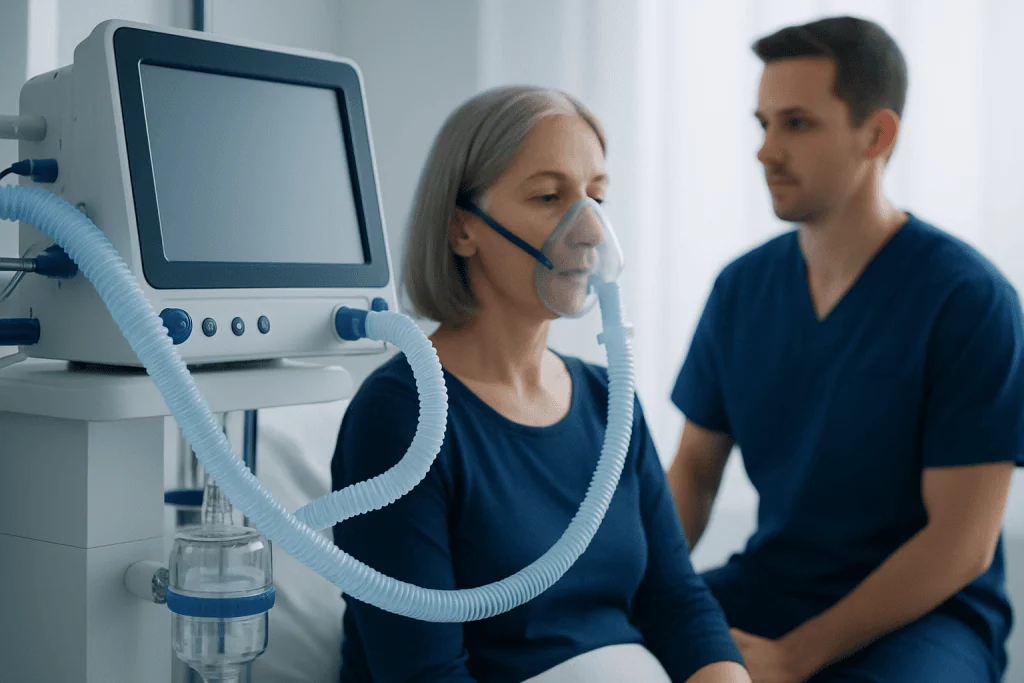
Some chemotherapy medicines can cause inflammation or injury within the lungs. This may involve the air sacs or the supporting tissue between them, sometimes called drug-related pneumonitis or interstitial lung disease. Inflammation can make it harder for oxygen to move from the lungs into the bloodstream, leading to breathlessness, cough or reduced exercise tolerance.
The risk depends on the specific medicine, cumulative treatment exposure, combination treatment, prior chest radiotherapy, smoking history and existing lung disease. Not every person receiving chemotherapy develops lung side effects, and the likelihood varies substantially between medicines. Other cancer treatments, including some immunotherapies and targeted medicines, can also affect the lungs, so the full treatment plan is important when symptoms are assessed.
Chemotherapy can also lower infection-fighting white blood cells. This can increase susceptibility to respiratory infections, including pneumonia, which may cause cough, fever, chest discomfort and shortness of breath. A lower red blood cell count, known as anemia, reduces the blood’s oxygen-carrying capacity and can make ordinary activity feel more difficult.
Less commonly, cancer and its treatment can be associated with blood clots in the lungs, called pulmonary embolism, or with heart-related complications. These conditions require urgent evaluation. Breathlessness should therefore be considered carefully rather than automatically attributed to a routine treatment side effect.
How long does shortness of breath last after chemo?

How long shortness of breath lasts after chemotherapy depends entirely on its cause. Breathlessness related to temporary fatigue, mild anemia or a transient medication effect may improve over days to weeks as blood counts recover and the body recuperates. However, persistent symptoms should be reviewed rather than simply waited out.
If anemia is significant, symptoms may continue until the red blood cell count improves or treatment is provided. An infection may improve with appropriate care, while chemotherapy-related lung inflammation can take weeks or longer to settle and may require specialist-directed treatment. Some lung changes can persist, particularly if inflammation has caused scarring, although this is not the expected outcome for everyone.
Timing can offer useful clues but cannot confirm the cause. Symptoms that arise suddenly, become progressively worse, occur at rest, or develop with fever, chest pain, fainting or a rapid heartbeat need urgent medical attention. The oncology team may adjust treatment timing or investigate before the next chemotherapy cycle if needed.
How clinicians investigate breathlessness during chemotherapy
Assessment begins with a focused history. The clinician may ask when the symptom started, whether it is present at rest or only with activity, whether there is cough or sputum, and whether fever, wheezing, chest pain, leg swelling, dizziness or palpitations are present. They will also review the medicines received, other cancer therapies, previous lung or heart conditions and recent infections.
Initial checks often include a physical examination, pulse and blood pressure, and measurement of oxygen saturation with a fingertip monitor. Blood tests can assess red blood cell counts, white blood cells, kidney function and other indicators that may help explain symptoms. Depending on the situation, a chest X-ray, CT scan, electrocardiogram, echocardiogram or tests for blood clots may be appropriate.
The purpose of testing is to distinguish between causes that can feel similar but need different care. For example, anemia, pneumonia, drug-related lung inflammation and a pulmonary embolism can all cause breathlessness, but their treatment approaches are not the same. A respiratory physician, cardiologist, radiologist or other specialist may join the oncology team when additional expertise is helpful.
What can you do for shortness of breath from chemotherapy?
A person with new or worsening breathlessness should contact their cancer care team before trying to manage it alone. Treatment depends on the underlying cause. The team may arrange testing, treat an infection, address anemia, provide oxygen when medically indicated, manage fluid retention, or review whether chemotherapy or another medicine should be delayed, modified or stopped.
While awaiting clinical advice, practical measures may improve comfort for mild symptoms. These include sitting upright, loosening restrictive clothing, avoiding smoke and strong fumes, pacing activities, taking planned rests and asking for help with physically demanding tasks. Slow breathing techniques may reduce anxiety that can accompany breathlessness, but they should not replace medical assessment.
It is important not to use leftover antibiotics, steroids, inhalers or oxygen without a clinician’s guidance. These treatments can be useful in specific situations but are not suitable for every cause of breathlessness. People with a prescribed inhaler or home oxygen plan should follow their individual instructions and report any change in symptoms.
Nutrition, fluids and gentle movement can support recovery when the care team considers them safe. A physiotherapist or pulmonary rehabilitation professional may recommend breathing exercises and activity strategies for selected patients. The oncology team can coordinate supportive care alongside cancer treatment, including chemotherapy care when a treatment review is needed.
What does shortness of breath from cancer feel like?
Shortness of breath from cancer can feel different from one person to another. Some people describe an inability to take a satisfying deep breath, chest tightness, air hunger, faster breathing or becoming unusually tired during tasks that previously felt easy. Others notice that they need more pillows to sleep comfortably or must pause more often while talking or walking.
Cancer itself may contribute to breathlessness when it affects the lungs, airways, lining around the lungs, blood counts or overall physical strength. In some cases, fluid around the lungs or pressure on airways may play a role. Anxiety can intensify the sensation of breathlessness, but it is important not to assume anxiety is the only cause.
The feeling alone cannot reliably identify the source. A sudden sensation of severe air hunger may indicate an urgent problem, but even mild, gradually increasing symptoms deserve discussion with the care team. Keeping a brief record of when symptoms occur, what triggers them and associated symptoms can help clinicians make an accurate assessment.
When to seek medical care
Contact the oncology team promptly for new breathlessness, a cough that is getting worse, reduced ability to carry out usual activities, wheezing, fever, chills, new swelling in the legs or unexplained fatigue. The team can advise whether same-day review, testing or emergency assessment is needed.
Emergency medical care is appropriate for severe or sudden shortness of breath, breathlessness at rest, chest pain or pressure, coughing up blood, blue or grey lips or face, confusion, fainting, severe dizziness, or a very rapid heartbeat. These symptoms can have several causes, including some that need immediate treatment.
A person should not miss appointments or continue with the next treatment cycle without reporting significant respiratory symptoms. Acibadem International’s multidisciplinary specialists and JCI-accredited hospitals can assess cancer-related breathing concerns and coordinate oncology, respiratory and supportive care for international patients.
Frequently asked questions
Can chemo cause breathing problems even if the lungs were healthy before treatment?
Yes. Some chemotherapy medicines can affect lung tissue even in people without a prior lung condition. However, new breathlessness may also be due to anemia, infection, blood clots, heart issues or the cancer itself, so clinical assessment is important.
How long does shortness of breath last after chemo?
It may last days to weeks when related to temporary treatment effects or low blood counts, but the timeframe varies widely. Symptoms can last longer when caused by lung inflammation or another condition that needs treatment. Persistent or worsening breathlessness should be reported to the oncology team.
What does chemo do to your lungs?
Certain chemotherapy medicines can irritate or inflame lung tissue, which may affect oxygen exchange and cause cough or breathlessness. Chemotherapy can also lower immune defenses, increasing the risk of respiratory infection. The specific risk depends on the medicine and a person's overall health.
What can you do for shortness of breath from chemotherapy?
The most important step is to notify the cancer care team so the cause can be identified and treated. Sitting upright, pacing activity and avoiding smoke may help with comfort, but these measures do not replace medical assessment. Do not start medicines or use oxygen unless they have been prescribed or advised by a clinician.
What does shortness of breath from cancer feel like?
It may feel like air hunger, chest tightness, fast breathing, difficulty taking a full breath or becoming winded with light activity. Some people also notice fatigue, cough or a need to rest more often. The sensation does not reveal the cause, so new symptoms should be discussed with a clinician.
Should chemotherapy be stopped if breathing problems develop?
A person should not stop chemotherapy independently. The oncology team will assess the symptoms and decide whether treatment should continue, be delayed, be adjusted or be changed. This decision depends on the suspected cause, symptom severity and the overall treatment plan.
References
- National Cancer Institute
- American Cancer Society
- American Society of Clinical Oncology
- European Society for Medical Oncology
- American Lung Association
This article is for general information only and is not a substitute for professional medical advice. Please consult a qualified doctor about your individual situation.
Oncology care in Turkey — second opinion and treatment plan
JCI-accredited · board-certified surgeons · reply within 24h
Add us as a Preferred Source to see more of our trusted health content across Google Search, AI Overviews and Discover.
Check your numbers in seconds
BMI, calories, due date, blood pressure and 30+ more clinical calculators — free, instant, doctor-reviewed ranges.