

Can Constipation Cause Back Pain? Causes, Explanations, and Next Steps

Constipation can sometimes lead to lower back pain, especially when stool builds up or straining increases pressure. This combination of symptoms is often harmless and short-lived, but severe pain or red-flag symptoms need medical review.
Key Takeaways
- Constipation can sometimes lead to lower back pain, especially when stool builds up or straining increases pressure.
- This combination of symptoms is often harmless and short-lived, but severe pain or red-flag symptoms need medical review.
- Doctors look at bowel habits, diet, medications, abdominal symptoms, and the pattern of back pain to find the cause.
- Treatment focuses on relieving constipation safely and checking for related digestive, pelvic, or spine conditions when needed.
- Hydration, fiber, movement, and regular toilet habits can help prevent constipation-related discomfort.
Yes, constipation can cause back pain, and in many cases it is temporary and improves once bowel movements become easier. Back discomfort may happen because stool buildup, bloating, and straining increase pressure in the abdomen and pelvis, though certain warning signs mean a doctor should evaluate it promptly.
Overview: Can constipation cause back pain?
Yes, constipation can cause back pain. For many people, this happens when stool stays in the colon for too long, leading to bloating, fullness, and pressure that can be felt in the lower abdomen, pelvis, or lower back. The discomfort is often mild to moderate and improves after the bowels begin moving normally again.
In most cases, this symptom pattern is not a sign of a serious emergency. A hard bowel movement, several days without passing stool, and repeated straining can all create discomfort around the lower back muscles and nearby nerves. Some people also notice cramping or a heavy sensation rather than sharp pain.
That said, constipation and back pain do not always come from constipation alone. Sometimes both symptoms happen together because of another issue, such as medication side effects, irritable bowel problems, dehydration, reduced mobility, or less commonly an intestinal blockage or a spine-related problem. The main question is whether the symptoms are improving with simple constipation care or whether they are intense, persistent, or accompanied by warning signs.
Understanding how constipation affects the body can help people decide when self-care is reasonable and when medical advice is the safer next step.
Why constipation can lead to back discomfort
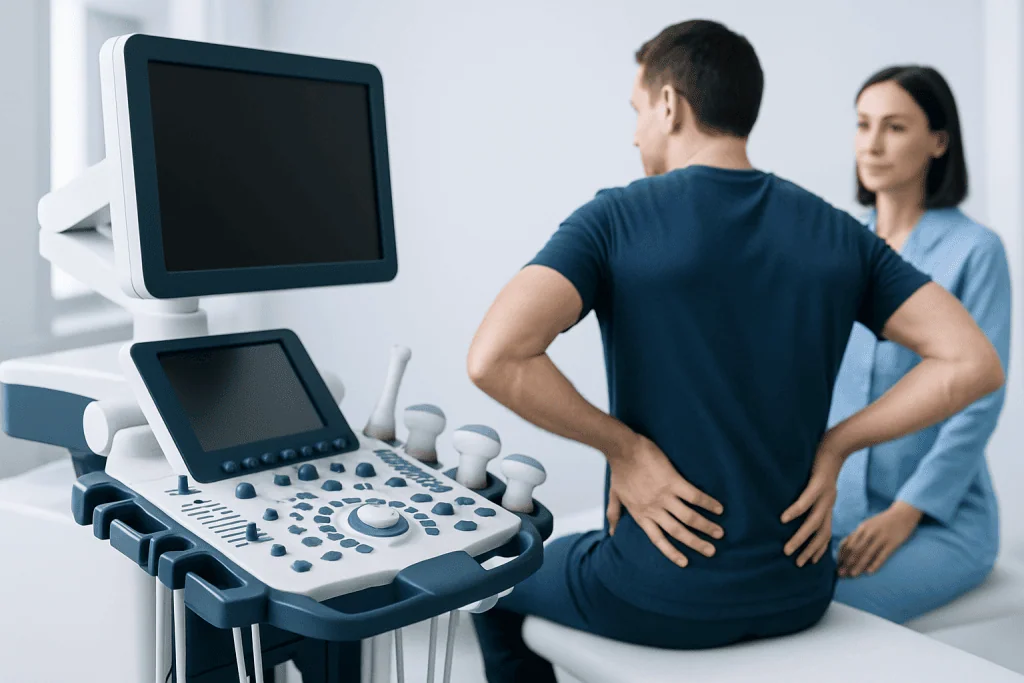
The colon sits within the abdomen and pelvis, close to muscles, connective tissues, and nerves that also influence how the lower back feels. When stool becomes hard and collects in the bowel, it can cause the intestines to stretch. This may create a sensation of pressure that seems to radiate toward the back, especially in the lower lumbar area.
Straining is another common reason. Repeatedly bearing down during a bowel movement increases pressure inside the abdomen and can tighten the pelvic floor and lower back muscles. This muscular tension may leave the back feeling sore, achy, or fatigued even if there is no injury to the spine itself.
Bloating can add to the problem. Gas and stool retention can make the abdomen feel distended, which may subtly change posture and place extra stress on the back muscles. In some people, especially those who already have chronic back sensitivity, even temporary digestive discomfort can make back symptoms more noticeable.
There are also situations in which constipation and back pain share the same underlying cause rather than one directly causing the other. Examples include reduced activity after an injury, dehydration, certain pain medicines, pelvic floor dysfunction, and some digestive disorders such as irritable bowel syndrome.
Common symptoms and what the pain may feel like
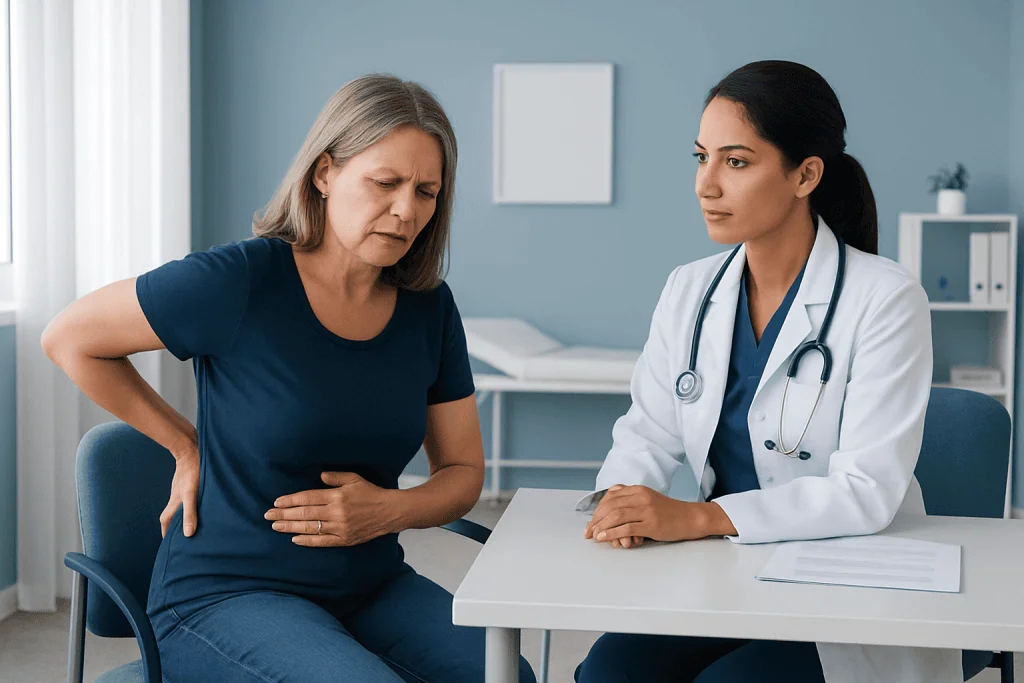
Constipation usually means having fewer bowel movements than is normal for the individual, passing hard or lumpy stools, feeling that stool is difficult to pass, or having a sensation of incomplete emptying. Some people also notice abdominal bloating, cramping, nausea, or reduced appetite.
When back pain is related to constipation, it is more often felt in the lower back than the upper back. The pain may feel dull, pressing, tight, or cramp-like rather than burning or electric. It may come and go, worsen before a bowel movement, and improve after stool passes or abdominal bloating decreases.
Symptoms that can occur together include:
- Lower abdominal pressure or fullness
- Bloating or excess gas
- Pain with straining
- A sense of heaviness in the pelvis or lower back
- Temporary worsening after several days without a bowel movement
Symptoms are less likely to be due to routine constipation alone if the back pain is severe, constant, wakes the person from sleep, shoots down the leg, or is linked with numbness, weakness, fever, vomiting, blood in the stool, or unexplained weight loss. Those features suggest the need for medical assessment.
Other causes that may explain both constipation and back pain
Although constipation can itself contribute to back pain, doctors also think about conditions that may connect the two symptoms. A common example is medication side effects. Opioid pain relievers, some antacids, iron supplements, and certain antidepressants can slow the bowels, while the original reason for taking the medicine may also affect activity levels and muscle comfort.
Muscle strain and reduced movement can play a role as well. Someone with back pain may move less, drink less water, or change eating habits, which can make constipation more likely. In this situation, the back pain may come first and the constipation may follow.
Digestive and pelvic conditions can also overlap with these symptoms. These include hemorrhoids, pelvic floor dysfunction, irritable bowel syndrome, and occasionally bowel obstruction, which is a medical emergency when accompanied by severe pain, vomiting, and inability to pass gas or stool. Another related but distinct condition is appendicitis, which usually causes abdominal pain rather than simple constipation-related backache.
In older adults, people with significant medical conditions, or those with new and persistent bowel changes, clinicians may also consider metabolic, neurologic, or structural causes. That is why a symptom pattern that keeps returning or does not respond to basic treatment should be discussed with a qualified doctor.
How a doctor evaluates constipation with back pain
Medical evaluation usually starts with a careful history. A doctor may ask when the constipation began, how often bowel movements occur, whether the stools are hard or painful to pass, what the back pain feels like, and whether there are other symptoms such as fever, vomiting, blood in the stool, urinary symptoms, numbness, or recent weight loss. Diet, fluid intake, daily movement, stress, and current medications are also important clues.
The physical exam often includes checking the abdomen for bloating, tenderness, or signs of stool buildup, as well as assessing the back and sometimes the rectal area when needed. This helps the clinician judge whether symptoms are more likely due to ordinary constipation, muscular strain, fecal impaction, or another condition affecting the digestive tract, pelvis, or spine.
Tests are not always necessary, especially if symptoms are mild and clearly fit uncomplicated constipation. When symptoms are persistent, severe, or associated with red flags, a doctor may order blood tests, stool tests, abdominal imaging, or spine-related evaluation depending on the situation. In some cases, doctors also consider endoscopic assessment such as colonoscopy if there are concerning bowel changes or age-related screening needs.
The goal is not only to relieve symptoms but also to make sure an important diagnosis is not missed. Prompt evaluation is especially important if constipation is new, significant, and out of character for the person.
Treatment options and self-care that may help
Treatment depends on the cause, but many people improve with simple measures that soften stool and reduce straining. Drinking enough fluids, increasing dietary fiber gradually, staying physically active, and allowing time for unhurried toilet visits can all help bowel movements become more regular. Some people also benefit from a short period of over-the-counter constipation treatment, though it is best used according to package directions or medical advice.
If hard stool is causing pressure and back discomfort, symptom relief often follows once the bowel empties more normally. Gentle movement, stretching, and heat applied to tense back muscles may also ease the muscular component of pain. If medications are contributing, a doctor may review whether safer alternatives or supportive bowel strategies are appropriate.
When constipation is persistent or complicated, care may need to be more targeted. This can include evaluation for pelvic floor dysfunction, specialist review for chronic digestive symptoms, or procedures if an obstruction or structural issue is suspected. Diagnostic imaging such as MRI scan may be considered if the pain pattern suggests a spinal cause rather than constipation itself.
For people with severe abdominal symptoms, marked distension, or concern for an intestinal problem, urgent hospital assessment may be needed. In selected cases, doctors may use imaging such as CT scan to look for blockage, inflammation, or other causes of pain.
Prevention and daily habits to reduce recurrence
Prevention is often possible with steady daily habits. A balanced diet that includes fruits, vegetables, legumes, and whole grains can support regular bowel movements. Fiber should usually be increased gradually and paired with adequate fluids, since adding a lot of fiber too quickly may worsen bloating for some people.
Regular movement matters. Walking and other routine activity help stimulate normal bowel function and can also support back health by reducing stiffness. Responding to the urge to have a bowel movement rather than delaying it may also help prevent stool from becoming harder and more difficult to pass.
People who are prone to constipation may benefit from reviewing medicines and supplements with a healthcare professional, especially if symptoms started after a new prescription. Travel, stress, and changes in routine can also disrupt bowel habits, so extra attention to hydration, meals, and movement may be useful during those times.
If constipation or back pain becomes recurrent, a structured medical review is worthwhile. Near the end of the care pathway, patients seeking coordinated evaluation may wish to know that Acibadem International’s multidisciplinary specialists and JCI-accredited hospitals diagnose and treat digestive and related conditions for international patients.
When to seek medical care
Medical advice is a good idea if constipation lasts more than a couple of weeks, keeps coming back, or is associated with worsening back pain. A doctor should also assess symptoms if there is pain during bowel movements, new difficulty passing stool despite self-care, or a noticeable change from the person’s usual bowel pattern.
Urgent medical care is important if constipation and back pain happen with severe abdominal pain, persistent vomiting, inability to pass gas, marked abdominal swelling, fever, blood in the stool, black stools, fainting, new weakness, numbness, or trouble controlling the bladder or bowels. These symptoms may point to a condition that needs prompt treatment rather than routine constipation care.
People should also seek prompt evaluation if they are pregnant, older, immunocompromised, have a history of cancer or inflammatory bowel disease, or have significant pain after surgery or a new medication change. When in doubt, it is safer to ask a qualified healthcare professional than to continue straining at home.
Frequently asked questions
Is lower back pain from constipation common?
It is not unusual for constipation to cause lower back discomfort, especially when there is bloating, stool buildup, or repeated straining. The pain is often temporary and tends to improve once bowel movements return to normal.
How do I know if my back pain is from constipation or a spine problem?
Constipation-related back pain often comes with hard stools, bloating, abdominal pressure, and relief after a bowel movement. A spine problem is more likely if pain shoots down the leg, causes numbness or weakness, or is clearly triggered by movement or injury.
Can severe constipation cause strong pain?
Yes, severe constipation can cause significant abdominal and lower back discomfort, particularly if stool becomes impacted. However, intense or escalating pain should not be assumed to be harmless and should be assessed by a doctor.
Will treating constipation usually relieve the back pain?
If constipation is the main cause, easing the constipation often improves the back discomfort as well. Relief may come with hydration, fiber, movement, and appropriate short-term treatment, but persistent pain should be medically evaluated.
When should constipation and back pain be treated as urgent?
Urgent care is important if symptoms occur with severe abdominal pain, vomiting, inability to pass gas, fever, blood in the stool, black stools, fainting, weakness, numbness, or loss of bladder or bowel control. These features can signal something more serious than routine constipation.
Can dehydration contribute to both constipation and back discomfort?
Yes, dehydration can harden stool and make bowel movements harder to pass, which may lead to straining and muscular tension in the lower back. Drinking enough fluids is a basic but important part of prevention and recovery.
References
- National Institute of Diabetes and Digestive and Kidney Diseases
- American College of Gastroenterology
- National Health Service
- Mayo Clinic
- Cleveland Clinic
This article is for general information only and is not a substitute for professional medical advice. Please consult a qualified doctor about your individual situation.
Persistent digestive symptoms? Get evaluated in Turkey
JCI-accredited · board-certified surgeons · reply within 24h
Add us as a Preferred Source to see more of our trusted health content across Google Search, AI Overviews and Discover.

More from the Health Library


Related Specialists

Dr. Kutluhan Demirarslan
Inpatient Clinic Physicians Clinical Service
Prof. Dr. Bülent Tıraş
Gynecology & Obstetrics
Prof. Dr. Erkin Aribal
Breast Clinic Clinical Service
Dt. Memduha Merve Kinay
Oral & Dental Health