Can Constipation Cause Nausea? A Doctor-Reviewed Answer

Constipation can cause nausea by slowing digestion and increasing pressure in the intestines. Mild constipation-related nausea is often temporary and improves when bowel movements return to normal.
Key Takeaways
- Constipation can cause nausea by slowing digestion and increasing pressure in the intestines.
- Mild constipation-related nausea is often temporary and improves when bowel movements return to normal.
- Red flags include persistent vomiting, severe abdominal pain, fever, blood in the stool, and inability to pass gas.
- Doctors diagnose the cause by reviewing symptoms, medications, diet, hydration, and sometimes ordering tests.
- Treatment depends on the cause and may include fluids, fiber changes, movement, or medications recommended by a clinician.
Yes, constipation can cause nausea, and in many cases it happens because stool buildup slows the movement of food and gas through the digestive tract. It is often manageable, but nausea with severe pain, vomiting, a swollen abdomen, or inability to pass gas should be assessed by a doctor promptly.
Overview: can constipation cause nausea?
Yes, constipation can cause nausea. When stool stays in the colon longer than usual, the bowel can become stretched and sluggish, and gas may build up. This can create a sensation of fullness, pressure, reduced appetite, and nausea.
For many people, this is not a sign of a dangerous illness. Short-term constipation related to travel, diet changes, dehydration, stress, or certain medications can temporarily upset the digestive system and lead to nausea. Once bowel movements become easier again, the nausea often improves as well.
However, constipation and nausea should not be ignored if they are intense, keep coming back, or happen with warning signs. A doctor may need to rule out bowel blockage, medication side effects, significant dehydration, or underlying digestive conditions such as irritable bowel syndrome.
Why constipation can lead to nausea
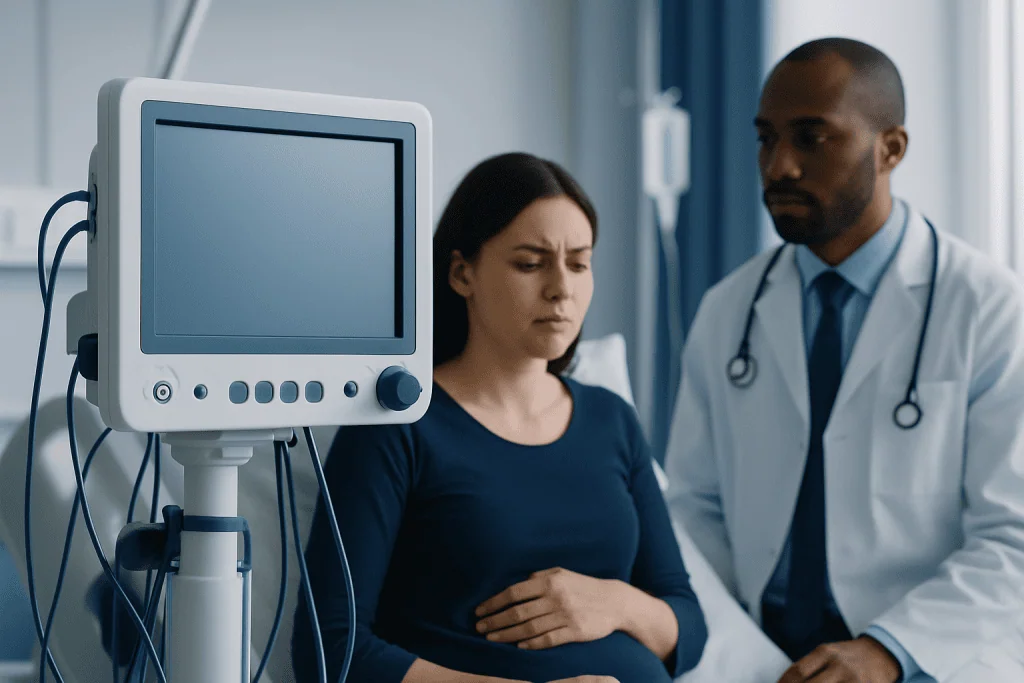
The digestive tract works as a connected system. When stool moves too slowly through the colon, food and fluid can seem to “back up” in the gut. This delayed movement may contribute to bloating, cramping, belching, and nausea, especially after eating.
Nausea may also happen because constipation stretches the intestine and increases abdominal pressure. In some people, that pressure stimulates nerves involved in the feeling of nausea. The discomfort itself can further reduce appetite and make the stomach feel unsettled.
If constipation is severe, the risk of nausea tends to rise. Hard stool, significant gas retention, or fecal impaction can make a person feel heavy, distended, and unwell. In rarer situations, nausea may signal a more urgent problem such as bowel obstruction rather than routine constipation.
- Slower movement of stool through the bowel
- Gas buildup and abdominal bloating
- Pressure on the stomach and intestines
- Reduced appetite and discomfort after meals
Symptoms that may happen together

Constipation is usually described as having fewer bowel movements than usual, passing hard or dry stool, straining, or feeling that the bowel has not fully emptied. When nausea is related to constipation, it often appears alongside other digestive symptoms rather than by itself.
Common accompanying symptoms include abdominal bloating, cramping, a sensation of fullness, reduced appetite, and excess gas. Some people also notice reflux-like symptoms, burping, or discomfort that gets worse after large meals. Children and older adults may express this more generally as stomach upset or not wanting to eat.
Symptoms can vary depending on the cause. For example, constipation linked to gastroesophageal reflux disease may also include heartburn, while constipation caused by medication side effects may come with dry mouth or fatigue. The overall pattern helps a doctor decide whether this is routine constipation or a sign of a different digestive problem.
Common causes and risk factors
Many everyday factors can contribute to constipation and, indirectly, nausea. Not drinking enough fluids, eating too little fiber, being less active, delaying bowel movements, and sudden routine changes are among the most common triggers. Travel, stress, and recovering from illness or surgery can also slow the bowels.
Medications are another frequent reason. Opioid pain medicines, some iron supplements, antacids containing calcium or aluminum, and certain antidepressants can all slow bowel movement. If nausea starts after beginning a new medicine, a clinician can review whether the medication may be playing a role.
Some medical conditions can make constipation more persistent or more likely to cause nausea. These include pregnancy, thyroid disorders, diabetes-related nerve problems, pelvic floor dysfunction, and digestive conditions affecting gut movement. In a smaller number of cases, serious causes such as bowel obstruction, inflammatory disease, or cancers of the digestive tract must be excluded when symptoms are severe, new, or unexplained.
Red flags and when to seek medical care
Constipation with mild nausea often improves with time and self-care, but certain symptoms deserve prompt medical review. Severe or worsening abdominal pain, repeated vomiting, a swollen or hard abdomen, inability to pass gas, or symptoms of dehydration can point to something more serious than simple constipation.
Medical advice is also important if there is blood in the stool, black stools, fever, unintentional weight loss, new constipation in an older adult, or constipation that lasts for weeks despite home measures. People with a history of abdominal surgery, inflammatory bowel disease, or cancer should be especially cautious if nausea and constipation occur together.
If symptoms are urgent, doctors may evaluate for blockage, impaction, or another acute condition. If ongoing symptoms suggest a chronic issue, further assessment by a digestive specialist may be needed, sometimes including tests used in colonoscopy evaluation or other investigations to identify the cause.
How doctors diagnose the cause
Doctors usually start with a clear history of the symptoms. They may ask how long constipation has been present, how often bowel movements occur, what the stool looks like, whether there is nausea or vomiting, and whether symptoms relate to meals, medications, or recent travel. Questions about water intake, diet, activity, and stress are also common.
A physical examination may include checking the abdomen for bloating, tenderness, or signs of blockage. In some cases, a rectal examination helps detect hard stool, bleeding, or pelvic floor problems. These steps can often distinguish uncomplicated constipation from a condition that needs quicker treatment.
Tests are not always necessary, but they may be recommended when warning signs are present or constipation keeps returning. Depending on the situation, a doctor may order blood tests, stool tests, abdominal imaging, or an endoscopic assessment such as endoscopy if upper digestive symptoms are also important. The goal is to find the reason for the symptoms, not just treat the nausea alone.
Treatment and relief options
The best treatment depends on why constipation is happening. For mild cases, restoring regular bowel movements often relieves nausea. This may involve drinking more fluids, increasing daily movement, and adjusting eating habits. Some people benefit from gradually adding fiber, while others with significant bloating may need a more individualized plan.
Doctors may recommend short-term constipation treatments such as stool softeners, osmotic laxatives, or other bowel-regulating medicines when appropriate. It is best not to overuse laxatives without guidance, especially if nausea is severe or if there is any concern about blockage. If a medication is causing constipation, a clinician may change the dose or suggest an alternative.
When constipation is linked to an underlying digestive disorder, treatment focuses on that condition as well. In selected cases, specialist care may include gastroenterology assessment to evaluate chronic symptoms, recurrent bloating, or suspected motility problems. Near the end of the care pathway, patients who need complex evaluation may also seek help from multidisciplinary specialists; Acibadem International’s JCI-accredited hospitals diagnose and treat digestive conditions for international patients.
Prevention and self-care
Preventing constipation often helps prevent the nausea that can come with it. Regular fluid intake, consistent meal timing, physical activity, and not ignoring the urge to have a bowel movement can support normal bowel function. A gradual increase in fiber from foods such as vegetables, fruits, legumes, and whole grains is helpful for many people.
It can also help to notice personal triggers. Some people become constipated during travel, after dietary changes, or when stress disrupts their routine. Keeping a symptom diary may make patterns easier to spot and can be useful to share with a doctor if symptoms keep returning.
Home care has limits. People should avoid self-treating for too long if nausea persists, symptoms worsen, or bowel habits change significantly without a clear reason. Early medical advice can prevent complications and make treatment more effective.
Frequently asked questions
Can constipation really make someone feel sick to their stomach?
Yes. Constipation can slow the movement of stool and gas through the bowel, which may create pressure, bloating, and nausea. Many people feel better once bowel movements become easier and more regular.
Is nausea from constipation usually serious?
Often it is not serious, especially if constipation is short-lived and there are no warning signs. However, severe pain, repeated vomiting, abdominal swelling, inability to pass gas, or dehydration should be assessed promptly.
How long can constipation-related nausea last?
It may last until the constipation begins to improve, which can be hours to a few days in mild cases. If nausea persists, keeps returning, or happens even when bowel movements are normal, a doctor should look for another cause.
What is the difference between regular constipation and a bowel obstruction?
Routine constipation usually causes hard stools, straining, and bloating, but people can often still pass some stool or gas. A bowel obstruction may cause severe pain, vomiting, marked abdominal swelling, and inability to pass gas or stool, and it needs urgent medical care.
Should a person eat or avoid food when constipated and nauseated?
Small, light meals may be easier to tolerate while the stomach feels unsettled. Hydration is important, and fiber can help some people, but if bloating and nausea are significant, it is sensible to get personalized advice rather than forcing large meals or supplements.
Can medications cause both constipation and nausea?
Yes. Some medicines, especially opioid pain relievers, iron supplements, and certain antidepressants, can contribute to constipation and may also upset the stomach. A clinician can review medications and suggest safer ways to manage side effects.
References
- National Institute of Diabetes and Digestive and Kidney Diseases
- American College of Gastroenterology
- National Health Service
- Mayo Clinic
- MedlinePlus
This article is for general information only and is not a substitute for professional medical advice. Please consult a qualified doctor about your individual situation.
Persistent digestive symptoms? Get evaluated in Turkey
JCI-accredited · board-certified surgeons · reply within 24h
Add us as a Preferred Source to see more of our trusted health content across Google Search, AI Overviews and Discover.