Can Coughing Release Gut Gas: An Evidence-Based Patient Guide

A forceful cough temporarily increases pressure in the abdomen and may help intestinal gas shift or pass. Coughing does not create gas or remove the underlying cause of frequent bloating.
Key Takeaways
- A forceful cough temporarily increases pressure in the abdomen and may help intestinal gas shift or pass.
- Coughing does not create gas or remove the underlying cause of frequent bloating.
- Most gas is related to swallowed air, digestion of carbohydrates, constipation, or sensitivity to certain foods.
- Gentle movement, regular meals, hydration, and addressing constipation are usually safer, more useful ways to support gas passage.
- Severe or worsening abdominal pain, vomiting, abdominal swelling, fever, blood in stool, or inability to pass stool or gas requires prompt medical assessment.
Can coughing release gut gas? It can sometimes help gas move through the intestines because a cough briefly increases pressure inside the abdomen. However, coughing is not a reliable treatment for trapped gas, and persistent bloating, pain, or bowel changes should be assessed by a qualified clinician.
Overview: Can Coughing Release Gut Gas?
Yes, coughing can occasionally help release gut gas. A cough creates a short, forceful rise in pressure within the abdomen. If gas is already moving through the large intestine or sitting near the rectum, that pressure may help it shift and, in some cases, be passed as flatulence.
Still, coughing is not a dependable way to relieve bloating or trapped gas. The digestive tract moves gas mainly through its normal muscular contractions, called peristalsis. A cough affects abdominal pressure for only a moment, so its effect is usually limited and temporary.
Passing gas is a normal body function. People may notice it more after eating quickly, consuming carbonated drinks, eating certain carbohydrates, being constipated, or during periods of stress when swallowing air may increase. Recurrent symptoms deserve attention when they interfere with daily life or occur with concerning warning signs.
How Coughing May Move Gas Through the Bowel
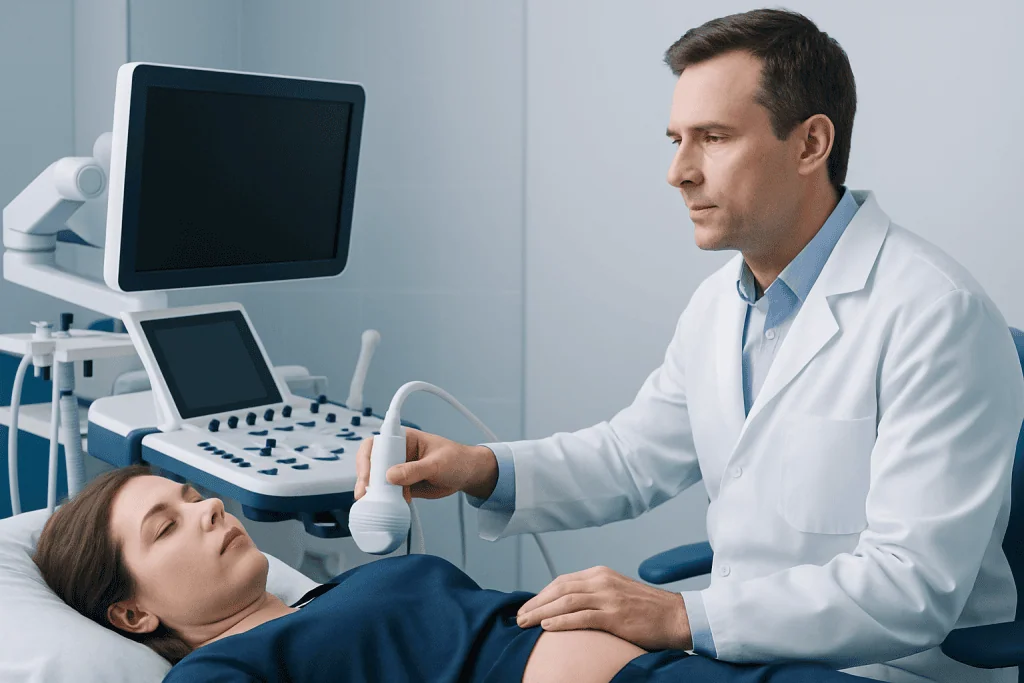
The stomach and intestines sit inside the abdominal cavity, surrounded by the abdominal wall and diaphragm. During a cough, the diaphragm and abdominal muscles contract, briefly increasing intra-abdominal pressure. This is similar to the pressure changes that occur when a person laughs, bends, changes position, or bears down during a bowel movement.
If there is gas in the lower bowel, this pressure can sometimes nudge it forward. It is more likely to be noticeable when the person already feels the urge to pass gas. Coughing may also make abdominal sensations more apparent, which can give the impression that it has released more gas than it actually has.
In contrast, gas higher in the digestive tract may lead to belching rather than flatulence. Belching releases air from the stomach through the mouth, whereas intestinal gas travels through the small and large intestines and leaves through the rectum. These are related but different processes.
Coughing should not be forced as a gas-relief method, especially when it causes chest discomfort, dizziness, urine leakage, pelvic pressure, or pain after surgery. A persistent cough itself should be evaluated, particularly if it lasts several weeks or is accompanied by breathing symptoms.
Why Gas and Bloating Happen

Gas enters the digestive system in two main ways: swallowed air and the normal digestion of food. People may swallow more air while eating quickly, chewing gum, drinking through a straw, smoking, or talking while eating. Carbonated beverages also introduce gas into the stomach.
In the large intestine, gut bacteria break down carbohydrates that were not fully absorbed earlier in digestion. This normal fermentation process produces gas. Foods such as beans, lentils, onions, garlic, some fruits, whole grains, dairy products in people with lactose intolerance, and sugar alcohols may increase symptoms in some individuals.
Constipation can make gas feel more uncomfortable because stool moves slowly through the colon and can make it harder for gas to pass. Functional digestive conditions, including irritable bowel syndrome, may also make the gut more sensitive to stretching from normal amounts of gas. For some people, symptoms are related to food intolerance, medication effects, or an underlying digestive disorder.
- Common symptoms include burping, passing gas, abdominal fullness, rumbling, and mild cramping.
- Bloating describes a feeling of fullness or pressure; visible abdominal enlargement may or may not be present.
- Frequent symptoms do not automatically mean a serious condition, but a new or changing pattern should be discussed with a clinician.
A Safer Step-by-Step Approach to Gas Relief
There is no medical procedure in which coughing is used to release gut gas. For occasional, uncomplicated symptoms, a more useful approach is to support normal bowel movement and identify likely triggers. The first step is to pause and consider whether symptoms began after a particular meal, fizzy drink, rapid eating, or a period of constipation.
Next, gentle walking or changing position may help stimulate intestinal movement. Some people find that sitting upright, lying on the left side, or bringing the knees gently toward the chest offers temporary comfort. These measures should be stopped if they worsen pain or cause dizziness.
Regular fluid intake and a balanced diet can support bowel regularity. If constipation is present, increasing dietary fiber gradually may help, but a sudden large increase can temporarily worsen gas. A clinician or pharmacist can advise on appropriate options for constipation or occasional gas symptoms based on the person’s health history and current medicines.
Keeping a brief food-and-symptom record can be helpful for people with recurring symptoms. It may reveal a pattern involving dairy, high-fermentable foods, large meals, or sweeteners. Restrictive diets should not be started long term without professional guidance, as unnecessary food avoidance can reduce nutritional quality.
Who May Need Assessment and What Diagnosis Involves
Most people with occasional gas do not need tests. Medical assessment is more appropriate when symptoms are persistent, new after midlife, increasingly painful, associated with weight loss, or accompanied by changes in bowel habits. Evaluation is also important when bloating occurs frequently despite simple lifestyle adjustments.
A clinician will usually ask about the timing of symptoms, bowel movements, diet, medications, prior abdominal surgery, and associated symptoms such as diarrhea, constipation, nausea, or reflux. They may perform an abdominal examination and decide whether blood tests, stool tests, imaging, or endoscopic tests are appropriate.
Testing is not routinely needed for ordinary gas. It is used selectively to look for causes such as constipation, lactose intolerance, celiac disease, inflammatory bowel disease, infection, structural problems, or other conditions when the history and examination suggest them.
For ongoing digestive concerns, a gastroenterology assessment can help distinguish harmless gas symptoms from a condition that needs targeted care. Acibadem International’s multidisciplinary specialists and JCI-accredited hospitals support diagnosis and treatment planning for international patients with digestive symptoms.
Treatment Options, Benefits, and Possible Limitations
Treatment is directed at the likely cause rather than at coughing itself. If swallowed air is contributing, slowing down during meals, avoiding gum and carbonated drinks, and addressing poorly fitting dentures when relevant may help. When constipation is the main issue, improving bowel regularity often reduces bloating and gas pressure.
For people with symptoms linked to particular foods, a clinician or registered dietitian may recommend a structured, temporary dietary trial followed by reintroduction. This can help identify individual triggers while avoiding overly restrictive eating. Lactose intolerance, for example, may be managed by adjusting lactose intake or using appropriate alternatives under professional advice.
Over-the-counter products may help some people, but benefits vary and they do not address every cause of bloating. A pharmacist or doctor can help determine whether an option is suitable, particularly for people who are pregnant, have chronic illnesses, or take regular medication. Persistent symptoms should not be repeatedly self-treated without evaluation.
The benefit of addressing the underlying contributor is more predictable comfort and fewer recurrent symptoms. The main limitation is that gas is a normal result of digestion and cannot, or should not, be eliminated completely. The goal is to reduce troublesome symptoms while maintaining adequate nutrition and regular bowel function.
When to Seek Medical Care
Arrange a non-urgent medical appointment if bloating or gas is frequent, lasts for several weeks, changes noticeably from a person’s usual pattern, or affects eating, sleep, work, or daily activities. It is also sensible to seek advice for ongoing constipation, recurrent diarrhea, unexplained food intolerance, or repeated abdominal discomfort.
Prompt medical evaluation is needed for severe or worsening abdominal pain, a swollen or rigid abdomen, repeated vomiting, fever, fainting, blood in the stool, black stools, unexplained weight loss, or yellowing of the skin or eyes. Urgent assessment is also important if a person cannot pass stool or gas and has significant pain or vomiting, as this can sometimes indicate bowel obstruction.
Gas alone is usually not dangerous, but symptoms should not be dismissed when they are accompanied by alarm features. A clinician can assess the situation safely and recommend the most appropriate next steps.
People who have recently had abdominal surgery, have a known bowel condition, or are receiving treatment for cancer should contact their treating team for new or significant abdominal symptoms rather than relying on home measures.
Frequently asked questions
Can coughing make you fart?
It can occasionally happen because coughing briefly raises pressure in the abdomen and pelvis. This may push gas forward if it is already in the lower bowel, but it is not a reliable or necessary method of gas relief.
Why do I feel gas move when I cough?
A cough contracts the diaphragm and abdominal muscles, temporarily changing pressure around the intestines. This may shift gas or make existing bloating sensations more noticeable, especially when gas is already moving through the colon.
Does coughing cause intestinal gas?
Coughing does not usually produce intestinal gas. Gas is more commonly related to swallowed air, carbonated drinks, digestion of certain carbohydrates, constipation, or digestive conditions that affect gut movement or sensitivity.
What is the fastest safe way to ease trapped gas?
Gentle walking, changing position, avoiding further carbonated drinks, and allowing time for normal bowel movement can help with occasional symptoms. If constipation is contributing, addressing it with guidance from a healthcare professional may provide more lasting relief.
When is gas pain a reason to see a doctor?
A person should seek medical advice for ongoing, new, worsening, or disruptive gas and bloating. Urgent care is needed if gas symptoms occur with severe abdominal pain, vomiting, fever, blood in the stool, marked swelling, weight loss, or inability to pass stool or gas.
Can stress make gas and bloating worse?
Yes. Stress can affect gut movement, increase awareness of digestive sensations, and lead some people to swallow more air. Stress-management strategies may be helpful, but persistent digestive symptoms should still be reviewed by a healthcare professional.
References
- National Institute of Diabetes and Digestive and Kidney Diseases
- American College of Gastroenterology
- Mayo Clinic
- NHS
- Cleveland Clinic
This article is for general information only and is not a substitute for professional medical advice. Please consult a qualified doctor about your individual situation.
Persistent digestive symptoms? Get evaluated in Turkey
JCI-accredited · board-certified surgeons · reply within 24h
Add us as a Preferred Source to see more of our trusted health content across Google Search, AI Overviews and Discover.