Can Medical Tests Predict Longevity? What Biomarkers Really Show

No single test can tell a person exactly how long they will live. Longevity biomarkers reflect current health, disease risk, and patterns linked with aging.
Key Takeaways
- No single test can tell a person exactly how long they will live.
- Longevity biomarkers reflect current health, disease risk, and patterns linked with aging.
- Common markers include blood pressure, cholesterol, blood sugar, inflammation, fitness, and body composition.
- Results are most useful when interpreted together rather than in isolation.
- Healthy habits and regular medical care often matter more than any single biomarker score.
Medical tests can offer useful clues about health, disease risk, and biological aging, but they cannot accurately predict a person’s exact lifespan. Longevity biomarkers are best understood as tools that help guide prevention, lifestyle changes, and personalized medical care.
Overview: Can medical tests really predict longevity?
Many people wonder whether a blood test, scan, or genetic panel can reveal how long they will live. In reality, medical tests do not provide a precise expiration date. What they can do is show patterns associated with health, resilience, and risk for conditions that may affect lifespan, such as heart disease, diabetes, certain cancers, and chronic lung or kidney disease.
The term longevity biomarkers refers to measurable signs in the body that may reflect biological aging or future health risk. These markers can include routine findings such as blood pressure, cholesterol, blood sugar, waist circumference, and physical fitness, as well as newer measures like epigenetic age testing or specialized inflammatory markers. Some are well established in everyday medicine, while others are still being studied.
It is important to understand the difference between chronological age and biological age. Chronological age is the number of years a person has lived. Biological age aims to estimate how the body is aging internally based on health data. A person may be 50 years old chronologically but show biomarker patterns that resemble a younger or older biological profile.
These tests are most helpful when they support prevention. Rather than predicting a fixed future, they can highlight opportunities to improve sleep, nutrition, physical activity, stress management, and treatment of medical conditions. Used this way, longevity testing becomes less about guessing lifespan and more about supporting healthy aging.
What biomarkers usually show
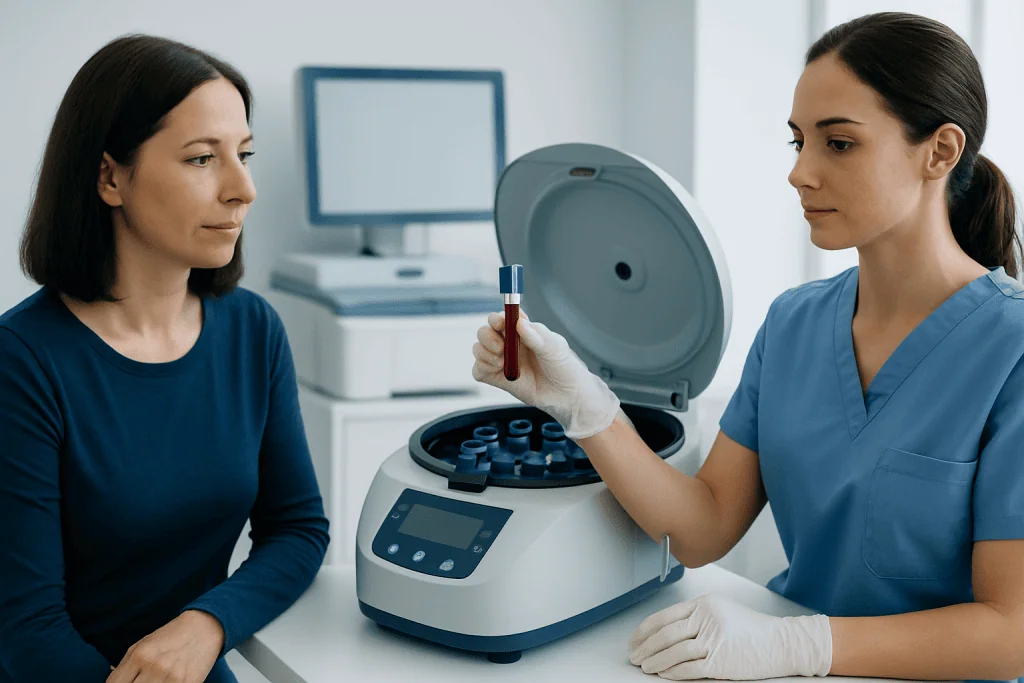
Biomarkers do not measure longevity directly. Instead, they reflect processes that influence long-term health, such as metabolism, inflammation, vascular function, hormone balance, organ performance, and physical reserve. When several markers move in an unhealthy direction, they may suggest a higher chance of illness over time.
Some of the most informative biomarkers are already part of routine care. For example, high blood pressure can increase the risk of stroke and heart disease. Elevated blood sugar or hemoglobin A1c can suggest diabetes risk. Cholesterol patterns may show a higher risk of plaque buildup in the arteries. Kidney and liver function tests can identify early organ stress before symptoms appear.
Other markers are more indirect. Resting heart rate, cardiorespiratory fitness, muscle strength, sleep quality, and body composition can reflect how well the body adapts to stress and aging. In older adults, balance, gait speed, and grip strength may also provide useful information about overall resilience and future function.
Biomarkers are not destiny. A result can change over time, and many markers improve with treatment and healthy habits. This is one reason doctors often focus on trends, repeat testing, and the broader clinical picture rather than a single number from one day.
Common longevity-related tests and measures

In clinical practice, the most useful longevity-related tests are often the simplest. Blood pressure measurement, fasting glucose, hemoglobin A1c, lipid profile, kidney function, liver function, and body mass index can all provide meaningful information about future health. Waist circumference may offer additional insight into abdominal fat, which is linked with metabolic and cardiovascular risk.
Inflammation markers such as C-reactive protein may sometimes be used to understand risk in context, although they are not specific on their own. Depending on personal and family history, a doctor may also consider hormone evaluation, sleep assessment, bone density, or screening for conditions such as high blood pressure or diabetes.
Fitness and functional measures are especially valuable. Regular exercise capacity, walking speed, muscle mass, and grip strength can reflect biological reserve in ways that blood tests alone cannot. In many studies, cardiorespiratory fitness is strongly associated with long-term health outcomes, which is why lifestyle assessment remains central to longevity medicine.
Some people explore advanced testing, including genetic testing, coronary calcium scoring, body composition analysis, continuous glucose monitoring, or biological age panels. These may be appropriate in selected cases, but they should be interpreted carefully. A sophisticated test is not automatically more useful than well-understood basics such as blood pressure control, cholesterol management, and routine screening.
Biological age tests: promising, but still limited
Biological age tests aim to estimate how old the body appears on a molecular or physiological level. Some use DNA methylation patterns, sometimes called epigenetic clocks. Others combine blood markers, physical measures, and lifestyle data to generate an age estimate or aging rate. These tools are scientifically interesting and may become more refined over time.
However, there are important limitations. Different tests may give different results for the same person. Methods are not fully standardized, and interpretation can vary by age, sex, ethnicity, medication use, and existing medical conditions. A biological age result may be motivating, but it should not be treated as a definitive medical diagnosis or a guarantee about future lifespan.
Genetic testing also has boundaries. Genes can influence the risk of certain diseases and may partly affect longevity, but they do not determine everything. Environment, healthcare access, physical activity, nutrition, sleep, smoking, alcohol use, stress, and social factors all shape health over a lifetime. In most cases, daily habits and preventive care remain more actionable than inherited risk alone.
For people considering advanced longevity assessment, professional guidance is important. A qualified doctor can help decide whether testing is medically useful, what the findings may mean, and which results are established enough to influence care. This can help avoid unnecessary worry, overtesting, or false reassurance.
What affects longevity beyond biomarkers
Longevity is influenced by far more than laboratory values. Social connection, mental well-being, education, financial stability, safe housing, and access to healthcare all play major roles in long-term health. Chronic stress, poor sleep, inactivity, tobacco exposure, and heavy alcohol use can also have powerful effects, even if some test results look acceptable at one point in time.
Medical history matters too. Conditions such as heart disease, chronic lung disease, kidney disease, obesity, and cancer can significantly affect long-term outcomes. Family history adds another layer, helping doctors understand inherited patterns of risk. This is why a doctor’s interpretation is often more meaningful than an isolated direct-to-consumer result.
Age-related risk is also shaped by how early problems are detected and managed. For example, timely attention to symptoms, regular checkups, and appropriate screening can reduce complications. In some cases, further evaluation with comprehensive check-up programs or cardiology check-up may help identify modifiable risks in a structured way.
Ultimately, the healthiest approach is to view longevity as a long-term process rather than a score. Biomarkers can inform the process, but they do not replace healthy routines, preventive medicine, and treatment of existing conditions.
How doctors use these results in real life
Doctors usually assess longevity-related risk by looking at patterns across many areas of health. They review medical history, medications, family history, physical examination, blood pressure, weight and waist measurements, blood tests, sleep, mental health, nutrition, exercise, and tobacco or alcohol use. In some people, imaging or specialist evaluation is added to clarify cardiovascular or metabolic risk.
The goal is not to label someone as likely to live a certain number of years. Instead, the goal is to identify which risks are changeable and which preventive steps are most likely to help. For one person, that may mean better blood pressure control. For another, it may mean improving sleep apnea, increasing strength training, addressing high cholesterol, or reviewing treatment options for obesity.
When results are concerning, follow-up testing may be recommended to confirm the finding or explore causes. For example, abnormal blood sugar may lead to further metabolic evaluation, and reduced exercise tolerance may prompt cardiovascular assessment. If needed, clinicians may discuss preventive therapies or specialized support, including obesity treatment approaches in selected patients when weight-related disease is affecting health.
Near the end of the care pathway, some patients seek more coordinated assessment through centers focused on prevention and healthy aging. Acibadem International’s multidisciplinary specialists and JCI-accredited hospitals provide diagnosis and treatment for international patients who need structured evaluation of age-related health risks.
Ways to improve longevity markers
Many longevity-related biomarkers respond to everyday habits. Regular physical activity can improve blood pressure, insulin sensitivity, cholesterol balance, mood, sleep, and fitness. A balanced eating pattern centered on vegetables, fruits, legumes, whole grains, healthy fats, and adequate protein can support metabolic and cardiovascular health. Avoiding tobacco is one of the most important steps for healthy aging.
Sleep and stress management also matter. Poor sleep can affect blood sugar, appetite, blood pressure, and inflammation. Chronic stress may influence mental health, hormonal balance, and health behaviors. Mindfulness practices, social support, counseling, and realistic daily routines can all contribute to better long-term health.
Muscle health deserves special attention with aging. Strength training, adequate protein intake, and fall prevention strategies can help preserve independence and function. In many adults, improving muscle mass and fitness may be just as important as lowering a laboratory number.
Regular preventive care should not be overlooked. Vaccinations, cancer screening, dental care, eye checks, hearing evaluation, and treatment adherence for chronic conditions all support healthy longevity. The most effective strategy is usually consistent, sustainable care rather than quick fixes or extreme programs.
When to seek medical advice
A doctor’s evaluation is helpful for anyone who wants to understand personal risk factors and create a realistic plan for healthy aging. This is especially important for people with a strong family history of heart disease, stroke, diabetes, early dementia, cancer, or sudden cardiac events. Medical advice is also wise when direct-to-consumer testing produces confusing or worrying results.
People should seek timely care if they have symptoms such as chest pain, shortness of breath, unexplained weight loss, severe fatigue, fainting, persistent high blood pressure, increased thirst, frequent urination, or major changes in exercise tolerance. These symptoms need medical assessment because they may point to an underlying condition rather than aging alone.
Even without symptoms, regular checkups become more important with age or when risk factors are present. A clinician can help prioritize evidence-based screening and avoid unnecessary tests. This approach is often more useful than relying on a single longevity score.
In summary, medical tests can support better health decisions, but they cannot fully predict how long a person will live. Longevity biomarkers are best used as guideposts for prevention, not as fixed answers about the future.
Frequently asked questions
Can a blood test tell how long someone will live?
No blood test can accurately predict an individual’s exact lifespan. Blood tests can show risk factors and body processes linked with aging, but longevity depends on many medical, lifestyle, environmental, and social factors.
What is the difference between biological age and chronological age?
Chronological age is the number of years a person has lived. Biological age is an estimate of how the body appears to be aging based on biomarkers, physical function, and sometimes molecular testing.
Are biological age tests reliable?
Some biological age tests are promising, but results can vary between methods and are not fully standardized. They may offer useful context, but they should not replace medical evaluation or be treated as a precise forecast.
Which biomarkers are most useful for healthy aging?
Routine measures are often the most helpful, including blood pressure, blood sugar, cholesterol, kidney function, weight, waist size, and fitness. Sleep quality, muscle strength, and smoking status are also important when evaluating long-term health.
Can longevity biomarkers improve with lifestyle changes?
Yes, many can improve over time. Regular exercise, healthy eating, good sleep, stress management, weight management, and avoiding tobacco can positively affect blood pressure, metabolism, inflammation, and fitness.
Should everyone get advanced longevity testing?
Not necessarily. Advanced testing may be helpful in selected cases, but it is not always needed and may sometimes create confusion without changing care. A doctor can help decide which tests are evidence-based and appropriate for the individual.
References
- World Health Organization
- Centers for Disease Control and Prevention
- National Institute on Aging
- American Heart Association
- National Institutes of Health
This article is for general information only and is not a substitute for professional medical advice. Please consult a qualified doctor about your individual situation.
Longevity in Turkey — costs, top hospitals & a free quote
JCI-accredited · board-certified surgeons · reply within 24h
Add us as a Preferred Source to see more of our trusted health content across Google Search, AI Overviews and Discover.
Check your numbers in seconds
BMI, calories, due date, blood pressure and 30+ more clinical calculators — free, instant, doctor-reviewed ranges.

Check-up & Preventive Medicine
Comprehensive health screenings designed for early detection and prevention.
1 specialists in this unit