Can Men Get Pregnant? A Doctor-Reviewed Answer

Cisgender men cannot become pregnant because pregnancy requires a uterus. Transgender men and some nonbinary people may be able to become pregnant if they still have reproductive organs such as a uterus and ovaries.
Key Takeaways
- Cisgender men cannot become pregnant because pregnancy requires a uterus.
- Transgender men and some nonbinary people may be able to become pregnant if they still have reproductive organs such as a uterus and ovaries.
- Symptoms that seem like “male pregnancy” are usually explained by digestive, urinary, hormonal, or weight-related causes.
- A doctor can clarify the cause of symptoms with a medical history, exam, and tests such as a pregnancy test, blood work, or imaging.
- Urgent care is important for severe abdominal pain, fainting, heavy bleeding, or symptoms of an ectopic pregnancy.
In most cases, a person assigned male at birth who does not have a uterus cannot become pregnant. However, some transgender men and nonbinary people who still have a uterus and ovaries can conceive and carry a pregnancy.
Overview: Can Men Get Pregnant?
In most situations, the short answer is no: a cisgender man cannot get pregnant because pregnancy requires reproductive organs that cisgender men do not have, especially a uterus. For many people, the question comes up because of body changes such as bloating, weight gain, nausea, or abdominal discomfort. These symptoms are common and are usually caused by something harmless or treatable rather than pregnancy.
The answer is different for transgender men and some nonbinary people. If a person has a uterus and ovaries, pregnancy may still be possible even if they identify as male and even if they have previously used testosterone. Testosterone is not a reliable birth control method, so ovulation and conception can still occur in some people.
Questions about pregnancy can also arise after sexual activity, fertility treatment, or changes in menstruation. In these cases, what matters medically is not gender identity alone but whether pregnancy-related reproductive organs are present. A doctor will focus on anatomy, symptoms, sexual history, and current medications to give a clear answer.
Why Symptoms Can Feel Like Pregnancy
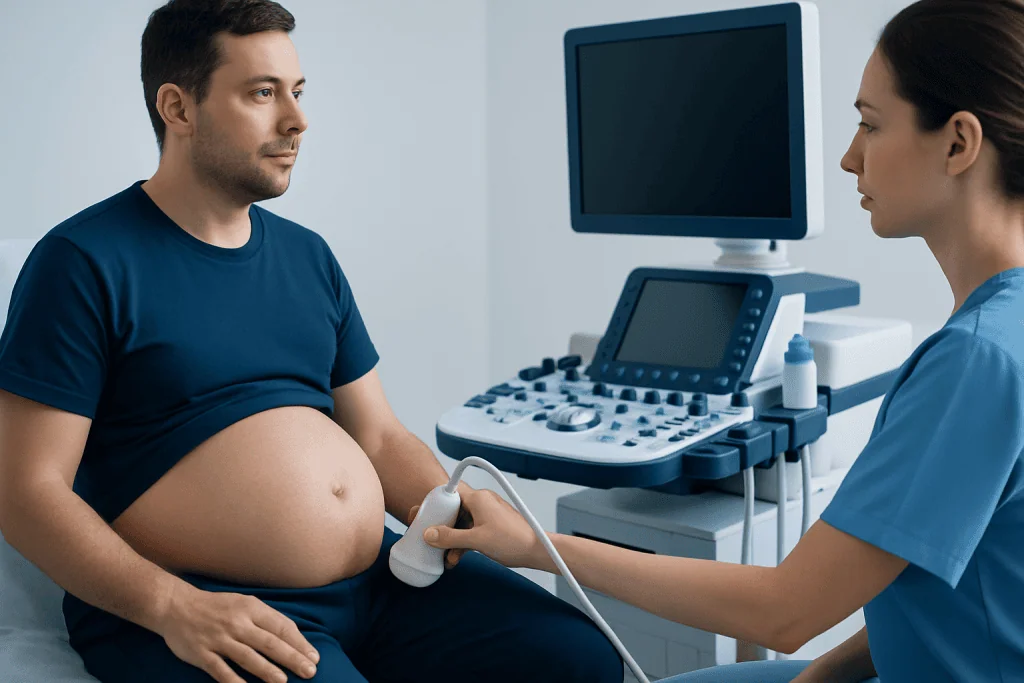
Many symptoms that people associate with pregnancy are not specific to pregnancy. Bloating, nausea, fatigue, breast tenderness, food aversions, constipation, and a fuller-looking abdomen can happen with digestive conditions, hormonal shifts, stress, poor sleep, medication effects, or changes in weight.
For cisgender men, these symptoms may be linked to issues such as reflux, indigestion, constipation, liver or gallbladder problems, hormonal imbalance, or fluid retention. In some cases, concerns about “male pregnancy” are really concerns about unexplained abdominal swelling or discomfort. A medical review is especially helpful if symptoms are new, persistent, or worsening.
Transgender men and nonbinary people who still have a uterus may notice symptoms that are genuinely related to pregnancy, including a missed period, nausea, fatigue, breast or chest changes, and increased urination. Because testosterone can change or stop bleeding patterns, pregnancy may be recognized later than expected. If pregnancy is possible, testing should not be delayed.
It can also help to remember that the body does not “fake” symptoms on purpose. When symptoms are distressing, a proper evaluation can identify whether the cause is digestive, hormonal, urinary, or reproductive and guide the next steps.
Who Can Become Pregnant?

Pregnancy is possible only when certain reproductive structures are present and functioning. In general, this means having a uterus where a pregnancy can implant and grow, and ovaries that may release eggs. A cisgender man does not have these organs, so natural pregnancy is not possible.
A transgender man or nonbinary person may become pregnant if they still have a uterus and ovaries and have vaginal sex with sperm exposure, use donor sperm, or pursue fertility care. Even if menstruation has stopped while taking testosterone, ovulation may still happen unpredictably. That is why doctors advise discussing contraception if pregnancy is not desired.
Some people ask whether surgery can make pregnancy possible for someone assigned male at birth. At present, there is no established clinical pathway that allows a person without a uterus to carry a pregnancy. Research in reproductive medicine continues to evolve, but current real-world pregnancy requires a uterus.
People who want guidance about conception, fertility preservation, or the effects of hormones on reproduction may benefit from specialist care such as IVF and fertility evaluation or consultation about fertility preservation.
Common Causes of Pregnancy-Like Symptoms in Men
When a cisgender man feels pregnant, there is almost always another explanation. Digestive causes are very common and include constipation, gas, irritable bowel symptoms, gastritis, or reflux. These can create abdominal fullness, nausea, and appetite changes that mimic early pregnancy symptoms.
Hormonal and metabolic causes can also play a role. Weight gain, low testosterone, thyroid problems, and stress-related changes may lead to fatigue, breast enlargement, bloating, or mood shifts. In some people, medications such as steroids, antidepressants, or certain blood pressure drugs can add to these symptoms.
Urinary and abdominal conditions are also important to consider. Kidney stones, urinary infections, hernias, liver disease, or gallbladder problems can cause swelling, pressure, or pain. If breast enlargement is a concern, doctors may evaluate for gynecomastia, which has several possible causes and is often manageable.
Occasionally, symptoms may be linked to anxiety or a strong fear of pregnancy after sexual contact. This does not mean symptoms are “all in the head.” It means the body and mind can influence each other, and a clinical assessment can help rule out physical causes and provide reassurance.
How Doctors Evaluate the Question
Doctors usually begin with a straightforward history. They ask about current symptoms, anatomy, menstrual history if relevant, sexual activity, contraception, hormone use, previous surgeries, and any chance of sperm exposure. This approach helps answer the pregnancy question quickly while also looking for other causes of symptoms.
If pregnancy is possible because the person has a uterus and ovaries, a urine or blood pregnancy test is often the first step. If symptoms suggest pregnancy but the result is unclear, repeat testing or pelvic ultrasound may be needed. Ultrasound is especially important if there is pain or bleeding because it can help identify an early or ectopic pregnancy.
If pregnancy is not possible based on anatomy, testing focuses on the most likely explanation. Depending on symptoms, a doctor may order blood tests, urine tests, hormone testing, or imaging such as ultrasound or CT. Digestive evaluation may be needed for persistent bloating or abdominal swelling, and urinary symptoms may lead to a urology review.
When reproductive health questions are part of the picture, people may also be referred for gynecologic evaluation or broader urologic assessment. The goal is not only to rule out pregnancy but to find the real cause of symptoms and treat it appropriately.
Treatment and Next Steps
Treatment depends entirely on the cause. If a transgender man or nonbinary person is pregnant, care may include routine prenatal support, medication review, and individualized planning around hormone therapy, nutrition, and delivery options. Sensitive, respectful care is important so that both physical health and identity are supported throughout pregnancy.
If symptoms are caused by a digestive problem, treatment may involve dietary changes, hydration, treatment for constipation or reflux, and follow-up if symptoms continue. Hormonal causes may need blood tests and management of underlying conditions such as thyroid disease, low testosterone, or medication side effects. Breast enlargement or abdominal swelling may lead to targeted treatment once the cause is clear.
If the issue is concern after sex rather than symptoms of illness, education about pregnancy risk and contraception can be helpful. Testosterone should not be relied on as contraception. People who do not want pregnancy should discuss effective birth control options with a qualified clinician.
Near the end of the care pathway, some people need specialist support. Acibadem International’s multidisciplinary specialists in JCI-accredited hospitals diagnose and treat reproductive, hormonal, digestive, and urinary conditions for international patients when further evaluation is needed.
When to Seek Medical Care
Most pregnancy-like symptoms are not an emergency, and many turn out to be related to common digestive or hormonal issues. Still, medical review is important if symptoms persist, keep returning, or interfere with daily life. It is also wise to seek care if there is any real possibility of pregnancy in a person who has a uterus and ovaries.
Prompt medical attention is recommended for red flags such as severe or one-sided abdominal pain, fainting, dizziness, shoulder pain, heavy vaginal bleeding, vomiting that prevents drinking fluids, fever, chest pain, or a rapidly swollen abdomen. In someone who could be pregnant, these symptoms may signal an ectopic pregnancy or another urgent condition that needs immediate assessment.
For cisgender men, urgent evaluation is also appropriate for severe abdominal pain, vomiting, blood in the urine or stool, trouble breathing, jaundice, or new breast changes such as a firm lump. These symptoms do not mean pregnancy, but they do deserve timely medical care.
Frequently asked questions
Can a cisgender man get pregnant?
No. A cisgender man cannot become pregnant because pregnancy requires a uterus, and cisgender men do not have one. If pregnancy-like symptoms appear, another medical explanation is much more likely.
Can a transgender man get pregnant?
Yes, pregnancy may be possible for a transgender man who still has a uterus and ovaries. This can happen even if menstrual periods have stopped while using testosterone, because ovulation may still occur.
Does testosterone prevent pregnancy?
No. Testosterone is not considered reliable birth control. Anyone taking testosterone who has a uterus and ovaries and is exposed to sperm should discuss contraception if pregnancy is not desired.
Why do some men feel like they have pregnancy symptoms?
Symptoms such as nausea, bloating, fatigue, and abdominal fullness are not specific to pregnancy. They are often linked to digestive issues, hormonal changes, medication effects, stress, or weight changes.
What tests would a doctor use if pregnancy is a concern?
If pregnancy is anatomically possible, a doctor may start with a urine or blood pregnancy test. Depending on symptoms, pelvic ultrasound, blood work, urine testing, or additional imaging may be used to confirm the cause.
When is this situation an emergency?
Urgent care is needed for severe abdominal pain, fainting, heavy bleeding, shoulder pain, chest pain, or vomiting with dehydration. In someone who could be pregnant, these signs can point to an ectopic pregnancy or another serious condition.
References
- American College of Obstetricians and Gynecologists
- Centers for Disease Control and Prevention
- World Health Organization
- NHS
- American Society for Reproductive Medicine
This article is for general information only and is not a substitute for professional medical advice. Please consult a qualified doctor about your individual situation.
Medical weight-loss options in Turkey — costs & eligibility
JCI-accredited · board-certified surgeons · reply within 24h
Add us as a Preferred Source to see more of our trusted health content across Google Search, AI Overviews and Discover.
Check your numbers in seconds
BMI, calories, due date, blood pressure and 30+ more clinical calculators — free, instant, doctor-reviewed ranges.