Can Pregnant Women Eat Shrimp? Causes, Explanations, and Next Steps

Fully cooked shrimp is generally considered safe during pregnancy. Raw or undercooked shrimp should be avoided because of infection risk.
Key Takeaways
- Fully cooked shrimp is generally considered safe during pregnancy.
- Raw or undercooked shrimp should be avoided because of infection risk.
- Pregnant women should pay attention to food storage, preparation, and portion balance.
- Medical review is important for symptoms of food poisoning, dehydration, or allergic reaction.
- A doctor may assess symptoms, hydration status, and possible infection if concerns arise.
Yes, pregnant women can usually eat shrimp when it is fully cooked, properly stored, and part of a balanced diet. Most concerns are preventable with safe food handling, while red flags such as allergy symptoms or signs of foodborne illness should prompt medical advice.
Overview: Can pregnant women eat shrimp?
In most cases, the answer is yes: pregnant women can eat shrimp if it is thoroughly cooked and handled safely. Shrimp is a commonly eaten seafood and can fit into a healthy pregnancy diet when it comes from a reliable source, is stored at the right temperature, and is not served raw or undercooked.
For many people, eating cooked shrimp during pregnancy is harmless. Questions usually arise because pregnancy increases concern about foodborne illness, and seafood advice can sometimes feel confusing. The main issue is not shrimp itself, but whether it has been prepared in a way that reduces exposure to harmful bacteria, viruses, or parasites.
It is also helpful to separate everyday reassurance from true warning signs. Mild worry after eating properly cooked shrimp is common and usually does not mean there is a problem. However, symptoms such as vomiting, diarrhea, fever, severe abdominal pain, hives, swelling, or trouble breathing deserve prompt medical attention because they may suggest food poisoning or an allergic reaction.
If a pregnant person feels unwell after eating shrimp, a doctor typically starts by reviewing what was eaten, when symptoms began, and whether the shrimp was raw, undercooked, or from a questionable source. From there, medical evaluation may include checking hydration, temperature, and other signs of illness to decide whether further testing or treatment is needed.
Why shrimp can be a healthy choice in pregnancy
When cooked properly, shrimp can be a nutritious part of pregnancy eating. It provides protein, which supports maternal tissues and fetal growth, and it contains important nutrients such as iodine, vitamin B12, selenium, and choline. These nutrients help support metabolism, thyroid function, and normal development during pregnancy.
Shrimp is also often chosen because it is relatively low in saturated fat and can be included in many balanced meals. Pairing cooked shrimp with vegetables, whole grains, beans, or salad can help create a meal that is both satisfying and varied. Variety matters during pregnancy because no single food provides everything the body needs.
Another reason shrimp is often included in pregnancy-safe seafood guidance is that it is generally considered a lower-mercury seafood choice. This distinguishes it from certain large predatory fish that may contain higher mercury levels. Lower-mercury seafood options can usually be eaten more confidently when portions are sensible and preparation is safe.
Even so, “healthy” does not mean “risk-free” in every setting. Breaded fried shrimp, buffet seafood, or shrimp left unrefrigerated for too long may be less ideal. The overall context—freshness, cooking temperature, kitchen hygiene, and where the food comes from—is what makes the difference.
Main concerns: raw shrimp, contamination, and allergy
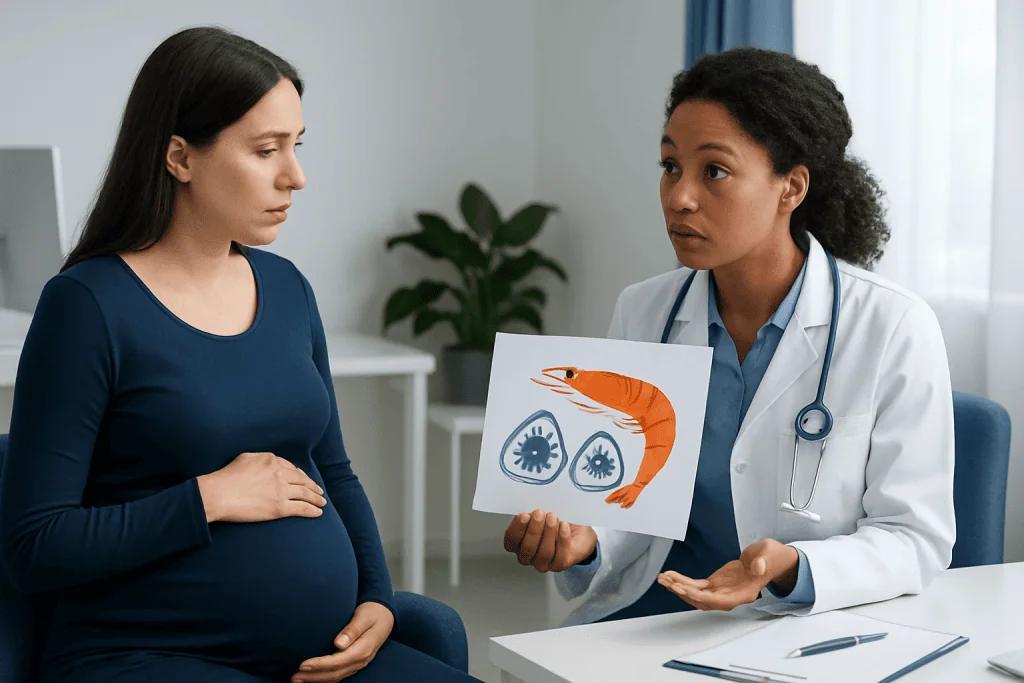
The biggest concern with shrimp in pregnancy is food safety. Raw or undercooked shrimp may carry germs that can cause gastrointestinal illness. During pregnancy, foodborne infection can be more difficult to tolerate because vomiting or diarrhea can lead to dehydration, and fever may need timely medical assessment.
Cross-contamination is another common issue. Even if shrimp is cooked, it can become unsafe if it touches raw seafood, contaminated cutting boards, or unwashed hands. This matters at home and when eating out. Dishes such as sushi with raw shrimp, ceviche, lightly marinated seafood, or partially cooked shrimp appetizers should generally be avoided during pregnancy.
Some people also have a shellfish allergy, and pregnancy does not protect against allergic reactions. Shrimp allergy can cause itching, hives, lip or tongue swelling, wheezing, vomiting, or in severe cases, difficulty breathing. Anyone with these symptoms needs urgent medical attention, especially if breathing is affected. Food-related symptoms may occasionally overlap with other digestive conditions, and doctors may consider broader evaluation if symptoms persist, including assessment for gastrointestinal conditions.
A final concern is individual tolerance. Pregnancy can make smells, textures, and rich foods harder to manage, especially with nausea. If shrimp triggers nausea or reflux, it may simply be better tolerated in smaller portions or prepared more plainly. If symptoms are frequent or severe, a clinician may also look for other causes such as pregnancy-related complications when that is clinically appropriate.
How to eat shrimp safely during pregnancy
Safe eating starts with choosing shrimp from a trusted source. Fresh shrimp should smell mild rather than strongly fishy, and frozen shrimp should remain solidly frozen until use. At home, seafood should be refrigerated promptly and cooked soon after purchase or thawed safely in the refrigerator rather than at room temperature.
Shrimp should be cooked until it is opaque and firm rather than translucent. Restaurants and home cooks should avoid serving it rare or only lightly warmed. Sauces or marinades do not make raw shrimp safe, and reheated leftovers should be steaming hot before eating.
Practical food safety steps include:
- Wash hands before and after handling raw seafood.
- Keep raw shrimp separate from ready-to-eat foods.
- Use clean cutting boards, knives, and plates.
- Refrigerate leftovers promptly.
- Avoid raw shrimp in sushi, ceviche, or tasting while cooking.
Eating out also requires a little caution. It is reasonable to ask whether shrimp is fully cooked and prepared fresh. Buffets, long-standing platters, or foods that have been sitting out may carry higher risk. If a pregnant person has ongoing questions about safe eating, nutrition support through diet and nutrition counseling can be helpful as part of prenatal care.
What symptoms matter after eating shrimp?
Most people who eat properly cooked shrimp will not develop any problems. If symptoms do occur, timing can help guide next steps. Mild transient indigestion without other symptoms may pass on its own, but new vomiting, diarrhea, abdominal cramps, or fever after eating seafood may suggest foodborne illness.
Warning signs that deserve prompt medical advice include inability to keep fluids down, signs of dehydration, faintness, reduced urination, persistent fever, blood in the stool, severe abdominal pain, or symptoms that last more than expected. During pregnancy, dehydration can be especially important because it may contribute to weakness, dizziness, or uterine irritability.
Symptoms of allergy need even faster attention. Hives, facial swelling, wheezing, throat tightness, or trouble breathing should be treated as urgent. A person with a known shellfish allergy should avoid shrimp altogether unless specifically advised otherwise by an allergy specialist. If there is concern about a new food allergy, evaluation through allergy testing may be recommended after the acute situation is addressed.
Some symptoms after seafood may not be due to shrimp at all. Viral stomach infections, reflux, pregnancy nausea, or contaminated side dishes can produce similar complaints. That is why a careful review of the meal and the symptom pattern is often more helpful than assuming the shrimp was the only cause.
How a doctor evaluates concerns during pregnancy
If a pregnant patient seeks care after eating shrimp, the clinician usually begins with a focused history. Key questions include when the shrimp was eaten, whether it was raw or fully cooked, whether anyone else who ate the meal became ill, and what symptoms are present. Travel history, restaurant exposure, and any known shellfish allergy may also be relevant.
The next step is usually a basic clinical assessment. A doctor may check temperature, pulse, blood pressure, hydration status, and abdominal tenderness. In pregnancy, they may also ask about fetal movement, contractions, vaginal bleeding, or other pregnancy-related symptoms depending on gestational age and overall condition.
Testing is not needed in every case. However, if symptoms are significant or prolonged, a doctor may order blood work, stool testing, or other studies to look for infection, dehydration, or alternative causes. In some situations, supportive care such as fluids, anti-nausea treatment, or monitoring is enough. If symptoms are severe, care in a hospital setting may be appropriate, sometimes alongside pregnancy follow-up to ensure maternal and fetal well-being.
This stepwise approach is reassuring for many patients because it focuses on the actual level of risk. Most exposures to properly cooked shrimp do not require special testing. Doctors investigate further only when symptoms, examination findings, or the food history suggest a more meaningful concern.
Prevention and self-care
Prevention is centered on safe food practices rather than strict avoidance of all seafood. Choosing reputable restaurants, checking labels on packaged seafood, storing shrimp correctly, and cooking it thoroughly can lower risk substantially. At home, planning meals so seafood is prepared and eaten promptly is one of the simplest ways to prevent problems.
Self-care after eating shrimp depends on symptoms. If a person feels well, no action is usually needed beyond continuing normal prenatal care and hydration. If mild stomach upset occurs, drinking fluids in small amounts and choosing bland foods may help while symptoms settle. Rest and observation are often enough if there is no fever, no dehydration, and no severe pain.
It is wise to avoid self-medicating with over-the-counter remedies without checking whether they are suitable in pregnancy. Not every anti-diarrheal or anti-nausea medicine is appropriate for every pregnant patient. If symptoms are persistent or bothersome, a doctor or midwife can advise on safer options.
Near the end of the care pathway, some patients benefit from specialist input if symptoms are recurrent, allergy is suspected, or pregnancy-related digestive issues are complicating meals. Acibadem International’s multidisciplinary specialists and JCI-accredited hospitals diagnose and treat pregnancy-related medical concerns for international patients when further evaluation is needed.
When to seek medical care
Medical review is recommended if a pregnant person develops vomiting, diarrhea, fever, significant abdominal pain, or signs of dehydration after eating shrimp. It is also important to seek advice if symptoms are not improving, if there is concern that the shrimp was raw or spoiled, or if other people who shared the meal are also sick.
Urgent care is needed for allergic symptoms such as hives with swelling, wheezing, throat tightness, or difficulty breathing. Emergency assessment is also appropriate for fainting, confusion, inability to keep fluids down, or pregnancy-specific warning signs such as reduced fetal movement, contractions, vaginal bleeding, or severe weakness.
When symptoms are mild, calling an obstetric clinician for guidance can help determine whether home care is reasonable or an examination is needed. Prompt attention does not mean something serious is happening; it simply helps protect hydration, comfort, and pregnancy health while clarifying the cause.
For those without symptoms, eating fully cooked shrimp occasionally is generally not a reason for concern. A practical approach—safe preparation, balanced portions, and awareness of red flags—is usually the best next step.
Frequently asked questions
Can pregnant women eat shrimp in the first trimester?
Yes, shrimp can usually be eaten in the first trimester if it is fully cooked and prepared safely. The same food safety rules apply throughout pregnancy: avoid raw seafood, choose reputable sources, and pay attention to storage and hygiene.
Is shrimp safer than some other seafood during pregnancy?
Shrimp is often considered a lower-mercury seafood choice, which makes it a practical option for many pregnant women. Safety still depends on proper cooking and handling, because infection risk comes mainly from raw or contaminated seafood rather than mercury alone.
Can pregnant women eat shrimp sushi?
Shrimp sushi is only considered safer if the shrimp is fully cooked and the food is prepared in a hygienic setting. Raw shrimp sushi should be avoided during pregnancy because of the risk of foodborne infection.
What should someone do if they accidentally ate undercooked shrimp while pregnant?
Many people will still be fine, but they should monitor for symptoms such as nausea, vomiting, diarrhea, fever, or abdominal pain. If symptoms develop, or if the person feels unwell or dehydrated, they should contact a doctor promptly for advice.
How can someone tell if a reaction is food poisoning or an allergy?
Food poisoning more often causes nausea, vomiting, diarrhea, cramps, and sometimes fever. An allergy is more likely to cause hives, itching, swelling, wheezing, or trouble breathing, and these symptoms need urgent medical attention.
Are shrimp cocktails or cold cooked shrimp safe in pregnancy?
They may be safe if the shrimp was cooked thoroughly, kept refrigerated, and not left out for long periods. The main concern with cold seafood dishes is improper storage, so freshness and temperature control matter.
References
- American College of Obstetricians and Gynecologists
- U.S. Food and Drug Administration
- Centers for Disease Control and Prevention
- National Health Service
- World Health Organization
This article is for general information only and is not a substitute for professional medical advice. Please consult a qualified doctor about your individual situation.
Explore treatments in Turkey — costs, top hospitals & a free quote
JCI-accredited · board-certified surgeons · reply within 24h
Add us as a Preferred Source to see more of our trusted health content across Google Search, AI Overviews and Discover.