Can Treating Sleep Apnea Improve Life Expectancy?

Untreated sleep apnea is linked with higher risks of high blood pressure, heart disease, stroke, and daytime accidents. Treatment does not act as a guaranteed cure for every health problem, but it can lower risk and improve overall health.
Key Takeaways
- Untreated sleep apnea is linked with higher risks of high blood pressure, heart disease, stroke, and daytime accidents.
- Treatment does not act as a guaranteed cure for every health problem, but it can lower risk and improve overall health.
- CPAP is a common and effective treatment, though oral appliances, weight management, positional therapy, and surgery may also help.
- Earlier diagnosis and consistent treatment usually offer the best chance of reducing long-term complications.
- Snoring, choking during sleep, witnessed pauses in breathing, and excessive daytime sleepiness should be medically evaluated.
Sleep apnea can place ongoing stress on the body, especially the heart, blood vessels, and brain. Treating sleep apnea may improve life expectancy by reducing related health risks and helping a person sleep, function, and recover more normally.
Overview: Can Treating Sleep Apnea Improve Life Expectancy?
Sleep apnea is a disorder in which breathing repeatedly stops or becomes too shallow during sleep. The most common type is obstructive sleep apnea, which happens when the upper airway narrows or collapses. These repeated breathing interruptions can lower oxygen levels, disturb sleep quality, and place repeated stress on many organs.
When people ask whether treating sleep apnea can improve life expectancy, the most accurate answer is that treatment may reduce important health risks that are associated with untreated sleep apnea. Better breathing during sleep can improve oxygen delivery, reduce strain on the cardiovascular system, and support healthier sleep patterns. In this way, treatment can contribute to better long-term health and may help support longevity.
Sleep apnea itself affects more than just sleep. It has been linked with high blood pressure, irregular heart rhythms, coronary artery disease, stroke, insulin resistance, mood changes, and impaired concentration. Over time, these effects may increase the chance of serious illness if the condition remains untreated.
Not every person with sleep apnea has the same level of risk. Life expectancy is influenced by several factors, including how severe the sleep apnea is, whether other medical conditions are present, a person’s age, weight, smoking status, and how consistently treatment is used. A doctor can help assess individual risk and the most suitable care plan.
How Sleep Apnea Affects Long-Term Health
During an apnea episode, the body briefly struggles for air. Oxygen levels may fall, and the brain responds by partially waking the person to reopen the airway. These repeated arousals can happen many times per hour, often without the person remembering them. The result is fragmented, poor-quality sleep and repeated stress responses throughout the night.
This cycle can activate the sympathetic nervous system, sometimes called the body’s “fight or flight” response. That can raise heart rate and blood pressure and contribute to inflammation and metabolic changes. Over months and years, these effects may increase the risk of cardiovascular and cerebrovascular disease.
Untreated sleep apnea is also associated with excessive daytime sleepiness. This can affect work performance, memory, attention, and emotional well-being. Importantly, it can raise the risk of motor vehicle and workplace accidents, which is another reason diagnosis and treatment matter.
People with sleep apnea may also have related conditions such as obesity, high blood pressure, type 2 diabetes, and heart disease. Because these conditions can influence one another, treating sleep apnea is often part of a broader strategy to improve long-term health rather than a standalone measure.
Signs, Symptoms, and Who May Be at Higher Risk

Common symptoms of sleep apnea include loud snoring, gasping or choking during sleep, witnessed pauses in breathing, restless sleep, morning headaches, dry mouth on waking, and excessive daytime sleepiness. Some people also notice poor concentration, irritability, low mood, or reduced libido. In older adults, symptoms can sometimes be mistaken for normal aging or other medical problems.
Some people are more likely to develop obstructive sleep apnea than others. Risk factors include excess body weight, a larger neck circumference, nasal blockage, enlarged tonsils, certain jaw or facial structures, alcohol use near bedtime, smoking, and a family history of sleep apnea. Men are affected more often than women, though risk also rises after menopause.
Children can develop sleep apnea as well, often because of enlarged tonsils or adenoids, although the article’s life expectancy question is more often discussed in adults. In any age group, persistent symptoms deserve medical attention because they can affect development, daily functioning, and overall health.
Not everyone with sleep apnea feels sleepy. Some people mainly have fatigue, insomnia, mood changes, or difficult-to-control blood pressure. Because the condition can present in different ways, evaluation is important when symptoms or risk factors are present.
Diagnosis and Assessing Severity
Diagnosis usually begins with a medical history, symptom review, and physical examination. A doctor may ask about snoring, witnessed breathing pauses, daytime sleepiness, medications, alcohol use, and related conditions such as high blood pressure or diabetes. Sleep questionnaires may also be used to estimate symptom burden.
The main test for sleep apnea is a sleep study. This may be done at home in selected adults or in a sleep laboratory when a more detailed assessment is needed. These studies measure breathing patterns, oxygen levels, heart rate, and sleep-related events. The number of breathing disturbances per hour helps classify severity as mild, moderate, or severe.
Severity matters because more severe sleep apnea is generally associated with higher health risk, especially when oxygen levels drop significantly or there are other medical conditions. However, even mild sleep apnea may deserve treatment if symptoms are troublesome or if it contributes to cardiovascular or metabolic disease.
Doctors may also look for related complications or contributing factors. This can include blood pressure assessment, heart evaluation, and attention to nasal obstruction, body weight, jaw structure, or other airway issues. A careful diagnosis helps guide the most effective treatment plan.
Treatment Options and Their Potential Impact on Longevity
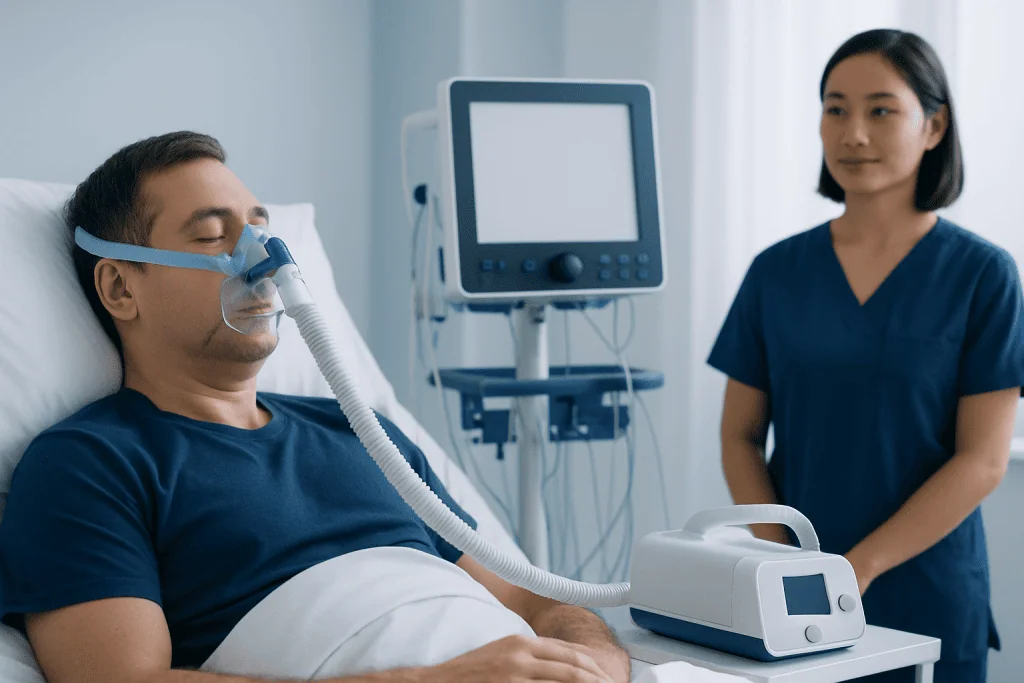
The most established treatment for obstructive sleep apnea is continuous positive airway pressure, or CPAP. This device delivers gentle air pressure through a mask to keep the airway open during sleep. When used consistently, CPAP can reduce breathing interruptions, improve oxygenation, lessen daytime sleepiness, and often help control blood pressure. For many patients, this makes sleep apnea treatment an important step toward lowering long-term health risk.
Other options may be appropriate depending on anatomy, severity, and patient preference. These include mandibular advancement devices fitted by trained dental professionals, positional therapy for people whose apnea is worse when lying on the back, and measures to reduce nasal obstruction. In some cases, doctors may discuss septoplasty or other airway procedures if structural blockage contributes to symptoms, although surgery is not right for everyone.
Weight management can be especially important because excess tissue around the airway often worsens obstructive sleep apnea. For some individuals, a structured lifestyle plan or obesity surgery may be part of broader care when obesity is severe and other measures are not enough. Even modest weight loss can improve symptoms in some people, though it does not always replace other treatment.
Treatment may improve life expectancy indirectly by reducing the burdens that untreated sleep apnea places on the heart, circulation, and metabolism. It can also improve quality of life, energy, alertness, and adherence to healthy habits such as exercise. The greatest benefit is usually seen when treatment is tailored to the person and used consistently over time.
Self-Care, Prevention, and Daily Habits That Help
Although not every case of sleep apnea can be prevented, certain daily habits may reduce severity and support better outcomes. Reaching and maintaining a healthy weight, limiting alcohol especially in the evening, avoiding sedative medicines unless prescribed and reviewed, and stopping smoking can all help reduce airway collapse during sleep.
Sleep position matters for some people. Side sleeping may decrease breathing interruptions when apnea is mainly positional. Good sleep routines, such as regular bedtimes and enough sleep duration, are also useful because sleep deprivation can worsen snoring and daytime fatigue.
Nasal congestion should not be overlooked. Managing allergies or chronic nasal blockage may make breathing more comfortable and help some people tolerate CPAP more easily. People who already use CPAP often benefit from practical adjustments such as mask refitting, humidification, and follow-up support to improve comfort and long-term use.
Self-care is helpful, but it should not replace proper evaluation when symptoms suggest sleep apnea. Because the condition can have important medical consequences, home strategies work best as part of a treatment plan developed with a qualified doctor.
When to See a Doctor
A person should seek medical advice if they snore loudly and regularly, stop breathing during sleep, wake up choking or gasping, or feel very sleepy during the day despite spending enough time in bed. Evaluation is also important when sleep problems occur alongside high blood pressure, obesity, heart disease, atrial fibrillation, stroke history, or type 2 diabetes.
Prompt medical review is especially important if daytime sleepiness affects driving, work safety, or concentration. Sudden worsening symptoms, chest pain, severe shortness of breath, or fainting need urgent medical attention because they may point to a different or more immediate health problem.
People already diagnosed with sleep apnea should return to their doctor if treatment feels uncomfortable, symptoms continue, or equipment problems interfere with use. Many issues can be improved through mask changes, pressure adjustments, or trying a different treatment approach.
For international patients, Acibadem International’s multidisciplinary specialists in JCI-accredited hospitals diagnose and treat sleep apnea with individualized plans. The goal is to identify the cause, assess overall risk, and choose treatment that supports both symptom relief and long-term health.
Frequently asked questions
Does sleep apnea shorten life expectancy?
Untreated sleep apnea is associated with health problems that can affect life expectancy, especially heart and blood vessel disease. The degree of risk varies from person to person and depends on severity, oxygen drops, and other medical conditions.
Can CPAP help a person live longer?
CPAP may help support longer-term health by reducing breathing interruptions, improving oxygen levels, and lowering stress on the cardiovascular system during sleep. It is not a guarantee of longer life, but consistent use can reduce important risks linked with untreated sleep apnea.
How quickly does treatment improve health?
Some benefits, such as less daytime sleepiness and better sleep quality, may appear within days to weeks. Other benefits, including improved blood pressure control and reduced long-term risk, usually depend on regular treatment over a longer period.
Is snoring always a sign of sleep apnea?
No. Snoring is common and can happen without sleep apnea, but loud habitual snoring with choking, witnessed pauses in breathing, or daytime sleepiness should be assessed by a doctor. A sleep study is often needed to confirm the diagnosis.
If someone loses weight, will sleep apnea go away?
Weight loss can improve sleep apnea in many people and may reduce its severity. However, it does not always eliminate the condition, so follow-up testing is often needed before stopping treatment.
What happens if sleep apnea is left untreated?
Untreated sleep apnea can lead to poor sleep quality, daytime fatigue, mood and concentration problems, and a higher risk of accidents. Over time, it may also contribute to high blood pressure, heart rhythm problems, stroke, and metabolic disease.
References
- American Academy of Sleep Medicine
- National Heart, Lung, and Blood Institute
- Centers for Disease Control and Prevention
- National Institute for Health and Care Excellence
- World Health Organization
This article is for general information only and is not a substitute for professional medical advice. Please consult a qualified doctor about your individual situation.
Sleep Apnea in Turkey — costs, top hospitals & a free quote
JCI-accredited · board-certified surgeons · reply within 24h
Add us as a Preferred Source to see more of our trusted health content across Google Search, AI Overviews and Discover.
Check your numbers in seconds
BMI, calories, due date, blood pressure and 30+ more clinical calculators — free, instant, doctor-reviewed ranges.

Otorhinolaryngology (ENT)
Care for ear, nose, throat and head-and-neck conditions, including hearing and balance disorders.
126 specialists in this unit