Can You Get an Erection after Prostate Removal: Procedure, Recovery and Results

Erections may return after prostate removal, but recovery commonly takes months and can continue for up to two years or longer. Nerve-sparing surgery, pre-surgery erectile function, age, overall health and cancer extent all influence the likelihood of recovery.
Key Takeaways
- Erections may return after prostate removal, but recovery commonly takes months and can continue for up to two years or longer.
- Nerve-sparing surgery, pre-surgery erectile function, age, overall health and cancer extent all influence the likelihood of recovery.
- Treatments such as PDE5 inhibitor tablets, vacuum erection devices, injections and penile implants may help restore sexual function.
- Orgasm can still be possible after radical prostatectomy, but ejaculation no longer occurs and fertility is permanently affected.
- New urinary leakage, fever, worsening pain, wound concerns or difficulty urinating should be assessed promptly after surgery.
Many men can regain erections after prostate removal, especially when erectile nerves can be preserved, but recovery is gradual and differs from person to person. Erectile rehabilitation, treatment for erectile dysfunction and open communication with a urology team can support sexual recovery after surgery.
Can You Get an Erection After Prostate Removal?
Yes. Many men can get an erection after prostate removal, also called radical prostatectomy, but the timing and degree of recovery vary widely. The operation can temporarily or permanently affect the delicate nerves and blood-flow mechanisms needed for an erection, so sexual function often does not return immediately after the urinary catheter is removed.
When cancer can be removed safely while preserving the erectile nerves, erections may gradually improve over months. Some men need erectile dysfunction treatment during recovery, and some continue to need it long term. A urologist can discuss the expected outlook based on the type of surgery, cancer location, age, health conditions and erectile function before treatment.
Radical prostatectomy is most often used to treat localized prostate cancer. It removes the prostate gland and seminal vesicles, then reconnects the bladder to the urethra. Because the procedure changes urinary, sexual and reproductive function, informed planning before surgery is an important part of care.
How Prostate Removal Affects Erections
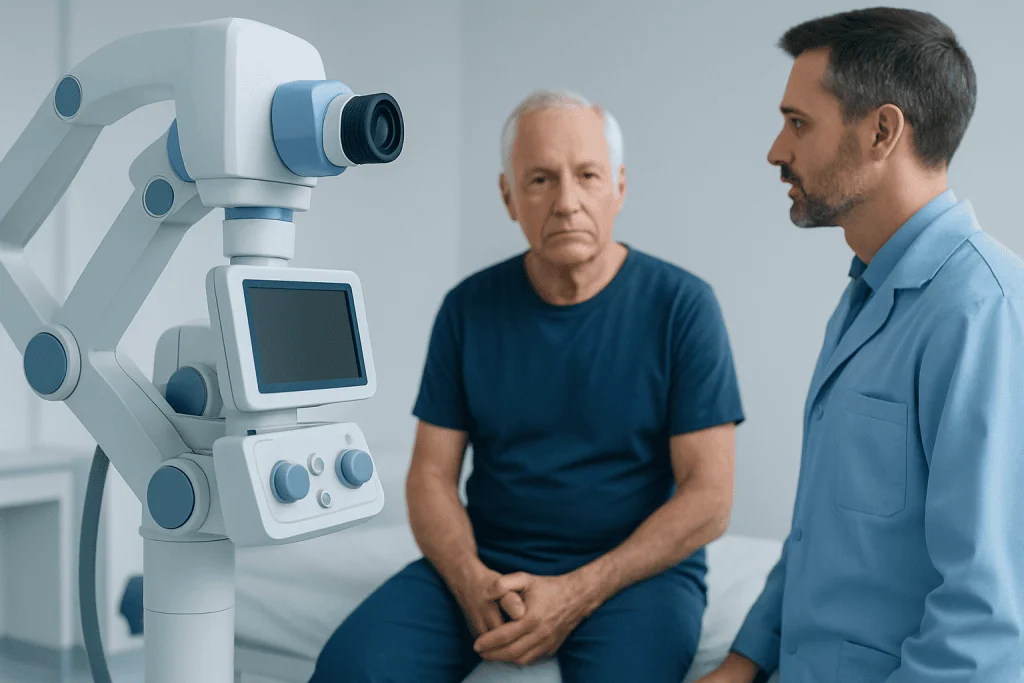
An erection depends on healthy blood vessels, penile tissue, hormones, emotional well-being and nerve signals. Two bundles of cavernous nerves run close to the prostate. During radical prostatectomy, these nerves may be stretched, bruised or affected by inflammation even when the surgeon is able to preserve them.
Nerve-sparing prostatectomy aims to protect one or both nerve bundles where this is medically appropriate. It is not suitable for every person: if cancer is very close to, or involves, the nerves, complete cancer removal may require removing tissue around them. The priority of surgery is effective cancer treatment, while preserving quality of life wherever safely possible.
Early after surgery, reduced erections are common because nerve signaling is temporarily impaired and the penis may receive fewer naturally occurring erections. In addition, diabetes, cardiovascular disease, smoking, high blood pressure, certain medicines and lower erectile function before surgery can all make recovery more difficult.
- Recovery is generally more likely when erectile function was strong before surgery.
- Preservation of both nerve bundles may offer a better chance of spontaneous erections than preservation of one or neither bundle.
- Recovery may be partial; an erection may be less firm or require treatment even when sexual activity becomes possible.
Procedure, Candidacy and What Happens During Surgery

Radical prostatectomy may be considered for prostate cancer that appears confined to the prostate or, in selected cases, has limited local spread. The care team considers cancer grade and stage, prostate-specific antigen results, imaging, biopsy findings, life expectancy, other medical conditions and the person’s treatment preferences. Alternatives may include active surveillance, radiotherapy, hormone therapy or other cancer-directed treatments, depending on the clinical situation.
The procedure can be performed through open surgery or minimally invasive laparoscopic or robot-assisted approaches. Under general anesthesia, the surgeon removes the prostate gland and seminal vesicles. Pelvic lymph nodes may also be removed when there is a meaningful risk that cancer has spread there. The bladder is then joined to the urethra, and a urinary catheter is left in place while this connection heals.
Before surgery, patients usually have blood tests, anesthesia assessment and counseling about continence, erectile function and fertility. Men who may wish to have biological children should discuss sperm banking before treatment, as radical prostatectomy causes permanent infertility. Detailed planning for robotic prostatectomy can also include discussion of nerve preservation and expected rehabilitation needs.
Recovery Timeline, Benefits and Possible Risks
Hospital stay and recovery needs vary with the surgical approach, overall health and whether complications occur. Most people begin gentle walking soon after surgery and gradually return to daily activities as advised by their surgical team. The catheter commonly remains in place for a short period, and some urinary leakage after catheter removal is expected while pelvic floor control improves.
Sexual recovery is usually slower than physical recovery. Erections may be absent or weak initially, even after successful nerve-sparing surgery. Some men notice improvement within several months, while others continue to improve over 18 to 24 months or longer. The care team may recommend early erectile rehabilitation to promote penile blood flow and help patients resume sexual activity when they feel ready.
The potential benefit of prostate removal is removal of cancer from the prostate and, for appropriate candidates, a strong chance of cancer control. Risks include bleeding, infection, blood clots, urinary incontinence, erectile dysfunction, urethral narrowing, bowel or rectal injury and the need for further treatment if cancer persists or returns. Surgery also results in dry orgasms because semen is no longer produced or released.
Emotional adjustment can be significant. Changes in sexual function, body image, relationships and concerns about cancer can affect mood and intimacy. Counseling, pelvic floor physiotherapy and involvement of a partner, if desired, can be valuable parts of recovery.
How Can I Get an Erection After Prostate Removal?
Regaining erections after prostate removal usually involves time, follow-up and individualized erectile rehabilitation. A urologist may assess erectile function before surgery and revisit it regularly afterward. Starting treatment early is sometimes recommended, although the best approach depends on surgical findings, healing, cardiovascular health and personal goals.
Common options include PDE5 inhibitor tablets, vacuum erection devices, penile injection therapy, urethral medicines and, when other approaches have not worked or are not suitable, a penile implant. These treatments can support sexual activity and, in some cases, may be used as part of a rehabilitation plan while nerves recover. They should only be used under medical guidance because some are unsafe with particular heart conditions or medicines.
Regular physical activity, not smoking, managing diabetes and blood pressure, sleeping well and limiting excess alcohol can support vascular health and erectile function. Pelvic floor muscle training is primarily used for urinary control, but it may also support sexual confidence and function for some men. A partner does not need to be excluded from the process; non-penetrative intimacy can help couples maintain closeness while recovery is ongoing.
For persistent erectile dysfunction, penile implant surgery may be discussed after conservative treatments have been tried or are unsuitable. This is a separate surgical option and requires a thorough conversation about benefits, limitations and potential complications.
Can I Take Viagra After Prostatectomy?
Some men can take sildenafil, commonly known by the brand name Viagra, after prostatectomy, but only if their treating clinician confirms it is appropriate. Sildenafil and similar medicines are PDE5 inhibitors. They improve blood flow to the penis in response to sexual stimulation, but they do not create desire or automatically restore nerve signals.
These medicines may be prescribed on demand before sexual activity or in a planned rehabilitation approach. Their effectiveness soon after surgery can be limited because the erectile nerves need time to recover. A lack of response in the early months does not necessarily predict the final recovery outcome, and the clinician may suggest a different treatment or combination approach.
PDE5 inhibitors must not be used with nitrate medicines for chest pain because the combination can cause a dangerous fall in blood pressure. Men with significant heart disease, unstable blood pressure, recent cardiovascular events or certain eye conditions should seek individualized medical advice. Patients should not buy erectile dysfunction medicines from unregulated sources or change prescribed medicines without consulting their doctor.
What Happens to Men’s Life After Prostate Removal Surgery?
After prostate removal, most men can return to everyday activities, relationships and work, although recovery takes time. The most notable long-term changes may involve urination, sexual function and fertility. Urinary leakage often improves with healing and pelvic floor exercises, but some men have persistent stress incontinence that needs additional treatment.
Men can still experience sexual desire, touch, orgasm and emotional intimacy after surgery. However, orgasm is dry because the prostate and seminal vesicles have been removed. Some men experience changes in orgasm intensity, penile length or a small amount of urine leakage during orgasm. These are sensitive but treatable concerns that should be discussed openly with the urology team.
Follow-up appointments typically include monitoring prostate-specific antigen levels to check for evidence of cancer recurrence. The emotional impact of cancer treatment can also continue after physical healing. Support from a partner, sexual-health counselor, psychologist or cancer support group may help men and families adapt to the changes.
Acibadem International’s multidisciplinary specialists at JCI-accredited hospitals support international patients with prostate cancer evaluation, surgery, rehabilitation and follow-up planning.
Do Nerves Grow Back After Prostate Surgery?
The erectile nerves do not usually “grow back” in the same simple way as a cut nerve in another part of the body. When nerves are preserved during surgery, they may recover gradually from temporary injury, swelling and reduced function. This healing process can be slow, which is one reason erections may improve over many months.
If one or both nerve bundles must be removed to treat cancer safely, spontaneous erections are less likely. However, erectile dysfunction treatments can still create erections suitable for sexual activity because some work directly on penile blood flow rather than relying entirely on the original nerve pathway.
It is helpful to view recovery as a process rather than a fixed early outcome. Follow-up with a urologist or sexual-medicine specialist can identify reversible factors, review treatment choices and adjust the plan as healing progresses. The goal is not only an erection but also comfort, confidence, intimacy and overall quality of life.
When to Seek Medical Care
After prostate surgery, patients should contact their surgical team promptly for fever, chills, worsening redness or drainage from an incision, severe or increasing pain, heavy bleeding, chest pain, shortness of breath, calf swelling, inability to pass urine after catheter removal, or a catheter that stops draining. These symptoms may need urgent assessment.
Medical advice is also appropriate for persistent urinary leakage, painful erections, penile curvature, distress about sexual changes or erections that do not improve as expected. Erectile dysfunction is a common medical consequence of prostate cancer treatment, not a personal failure, and effective support is available.
Regular follow-up is important even when recovery seems to be going well. The team can monitor cancer control, urinary symptoms, sexual function and emotional well-being, and can refer to pelvic floor therapists, sexual-health professionals or mental-health support when needed.
Frequently asked questions
Can you get an erection after prostate removal?
Yes, many men can regain erections after radical prostatectomy, particularly when nerve-sparing surgery is possible. Recovery varies substantially and may take months or up to two years or longer. Some men require erectile dysfunction treatment during recovery or long term.
How soon can erections return after prostatectomy?
Erections are often reduced or absent immediately after surgery because the nerves around the prostate need time to heal. Some improvement may occur within months, but recovery can continue for 18 to 24 months or longer. The timeline depends on nerve preservation, preoperative erectile function, age and general health.
Can I take Viagra after prostatectomy?
A clinician may prescribe sildenafil or another PDE5 inhibitor after prostatectomy if it is safe for the individual. These medicines should never be combined with nitrate medications and may not be suitable for everyone with cardiovascular conditions. They may help with rehabilitation or sexual activity, but they require some degree of nerve and sexual stimulation response.
Can a man still have an orgasm after prostate removal?
Yes, orgasm is still possible after prostate removal. However, it is dry because the prostate and seminal vesicles, which contribute to semen, have been removed. The sensation may be different, and some men experience urine leakage during orgasm.
Do nerves grow back after prostate surgery?
Nerves that are preserved may gradually recover from surgical stress and inflammation, allowing erectile function to improve over time. If nerves had to be removed for cancer control, they generally do not regrow in a way that restores normal spontaneous erections. Other erectile dysfunction treatments may still be effective.
Is erectile dysfunction after prostate surgery permanent?
Not always. Erectile dysfunction is common after surgery, but some men recover spontaneous erections partially or fully over time. If recovery is incomplete, treatments such as tablets, vacuum devices, injections or penile implants can often help men achieve erections for sexual activity.
References
- American Urological Association
- European Association of Urology
- National Cancer Institute
- National Health Service
- American Cancer Society
This article is for general information only and is not a substitute for professional medical advice. Please consult a qualified doctor about your individual situation.
Explore treatments in Turkey — costs, top hospitals & a free quote
JCI-accredited · board-certified surgeons · reply within 24h
Add us as a Preferred Source to see more of our trusted health content across Google Search, AI Overviews and Discover.
Check your numbers in seconds
BMI, calories, due date, blood pressure and 30+ more clinical calculators — free, instant, doctor-reviewed ranges.

More from the Health Library



Related Specialists

Assoc. Prof. Dr. Kamer Dere
Treatment of Pain Algology
Dr. Arzu Morçiçek
Oral & Dental Health
Prof. Dr. Koray Özduman
Neurosurgery
Assoc. Prof. Dr. Bora Özveren
Urology