Can You Have a Stomach Bug Without Being Sick? A Doctor-Reviewed Answer

A person can carry a stomach bug and have no symptoms or only very mild digestive discomfort. Mild nausea, bloating, loose stool, or reduced appetite can sometimes be the only signs.
Key Takeaways
- A person can carry a stomach bug and have no symptoms or only very mild digestive discomfort.
- Mild nausea, bloating, loose stool, or reduced appetite can sometimes be the only signs.
- Not every upset stomach is a stomach bug; food intolerance, stress, medication side effects, and other digestive conditions can look similar.
- Medical review is important for dehydration, blood in stool, severe pain, high fever, or symptoms that do not improve.
- Doctors diagnose the cause by reviewing symptoms, exposure history, medicines, hydration, and sometimes stool or blood tests.
Yes, it is possible to have a stomach bug without feeling obviously sick. Some viral or bacterial digestive infections cause no symptoms or only very mild changes, while others may signal a different issue that a doctor can help identify.
Overview: Can a stomach bug happen without obvious illness?
Yes. A person can have a stomach bug without feeling distinctly ill, especially if the infection is mild, early, or causes only subtle symptoms. In many cases this is harmless and short-lived. The immune system may limit the infection quickly, so the person notices only brief nausea, mild cramping, a temporary change in appetite, or slightly loose stools.
The phrase “stomach bug” usually refers to viral gastroenteritis, but people also use it for other short-term digestive infections. These infections can spread through close contact, contaminated food or water, or touching shared surfaces and then the mouth. Some people develop vomiting and diarrhea, while others have little or no discomfort at all.
That said, not every vague stomach symptom is caused by an infection. Indigestion, food intolerance, medication side effects, anxiety, and conditions such as irritable bowel syndrome may produce similar symptoms. The main question is not only whether a bug is possible, but whether the symptoms fit a self-limited illness or suggest another cause that needs attention.
What mild or hidden symptoms can occur?
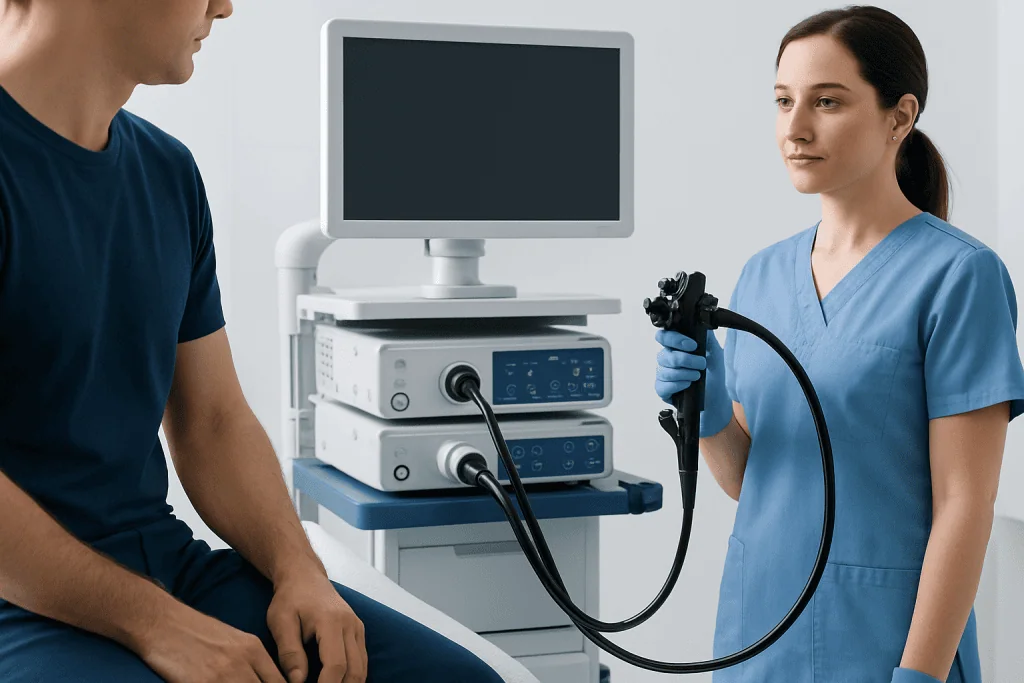
When a stomach bug does not make a person feel clearly “sick,” the symptoms are often easy to overlook. There may be mild digestive upset for a day or two, occasional nausea without vomiting, or a change in bowel habits that seems minor. Some people mainly feel tired, less hungry than usual, or unusually gassy.
Possible mild symptoms include:
- Brief nausea
- Light stomach cramps
- Bloating or excess gas
- One or two loose stools
- Reduced appetite
- Low energy or mild fatigue
- A general “off” feeling without clear vomiting or diarrhea
Children, older adults, and people with sensitive digestive systems may notice symptoms differently. For example, one person may feel only bloating, while another may have a stronger urge to use the bathroom. The body’s response, the type of germ involved, and recent food intake all affect how noticeable the illness becomes.
Why symptoms can be so mild

Several factors can explain why one person feels very unwell from a stomach bug while another barely notices it. A small amount of exposure, a strong immune response, previous immunity to a similar virus, and good general health may all reduce symptom severity. The stage of infection also matters: symptoms may be minimal at first and become more noticeable later.
Different causes affect the digestive tract in different ways. Viral gastroenteritis often causes short-lived symptoms, but bacteria, foodborne toxins, and parasites can vary more widely. Some infections create intense vomiting and diarrhea, while others lead only to mild abdominal discomfort. This is one reason doctors look at timing, exposures, travel, and whether other people nearby are sick.
There is also an important practical point: a person may feel mostly well but still be contagious. Careful handwashing, cleaning shared bathroom surfaces, and avoiding food preparation for others while having diarrhea or vomiting can help limit spread, even when symptoms seem minor.
If it may not be a stomach bug, what else could it be?
Many noninfectious problems can mimic a mild stomach bug. Common examples include overeating, alcohol use, temporary indigestion, lactose intolerance, reactions to rich or spicy food, and medication side effects such as antibiotics or anti-inflammatory medicines. Stress and anxiety can also affect how the stomach and intestines move, leading to cramps, nausea, or bowel changes.
Doctors also consider longer-lasting digestive conditions if symptoms keep returning. These may include acid reflux, constipation, food sensitivities, gallbladder problems, or inflammatory conditions of the gut. In some cases, persistent diarrhea or abdominal pain needs evaluation for Crohn’s disease or other intestinal disorders rather than an infection.
Because symptoms can overlap, the pattern often gives useful clues. A true stomach bug is usually sudden and improves within a few days. Symptoms that repeatedly occur after certain foods, continue for weeks, wake a person at night, or are associated with weight loss are less typical of a simple stomach virus.
How doctors tell the difference
If symptoms are mild and short-lived, testing is often not needed. A doctor usually begins by asking when symptoms started, whether there has been vomiting, diarrhea, fever, blood in the stool, recent travel, sick contacts, antibiotic use, or possible food poisoning exposure. Hydration status is especially important, because even a brief illness can cause fluid loss in some people.
The physical exam may include checking temperature, pulse, blood pressure, abdominal tenderness, and signs of dehydration such as dry mouth or reduced urination. When symptoms are unusual, severe, or prolonged, a doctor may order stool tests, blood tests, or imaging to look for infection, inflammation, or other digestive causes. In some situations, further evaluation by a specialist in gastroenterology care can help clarify the diagnosis.
This step-by-step approach matters because treatment depends on the cause. Viral illness usually improves with supportive care, while bacterial infection, medication-related symptoms, or chronic digestive disease may require a different plan. If severe abdominal pain or another urgent concern is present, doctors may also use diagnostic imaging to rule out other abdominal conditions.
Treatment and self-care for mild cases
For a likely mild stomach bug, treatment is usually supportive. The main goals are rest, hydration, and easing digestive strain until the gut settles. Small sips of water, oral rehydration solutions, clear soups, and bland foods are often better tolerated than large meals. Many people improve within one to three days, although bowel habits can take a little longer to return to normal.
Helpful self-care steps include:
- Drink fluids regularly, especially after loose stools
- Choose simple foods such as toast, rice, bananas, applesauce, or crackers if appetite is reduced
- Avoid heavy, greasy, very spicy, or highly sugary foods for a short time
- Limit alcohol until fully recovered
- Wash hands carefully after using the bathroom and before eating
- Rest and return to normal activities gradually
Medicines may sometimes help symptoms, but they are not right for everyone. Antidiarrheal or anti-nausea medicines should be used carefully, especially in children, older adults, pregnancy, or if there is fever or blood in the stool. A qualified clinician or pharmacist can advise whether symptom relief is appropriate.
When to seek medical care
Although many mild stomach bugs pass on their own, some symptoms should not be ignored. Medical review is important if there is severe or worsening abdominal pain, repeated vomiting that prevents drinking, signs of dehydration, a high fever, or blood in the stool. These features may point to a more significant infection or a different condition altogether.
It is also sensible to contact a doctor if symptoms last more than a few days, keep coming back, or occur in someone at higher risk of complications, such as a young child, older adult, pregnant person, or someone with a weakened immune system. Weight loss, black stools, fainting, confusion, or very little urination are stronger warning signs and need prompt assessment.
For people who need specialist evaluation, care may involve hydration support, laboratory testing, and tailored treatment. Near the end of the care pathway, it may be helpful to know that Acibadem International’s multidisciplinary specialists and JCI-accredited hospitals evaluate digestive complaints for international patients, including advanced endoscopy when a doctor believes it is needed.
Frequently asked questions
Can you carry a stomach bug and feel normal?
Yes. Some people carry a digestive infection and have no symptoms or only very mild ones, such as a little nausea or one loose stool. Even when symptoms are minimal, good hand hygiene is important because some infections can still spread to others.
How do mild stomach bug symptoms usually feel?
They may feel like a vague upset stomach rather than a clear illness. Common examples include mild cramping, bloating, reduced appetite, nausea without vomiting, or slightly loose bowel movements for a short time.
How long should a mild stomach bug last?
Many mild cases improve within one to three days, though the digestive system may take a little longer to feel completely normal. If symptoms last more than a few days or keep returning, a doctor should review the cause.
Can it be a stomach bug if there is no vomiting or diarrhea?
Yes, that is possible. Some infections are so mild that they cause only nausea, stomach discomfort, bloating, or fatigue. However, similar symptoms can also come from indigestion, food intolerance, stress, or medication side effects.
When is a mild stomach issue not just a stomach bug?
It may not be a simple bug if symptoms are severe, persistent, linked to certain foods, or associated with weight loss, blood in the stool, or nighttime symptoms. These patterns can suggest another digestive condition that needs evaluation.
What should a person eat if they think they have a mild stomach bug?
Small amounts of fluids and simple foods are usually best at first. Water, oral rehydration solutions, broth, toast, rice, bananas, and crackers are often easier to tolerate than rich or greasy meals.
References
- Centers for Disease Control and Prevention
- National Institute of Diabetes and Digestive and Kidney Diseases
- National Health Service
- Mayo Clinic
- World Health Organization
This article is for general information only and is not a substitute for professional medical advice. Please consult a qualified doctor about your individual situation.
Persistent digestive symptoms? Get evaluated in Turkey
JCI-accredited · board-certified surgeons · reply within 24h
Add us as a Preferred Source to see more of our trusted health content across Google Search, AI Overviews and Discover.