Can You Live Without a Pancreas? A Doctor-Reviewed Answer

It is possible to live without a pancreas, most often after surgery called total pancreatectomy. The pancreas helps control blood sugar and digestion, so replacement treatment is essential after removal.
Key Takeaways
- It is possible to live without a pancreas, most often after surgery called total pancreatectomy.
- The pancreas helps control blood sugar and digestion, so replacement treatment is essential after removal.
- Most people need lifelong insulin, pancreatic enzyme medicines, and regular follow-up care.
- Doctors remove the pancreas only for specific medical reasons, such as some cancers, severe pancreatitis, or certain cysts and tumors.
- Prompt medical review is important for severe abdominal pain, jaundice, unexplained weight loss, or symptoms of high or low blood sugar.
Yes, a person can live without a pancreas, but not without ongoing medical treatment. After pancreas removal, the body usually needs lifelong insulin and pancreatic enzyme replacement to manage blood sugar and digestion.
Overview: Can a Person Live Without a Pancreas?
Yes. A person can live without a pancreas, but they cannot live in the same way without medical support. When the pancreas is removed or no longer functions, the body loses an important source of insulin and digestive enzymes. As a result, daily treatment is usually needed to replace these functions.
For many readers, this question comes up after hearing about pancreatic surgery, severe pancreatitis, or pancreatic cancer. It can sound frightening, but the answer is often more reassuring than expected: survival is possible, and many people adapt well with specialist care, medication, nutrition support, and close monitoring.
The pancreas has two major jobs. First, it makes hormones such as insulin that help control blood sugar. Second, it produces enzymes that break down fats, proteins, and carbohydrates during digestion. Without these functions, blood sugar can become difficult to manage and food may not be absorbed properly unless treatment is provided.
Doctors usually recommend pancreas removal only when the expected benefits outweigh the risks. This may happen in selected cases of cancer, precancerous changes, trauma, or severe chronic inflammation. The goal is not simply to remove an organ, but to treat a serious underlying condition while planning carefully for long-term life after surgery.
What Happens if the Pancreas Is Removed?
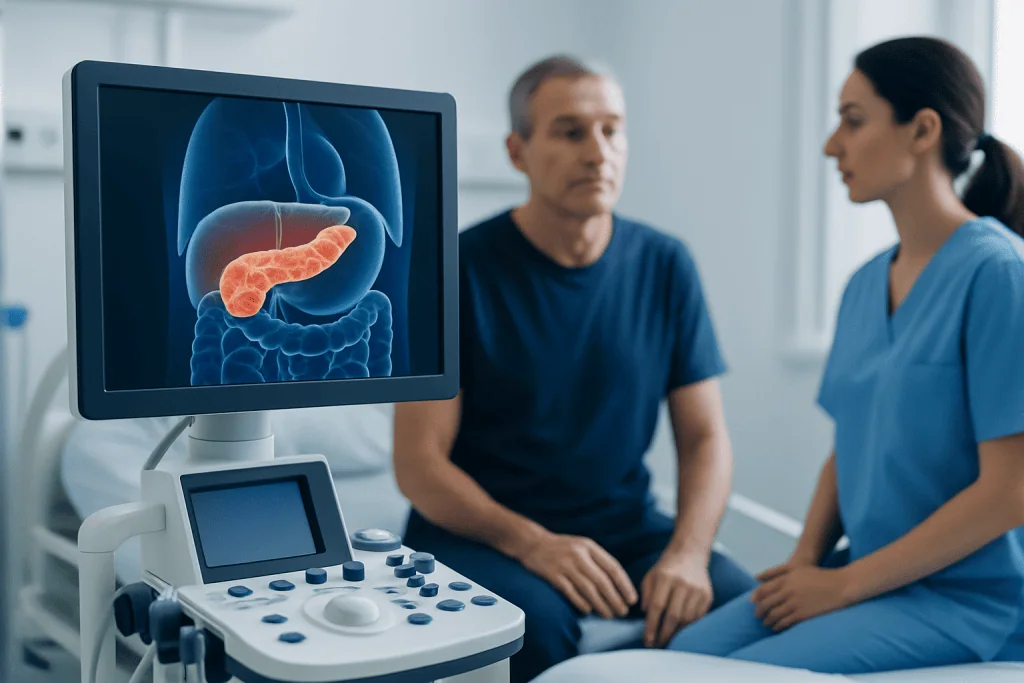
The complete removal of the pancreas is called a total pancreatectomy. After this operation, the body no longer makes pancreatic enzymes or insulin in the usual way. This leads to two main challenges: diabetes that requires lifelong insulin, and malabsorption that requires enzyme replacement with meals.
People may also notice changes in appetite, bowel habits, weight, and energy levels while recovering. Some experience diarrhea, bloating, oily stools, or unintentional weight loss if enzyme therapy needs adjustment. These problems can often be improved when medications, meal timing, and nutrition plans are tailored to the individual.
Blood sugar management after pancreas removal is usually more complex than in common forms of diabetes because both insulin and other pancreatic hormones are affected. For this reason, follow-up often involves endocrinology, gastroenterology, surgery, and dietetic support. In some cases, doctors may discuss advanced diabetes care tools or specialized procedures, including pancreas transplantation in very selected situations.
Living without a pancreas therefore means living with a well-structured care plan. It does not mean a person cannot eat, travel, work, or remain active. It does mean that regular medication, attention to blood sugar, and follow-up appointments become an essential part of daily life.
Why Would Someone Need to Have the Pancreas Removed?
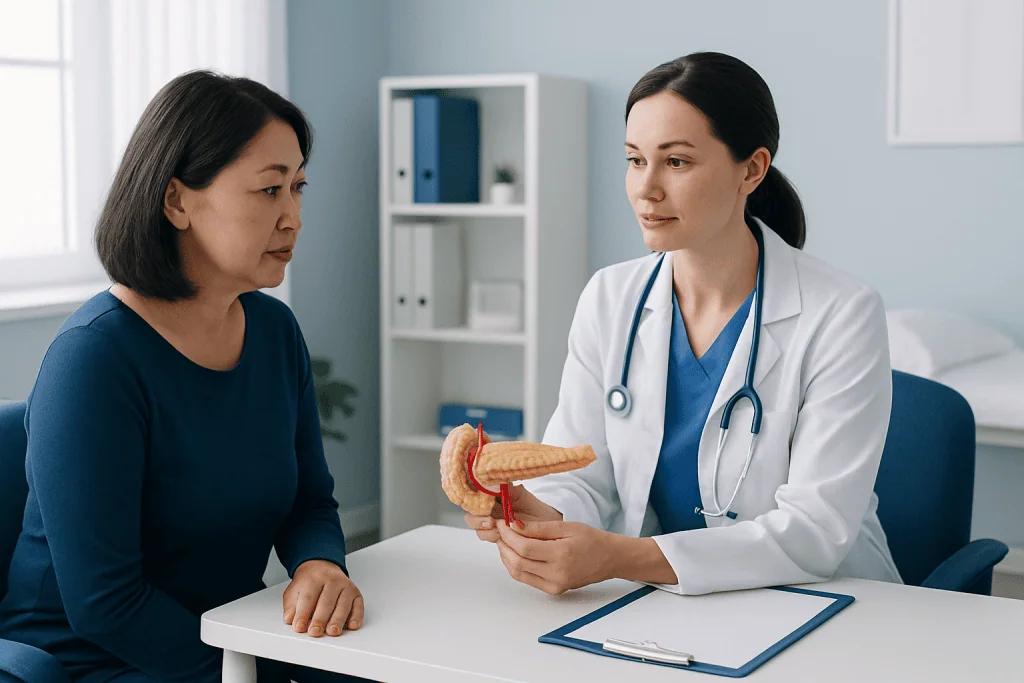
Doctors do not remove the pancreas lightly. Surgery is usually considered only for serious conditions that cannot be treated safely in simpler ways. One of the best-known reasons is pancreatic cancer, but it is not the only one.
Other reasons can include severe or recurrent pancreatitis, certain pancreatic cysts with high-risk features, neuroendocrine tumors, major abdominal injury, or widespread disease affecting the gland. Sometimes only part of the pancreas is removed, which may preserve some pancreatic function. In other cases, total removal is the safest or most effective option.
Before surgery, the medical team looks closely at imaging, biopsy results when needed, symptoms, the extent of disease, and the person’s overall health. The aim is to choose the least invasive treatment that still gives the best chance of controlling the condition. Some patients may instead be candidates for the Whipple procedure, which removes part of the pancreas rather than all of it.
Because the reasons for surgery vary so much, the outlook also varies. A person having surgery for a benign but difficult condition may face different long-term issues than someone being treated for cancer. This is why individualized counseling is so important before any major pancreatic operation.
Symptoms and Long-Term Effects After Pancreas Removal
After total pancreatectomy, the most important long-term effects involve blood sugar and digestion. Without insulin production, diabetes develops and requires careful treatment. Without enzyme production, the body may struggle to digest food fully, especially fat, unless pancreatic enzymes are taken with meals and snacks.
Common symptoms that may need medical review include thirst, frequent urination, shakiness, sweating, dizziness, unexpected weight loss, loose or greasy stools, bloating, and fatigue. These symptoms do not always mean something serious is wrong, but they can signal that insulin, food intake, or enzyme replacement needs adjustment.
Some people also develop vitamin deficiencies over time, especially if fat absorption is reduced. Doctors may monitor vitamins such as A, D, E, and K, as well as overall nutrition, bone health, and body weight. Follow-up helps identify concerns early, before they become more disruptive.
Emotionally, adapting to life after pancreas surgery can take time. Learning to balance meals, enzymes, insulin, and symptom monitoring may feel overwhelming at first. With education and support, many people become confident in managing these changes and recognizing when they need extra help.
How Doctors Diagnose the Cause and Plan Treatment
When someone asks, “can you live without a pancreas,” the next clinical question is often why pancreas function is absent or why surgery might be needed. Doctors begin with a careful history and examination. They ask about abdominal pain, jaundice, appetite changes, diabetes symptoms, digestive problems, family history, and prior episodes of pancreatitis or abdominal surgery.
Diagnostic steps often include blood tests to assess liver function, blood sugar, nutrition, inflammation, and pancreatic-related markers when appropriate. Imaging tests may include ultrasound, CT, MRI, or specialized endoscopic procedures to look at the pancreas and nearby structures. If a mass or cyst is found, additional evaluation may be needed to clarify whether it is benign, precancerous, or cancerous.
When surgery is being considered, the assessment also focuses on whether the person is fit for an operation and what type of operation is most appropriate. In some cases, doctors recommend less extensive surgery or other treatments instead of removing the whole pancreas. If a suspicious growth is present, care may involve the broader evaluation and planning used in pancreatic cancer treatment.
This step-by-step approach is important because not every pancreatic problem requires total removal. Accurate diagnosis helps avoid unnecessary surgery and allows the team to prepare the patient for what recovery and long-term treatment will involve.
Treatment and Daily Life Without a Pancreas
The main treatments after total pancreas removal are insulin replacement, pancreatic enzyme replacement, and nutrition support. Insulin is needed because the body no longer produces it adequately. Enzyme capsules are usually taken with food so nutrients can be digested and absorbed more effectively.
Diet does not have to be extreme, but it usually needs planning. Many people do better with regular meals, attention to carbohydrate intake, and close observation of how certain foods affect blood sugar and digestion. A dietitian can help create an eating pattern that supports energy, weight maintenance, and symptom control.
Regular blood glucose monitoring is a key part of safety. Some people use insulin injections, while others may use devices such as continuous glucose monitors or insulin pumps if advised by their care team. Medication plans are individualized, and they often need adjustment over time, especially during illness, stress, travel, or changes in appetite.
Long-term care also includes follow-up for nutritional status, bowel symptoms, and any condition that led to surgery in the first place. Near the end of recovery, some patients benefit from care in centers with multidisciplinary pancreatic expertise. Acibadem International’s multidisciplinary specialists and JCI-accredited hospitals diagnose and treat pancreatic conditions for international patients when advanced evaluation or surgery is needed.
When to Seek Medical Care
Many digestive complaints after pancreas surgery can be managed, and not every symptom means an emergency. Still, prompt medical advice is important if there is persistent vomiting, severe abdominal pain, jaundice, fever, confusion, fainting, inability to eat or drink, or signs of dehydration. These symptoms need professional assessment rather than home management alone.
People living without a pancreas should also seek medical care for symptoms of very high or very low blood sugar. Warning signs can include unusual thirst, frequent urination, blurred vision, shakiness, sweating, rapid heartbeat, severe weakness, or changes in alertness. Blood sugar problems can escalate quickly if not treated.
Unexplained weight loss, ongoing diarrhea, oily stools, or worsening fatigue also deserve review because they may point to poor enzyme replacement, malnutrition, or another digestive issue. If the pancreas was removed because of cancer or a high-risk lesion, scheduled follow-up is especially important to monitor overall recovery and long-term health.
As a general rule, new, severe, or rapidly worsening symptoms should be discussed with a qualified doctor. Early assessment is often the best way to prevent complications and improve comfort.
Frequently asked questions
Can you survive after your pancreas is removed?
Yes. A person can survive without a pancreas, but lifelong medical treatment is usually necessary. Most people need insulin for blood sugar control and pancreatic enzyme replacement to help digest food.
Can you live a normal life without a pancreas?
Many people can return to daily activities, work, and travel after recovery, but life usually requires more planning. Blood sugar monitoring, medication routines, meal timing, and regular follow-up become part of long-term care.
Why can't the body function normally without the pancreas?
The pancreas makes insulin and digestive enzymes. Without it, the body cannot regulate blood sugar normally and may not absorb nutrients well unless these functions are replaced with treatment.
Does everyone who has pancreatic surgery lose the whole pancreas?
No. Some operations remove only part of the pancreas, depending on the condition and where it is located. When part of the gland remains, some pancreatic function may be preserved, although support may still be needed.
What do people eat after pancreas removal?
Most people can eat a varied diet, but they usually need pancreatic enzymes with meals and may benefit from regular meal timing. A dietitian often helps adjust food choices to support blood sugar control, weight, and digestion.
Is diabetes after pancreas removal the same as type 1 or type 2 diabetes?
It is different in important ways. After total pancreatectomy, diabetes develops because the pancreas no longer makes insulin and other hormones normally, so management often needs close specialist input.
References
- National Institute of Diabetes and Digestive and Kidney Diseases
- American Cancer Society
- National Cancer Institute
- American Diabetes Association
- Mayo Clinic
This article is for general information only and is not a substitute for professional medical advice. Please consult a qualified doctor about your individual situation.
Explore treatments in Turkey — costs, top hospitals & a free quote
JCI-accredited · board-certified surgeons · reply within 24h
Add us as a Preferred Source to see more of our trusted health content across Google Search, AI Overviews and Discover.