Can You Live Without a Prostate? Causes, Explanations, and Next Steps

A person can live without a prostate after surgery, most commonly a radical prostatectomy for prostate cancer. The prostate contributes fluid to semen but does not make testosterone or control the ability to have an orgasm.
Key Takeaways
- A person can live without a prostate after surgery, most commonly a radical prostatectomy for prostate cancer.
- The prostate contributes fluid to semen but does not make testosterone or control the ability to have an orgasm.
- Urinary leakage and erectile difficulties are common early concerns after prostate removal, though recovery varies between individuals.
- A radical prostatectomy causes permanent infertility because semen can no longer be ejaculated.
- New inability to urinate, fever, severe pain, heavy bleeding, or worsening symptoms after surgery need prompt medical review.
Yes, a person can live without a prostate. The prostate is not needed for survival, but its removal can change urinary control, ejaculation, fertility, and erections; these effects can often be treated or managed with specialist support.
Can a Person Live Without a Prostate?
Yes, a person can live without a prostate. The prostate is not essential for survival, and many people continue active, healthy lives after it is removed. Removal is usually planned to treat prostate cancer, while partial removal may sometimes be considered for severe urinary blockage caused by benign prostate enlargement.
For someone who has undergone a planned operation and is recovering as expected, not having a prostate is not inherently dangerous. The main changes relate to the urinary and reproductive systems rather than to overall life expectancy or general physical strength. However, new difficulty passing urine, fever, worsening pelvic pain, heavy bleeding, or symptoms that develop suddenly should be assessed by a healthcare professional.
A doctor will begin by reviewing the person’s symptoms, medical history, medicines, and any previous prostate treatment. Depending on the concern, assessment may include a physical examination, urine testing, blood tests, measurement of urine remaining in the bladder after urination, imaging, or referral to a urologist. These steps help distinguish normal recovery effects from problems such as infection, narrowing of the urinary passage, or recurrence of disease.
What the Prostate Does—and What Changes After Removal
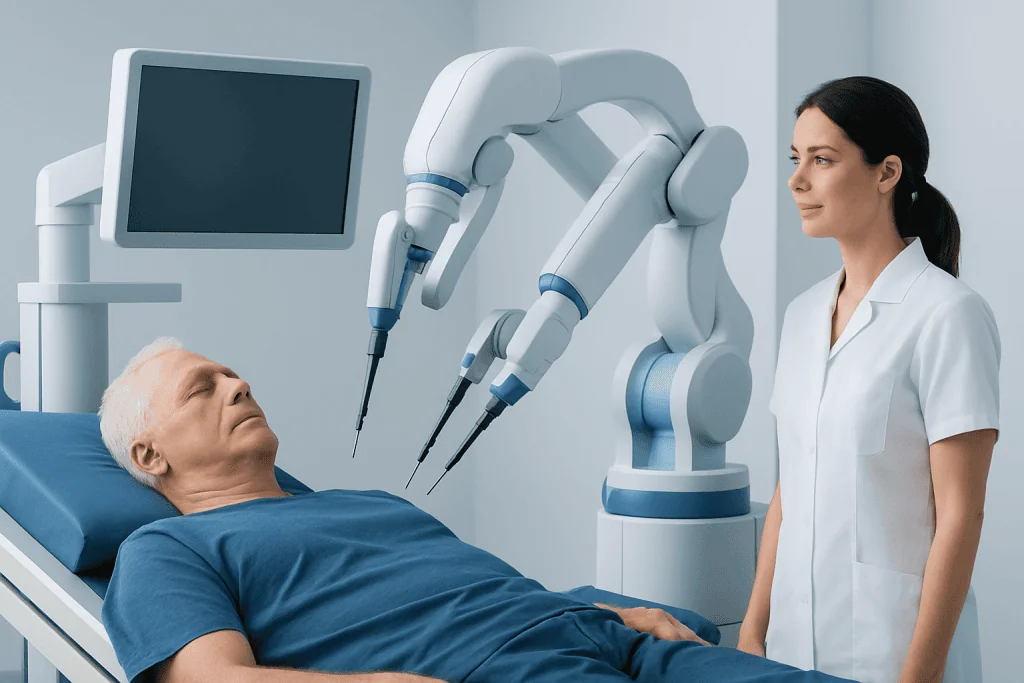
The prostate is a walnut-sized gland located below the bladder and in front of the rectum. It surrounds part of the urethra, the tube that carries urine from the bladder out of the body. The gland produces some of the fluid that mixes with sperm to form semen.
The prostate does not produce testosterone. Testosterone is made mainly in the testicles, so prostate removal does not directly cause low testosterone. It also does not remove the ability to feel sexual desire or have an orgasm, although surgery and cancer treatment can affect sexual function in other ways.
During a radical prostatectomy, the surgeon removes the entire prostate and usually the seminal vesicles. The bladder is then connected directly to the remaining urethra. This operation is most often used when prostate cancer is believed to be confined to the prostate or nearby area.
A simple prostatectomy is different. It removes the enlarged inner part of the prostate to improve urine flow in selected people with benign prostatic hyperplasia, or BPH. Some prostate tissue remains, and the possible effects on ejaculation, urinary control, and cancer follow-up differ from those after radical prostatectomy.
Why Might the Prostate Be Removed?

The most common reason for complete prostate removal is prostate cancer. Surgery may be recommended when cancer appears localized and the person is medically fit for an operation. The decision is individualized and may also involve active surveillance, radiation therapy, hormone therapy, or other treatments depending on the cancer’s features and the person’s health priorities.
Benign prostate enlargement is a common cause of urinary symptoms in older adults, but it does not usually require complete removal of the gland. BPH can narrow the urethra and lead to a weak stream, straining, frequent urination, waking at night to urinate, or incomplete bladder emptying. Medication and minimally invasive procedures are often considered before more extensive surgery.
Rarely, surgery may be needed because of serious bleeding, recurrent urinary retention, bladder stones, kidney effects from longstanding obstruction, or complications that have not improved with other care. A urologist considers the size and anatomy of the prostate, symptom severity, test results, personal goals, and the risks of each option.
Having urinary symptoms does not automatically mean that the prostate must be removed. Many symptoms are caused by noncancerous enlargement, urinary infection, bladder conditions, medication effects, or other health issues. A proper evaluation is important before making treatment decisions.
Life After Prostate Removal: Urinary, Sexual, and Fertility Effects
Urinary leakage, also called urinary incontinence, is one of the most recognized effects after radical prostatectomy. It is often most noticeable when coughing, lifting, standing, or exercising. Control commonly improves over the months after surgery as tissues heal and pelvic floor muscles strengthen, but the pace and degree of recovery vary.
Pelvic floor muscle training, sometimes guided by a physiotherapist, can help improve control. Some people benefit from absorbent pads during recovery. If bothersome leakage persists, a urologist can discuss further treatments, which may include devices or surgery in carefully selected cases.
Erectile dysfunction can occur because the nerves and blood vessels involved in erections lie very close to the prostate. When it is medically safe, surgeons may use nerve-sparing techniques, but this is not always possible, particularly if cancer is close to these structures. Age, erections before treatment, other conditions such as diabetes or vascular disease, and the type of treatment all influence recovery.
After radical prostatectomy, a person no longer ejaculates semen because the prostate and seminal vesicles have been removed. Orgasm may still be possible, but it is dry. This means natural conception is no longer possible after surgery, so people who may wish to have biological children should ask about sperm banking before treatment. Treatments for erection difficulties can include tablets, vacuum devices, injections, or penile implants, depending on individual circumstances.
Recovery, Follow-Up, and Looking After Well-Being
Recovery from prostate surgery is gradual. A urinary catheter is usually used temporarily after a radical prostatectomy while the connection between the bladder and urethra heals. The surgical team explains catheter care, activity restrictions, wound care, pain management, and when normal movement, driving, work, and exercise can be resumed.
Follow-up after surgery for prostate cancer commonly includes prostate-specific antigen, or PSA, blood tests. After complete prostate removal, PSA is expected to become very low or undetectable. A detectable or rising PSA does not always provide the full answer on its own, but it needs review by the treating team because it may guide further monitoring or treatment.
Emotional recovery matters as much as physical healing. Changes in continence, erections, body image, relationships, and fertility can be difficult even when surgery has been successful. Open discussion with a partner, a urologist, continence specialist, sexual health clinician, psychologist, or cancer support professional can be helpful.
Healthy habits support general recovery and long-term health. These include attending follow-up appointments, staying physically active within medical advice, eating a balanced diet, avoiding smoking, limiting alcohol, maintaining a healthy weight where possible, and managing conditions such as high blood pressure and diabetes.
When to Seek Medical Care
After prostate surgery, patients should contact their surgical or urology team promptly for fever, chills, worsening pain, redness or discharge around a wound, foul-smelling urine, persistent vomiting, or a general feeling of being unwell. These symptoms can indicate an infection or another complication that may need treatment.
Urgent medical attention is appropriate for an inability to pass urine, a blocked or dislodged catheter, large blood clots in the urine, heavy bleeding, severe lower abdominal pain, chest pain, shortness of breath, or sudden swelling and pain in one leg. These symptoms are not expected parts of routine recovery and should not be managed alone at home.
People who have not had prostate surgery should arrange a medical review for new urinary symptoms that persist, blood in the urine or semen, repeated urinary infections, unexplained weight loss, persistent bone pain, or trouble emptying the bladder. These symptoms often have treatable, noncancerous explanations, but assessment helps identify the cause.
A person should also seek support if urinary leakage, erectile difficulties, low mood, anxiety, or relationship strain is affecting quality of life. These concerns are common and valid reasons to ask for help; they do not need to be accepted as an unavoidable outcome of treatment.
Questions to Discuss With a Urologist
Before prostate removal, it can help to ask why surgery is being recommended, what alternatives are suitable, and whether the procedure will be radical or simple. For cancer, useful questions include the stage and grade of the cancer, whether nerve-sparing surgery is possible, and how surgery compares with radiation treatment or surveillance in that individual situation.
People may also ask about expected recovery time, catheter use, continence rehabilitation, sexual rehabilitation, and the likely impact on fertility. Anyone who may want children in the future should discuss sperm preservation before treatment begins, as this option is generally not available after radical prostatectomy.
Following surgery, ongoing questions may focus on PSA monitoring, return to exercise and work, urinary control, intimacy, and whether additional treatment is needed. Keeping a brief record of urinary symptoms, pad use, erections, pain, and questions can make follow-up appointments more productive.
Acibadem International’s multidisciplinary specialists and JCI-accredited hospitals provide evaluation and treatment for prostate conditions for international patients. A qualified urologist can explain which approach best matches the individual’s diagnosis, health status, and priorities.
Frequently asked questions
Can you live a normal life without a prostate?
Many people live full and active lives after their prostate is removed. The main adjustments may involve bladder control, erections, ejaculation, and fertility rather than survival or testosterone production. Recovery and long-term effects differ from person to person.
Does removing the prostate lower testosterone?
No. The prostate does not make most of the body’s testosterone; testosterone is produced mainly in the testicles. A person can still develop low testosterone for other reasons, so symptoms such as low libido, fatigue, or reduced energy should be discussed with a doctor.
Can a person have sex after prostate removal?
Yes, sexual intimacy and orgasm can still be possible after prostate removal. However, erections may be more difficult, particularly in the early months after surgery, and ejaculation will be dry after radical prostatectomy. Several treatments and rehabilitation approaches may help with erectile function.
Is infertility permanent after radical prostatectomy?
Yes, radical prostatectomy causes permanent infertility because semen can no longer travel out through the urethra. Sperm may be frozen before treatment for people who want to preserve the possibility of having biological children. A fertility specialist can explain available options.
How long does urinary leakage last after prostate removal?
Urinary control often improves gradually in the weeks to months after surgery, but there is no single recovery timeline. Pelvic floor exercises and specialist continence support can help. Persistent or severe leakage should be reviewed because additional treatments may be available.
Can the prostate grow back after removal?
After radical prostatectomy, the removed prostate does not grow back. After simple prostatectomy or other procedures for benign enlargement, some prostate tissue remains and can sometimes enlarge again over time. Follow-up depends on the type of procedure and the original reason for treatment.
This article is for general information only and is not a substitute for professional medical advice. Please consult a qualified doctor about your individual situation.
IVF & fertility treatment in Turkey — success rates and costs
JCI-accredited · board-certified surgeons · reply within 24h
Add us as a Preferred Source to see more of our trusted health content across Google Search, AI Overviews and Discover.

More from the Health Library

How to Lose Weight in Without Exercise? A Doctor-Reviewed Answer

Are Graham Crackers Healthy? Causes, Explanations, and Next Steps

Vaginal Pain Explained: Common Triggers and Red Flags

What Size of Kidney Cyst Is Dangerous? A Doctor-Reviewed Answer

Diarrhoea Headache: Possible Causes and When to Seek Care