Can You Take Pepto While Pregnant? Causes, Explanations, and Next Steps

Pepto-Bismol is generally avoided during pregnancy because it contains a salicylate-related ingredient. Many common stomach symptoms in pregnancy are temporary and may improve with hydration, smaller meals, and bland foods.
Key Takeaways
- Pepto-Bismol is generally avoided during pregnancy because it contains a salicylate-related ingredient.
- Many common stomach symptoms in pregnancy are temporary and may improve with hydration, smaller meals, and bland foods.
- Severe pain, dehydration, fever, blood in stool, or persistent vomiting need medical review.
- Doctors look at symptoms, timing, hydration status, and possible infection before recommending treatment.
- Safer alternatives may be available, but any medicine in pregnancy should be confirmed with a qualified clinician.
Most mild indigestion, nausea, or diarrhea in pregnancy is harmless and improves with rest, hydration, and simple dietary measures. In general, Pepto-Bismol is not usually recommended during pregnancy because it contains bismuth subsalicylate, so pregnant patients should check with a doctor or pharmacist before taking it.
Overview: is Pepto safe in pregnancy?
For most pregnant patients, short-lived indigestion, nausea, loose stools, or an unsettled stomach are common and often not a sign of anything serious. However, when the question is can you take pepto while pregnant, the usual answer is no or not unless a clinician specifically advises it, because Pepto-Bismol contains bismuth subsalicylate.
The concern is the salicylate part of the medicine. Salicylates are related to aspirin, and regular or inappropriate use during pregnancy may carry risks, especially later in pregnancy. Because of this, many doctors recommend choosing other approaches first and checking any over-the-counter medicine before use.
This does not mean every episode of stomach upset in pregnancy is dangerous. In many cases, symptoms are linked to hormonal changes, slower digestion, reflux, dietary triggers, a mild viral illness, or temporary irritation of the stomach and bowels. The most helpful next step is to match the symptom pattern with safe self-care and know which warning signs deserve prompt medical attention.
Why Pepto-Bismol is usually avoided during pregnancy
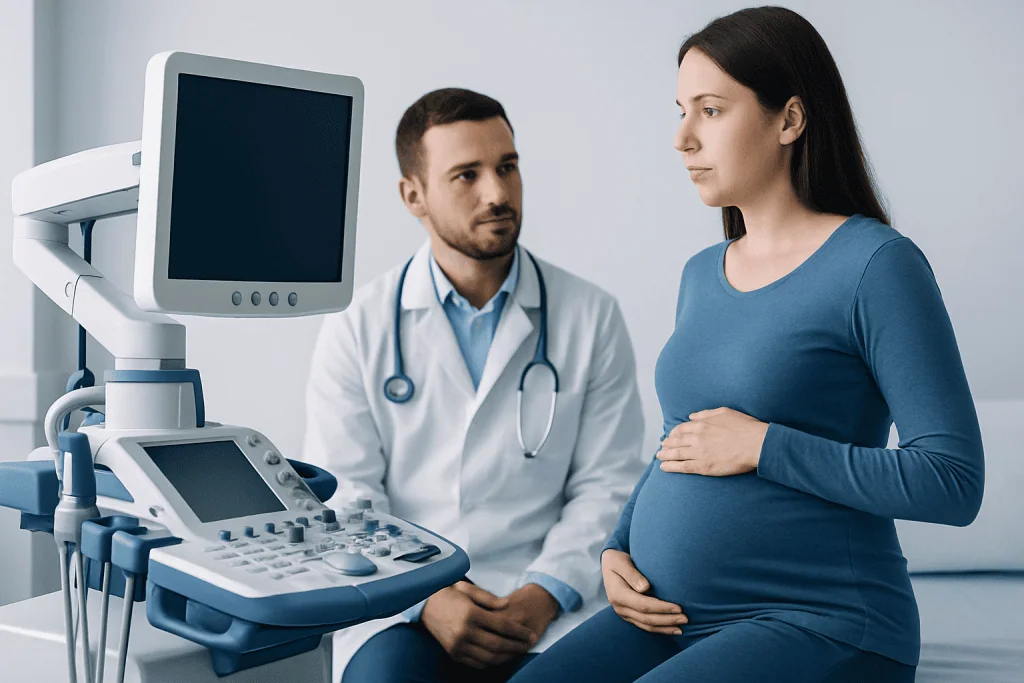
Pepto-Bismol is commonly used for nausea, indigestion, heartburn, upset stomach, and diarrhea. Its active ingredient, bismuth subsalicylate, can help calm the digestive tract, but the salicylate component is the main reason it is usually not recommended in pregnancy.
Salicylates may affect pregnancy differently depending on the dose, how often they are used, and the stage of pregnancy. In general, clinicians are more cautious later in pregnancy because medicines in this family can potentially affect bleeding and fetal circulation. Even in early pregnancy, most experts prefer alternatives with a better-established safety profile when treatment is needed.
Another issue is that self-treatment can delay evaluation of a more important problem. Persistent vomiting, significant diarrhea, severe abdominal pain, or chest burning that is not improving may need medical assessment rather than repeated over-the-counter remedies. If symptoms seem strong, frequent, or unusual, a doctor may also evaluate for conditions such as gastroenteritis or dehydration before suggesting treatment.
Common causes of stomach upset during pregnancy
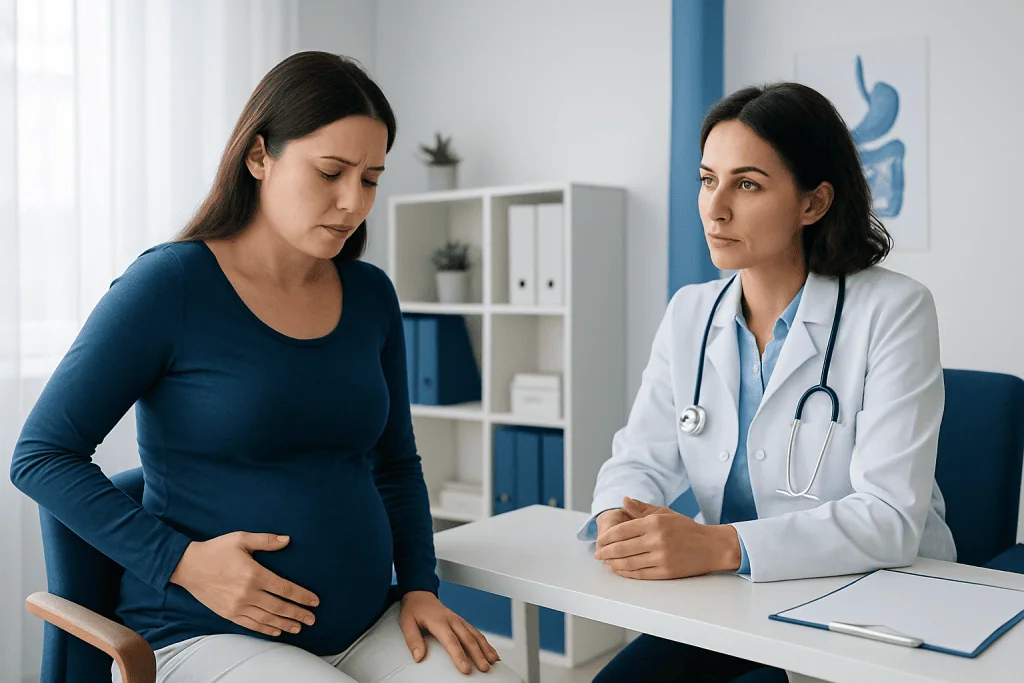
Pregnancy affects the digestive system in several normal ways. Hormonal changes can slow stomach emptying and bowel movement, which can lead to bloating, nausea, reflux, and changes in bowel habits. Pressure from the growing uterus can also worsen heartburn and make patients feel full quickly.
Food-related triggers are common as well. Greasy meals, spicy foods, large portions, caffeine, and eating close to bedtime can all aggravate indigestion. Some patients are also more sensitive to smells and certain foods during pregnancy, which can trigger nausea or reduce appetite.
Not all stomach symptoms are due to pregnancy itself. Viral infections, food poisoning, constipation, medication side effects, and pre-existing digestive conditions may also be responsible. Reflux symptoms may overlap with gastroesophageal reflux disease and diarrhea can occasionally reflect infection or irritation rather than a normal pregnancy change.
- Nausea or queasiness, especially early in pregnancy
- Heartburn or a burning feeling in the chest
- Bloating and burping
- Loose stools or short-lived diarrhea
- Cramping related to diet changes, gas, or constipation
Safer next steps for relief
If symptoms are mild, non-drug measures are often the best first step. Small, frequent meals can be easier to tolerate than large portions. Bland foods such as toast, rice, bananas, applesauce, crackers, or soup may help settle the stomach. Sipping water, oral rehydration fluids, or clear liquids in small amounts can support hydration, especially after vomiting or diarrhea.
For heartburn, practical changes may help a great deal. Patients may feel better if they avoid lying down after meals, elevate the head of the bed slightly, reduce trigger foods, and eat earlier in the evening. These steps are often recommended before medication is considered.
When symptoms are more troublesome, a doctor or pharmacist may recommend pregnancy-appropriate options depending on the main complaint. For example, reflux may be evaluated in the context of heartburn treatment, while ongoing digestive symptoms may need specialist assessment through gastroenterology care. The safest choice depends on the symptom, the trimester, the patient’s health history, and any other medicines being used.
It is wise not to assume that all over-the-counter products are automatically safe during pregnancy. Even medicines sold without a prescription can have ingredients that are not ideal in certain stages of pregnancy. Reading labels and checking with a qualified clinician remains an important step.
Red flags that warrant medical review
Most stomach upset in pregnancy improves with time and supportive care, but some symptoms should not be ignored. Persistent vomiting can lead to dehydration, and severe diarrhea may lower fluid and electrolyte levels. Infections, gallbladder problems, appendicitis, pregnancy complications, and other medical conditions can sometimes begin with digestive symptoms.
Medical review is especially important if symptoms are intense, keep returning, or are clearly different from routine pregnancy-related nausea or heartburn. New severe pain, faintness, breathing difficulty, or reduced urination deserve prompt attention. If there is concern about dehydration or an inability to keep fluids down, urgent assessment may be needed.
- Fever
- Blood in stool or black stool
- Severe or worsening abdominal pain
- Persistent vomiting or inability to keep fluids down
- Signs of dehydration such as dizziness, very dark urine, or very little urination
- Chest pain, trouble breathing, or severe weakness
- Symptoms lasting more than a couple of days without improvement
How a doctor evaluates stomach symptoms in pregnancy
Evaluation usually begins with a clear symptom history. A doctor may ask when the symptoms started, whether there is pain, fever, diarrhea, heartburn, vomiting, or constipation, and whether any foods, travel, sick contacts, or new medicines were involved. The stage of pregnancy also matters, because different causes and medicine considerations apply at different times.
The physical exam often focuses on hydration, abdominal tenderness, temperature, pulse, and blood pressure. In many mild cases, this is enough to guide care. If symptoms suggest infection, significant dehydration, or another underlying problem, additional testing may be useful.
Tests can include urine tests, blood work, or stool studies when diarrhea is prolonged or severe. Depending on the symptoms, clinicians may also assess related digestive concerns through services such as endoscopy or broader medical evaluation, although many pregnant patients with mild symptoms do not need invasive testing. The aim is to confirm the cause, rule out urgent conditions, and recommend the safest treatment plan for pregnancy.
When to seek medical care
Patients should contact a doctor promptly if they are unsure whether a medicine is safe, including Pepto-Bismol, or if their symptoms are not improving with basic measures. This is particularly important for people with a high-risk pregnancy, chronic medical conditions, or a history of stomach ulcers, bleeding problems, or significant reflux.
Same-day advice is sensible if there is repeated vomiting, worsening diarrhea, fever, or signs of dehydration. Emergency care may be needed for severe abdominal pain, fainting, black or bloody stools, or any symptom that feels sudden and severe. It is always reasonable to ask for guidance early rather than waiting until symptoms become harder to manage.
Near the end of care planning, some patients may benefit from coordinated specialist input if symptoms are persistent or complex. Acibadem International’s multidisciplinary specialists in JCI-accredited hospitals evaluate digestive and pregnancy-related symptoms for international patients and guide diagnosis and treatment when needed.
Frequently asked questions
Can you take Pepto while pregnant in the first trimester?
Pepto-Bismol is usually not recommended in the first trimester unless a doctor specifically advises it. Because it contains bismuth subsalicylate, many clinicians prefer other options with a more established safety profile in pregnancy.
Why is Pepto-Bismol avoided during pregnancy?
The main concern is the salicylate component, which is related to aspirin. Depending on timing and use, salicylates may raise concerns in pregnancy, so many doctors recommend avoiding Pepto-Bismol unless there is a clear medical reason.
What can help an upset stomach during pregnancy instead?
Simple steps such as small frequent meals, bland foods, avoiding trigger foods, and drinking fluids slowly often help. If medicine may be needed, a pharmacist or obstetric clinician can suggest a pregnancy-appropriate option based on the exact symptom.
Is one accidental dose of Pepto during pregnancy dangerous?
A single accidental dose does not automatically mean harm has occurred, and many exposures do not lead to problems. Still, the safest next step is to stop taking it and contact a doctor, obstetric team, or pharmacist for individualized advice.
When should diarrhea in pregnancy be checked by a doctor?
Diarrhea should be checked if it is severe, lasts more than a couple of days, or comes with fever, blood, strong pain, or dehydration. Medical advice is also important if the patient cannot keep up with fluids or feels weak or faint.
Can pregnancy heartburn feel like something more serious?
Yes. Typical heartburn is common, but severe chest discomfort, trouble swallowing, vomiting, or symptoms that keep returning may need medical review. A doctor can help tell the difference between routine reflux and another condition.
References
- American College of Obstetricians and Gynecologists
- National Health Service
- U.S. Food and Drug Administration
- MotherToBaby
- Mayo Clinic
This article is for general information only and is not a substitute for professional medical advice. Please consult a qualified doctor about your individual situation.
Persistent digestive symptoms? Get evaluated in Turkey
JCI-accredited · board-certified surgeons · reply within 24h
Add us as a Preferred Source to see more of our trusted health content across Google Search, AI Overviews and Discover.

More from the Health Library



Related Specialists

Fzt. Elif Tokgöz Nizam
Physical Medicine & Rehabilitation
Dr. Özkan Uysal
Internal Medicine
Dr. Berhan Bayram
Orthopedic Surgery & Traumatology
Dr. Yalçın Varnalı
Otorhinolaryngology