Cancer Treatment Costs: What Affects the Total Price?

There is no single fixed price for cancer treatment because each treatment plan is tailored to the person and the cancer. Major cost factors include diagnosis, cancer stage, surgery, medicines, radiation therapy, hospital stay, and supportive care.
Key Takeaways
- There is no single fixed price for cancer treatment because each treatment plan is tailored to the person and the cancer.
- Major cost factors include diagnosis, cancer stage, surgery, medicines, radiation therapy, hospital stay, and supportive care.
- Follow-up visits, imaging, blood tests, and management of side effects can add to the total cost over time.
- A detailed treatment plan and written cost estimate can help patients understand expected expenses.
- Discussing options early with the care team may help patients plan medically, practically, and financially.
Cancer treatment costs can vary widely because care is personalized. The total price often depends on the cancer type and stage, the tests and treatments needed, where care is provided, and the length of follow-up.
Overview
Cancer treatment costs are shaped by many medical and practical factors rather than one single fee. Cancer care usually involves several steps, including diagnosis, staging, treatment planning, active treatment, and follow-up. Because each person’s situation is different, total costs can vary greatly even among people with the same type of cancer.
In general, the final price reflects the complexity of care. A person with an early-stage cancer treated with one procedure may have a very different cost profile from someone who needs surgery, chemotherapy, radiation therapy, targeted treatment, and long-term monitoring. The goal of cost planning is not to predict an exact number in every case, but to understand which elements commonly contribute to the total.
For many patients and families, it helps to think of cancer care as a journey with different phases. Costs may begin with consultations and tests, then rise during active treatment, and continue afterward with surveillance scans, clinic visits, rehabilitation, or supportive care. Asking for a clear treatment roadmap can make these phases easier to understand.
What Usually Makes Up the Total Cost
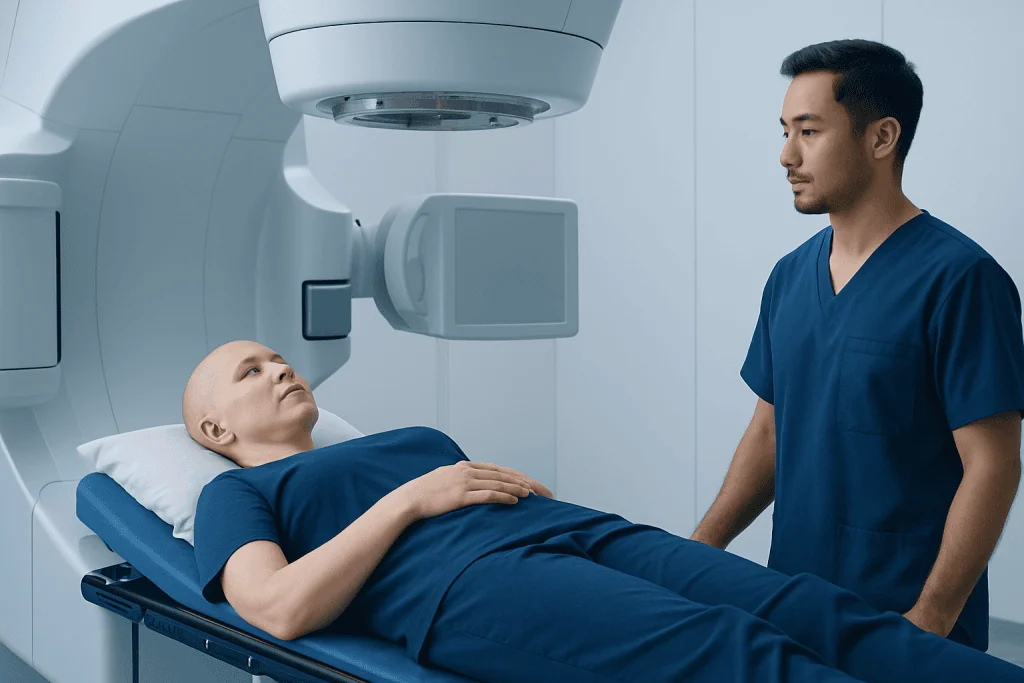
The total cost of cancer care often includes more than the main treatment itself. Before treatment starts, patients may need specialist consultations, blood tests, pathology review, imaging, and sometimes genetic or molecular testing. These early steps are important because they help confirm the diagnosis and guide the treatment plan.
Active treatment can include one or several approaches. Common examples are chemotherapy, surgery, radiation therapy, immunotherapy, targeted therapy, hormone therapy, or procedures such as stem cell transplantation in selected cases. Each option has its own cost structure based on equipment, medicines, specialist time, operating room use, and the number of sessions or treatment cycles required.
There are also indirect but medically related costs. These may include hospital admission, intensive monitoring, medicines to prevent or manage side effects, nutritional support, pain control, rehabilitation, and repeat tests to assess how well treatment is working. In some cases, patients may also need supportive services such as psychological counseling or fertility preservation advice.
- Initial consultations and second opinions
- Biopsy, pathology, and laboratory tests
- Imaging such as CT, MRI, PET, or ultrasound
- Surgery, medicines, radiation, or combined treatment
- Hospital stay, nursing care, and anesthesia
- Follow-up visits, scans, and long-term monitoring
Medical Factors That Affect Cancer Treatment Costs

One of the biggest cost factors is the type of cancer. Different cancers are treated in different ways. For example, care for breast cancer may involve surgery, radiation therapy, hormone therapy, targeted therapy, or chemotherapy depending on the tumor’s features. Care for lung cancer may involve detailed imaging, bronchoscopy, surgery, radiation, systemic treatment, or a combination of these approaches.
The stage of the cancer also matters. Early-stage disease may sometimes be managed with fewer treatments, while advanced or metastatic disease can require more complex therapy and closer monitoring. Stage can affect the need for hospitalization, the duration of treatment, and the frequency of follow-up imaging or blood tests.
Another key factor is whether the treatment plan is straightforward or multidisciplinary. Many patients benefit from a team that may include medical oncologists, surgical oncologists, radiation oncologists, radiologists, pathologists, nurses, dietitians, and rehabilitation specialists. This team-based approach can improve planning and coordination, but it also reflects the real complexity of high-quality cancer care.
Tumor biology can influence costs as well. Some cancers require biomarker testing or genetic analysis to identify whether targeted medicines or immunotherapies may be suitable. These tests can add to upfront expenses, but they may help doctors choose more precise treatment strategies.
How Treatment Choice Changes the Price
The treatment selected has a strong effect on the total price because different therapies use different resources. Surgery may involve pre-operative testing, the operation itself, anesthesia, hospital stay, pathology analysis of tissue, and post-operative care. More extensive operations generally require more time in the operating room and a longer recovery period.
Systemic therapies such as chemotherapy, targeted therapy, immunotherapy, or hormone therapy may be given over weeks or months. Costs can depend on the medicine used, how often it is given, whether it is oral or intravenous, and the need for repeated blood tests and physician review. Some patients also need medicines to help prevent nausea, infection, or other side effects.
Radiation therapy costs are often influenced by planning and precision. Treatment typically includes simulation, imaging, treatment planning, quality checks, and multiple treatment sessions. Advanced techniques may require specialized technology and expert teams. In many cases, doctors recommend one treatment alone, while in others they use combinations such as surgery plus radiation or chemotherapy plus immunotherapy.
When cancer is very localized, some patients may be treated with surgery first. Others may need treatment before surgery to shrink a tumor, or treatment after surgery to lower the risk of recurrence. These sequencing decisions are based on medical need, but they also affect the number of appointments, length of care, and overall expense.
Hospital, Location, and Logistics
Where care is provided can influence cost. Prices may differ between hospitals, cancer centers, and countries because of differences in healthcare systems, equipment, staffing, inpatient services, and administrative structures. A highly specialized center may offer multidisciplinary planning, advanced imaging, complex surgery, or precision oncology services that change the overall treatment pathway and its cost.
Hospital-related factors include whether treatment is outpatient or requires admission, the type of room, the length of stay, and the need for special monitoring. Intensive care after major surgery, isolation precautions, blood transfusion support, or management of complications can increase the total. Even when treatment goes smoothly, several days in the hospital naturally add to the final bill.
Travel and accommodation can matter, especially for patients receiving care away from home. Repeated radiotherapy sessions, prolonged systemic treatment, or frequent follow-up visits may require transportation, temporary lodging, and time away from work or family routines. These may not always appear in a medical estimate, but they are important parts of the real cost of treatment planning.
For international patients, it can be helpful to ask for a written package or itemized estimate that clearly explains what is included and what may be billed separately. This can reduce uncertainty and help families compare options more fairly.
Follow-Up Care, Side Effects, and Long-Term Expenses
Cancer treatment costs do not always end when the main treatment is completed. Many patients need regular follow-up visits, blood tests, imaging, and physical examinations to check recovery and watch for recurrence. The frequency of monitoring depends on the cancer type, stage, and the treatments that were used.
Side effects can also affect the total price. Some side effects are mild and managed with routine medicines or dietary changes, while others may require urgent assessment, intravenous fluids, hospitalization, or extra imaging and laboratory tests. Patients who receive intensive therapy may need close support for fatigue, infections, blood count changes, digestive symptoms, or nutritional problems.
Long-term care may include rehabilitation, ostomy care, lymphedema management, endocrine treatment, pain medicine review, or psychosocial support. Survivorship care can be an important part of health after cancer treatment, especially for patients returning to work, exercise, or family responsibilities. These services may be essential for quality of life, even if they are sometimes overlooked in early cost discussions.
In some situations, follow-up care is relatively brief. In others, it extends over years. This is why the most useful question is often not only “What is the cost of treatment?” but also “What ongoing care is usually needed after treatment ends?”
How Patients Can Plan and Ask the Right Questions
Patients can make cancer treatment costs easier to understand by asking for a clear written plan. Helpful questions include which tests are needed, what treatment is recommended, how long treatment may last, whether hospital admission is expected, and which costs are likely to come later. It can also help to ask which parts of the plan are essential from the start and which depend on test results or response to treatment.
Seeking a second opinion may be useful when treatment options are complex. A second opinion can confirm the diagnosis, review staging, and clarify whether there are reasonable alternative treatment paths. Sometimes two medically appropriate plans have different practical and financial implications, and understanding this can support informed decision-making.
Patients should also ask about supportive services and coordination of care. For example, cancer treatment may involve PET-CT imaging for staging or response assessment, and in some cases expert evaluation through medical oncology can help organize systemic treatment and follow-up. Understanding when and why these services are recommended helps families plan more confidently.
Near the end of planning, a hospital’s international patient service or financial counseling team may help explain estimates, scheduling, and logistics. Acibadem International’s multidisciplinary specialists and JCI-accredited hospitals diagnose and treat cancer for international patients, and patients may wish to ask for an individualized care and cost overview before treatment begins.
When to Speak with a Doctor or Care Team
Patients should speak with a doctor promptly if they have symptoms that could suggest cancer, such as unexplained weight loss, unusual bleeding, a persistent lump, changes in bowel or bladder habits, or a cough that does not improve. Early evaluation may help clarify the cause and, if cancer is found, allow treatment planning to begin without unnecessary delay.
Anyone who has already been diagnosed should contact the care team if costs are making it difficult to continue treatment, attend appointments, or obtain medicines. Doctors and hospital coordinators may be able to adjust scheduling, explain alternatives, or connect patients with practical support services. It is always better to discuss these concerns early rather than silently delaying care.
Patients should also seek medical advice if side effects worsen, new symptoms appear, or recovery is not going as expected. Timely communication can protect health and may help prevent more serious complications that could lead to additional treatment needs and expense.
Frequently asked questions
Why do cancer treatment costs vary so much from one person to another?
Cancer care is highly individualized. The total cost depends on the cancer type, stage, test results, treatment plan, hospital stay, medicines, and how much follow-up care is needed.
Is surgery always the most expensive part of cancer treatment?
Not always. In some cases, surgery is a major cost because it includes the operation, anesthesia, hospitalization, and recovery care. In other cases, repeated systemic treatment or long courses of radiation therapy may account for more of the total.
Do diagnostic tests significantly affect cancer treatment costs?
Yes, they can. Biopsies, pathology review, blood work, imaging, and molecular testing are often essential to confirm the diagnosis and choose the right treatment, so they are an important part of the overall cost.
Are follow-up visits included in the initial cancer treatment price?
Not always. Some estimates focus mainly on the active treatment phase, while follow-up scans, lab tests, clinic visits, and supportive care may be billed separately. Patients should ask for a clear explanation of what is included.
Can side effects increase the total cost of cancer care?
Yes. Managing side effects may require extra medicines, blood tests, urgent visits, hydration, or sometimes hospitalization. Good communication with the care team may help address problems early.
What questions should patients ask when discussing cancer treatment costs?
It helps to ask which tests and treatments are recommended, how long treatment may last, whether hospitalization is expected, and what follow-up care is usually needed. Patients can also ask for an itemized written estimate and clarification about possible additional costs.
References
- World Health Organization
- National Cancer Institute
- American Cancer Society
- European Society for Medical Oncology
- National Comprehensive Cancer Network
This article is for general information only and is not a substitute for professional medical advice. Please consult a qualified doctor about your individual situation.
Oncology care in Turkey — second opinion and treatment plan
JCI-accredited · board-certified surgeons · reply within 24h
Add us as a Preferred Source to see more of our trusted health content across Google Search, AI Overviews and Discover.