Caplyta: What Patients Need to Know

Caplyta is a prescription antipsychotic medicine whose active ingredient is lumateperone. It is used for schizophrenia and for depressive episodes associated with bipolar I or bipolar II disorder.
Key Takeaways
- Caplyta is a prescription antipsychotic medicine whose active ingredient is lumateperone.
- It is used for schizophrenia and for depressive episodes associated with bipolar I or bipolar II disorder.
- Common side effects may include sleepiness, dizziness, nausea, dry mouth, and fatigue.
- It should be taken exactly as prescribed, and it should not be stopped or changed without medical advice.
- Patients should seek medical care promptly for severe side effects, worsening mood, or suicidal thoughts.
Caplyta is the brand name for lumateperone, a prescription medicine used to treat certain mental health conditions, including schizophrenia and depressive episodes linked to bipolar disorder. Patients often want to know what it is for, how it is taken, and what side effects or precautions matter most before starting treatment.
Overview: What Caplyta Is and Why It Is Prescribed
Caplyta is a prescription medication used in psychiatry, and its generic name is lumateperone. It belongs to a group of medicines commonly called antipsychotics. In current practice, it is prescribed for adults with schizophrenia and for depressive episodes associated with bipolar I or bipolar II disorder, either alone or in combination with certain other medicines when a doctor considers that appropriate.
For many patients, the main question is simple: what does Caplyta do? The short answer is that it helps regulate signaling between brain chemicals involved in mood, thinking, perception, and behavior. This can reduce symptoms such as changes in mood, loss of interest, low energy, disrupted thinking, or other symptoms linked to severe mental health conditions.
Caplyta is not a cure, and it does not work instantly. Like many mental health medicines, it is usually one part of a broader care plan that may also include psychotherapy, regular follow-up, lifestyle support, and family or social support. A doctor will weigh possible benefits and risks based on the person’s diagnosis, symptom pattern, other health conditions, and current medicines.
How Caplyta Works in the Brain
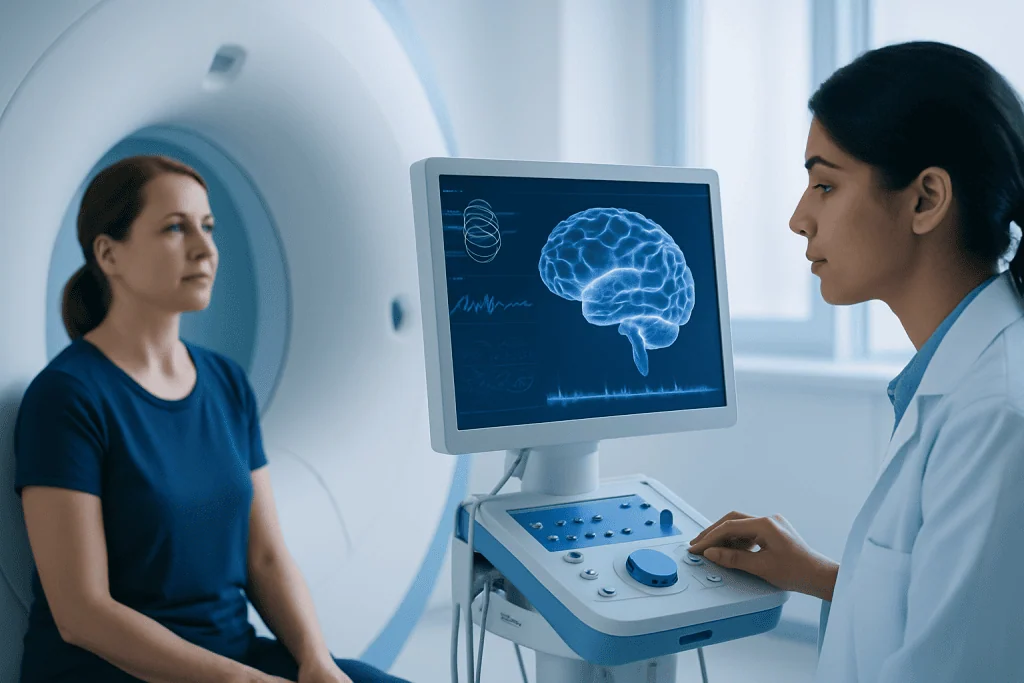
The exact way Caplyta works is complex, but it is understood to affect several neurotransmitter systems in the brain, especially dopamine and serotonin pathways. These pathways help influence mood, attention, motivation, perception, and emotional regulation. By modulating these signals, the medicine may help improve psychiatric symptoms while aiming to limit some side effects seen with older antipsychotic medicines.
This does not mean every patient will respond the same way. Some people notice improvements in sleep, agitation, mood, or thought clarity earlier than others, while full benefit can take longer. Because psychiatric symptoms can overlap with conditions such as depression or bipolar disorder, accurate diagnosis is important before treatment begins.
Patients sometimes expect a medication to feel either strongly sedating or strongly stimulating, but Caplyta’s effects are usually better understood in terms of symptom control rather than a distinct immediate sensation. What matters most is whether it helps daily functioning, emotional stability, and overall safety over time. Regular review with a qualified clinician helps determine whether the treatment is working as intended.
Who May Benefit and What Doctors Review Before Starting It

Caplyta may be considered for adults who have schizophrenia or bipolar depression and need medication support as part of a treatment plan. Before prescribing it, a doctor usually reviews symptoms, past treatment response, medical history, and any personal or family history of metabolic disease, movement disorders, or medication reactions. This helps guide whether it is an appropriate option.
A careful medication review is also important. Patients should tell their clinician about all prescription medicines, over-the-counter products, vitamins, and herbal supplements they use. Some medicines can change how Caplyta is processed in the body, which may affect safety or effectiveness. Alcohol and other substances that cause drowsiness can also increase certain side effects.
Doctors also consider age, pregnancy or breastfeeding status, liver health, and whether the person has dementia-related psychosis. Like other antipsychotic medicines, Caplyta is not generally used for dementia-related psychosis in older adults because of important safety concerns. When the diagnosis is uncertain or symptoms are complex, a structured assessment with a mental health professional may be recommended, along with supportive care such as psychiatric evaluation and treatment.
Possible Side Effects and Safety Considerations
Like all prescription medicines, Caplyta can cause side effects. Commonly reported ones include sleepiness, tiredness, dizziness, dry mouth, and nausea. Some patients also notice slowed thinking, reduced alertness, or constipation. These effects may be mild and improve as the body adjusts, but they should still be discussed with the prescribing doctor, especially if they affect daily life, driving, work, or falls risk.
There are also more serious safety issues that patients should know about. Antipsychotic medicines can sometimes affect blood sugar, cholesterol, weight, body temperature regulation, or movement control. In some people, they may also contribute to low blood pressure on standing, difficulty swallowing, or changes in white blood cell counts. A doctor may recommend periodic monitoring based on the patient’s risk profile and treatment duration.
Mood and behavior should be watched carefully, particularly early in treatment or after changes in care. Patients and families should seek medical advice if they notice worsening depression, unusual agitation, self-harm thoughts, confusion, severe muscle stiffness, fever, fainting, or uncontrollable movements. These symptoms do not happen to most people, but prompt assessment is important when they do occur.
- Common concerns: drowsiness, fatigue, dizziness, dry mouth, nausea
- Use caution with driving or operating machinery until the individual response is known
- Do not combine with other medicines or supplements without medical review
- Keep all follow-up visits so side effects and treatment response can be monitored
How to Take Caplyta and Why Adherence Matters
Caplyta should be taken exactly as prescribed by the treating clinician. Patients should not adjust the dose, skip regularly, or stop the medicine on their own unless a doctor advises it. Consistency matters because irregular use can make it harder to judge whether the medicine is helping and may increase the chance of symptom return.
If a dose is missed, the right step depends on the timing and the clinician’s instructions. In general, patients should follow the guidance given with their prescription and ask their pharmacist or doctor if they are unsure. It is safest not to double up on doses unless specifically told to do so by a qualified professional.
Adherence can be challenging in mental health treatment, especially when symptoms affect motivation, memory, or insight. Practical supports may help, such as medication reminders, family support, pill organizers, and regular appointments. Some patients also benefit from counseling or psychological support to improve coping skills, routine, and communication around treatment goals.
How Doctors Monitor Progress and Adjust Treatment
Follow-up care is a key part of using Caplyta safely. At review visits, doctors usually ask whether symptoms are improving, whether side effects are tolerable, and how the medicine is affecting sleep, appetite, concentration, energy, and daily functioning. This helps determine whether treatment should continue as planned or whether a different approach is needed.
Monitoring may include checks of weight, blood pressure, blood sugar, and other metabolic markers in selected patients, especially if there are risk factors for diabetes or cardiovascular disease. Mental health follow-up is equally important. A clinician may use symptom questionnaires, structured interviews, or input from family members when appropriate to assess progress over time.
If Caplyta is not effective enough or causes troublesome side effects, a doctor may consider changing the treatment plan. That might involve psychotherapy, a different medicine, or coordinated care with specialists. For patients with more complex illness patterns, multidisciplinary assessment can be helpful, including services related to neurology when symptoms overlap with sleep, cognition, or movement concerns and broader mental health management through psychiatry if not already in place.
When to Seek Medical Care
Patients should contact a doctor promptly if they develop side effects that are severe, persistent, or suddenly worsening. Examples include extreme sleepiness, repeated vomiting, fainting, marked dizziness, severe constipation, worsening confusion, or new movement problems such as tremor, stiffness, restlessness, or involuntary movements. These symptoms deserve timely medical advice rather than watchful waiting.
Urgent medical care is needed if there are signs of a serious reaction, such as high fever, severe muscle stiffness, seizures, trouble breathing, swelling of the face or throat, or loss of consciousness. Emergency help is also important if the patient expresses suicidal thoughts, feels unable to stay safe, becomes highly agitated, or has a sudden major change in behavior or thinking.
Ongoing care matters even when a patient is doing well. Regular follow-up helps reduce relapse risk, supports safe long-term use, and allows treatment to be tailored as life circumstances change. Near the end of the care pathway, some international patients may also choose evaluation at centers such as Acibadem International, where multidisciplinary specialists in JCI-accredited hospitals assess and treat mental health conditions in coordination with broader medical needs.
Frequently asked questions
What is Caplyta used for?
Caplyta is used to treat schizophrenia in adults and depressive episodes associated with bipolar I or bipolar II disorder. A doctor decides whether it is suitable based on the diagnosis, symptoms, other health conditions, and current medicines.
Is Caplyta an antidepressant or an antipsychotic?
Caplyta is classified as an antipsychotic medicine. Even so, it is also used in bipolar depression because the brain pathways it affects are involved in both mood and psychotic symptoms.
How long does Caplyta take to work?
Some patients may notice early changes in sleep, agitation, or mood within days to weeks, but fuller benefit may take longer. Response varies, so regular follow-up is important before deciding whether the medicine is helping enough.
What are the most common Caplyta side effects?
Common side effects can include sleepiness, fatigue, dizziness, dry mouth, and nausea. Not everyone gets these effects, and many are manageable, but patients should tell their doctor if symptoms interfere with daily activities or feel severe.
Can Caplyta cause weight gain?
Weight and metabolic changes are possible with antipsychotic medicines, although the degree varies from person to person. A doctor may monitor weight and other health markers over time, especially if the patient has risk factors such as diabetes or high cholesterol.
Should Caplyta be stopped suddenly?
Patients should not stop Caplyta suddenly unless a doctor specifically tells them to do so. Stopping without guidance can increase the risk of symptom return or make it harder to manage the condition safely.
This article is for general information only and is not a substitute for professional medical advice. Please consult a qualified doctor about your individual situation.
Explore treatments in Turkey — costs, top hospitals & a free quote
JCI-accredited · board-certified surgeons · reply within 24h
Add us as a Preferred Source to see more of our trusted health content across Google Search, AI Overviews and Discover.

More from the Health Library

Chemo: A Complete Medical Overview

Shirataki Noodles — Explained by Medical Evidence, Not Myths

Fear of Crowds — Explained by Medical Evidence, Not Myths

Apple Cider Vinegar Hair Rinse: What Patients Need to Know

Infected Piercing Belly: What Patients Need to Know