Carboplatin Chemo: How It Works, Results and What to Expect

Carboplatin is given intravenously in planned treatment cycles, commonly alongside other chemotherapy, immunotherapy or surgery plans. Blood-count changes, tiredness, nausea and infection risk are among the most important possible effects to monitor.
Key Takeaways
- Carboplatin is given intravenously in planned treatment cycles, commonly alongside other chemotherapy, immunotherapy or surgery plans.
- Blood-count changes, tiredness, nausea and infection risk are among the most important possible effects to monitor.
- The timing and degree of side effects vary, but blood counts often reach their lowest point days to weeks after a dose.
- Treatment response is assessed over time through symptoms, examinations, blood tests and imaging—not by how a person feels after one infusion.
- Patients should contact their cancer team promptly for fever, unusual bleeding, severe vomiting, breathing symptoms or signs of an allergic reaction.
Carboplatin chemo is a platinum-based chemotherapy medicine used for several cancers, often in combination with other treatments. It works by damaging cancer-cell DNA, but it can also temporarily affect healthy fast-growing cells, making careful monitoring an important part of treatment.
Carboplatin chemo: an overview
Carboplatin chemo is a chemotherapy medicine in the platinum drug family. It is used to treat a range of cancers, including ovarian, lung, breast, head and neck, bladder and certain gynecologic cancers. It may be used on its own, but is often combined with other anti-cancer medicines, radiation therapy or surgery depending on the cancer type, stage and treatment goal.
Carboplatin is administered into a vein by an oncology team. Treatment is arranged in cycles, meaning a dose is given followed by a planned rest period that allows the body to recover. The specific schedule, number of cycles and medicines used with carboplatin are individualized according to the diagnosis, prior treatments, kidney function, blood counts and overall health.
People do not need to judge whether treatment is working based on day-to-day symptoms. The oncology team evaluates response over time using clinical review, laboratory tests and, when appropriate, scans. Carboplatin can shrink or control cancer in many treatment settings, but expected results differ considerably between cancer types and individuals.
How carboplatin works in the body
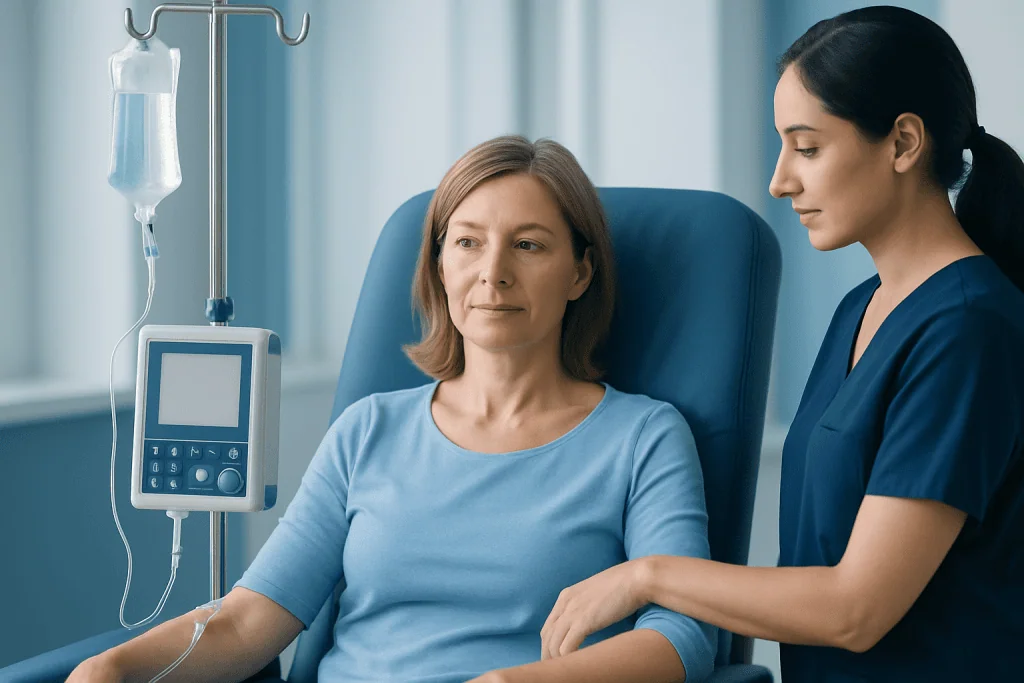
Carboplatin enters the bloodstream and forms links within the DNA of cells. These links interfere with the cell’s ability to copy and repair its genetic material. Cancer cells, which tend to divide more rapidly and may have less effective repair mechanisms, can be particularly vulnerable to this damage.
Chemotherapy does not act only on cancer cells. Some healthy tissues normally renew quickly, including the bone marrow, digestive tract lining and hair follicles. This explains why carboplatin may lower blood cell counts or cause nausea, appetite changes, fatigue and hair thinning or loss, especially when it is given with other chemotherapy drugs.
Before each cycle, the team generally checks blood tests and reviews any new symptoms. Kidney function is particularly relevant because it helps guide safe dosing. Carboplatin is often considered less likely than cisplatin to cause certain kidney and nerve-related effects, but it still requires close medical supervision.
Who may be a candidate for carboplatin chemo?

Carboplatin may be recommended when evidence and treatment guidelines support its use for a particular cancer. It can be given with curative intent, for example before or after surgery in selected situations, or to control cancer, relieve symptoms and help preserve quality of life when cure is not possible.
Before recommending treatment, an oncologist considers the cancer’s pathology and molecular features where relevant, its location and extent, previous cancer treatment, current medicines, kidney and liver function, hearing or nerve symptoms, blood counts and a person’s preferences. Pregnancy, active infection, significant bone marrow suppression and a history of serious reactions to platinum medicines may require special planning or a different approach.
Carboplatin is frequently part of a broader cancer care plan. Some patients may also be considered for chemotherapy treatment planning that combines different medicines, or for surgery, radiation therapy, targeted therapy or immunotherapy. The best approach is determined by a multidisciplinary cancer team.
What happens during carboplatin treatment?
Before the infusion, a nurse or doctor reviews blood results, current symptoms, allergies and medications. Anti-nausea medicine and other supportive treatments may be given before chemotherapy. Carboplatin is usually infused through a cannula in the arm, a central line or an implanted port, depending on the treatment plan and vein access.
The infusion itself commonly takes a relatively short time, although the full appointment may be longer because of preparation, observation and any additional drugs given that day. Patients are monitored for discomfort at the infusion site and for uncommon infusion or allergic reactions. A reaction can occur even after previous uneventful doses, so new itching, rash, wheezing, chest tightness, dizziness or swelling should be reported immediately.
After treatment, most people go home the same day. The team provides an individualized schedule for blood tests, future cycles and symptom reporting. Keeping a simple record of temperature, nausea, bowel changes, energy levels and new symptoms can help the care team adjust supportive care when needed.
- Bring an up-to-date medication and supplement list to appointments.
- Arrange practical support for travel and meals if fatigue is expected.
- Ask the team which symptoms require an urgent call and which can wait for the next visit.
Benefits, risks and recovery timeline
The potential benefit of carboplatin is its ability to damage cancer cells and contribute to tumor shrinkage, disease control or a reduced risk of cancer returning, depending on why it is prescribed. Its effects are usually evaluated across several cycles rather than immediately after the first infusion. Imaging may be timed after a defined number of cycles or at another clinically appropriate point.
Short-term effects may include tiredness, nausea or vomiting, reduced appetite, changes in taste, constipation or diarrhea, and temporary changes in blood counts. Carboplatin can lower white blood cells, red blood cells and platelets. Low white blood cells can increase infection risk; low red blood cells can contribute to fatigue or breathlessness; and low platelets can lead to easy bruising or bleeding.
Blood counts may decline after treatment and often reach their lowest point about one to three weeks later, although timing varies by regimen and person. Counts usually recover before the next planned cycle, but treatment may be delayed or adjusted if recovery takes longer. Effects such as tiredness can build over successive cycles and can persist for a period after treatment ends.
Less common but important risks include severe allergic reactions, changes in kidney function, hearing changes, numbness or tingling in the hands or feet, and electrolyte disturbances. The likelihood depends on the total treatment exposure, other medicines and individual health factors. Regular monitoring helps identify concerns early.
Is carboplatin a tough chemo?
Carboplatin can be challenging, but the experience is highly individual. Many people are able to receive it as an outpatient, and modern anti-nausea medicines have improved symptom control. However, the effects can be more demanding when carboplatin is combined with other chemotherapy medicines or when a person has other medical conditions.
For many patients, the most significant issue is reduced blood counts rather than severe symptoms on the infusion day. Fatigue may increase through treatment, and the risk of infection or bleeding can rise when white cells or platelets are low. The oncology team can often help by adjusting supportive medicines, changing schedules when medically appropriate and giving clear guidance on when to call.
Open communication is important. Patients should report symptoms early rather than trying to manage severe or persistent symptoms alone. Treatment plans are designed to balance expected benefit with safety and quality of life.
How quickly does carboplatin work?
Carboplatin begins causing DNA damage in susceptible cells after it is given, but a visible or measurable cancer response usually cannot be confirmed right away. Cancer cells need time to stop dividing and be cleared by the body, while scans need to be interpreted in the context of the overall treatment plan.
Some people notice improvement in cancer-related symptoms within weeks, while others do not feel a change even when treatment is helping. Conversely, side effects do not indicate whether the cancer is responding. Oncologists typically assess progress after a planned interval using symptoms, physical examinations, blood tests, tumor markers when relevant and imaging.
If symptoms worsen or new symptoms appear, patients should tell their team promptly. This does not always mean treatment has failed; it may reflect side effects, infection or another treatable issue that needs evaluation.
What are the worst days after carboplatin?
There is no single “worst day” for everyone. Nausea, tiredness or appetite changes may occur in the first few days after an infusion, particularly if carboplatin is combined with other medicines. Delayed nausea can also occur, which is why the prescribed anti-nausea plan should be followed as directed.
For blood-count effects, the more vulnerable period is often later in the cycle. White blood cells and platelets may reach their lowest levels roughly one to three weeks after treatment, depending on the regimen. During this time, it is especially important to follow the oncology team’s infection-prevention advice and report fever or other concerning symptoms without delay.
Energy may improve before the next cycle for some people, while others experience gradual cumulative fatigue. Rest, gentle activity as tolerated, hydration, nourishing foods and practical support can help, but the care team should be told if fatigue is sudden, severe or accompanied by breathlessness, dizziness or chest symptoms.
What to avoid while taking carboplatin
Patients should avoid starting vitamins, herbal products, over-the-counter medicines or complementary therapies without checking with their oncology pharmacist or doctor. Some products can affect blood clotting, kidney function, liver metabolism or the way other cancer medicines work. Alcohol may worsen dehydration, nausea or mouth irritation for some people, so individual advice from the cancer team is sensible.
Because infection risk can increase when blood counts are low, patients should avoid close contact with people who are unwell and follow advice on hand hygiene and food safety. They should not receive live vaccines unless their oncology team specifically says they are appropriate. Routine vaccinations and seasonal vaccines should also be discussed, as timing can matter during chemotherapy.
It is wise to avoid non-essential exposure to injury when platelets are low, including activities with a high risk of falls or cuts. Patients should ask before taking aspirin, anti-inflammatory pain medicines or anticoagulant-related products, because some may increase bleeding risk or need individualized guidance. Grapefruit-related restrictions depend on the full regimen, so the team can advise based on all medicines being used.
When to seek medical care
Patients receiving carboplatin should use the urgent contact number provided by their oncology team if they develop a fever or feel suddenly unwell. Many cancer centers define fever as 38°C (100.4°F) or higher, but patients should follow the exact threshold and instructions given by their own team. Do not take fever-reducing medicine simply to mask a fever before seeking advice unless the team has instructed otherwise.
Urgent medical advice is also needed for chills, a new cough or shortness of breath, painful urination, persistent vomiting or diarrhea, inability to keep fluids down, unusual bruising or bleeding, black stools, severe mouth sores, confusion, chest pain, or a new rash and swelling. Severe allergic symptoms such as wheezing, throat tightness or facial swelling require emergency care.
For international patients, Acibadem International’s multidisciplinary specialists and JCI-accredited hospitals provide assessment and treatment planning for people receiving cancer care. A treating oncologist remains the best source of individualized guidance about carboplatin schedules, risks and supportive care.
Frequently asked questions
How is carboplatin chemo given?
Carboplatin is usually given as an intravenous infusion in an outpatient cancer treatment unit. It is administered in cycles, with rest periods between doses to allow the body to recover. The exact schedule depends on the cancer type and the other treatments being used.
Does carboplatin cause hair loss?
Carboplatin alone may cause hair thinning in some people, but complete hair loss is less common than with certain other chemotherapy medicines. Hair loss is more likely when carboplatin is combined with drugs that commonly cause it. The oncology team can explain what is expected with the specific regimen.
Can carboplatin lower blood counts?
Yes. Carboplatin can reduce white blood cells, red blood cells and platelets because it can temporarily affect bone marrow. Blood tests before and during treatment help the oncology team monitor this and make treatment decisions safely.
Can I work while receiving carboplatin?
Some people can continue working, sometimes with reduced hours or adjustments, while others need more time away from work. This depends on side effects, blood-count changes, the treatment schedule and the nature of the job. Discussing practical needs with the oncology team early can help with planning.
How can nausea after carboplatin be managed?
Anti-nausea medicines are commonly prescribed before and after treatment. Taking them as instructed, eating small frequent meals, sipping fluids and avoiding foods or smells that trigger nausea may help. Contact the cancer team if vomiting is persistent or fluids cannot be kept down.
Can carboplatin treatment be delayed?
Yes, a cycle may be delayed or adjusted if blood counts have not recovered, side effects are significant or an infection or other health issue needs attention. This is a common safety measure and does not automatically mean treatment is no longer effective. The oncologist will explain the reason and the revised plan.
References
- National Cancer Institute
- American Cancer Society
- National Comprehensive Cancer Network
- Macmillan Cancer Support
- Cancer Research UK
This article is for general information only and is not a substitute for professional medical advice. Please consult a qualified doctor about your individual situation.
Oncology care in Turkey — second opinion and treatment plan
JCI-accredited · board-certified surgeons · reply within 24h
Add us as a Preferred Source to see more of our trusted health content across Google Search, AI Overviews and Discover.