Cardiac Ablation: A Complete Medical Overview

Cardiac ablation treats some arrhythmias by interrupting abnormal electrical pathways in the heart. It is most often done with thin catheters inserted through a blood vessel, rather than open surgery.
Key Takeaways
- Cardiac ablation treats some arrhythmias by interrupting abnormal electrical pathways in the heart.
- It is most often done with thin catheters inserted through a blood vessel, rather than open surgery.
- The procedure may be recommended when symptoms persist, medicines cause side effects, or a rhythm problem returns.
- Recovery is usually shorter than with surgery, but follow-up is important because some arrhythmias can recur.
- Benefits, risks, and success rates depend on the type of arrhythmia and the person’s overall heart health.
Cardiac ablation is a minimally invasive procedure used to treat certain abnormal heart rhythms by targeting small areas of heart tissue that send faulty electrical signals. It can reduce symptoms such as palpitations, dizziness, or shortness of breath and may help restore a more regular heartbeat when medicines are not enough or are not well tolerated.
What cardiac ablation is and why it is done
Cardiac ablation is a medical procedure that treats certain abnormal heart rhythms, also called arrhythmias. It works by creating tiny, controlled scars or areas of tissue change in the heart to block the abnormal electrical signals that trigger or sustain the irregular rhythm. In most cases, doctors perform it using thin tubes called catheters that are guided through blood vessels to the heart.
The goal of cardiac ablation is not simply to slow the heart rate. Instead, it is designed to correct the source of the rhythm disturbance when possible. This can help reduce symptoms such as a racing heartbeat, fluttering in the chest, faintness, reduced exercise tolerance, or fatigue. In some people, it may also lower the need for long-term rhythm-control medicines.
Cardiac ablation is used for a range of rhythm disorders, including supraventricular tachycardia, atrial flutter, some cases of atrial fibrillation, and certain ventricular arrhythmias. The best-known example is atrial fibrillation, but the procedure is not limited to that condition. The choice depends on the exact rhythm problem, its severity, and the person’s overall heart condition.
Doctors may recommend ablation when symptoms continue despite medication, when medicines cause troublesome side effects, or when the arrhythmia has features that make catheter treatment especially effective. For some patients, it can offer better symptom control and a more durable solution than medicine alone.
How the procedure works
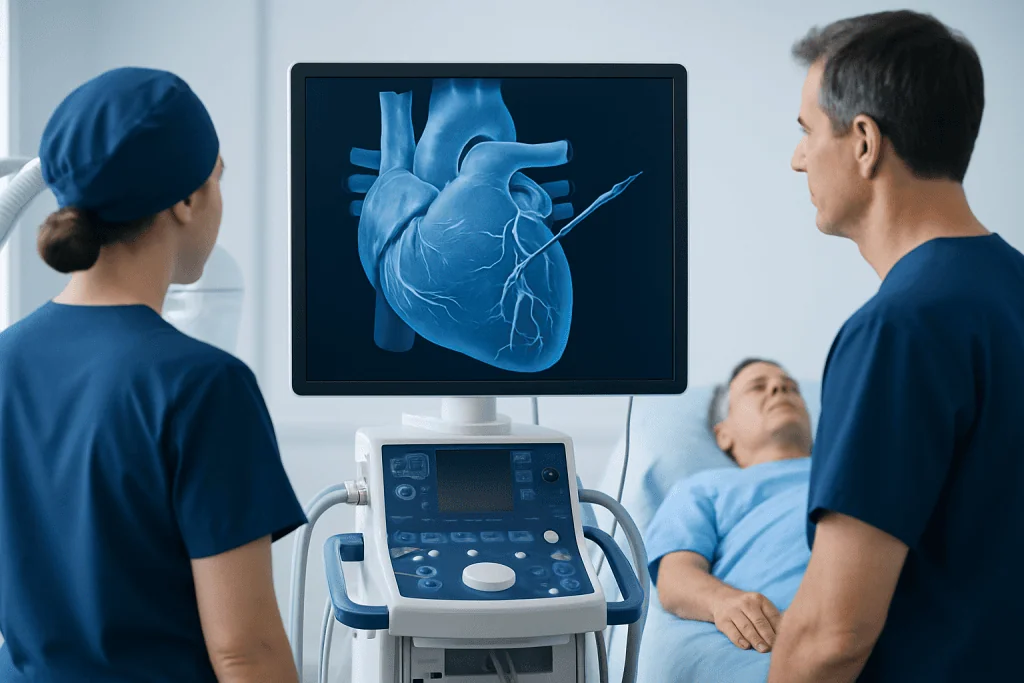
The heart beats through a carefully timed electrical system. In arrhythmias, signals may start in the wrong place, travel along an abnormal pathway, or circulate in a loop. Cardiac ablation identifies the source of that disruption and then treats it using energy delivered through a catheter tip.
Several energy types may be used. Radiofrequency ablation uses heat, while cryoablation uses cold to disable the problematic tissue. In selected cases, other technologies may be used depending on the type and location of the arrhythmia. The aim is always precise treatment while preserving surrounding healthy tissue as much as possible.
Before treatment begins, an electrophysiology study is often performed during the same session. This maps the heart’s electrical activity and helps the team locate the exact area responsible for the abnormal rhythm. Imaging, heart rhythm recordings, and specialized mapping systems all support this process.
Because the procedure is targeted, cardiac ablation is usually considered less invasive than surgery. Some people may hear about surgery-based rhythm treatment, but catheter-based ablation is the more common approach. In complex cases, treatment planning may overlap with broader cardiology care and heart rhythm evaluation.
Who may benefit from cardiac ablation

Cardiac ablation is not the right choice for every person with an irregular heartbeat, but it can be very helpful for selected patients. It is commonly considered for people whose arrhythmia is causing repeated symptoms, affecting daily life, or leading to emergency visits. It may also be discussed when a rhythm problem increases the risk of long-term complications.
People with frequent palpitations, sudden episodes of fast heartbeat, dizziness, exercise intolerance, or fainting related to an arrhythmia may be candidates. In other cases, the arrhythmia may be found during monitoring even when symptoms are mild. The treatment decision depends on the rhythm type, how often episodes happen, whether structural heart disease is present, and how the condition responds to medication.
Some patients are offered ablation early because certain arrhythmias respond very well to catheter treatment. Others may try medicines first and consider ablation later if symptoms continue. For people with conditions such as heart rhythm disorders, management often includes a detailed discussion of benefits, alternatives, and goals of care.
Doctors also consider age, kidney function, lung disease, bleeding risk, prior heart procedures, and the presence of a pacemaker or implantable device. A personalized assessment is important because the expected success and the potential risks vary from one arrhythmia to another.
What happens before, during, and after the procedure
Before cardiac ablation, a doctor usually reviews symptoms, medicines, past medical history, and prior heart tests. The evaluation may include an electrocardiogram, Holter monitor, echocardiogram, blood tests, and sometimes cardiac imaging. Some medicines may need to be adjusted before the procedure, especially blood thinners or rhythm drugs, but this should only be done on medical advice.
During the procedure, the patient lies on a procedure table while the team monitors heart rhythm, blood pressure, and oxygen levels. Catheters are inserted through a blood vessel, often in the groin, and guided to the heart. Sedation or anesthesia may be used depending on the type of ablation and the center’s practice. Once the arrhythmia source is mapped, the doctor applies energy to the targeted area.
Afterward, the catheters are removed and the patient is observed while the access site begins to heal. Some people go home the same day, while others stay overnight for monitoring. Mild soreness or bruising where the catheter entered the body can occur, and temporary fatigue is common for a short period.
Recovery instructions often include avoiding heavy lifting for several days, taking medicines exactly as prescribed, and attending follow-up appointments. It is not unusual for brief rhythm symptoms to occur during the early healing phase. In some cases, the doctor may recommend continued rhythm monitoring or additional evaluation through electrophysiology services.
Benefits, limitations, and possible risks
The main benefit of cardiac ablation is improved control of an abnormal heart rhythm. Many people have fewer symptoms, fewer episodes, and a better quality of life after treatment. For some arrhythmias, ablation can be highly effective and may reduce reliance on long-term antiarrhythmic medication.
Even so, cardiac ablation has limitations. Success depends on the type of arrhythmia, how long it has been present, and whether there is underlying heart disease. Some people need more than one ablation, especially for conditions such as persistent atrial fibrillation. Others may still need medicines after the procedure, although symptoms can improve.
As with any invasive procedure, there are risks. These may include bleeding, bruising, infection at the catheter site, blood vessel injury, damage to the heart’s normal electrical system, blood clots, stroke, or fluid around the heart. Serious complications are uncommon, but they are important to discuss before treatment. The exact risk profile varies with the procedure type and the patient’s health status.
Doctors weigh these risks against the burden of the arrhythmia itself. When performed in experienced centers with careful patient selection, cardiac ablation is a standard and widely used treatment. In more complex cases, planning may involve specialists in cardiovascular surgery as part of a multidisciplinary approach.
Life after cardiac ablation
Recovery from cardiac ablation is often measured in days to weeks, but the heart’s healing process can continue for longer. During this time, a person may occasionally notice skipped beats, brief palpitations, or mild rhythm fluctuations. These symptoms do not always mean the procedure has failed, as temporary irritation of heart tissue can happen while it heals.
Follow-up care helps the medical team assess symptom control and rhythm stability. This may include office visits, ECG testing, wearable monitors, or medication review. Some people continue blood-thinning medication after ablation, particularly if they have atrial fibrillation and a stroke risk that remains significant. These decisions are individualized and should not be changed without medical advice.
Healthy habits remain important after treatment. Managing blood pressure, sleep apnea, diabetes, weight, alcohol intake, smoking, and physical activity can all influence heart rhythm health. In conditions such as atrial fibrillation, lifestyle factors may affect the chance of recurrence even after a technically successful procedure.
For international patients seeking evaluation, Acibadem International’s multidisciplinary specialists and JCI-accredited hospitals diagnose and treat arrhythmias, including patients who may be candidates for cardiac ablation. Ongoing communication with the treating cardiology team is an important part of safe recovery and long-term rhythm management.
When to seek medical care
Medical review is important if there are repeated episodes of a fast or irregular heartbeat, chest discomfort, unexplained shortness of breath, dizziness, or reduced ability to exercise. Even when symptoms come and go, they may point to an arrhythmia that deserves evaluation. A doctor can help determine whether the cause is benign, medication-related, or linked to an underlying heart condition.
Urgent medical attention is needed for severe chest pain, fainting, sudden weakness, trouble speaking, serious shortness of breath, or a sustained rapid heartbeat with lightheadedness. These symptoms can have several causes, including serious arrhythmias, and should not be ignored. After cardiac ablation, patients should also contact their healthcare team promptly for significant bleeding, increasing swelling at the catheter site, fever, or new worsening symptoms.
Not every irregular heartbeat requires cardiac ablation. However, early assessment can help clarify the diagnosis and identify the safest treatment plan. For many people, a timely evaluation leads to reassurance, monitoring, medication, or a procedure when appropriate.
Frequently asked questions
Is cardiac ablation considered surgery?
Cardiac ablation is usually a minimally invasive catheter procedure rather than open-heart surgery. Thin tubes are inserted through blood vessels and guided to the heart, where energy is used to treat the abnormal electrical pathway.
How long does cardiac ablation take?
The procedure length varies depending on the type of arrhythmia and how complex the mapping is. Some ablations take a few hours, while more complex cases may take longer.
Is cardiac ablation a cure for arrhythmia?
For some arrhythmias, cardiac ablation can be very effective and may provide long-lasting control. However, not every rhythm problem is permanently cured, and some people may need repeat treatment or ongoing medication.
What is recovery like after cardiac ablation?
Many people recover relatively quickly and return to light daily activities within a few days, depending on their doctor’s advice. Mild groin soreness, bruising, or temporary fatigue can occur, and follow-up is important to monitor healing and heart rhythm.
Can atrial fibrillation come back after cardiac ablation?
Yes, atrial fibrillation can return after ablation, especially if the condition has been present for a long time or other heart risk factors remain. Some people need more than one procedure, and lifestyle management still matters after treatment.
Will a person still need medicine after cardiac ablation?
Some patients can reduce certain rhythm medicines after successful ablation, but others still need medication for symptom control or stroke prevention. Blood thinners and other drugs should only be adjusted under a doctor’s guidance.
This article is for general information only and is not a substitute for professional medical advice. Please consult a qualified doctor about your individual situation.
Heart care in Turkey — expert evaluation and treatment
JCI-accredited · board-certified surgeons · reply within 24h
Add us as a Preferred Source to see more of our trusted health content across Google Search, AI Overviews and Discover.
Check your numbers in seconds
BMI, calories, due date, blood pressure and 30+ more clinical calculators — free, instant, doctor-reviewed ranges.

More from the Health Library

System of Blood Circulation: What Patients Need to Know

Unexplained Weight Loss: What Patients Need to Know

Cortisol Belly: An Evidence-Based Guide for Patients

Tinel Sign — Explained by Medical Evidence, Not Myths

Overactive Bladder — Explained by Medical Evidence, Not Myths