Carotid Artery Stenting: Candidates, Procedure Steps, and Stroke Prevention

Carotid artery stenting treats narrowing in the neck arteries that supply blood to the brain. The procedure may be recommended after a stroke or transient ischemic attack, or for selected people with severe narrowing and no symptoms.
Key Takeaways
- Carotid artery stenting treats narrowing in the neck arteries that supply blood to the brain.
- The procedure may be recommended after a stroke or transient ischemic attack, or for selected people with severe narrowing and no symptoms.
- A stent is placed through a catheter, usually from the groin or wrist, and an embolic protection device may be used to catch debris.
- Stroke prevention also depends on long-term medication, blood pressure control, cholesterol management, diabetes care, smoking cessation, and healthy lifestyle habits.
- The choice between carotid stenting, carotid endarterectomy, and medical treatment should be individualized by an experienced vascular, neurology, and interventional team.
Carotid artery stenting is a minimally invasive procedure used to widen a narrowed carotid artery and help lower the risk of stroke. It is usually considered for carefully selected people with significant carotid artery stenosis, especially when surgery may carry higher risks.
Overview
Carotid artery stenting is a procedure that helps open a narrowed carotid artery. The carotid arteries are the major blood vessels on each side of the neck that carry oxygen-rich blood to the brain. When fatty deposits, called plaque, build up inside these arteries, the condition is known as carotid artery stenosis. If a piece of plaque or a blood clot travels to the brain, it can block blood flow and cause a stroke or transient ischemic attack, often called a TIA or mini-stroke.
During carotid artery stenting, a doctor guides a thin tube called a catheter through a blood vessel to the narrowed area. A small balloon may be used to widen the artery, and a tiny mesh tube, called a stent, is placed to help keep the artery open. The procedure is performed through a small puncture rather than a large neck incision, which is why it is considered minimally invasive.
Carotid stenting is one of several approaches to stroke prevention in people with carotid stenosis. Other options include medical treatment alone and carotid endarterectomy, an operation that removes plaque through an incision in the neck. The best choice depends on the degree of narrowing, symptoms, age, overall health, anatomy of the arteries, and the experience of the treatment team.
Who May Be a Candidate
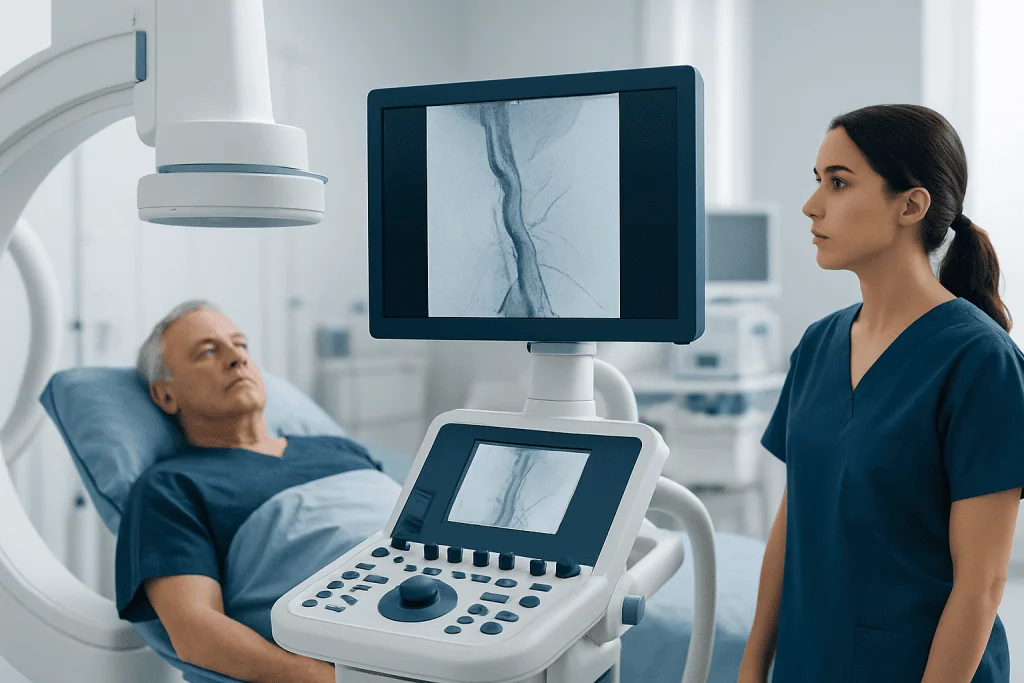
A person may be considered for carotid artery stenting if there is significant narrowing of a carotid artery and the narrowing is thought to raise the risk of stroke. This is especially relevant for people who have already had symptoms such as a TIA, stroke, or temporary vision loss related to the affected artery. In symptomatic patients, treatment is usually discussed more urgently because the risk of another event can be higher in the weeks after symptoms occur.
Carotid stenting may be preferred over surgery in selected patients who have a higher surgical risk. Examples can include people with prior neck surgery or radiation, a carotid narrowing that is difficult to reach surgically, severe heart or lung disease, or certain anatomic features that make open surgery more challenging. It may also be considered when a person has restenosis, meaning the artery has narrowed again after a previous carotid operation.
Not everyone with carotid artery stenosis needs a stent. Some people with mild or moderate narrowing, or those whose overall stroke risk is low, may be managed with medication and close follow-up. For people without symptoms, stenting is usually considered only when narrowing is severe, life expectancy and general health make preventive treatment reasonable, and the expected procedural risk is acceptably low.
Symptoms and Warning Signs of Carotid Artery Disease

Carotid artery stenosis often causes no symptoms until blood flow to the brain is interrupted. For this reason, it may be discovered during a physical examination, an ultrasound test, or an evaluation for another vascular problem. A healthcare professional may hear a whooshing sound, called a bruit, over the neck, but this finding alone does not confirm severe disease.
Symptoms of a TIA or stroke should be treated as medical emergencies. They can appear suddenly and may improve quickly, but even brief symptoms are important because they can signal a risk of a larger stroke. Common warning signs include:
- Weakness or numbness of the face, arm, or leg, especially on one side of the body
- Difficulty speaking, understanding speech, or finding words
- Sudden vision loss or blurred vision in one eye
- Dizziness, loss of balance, or trouble walking
- Sudden severe headache, especially if unusual for the person
If any of these symptoms occur, emergency medical care is needed immediately. Rapid evaluation can determine whether symptoms are due to a blocked artery, bleeding in the brain, heart rhythm problems, or another cause, and early treatment may reduce the chance of lasting disability.
Diagnosis and Pre-Procedure Evaluation
Diagnosis begins with a medical history, neurological examination, and assessment of vascular risk factors such as high blood pressure, diabetes, high cholesterol, smoking, kidney disease, and previous heart or vascular disease. The doctor will also ask about prior stroke-like symptoms, medicines, allergies, bleeding problems, and past procedures involving the neck or arteries.
Imaging tests are used to measure the degree of narrowing and plan treatment. A carotid duplex ultrasound is commonly the first test because it is noninvasive and shows blood flow through the artery. Computed tomography angiography, magnetic resonance angiography, or catheter-based angiography may be used for more detailed views of the arteries, especially before a stent procedure.
Before carotid artery stenting, patients are usually evaluated for the safety of contrast dye, kidney function, blood clotting, and heart health. The care team will review antiplatelet medicines, blood thinners, diabetes medicines, and any supplements that may affect bleeding. This preparation helps reduce complications and allows the team to choose the most suitable access route, stent size, and protection strategy.
Procedure Steps: What Usually Happens
Carotid artery stenting is typically performed in an angiography suite or hybrid operating room by an interventional neurologist, interventional radiologist, vascular surgeon, or cardiologist with specialized vascular training. The patient is usually awake or lightly sedated so the team can monitor speech, strength, and neurological status during the procedure. Local anesthesia is used at the access site, most often in the groin, although the wrist or arm may be used in some cases.
The doctor inserts a catheter into the blood vessel and guides it to the carotid artery using live X-ray imaging. Contrast dye is injected to outline the artery and confirm the narrowed segment. In many cases, an embolic protection device is placed beyond the narrowing or a flow-reversal system is used. These tools are designed to reduce the chance that small pieces of plaque or clot travel to the brain during treatment.
Once the protection system is in place, a balloon may be gently inflated to widen the narrowed artery. The stent is then positioned across the stenosis and expanded so it presses the plaque against the artery wall. Sometimes a second balloon inflation is performed to improve the opening. At the end, the doctor checks blood flow with angiography, removes the devices, and closes or compresses the access site.
After the procedure, the patient is monitored for blood pressure changes, bleeding at the puncture site, heart rhythm changes, and any neurological symptoms. Some people go home the next day, while others need longer observation depending on their condition and the hospital protocol. Follow-up imaging is often arranged to confirm that the stent remains open.
Benefits, Risks, and Alternatives
The main goal of carotid artery stenting is stroke prevention. By improving the narrowed area and stabilizing the plaque with a stent, the procedure may lower the chance of future embolic events in appropriately selected patients. It can be particularly useful when carotid endarterectomy is less suitable because of medical or anatomic factors.
As with any vascular procedure, carotid stenting has possible risks. These include stroke or TIA during or soon after the procedure, bleeding or bruising at the access site, artery injury, allergic reaction to contrast dye, kidney strain from contrast, heart rhythm or blood pressure changes, and re-narrowing of the artery over time. The care team balances these risks against the expected benefit of preventing future stroke.
Alternatives include carotid endarterectomy and optimized medical therapy. Carotid endarterectomy may be preferred for some patients, especially when surgical risk is low and anatomy is favorable. Medical therapy is essential for all patients, whether or not they have a procedure, and includes antiplatelet therapy when appropriate, cholesterol-lowering treatment, blood pressure control, diabetes management, and lifestyle changes. Shared decision-making is important because the best treatment can differ from one patient to another.
Recovery, Medicines, and Long-Term Stroke Prevention
Recovery after carotid artery stenting is usually focused on monitoring and preventing complications. Patients may be asked to avoid heavy lifting, strenuous activity, or soaking the puncture site for a short period, according to their doctor’s instructions. Mild soreness or bruising at the access site can occur, but increasing swelling, severe pain, fever, or new neurological symptoms should be reported promptly.
Medicines are a central part of care after stenting. Many patients need antiplatelet medicines to help prevent clot formation inside the stent, along with cholesterol-lowering therapy and treatment for blood pressure, diabetes, or heart disease when needed. Patients should not stop prescribed antiplatelet or blood-thinning medicines without medical advice, because doing so may increase the risk of clotting.
Long-term stroke prevention also depends on daily habits. A heart-healthy eating pattern, regular physical activity approved by the doctor, smoking cessation, weight management, limited alcohol intake, good sleep, and follow-up appointments all support vascular health. Follow-up ultrasound examinations may be recommended to check the stent and detect restenosis early if it occurs.
When to See a Doctor
Anyone with symptoms of a stroke or TIA should seek emergency care immediately, even if symptoms disappear within minutes. Sudden weakness, speech problems, facial drooping, vision loss, severe dizziness, or trouble walking should not be observed at home. Fast assessment allows doctors to identify the cause and start time-sensitive treatment when appropriate.
A non-emergency appointment is also important for people who have been told they have carotid artery stenosis, have a neck bruit, or have risk factors such as smoking, diabetes, high cholesterol, high blood pressure, or peripheral artery disease. A qualified doctor can determine whether imaging is needed and whether treatment should involve medication, surgery, stenting, or continued monitoring.
For international patients seeking evaluation, Acibadem International’s multidisciplinary specialists and JCI-accredited hospitals diagnose and treat carotid artery disease using coordinated neurology, vascular, interventional, imaging, and rehabilitation expertise. The treatment recommendation should always be individualized after a full medical review and discussion of benefits, risks, and alternatives.
Frequently asked questions
What is carotid artery stenting?
Carotid artery stenting is a minimally invasive procedure that places a small mesh tube inside a narrowed carotid artery in the neck. The stent helps keep the artery open so blood can flow more freely to the brain. It is used to reduce stroke risk in selected patients with significant carotid artery stenosis.
Is carotid artery stenting better than carotid endarterectomy?
Neither option is best for everyone. Carotid endarterectomy may be preferred for some patients, while stenting may be more suitable for others who have higher surgical risk or certain anatomic considerations. The decision should be made after specialist evaluation of symptoms, imaging results, age, medical history, and procedural risk.
Does a carotid stent cure carotid artery disease?
A carotid stent treats a specific narrowed area, but it does not cure the underlying atherosclerosis that caused plaque buildup. Ongoing medicines and lifestyle changes remain essential after the procedure. Regular follow-up helps monitor the stent and the health of other blood vessels.
How long does recovery take after carotid artery stenting?
Many patients are monitored in the hospital overnight, although the length of stay depends on overall health and the procedure result. Most people return gradually to normal light activities within a few days, following their doctor’s instructions. Strenuous activity may need to be avoided for a short time to protect the access site.
What symptoms after carotid stenting need urgent care?
New weakness, numbness, facial drooping, trouble speaking, vision loss, severe dizziness, or sudden confusion should be treated as an emergency. Severe swelling, bleeding, or rapidly increasing pain at the puncture site also needs prompt medical attention. Patients should follow the discharge instructions provided by their care team.
Will medicines still be needed after the stent is placed?
Yes, medicines are usually needed after carotid stenting to reduce the risk of clotting and slow the progression of atherosclerosis. These may include antiplatelet therapy, cholesterol-lowering medicine, and treatment for blood pressure or diabetes when appropriate. Patients should take medicines exactly as prescribed and discuss any side effects with their doctor.
References
- American Heart Association
- American Stroke Association
- European Society for Vascular Surgery
- Society for Vascular Surgery
- National Institute for Health and Care Excellence
This article is for general information only and is not a substitute for professional medical advice. Please consult a qualified doctor about your individual situation.
Explore treatments in Turkey — costs, top hospitals & a free quote
JCI-accredited · board-certified surgeons · reply within 24h
Add us as a Preferred Source to see more of our trusted health content across Google Search, AI Overviews and Discover.
Check your numbers in seconds
BMI, calories, due date, blood pressure and 30+ more clinical calculators — free, instant, doctor-reviewed ranges.

More from the Health Library



Related Specialists

Dr. Muammer Karagöz
Otorhinolaryngology
Dr. Mustafa Tolga Ünsür
Pediatrics
Dt. Barış Konuk
Oral Dental & Maxillofacial Surgery
Dr. Hande Aygün
Infectious Diseases & Clinical Microbiology