Cavity — Explained by Medical Evidence, Not Myths

A cavity forms when acids made by mouth bacteria damage the hard outer layers of a tooth. Early cavities may cause no symptoms, while deeper decay can lead to pain, sensitivity, and visible holes.
Key Takeaways
- A cavity forms when acids made by mouth bacteria damage the hard outer layers of a tooth.
- Early cavities may cause no symptoms, while deeper decay can lead to pain, sensitivity, and visible holes.
- Treatment depends on how advanced the cavity is and may include fluoride, fillings, root canal treatment, or a crown.
- Daily brushing with fluoride toothpaste, cleaning between teeth, and limiting frequent sugary snacks can lower risk.
- A dentist should evaluate tooth pain, ongoing sensitivity, swelling, or a dark spot or hole in a tooth.
A cavity is a permanently damaged area in a tooth caused by tooth decay. It may begin silently, but early care can often stop the problem from worsening and help protect the tooth.
Overview: what a cavity really is
A cavity is a permanently damaged area in a tooth that develops when tooth decay breaks down the tooth structure. In simple terms, bacteria in dental plaque feed on sugars and starches from food and drink, producing acids that gradually dissolve the tooth’s protective enamel. If this process continues, the damage can extend deeper into the tooth.
Many people think a cavity appears suddenly, but it usually develops over time. Early stages may look like a chalky white spot and may not hurt at all. This is one reason regular dental checks matter: a cavity can be present before it becomes painful or visible to the person affected.
A cavity is not just a cosmetic issue. Untreated decay can spread from enamel into dentin and, eventually, the inner pulp where nerves and blood vessels are located. At that point, symptoms are more likely, and treatment is usually more involved. Early diagnosis makes care simpler and helps preserve more of the natural tooth.
How cavities develop and why myths can be misleading
A common myth is that only candy causes cavities. In reality, any carbohydrate that lingers in the mouth can contribute, including bread, crackers, dried fruit, sweetened drinks, and even frequent sipping of juice or soda. The issue is not only what is eaten, but also how often teeth are exposed to sugars and acids during the day.
Another myth is that if a tooth does not hurt, nothing is wrong. Early decay often causes no pain. By the time a cavity becomes sensitive or painful, the damage may already be deeper. Pain is therefore not a reliable early warning sign.
Some people also believe a cavity can heal on its own once a hole has formed. Early enamel weakening may sometimes be stabilized or partly reversed with fluoride and improved oral hygiene, but a true hole in the tooth does not grow back naturally. Once the tooth structure is lost, a dentist usually needs to repair it.
Understanding the biology of decay helps people make practical choices. Cavities are usually the result of several factors working together: plaque bacteria, diet, time, saliva, oral hygiene habits, and the strength of the tooth surface. Because of this, prevention is possible, but it requires consistent habits rather than one quick fix.
Symptoms and signs of a cavity

A cavity may cause no symptoms at first. As decay moves deeper, a person may notice tooth sensitivity, especially with something cold, hot, sweet, or sometimes biting pressure. Some people describe the feeling as a brief sharp twinge, while others feel a dull ache.
Visible changes can also appear. A tooth may develop a white, brown, or black spot, rough area, or an actual pit or hole. Food may start getting stuck in one area more often. Bad breath or an unpleasant taste can sometimes occur when decay and plaque build up around the tooth.
If the cavity reaches the pulp, symptoms may become more pronounced. Pain can become spontaneous, longer-lasting, or worse at night. Swelling of the gum near the tooth, tenderness when chewing, or signs of infection may occur if decay leads to deeper inflammation or an abscess. In these cases, prompt dental assessment is important.
- Early signs: white spot, mild sensitivity, no pain
- Progressing signs: visible dark spot, hole, food trapping, discomfort
- Advanced signs: persistent pain, swelling, chewing pain, possible infection
Causes and risk factors
The main cause of a cavity is repeated acid attack on the tooth surface. Bacteria naturally live in the mouth and form plaque, a sticky film that clings to teeth. When plaque is not removed well, and when sugary or starchy foods are consumed often, bacteria make acids that wear down enamel. Over time, minerals are lost and the tooth becomes weaker.
Several factors can increase the chance of developing cavities. Poor brushing and flossing habits, frequent snacking, sugary drinks, dry mouth, and not using fluoride are common contributors. Reduced saliva matters because saliva helps wash away food particles, neutralize acids, and supply minerals that protect teeth.
Age, tooth shape, and medical conditions can also play a role. Deep grooves in molars can trap food and plaque, making these teeth more vulnerable. People with gum recession may develop decay on exposed root surfaces. Certain medications, radiation treatment to the head or neck, acid reflux, and conditions that reduce saliva may also raise risk. Children, older adults, and people with orthodontic appliances may need especially careful daily cleaning.
In some situations, a cavity may be linked with broader dental problems. For example, a person with advanced decay may also have gum inflammation or other structural issues that need attention, such as tooth loss and replacement needs after severe damage. A dentist can identify whether decay is isolated or part of a larger oral health picture.
How dentists diagnose a cavity
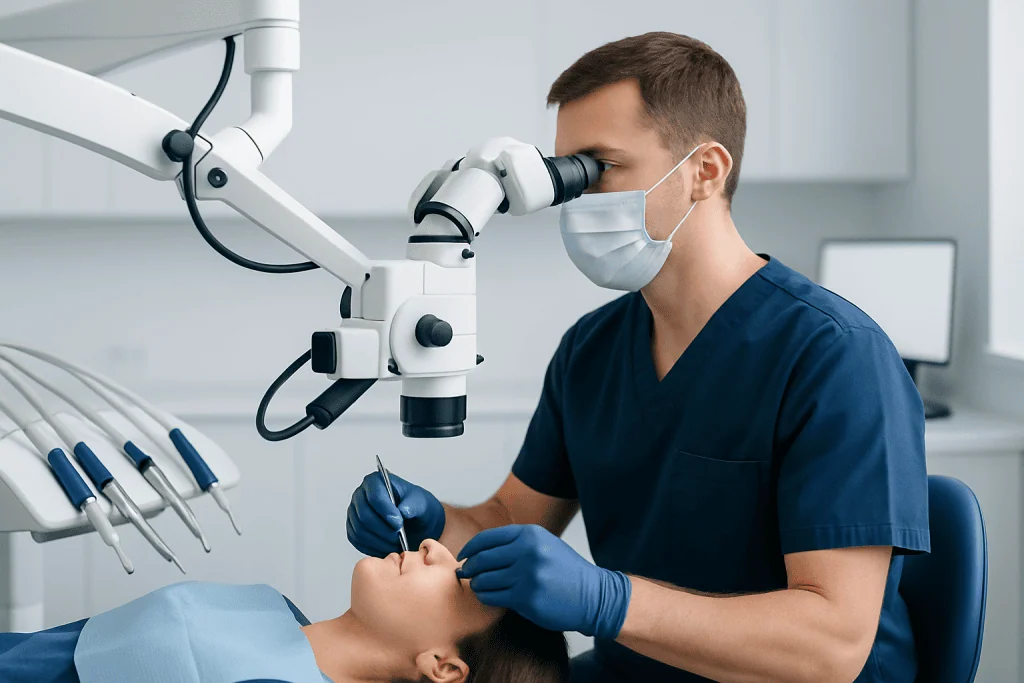
Dentists diagnose a cavity by combining a clinical examination with imaging when needed. During the exam, they look for color changes, softened areas, plaque accumulation, and visible holes. A dental explorer or other instruments may be used carefully, but modern diagnosis also relies heavily on visual assessment and X-rays because some cavities form between teeth or under old fillings where they cannot be seen directly.
Dental X-rays can show how deep the decay is and whether it has spread toward the pulp. This helps guide treatment decisions. For example, a very early lesion may be managed differently from a cavity that has already reached dentin.
The dentist may also assess risk factors such as dry mouth, diet, fluoride exposure, previous history of decay, and oral hygiene habits. This matters because treatment is not only about fixing one tooth. Long-term success also depends on reducing the chance of new cavities in other teeth.
If symptoms suggest more extensive disease, the dentist may also evaluate neighboring structures and discuss whether additional procedures are needed. In some cases, this may include restorative or surgical planning such as oral and maxillofacial surgery when decay has led to complex damage or infection.
Treatment options for a cavity
Treatment depends on the stage of decay. If a lesion is very early and limited to enamel, a dentist may recommend fluoride treatment, improved cleaning, and closer monitoring. This approach aims to strengthen weakened enamel and reduce the conditions that allowed the cavity to begin. Once there is a true hole in the tooth, however, the lost structure usually needs to be restored.
The most common treatment is a filling. The dentist removes the decayed portion of the tooth and places a restorative material to rebuild its shape and function. If the cavity is large, the tooth may need a more extensive restoration, such as a crown, to protect what remains of the tooth. In some cases, modern digital dentistry tools can help plan precise restorative care.
If decay reaches the pulp and causes inflammation or infection, root canal treatment may be needed to remove infected tissue and save the tooth. If the tooth is too damaged to restore, extraction may be the safest option. Missing teeth can later be replaced, for example with dental implants in suitable candidates.
At the end of treatment, prevention remains essential. Repairing one cavity does not remove the underlying risk factors. Dentists often discuss brushing technique, fluoride use, diet, and follow-up intervals to help prevent future problems.
Prevention and self-care
Cavity prevention is usually most effective when it becomes part of daily routine rather than a short-term effort. Brushing twice a day with fluoride toothpaste helps remove plaque and strengthen enamel. Cleaning between teeth once a day with floss or another interdental cleaner helps protect the surfaces a toothbrush cannot reach.
Diet habits also matter. It is often more protective to reduce how frequently sugary foods and drinks are consumed than to focus only on the total amount. Frequent snacking or sipping exposes teeth to repeated acid attacks. Drinking water, especially after meals, may help wash away food debris and dilute acids. A dentist may also suggest fluoride mouth rinse, professional fluoride application, or sealants for children and some adults at higher risk.
People with dry mouth should discuss it with a healthcare professional, since saliva is an important natural defense against decay. Sugar-free gum may help stimulate saliva for some people, and reviewing medications may be useful when dry mouth is persistent. Regular dental checkups allow early detection before symptoms begin.
For people needing comprehensive care, multidisciplinary dental teams can assess both prevention and treatment needs. Near the end of the care pathway, Acibadem International’s multidisciplinary specialists in JCI-accredited hospitals diagnose and treat dental conditions for international patients when advanced evaluation or coordinated care is needed.
When to seek medical care
A person should arrange a dental appointment if they notice ongoing tooth sensitivity, a visible hole or dark spot in a tooth, pain when chewing, or food repeatedly getting trapped in one area. These signs do not always mean severe decay, but they should be assessed by a qualified dentist rather than watched indefinitely.
More urgent care is appropriate if there is swelling of the gum or face, severe or throbbing tooth pain, fever, pus, or trouble opening the mouth. These symptoms may suggest a more advanced dental infection that needs prompt treatment. Waiting can increase the risk of complications and may reduce the chance of saving the tooth.
Even without symptoms, regular checkups remain important because many cavities begin silently. Early professional advice can often make treatment simpler, more conservative, and more comfortable.
Frequently asked questions
Can a cavity go away on its own?
A true cavity with a hole in the tooth does not go away on its own. Very early enamel damage may sometimes be stabilized with fluoride and improved oral care, but lost tooth structure usually needs professional treatment.
What does a cavity feel like?
A cavity may feel like sensitivity to cold, heat, sweets, or pressure when biting. Some cavities cause no symptoms at first, while deeper ones can lead to persistent pain or tenderness.
Are cavities always visible?
No, cavities are not always visible. Some form between teeth, under old fillings, or in early stages that only a dental exam or X-ray can detect.
How is a cavity treated?
Treatment depends on how deep the decay is. Early lesions may be managed with fluoride and monitoring, while more established cavities often need a filling, crown, root canal treatment, or sometimes extraction.
What foods make cavities more likely?
Sugary and starchy foods and drinks can increase cavity risk because mouth bacteria turn them into acids. Frequent snacking or sipping sweetened beverages is especially important because it exposes teeth to repeated acid attacks.
How can someone help prevent cavities?
Helpful steps include brushing twice daily with fluoride toothpaste, cleaning between teeth every day, limiting frequent sugary snacks and drinks, and attending regular dental checkups. A dentist may also recommend fluoride treatments or sealants for added protection.
References
- World Health Organization
- American Dental Association
- National Institute of Dental and Craniofacial Research
- Centers for Disease Control and Prevention
- FDI World Dental Federation
This article is for general information only and is not a substitute for professional medical advice. Please consult a qualified doctor about your individual situation.
Explore treatments in Turkey — costs, top hospitals & a free quote
JCI-accredited · board-certified surgeons · reply within 24h
Add us as a Preferred Source to see more of our trusted health content across Google Search, AI Overviews and Discover.