Celibacy: An Evidence-Based Guide for Patients

Celibacy is a personal choice and is not a disease or medical disorder. For most people, celibacy does not directly damage physical health.
Key Takeaways
- Celibacy is a personal choice and is not a disease or medical disorder.
- For most people, celibacy does not directly damage physical health.
- Emotional effects vary widely and depend on personal values, relationships, and mental wellbeing.
- Persistent pain, sexual difficulties, low mood, anxiety, or relationship stress may benefit from professional support.
- A doctor can help separate normal variation from treatable sexual, hormonal, urologic, gynecologic, or mental health concerns.
Celibacy means choosing not to engage in sexual activity, sometimes for personal, cultural, religious, relationship, or health reasons. For most people, celibacy is not medically harmful, but questions about sexual function, emotional wellbeing, pain, or distress deserve thoughtful medical attention.
Overview: what celibacy means
Celibacy is the decision to abstain from sexual activity. Some people choose it for religious or spiritual reasons, while others do so because of personal values, recovery after illness, past experiences, relationship circumstances, or a desire to focus on other parts of life. In medical terms, celibacy itself is not an illness, diagnosis, or sign that something is wrong.
It is also helpful to distinguish celibacy from related terms. Sexual abstinence usually refers to not having sexual activity for a period of time, while celibacy may describe a longer-term commitment or identity. A person may be celibate and still have romantic relationships, emotional intimacy, or questions about sexual health. Others may feel comfortable and content without sexual activity.
From a health perspective, the most important issue is not whether someone is celibate, but how that choice affects overall wellbeing. If celibacy feels consistent with a person’s values and there is no distress, it usually does not require medical care. If it is associated with pain, fear, intrusive thoughts, depression, relationship conflict, or concern about sexual function, a healthcare professional can help assess the underlying issue.
How celibacy can affect physical and emotional health
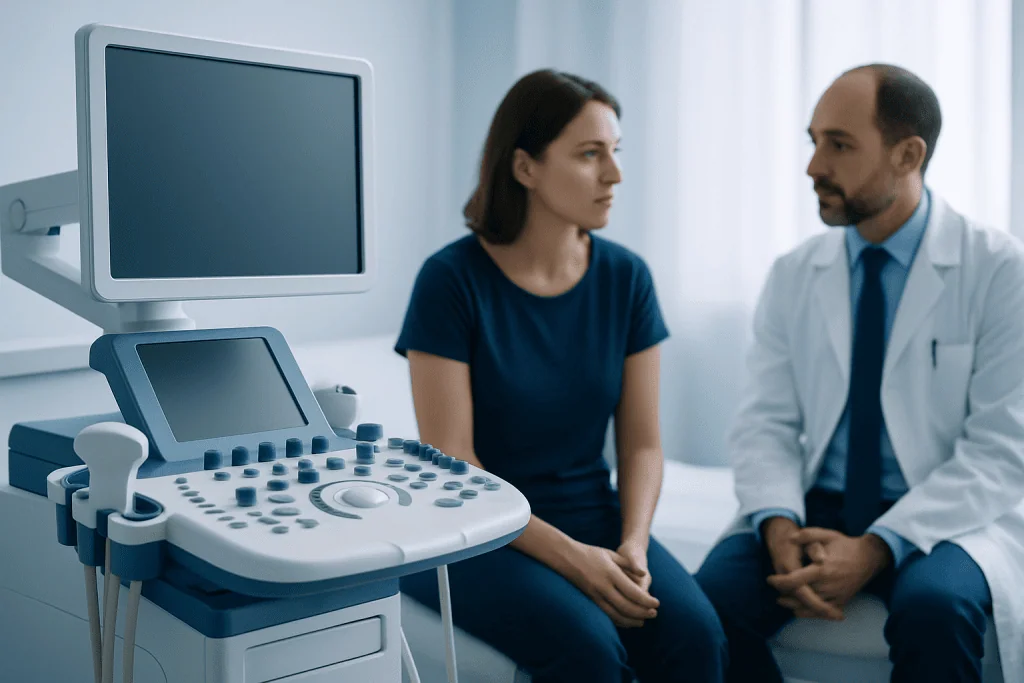
Current medical understanding suggests that celibacy does not inherently harm the body. There is no requirement for sexual activity in order to maintain general health. Hormones continue to be produced, the reproductive system continues to function according to age and overall health, and a person’s wellbeing depends far more on sleep, nutrition, exercise, mental health, social connection, and management of medical conditions than on sexual frequency alone.
Emotional effects can be very different from one person to another. Some people feel peaceful, focused, or aligned with their beliefs when practicing celibacy. Others may experience frustration, loneliness, grief, or tension if celibacy is not fully voluntary or if it follows a breakup, illness, infertility concerns, or changes in body image. These feelings do not mean celibacy is unhealthy; they simply show that sexual health is closely linked to emotional and social life.
For people in relationships, celibacy can affect communication and intimacy. Partners may have different expectations around touch, affection, and sexual expression. Honest discussion can reduce misunderstanding and resentment. If conflict develops, counseling or sexual health support may be useful, especially when celibacy is connected to pain, desire differences, trauma, or conditions such as vaginismus.
It is also worth noting that myths about celibacy are common. Celibacy does not cause a toxic buildup in the body, and it does not automatically create permanent sexual dysfunction. However, if someone avoids intimacy because of fear, pain, erectile problems, or emotional distress, those specific concerns deserve evaluation rather than being dismissed as a lifestyle choice.
Common concerns people ask about celibacy

Many patient questions about celibacy are really questions about sexual function. A person may wonder whether not having sex can cause erectile dysfunction, vaginal tightness, low libido, or infertility. In general, celibacy itself is not considered a direct cause of infertility or long-term sexual dysfunction. When these problems occur, they are more often related to age, hormone changes, chronic diseases, medication side effects, pelvic floor issues, mental health, relationship dynamics, or other medical conditions.
Some people notice temporary changes after a long period without sexual activity, such as anxiety about intimacy, reduced confidence, or uncertainty about arousal. These experiences are usually influenced by stress, expectations, and comfort level rather than physical damage. If there is pain with penetration, difficulty with arousal, or distress around sexual activity, targeted assessment may identify treatable factors.
For men, concerns may include erection quality, ejaculation, and sexual desire. For women, questions may involve vaginal discomfort, lubrication, desire, or fear of pain. In either case, symptoms that persist should be evaluated in a respectful and confidential setting. Depending on the issue, assessment may include review by specialists in urology or gynecology.
Another common concern is whether celibacy affects mental health. The answer depends on context. Voluntary celibacy may have no negative mental health effect at all. But when celibacy is linked to shame, unresolved trauma, compulsive behaviors, social isolation, or relationship strain, support from a doctor, psychologist, or therapist can be very helpful.
Why someone may choose celibacy or experience it unintentionally
Celibacy can be an active, healthy choice. Some people adopt it for faith, ethics, or personal growth. Others choose it after a difficult relationship, during treatment for a health condition, while focusing on studies or work, or while reconsidering what intimacy means to them. When chosen freely, celibacy may be part of a balanced and satisfying life.
At other times, celibacy may be unintentional. A person may want sexual intimacy but avoid it because of pain, erectile difficulties, low desire, menopausal symptoms, body image concerns, fertility stress, depression, anxiety, or the effects of trauma. In these situations, the underlying issue matters more than the label of celibacy.
Physical conditions can also play a role. Chronic illness, fatigue, endocrine disorders, pelvic pain, urinary symptoms, and medication side effects may all reduce interest in sex or make it uncomfortable. Relationship factors such as long distance, caregiving stress, unresolved conflict, or mismatched libido can also contribute. A careful medical history often helps clarify whether celibacy is a preference, a temporary adaptation, or a sign of a treatable problem.
Clinicians may ask about sexual orientation, relationship status, cultural background, and past experiences to understand the situation respectfully. The goal is not to challenge a person’s choice, but to identify whether there is distress or a medical concern that should be addressed.
How doctors evaluate concerns related to celibacy
There is no test for celibacy itself, because it is not a disease. Medical evaluation focuses on symptoms or concerns that happen alongside it. A doctor may ask whether the person is content with celibacy or feels pressured, distressed, numb, fearful, or physically uncomfortable. They may also ask about sleep, mood, energy, medications, menstrual history, erections, pain, pelvic symptoms, and relationship factors.
If symptoms suggest an underlying condition, further assessment may be recommended. This can include a physical examination, pelvic examination when appropriate, hormone or blood tests, review of current medicines, or screening for depression and anxiety. In people with pain during sex, involuntary muscle tightening, or fear of penetration, clinicians may consider conditions such as vaginismus or other pelvic floor disorders.
When sexual function is the main concern, evaluation aims to rule out common medical causes. These may include diabetes, thyroid disease, cardiovascular problems, menopause, low testosterone, medication side effects, chronic stress, or neurologic issues. Some patients also benefit from review by a mental health professional, because anxiety, trauma, and relationship stress can strongly affect intimacy and desire.
The most effective assessment is nonjudgmental and patient-centered. A good clinician respects personal beliefs while helping the person understand what is normal, what may be changing with age or health, and what symptoms deserve treatment.
Support, treatment options, and self-care
Most people who are healthy and comfortable with celibacy do not need treatment. Support is only needed when there is discomfort, distress, or an associated medical problem. In that case, treatment depends on the cause rather than on celibacy itself. For example, hormonal issues may need medical management, pelvic pain may require gynecologic assessment, erectile symptoms may need a urologic workup, and anxiety or trauma may respond to therapy.
Nonmedical strategies can also be valuable. Open communication with a partner can reduce misunderstandings about boundaries, expectations, affection, and emotional intimacy. Stress reduction, regular exercise, adequate sleep, and management of chronic conditions support both general health and sexual wellbeing. Some people also benefit from counseling that explores values, identity, intimacy, and confidence in a safe setting.
When a person wants to return to sexual activity after a long period of celibacy, a gradual and pressure-free approach is often helpful. This may include discussing fears, addressing pain early, and building comfort with nonsexual closeness first. If there is ongoing difficulty with desire, arousal, pain, or function, referral to sexual dysfunctions care or pelvic floor support may be appropriate.
Near the end of the care pathway, some patients seek multidisciplinary evaluation if more than one factor is involved. Acibadem International’s multidisciplinary specialists and JCI-accredited hospitals evaluate and treat sexual health concerns for international patients when medical, psychological, gynecologic, or urologic issues overlap.
When to seek medical care
Celibacy itself usually does not require medical attention. A medical appointment is a good idea, however, if a person wants sexual intimacy but avoids it because of pain, fear, erection problems, lack of arousal, severe dryness, bleeding, or distress. Persistent symptoms are more likely to reflect an underlying health issue than the simple absence of sexual activity.
Professional help is also important when celibacy is associated with low mood, anxiety, panic, intrusive memories, relationship conflict, or a history of trauma. These experiences are common and treatable, and support can improve quality of life even if the person chooses to remain celibate.
- Seek prompt care for pelvic pain, genital pain, unusual discharge, sores, urinary symptoms, or bleeding.
- Arrange an evaluation for ongoing erectile difficulties, low desire with distress, or pain with penetration.
- Consider mental health support for depression, anxiety, shame, obsessive thoughts, or trauma-related symptoms.
- Discuss fertility questions with a qualified clinician if pregnancy is desired now or in the future.
Early assessment can provide reassurance, identify treatable conditions, and help patients make informed choices that fit their values and health goals.
Frequently asked questions
Is celibacy unhealthy?
For most people, celibacy is not unhealthy. If it is a personal choice and does not cause distress, it usually has no harmful medical effect. Concerns matter more when celibacy is linked to pain, depression, anxiety, or relationship difficulties.
Can celibacy cause sexual dysfunction?
Celibacy itself is not considered a direct cause of permanent sexual dysfunction. Problems such as pain, erection difficulties, or reduced desire are more often related to stress, hormones, medical conditions, medications, or emotional factors. A doctor can help identify the real cause.
Does celibacy affect fertility?
Celibacy does not usually damage fertility. Fertility depends on factors such as age, ovulation, sperm quality, reproductive anatomy, and overall health. If someone is concerned about future fertility, a clinician can offer individualized advice.
Can someone be celibate and still have intimacy?
Yes. Intimacy includes emotional closeness, affection, trust, communication, and physical touch that is not sexual. Many people maintain meaningful intimate relationships while choosing celibacy.
What if celibacy is not really a choice?
If a person wants sexual activity but feels unable to engage because of pain, fear, low mood, trauma, or sexual function problems, it is reasonable to seek care. These issues are common and often treatable. Support can come from medical, gynecologic, urologic, or mental health professionals.
Should a person see a doctor before returning to sexual activity after a long time?
Not everyone needs an appointment, especially if they feel well and have no symptoms. But medical advice is helpful if there is pain, vaginal dryness, concern about erections, chronic illness, menopause-related changes, or questions about sexually transmitted infection prevention. A clinician can provide guidance that is practical and respectful.
References
- World Health Organization
- American College of Obstetricians and Gynecologists
- American Urological Association
- Cleveland Clinic
- National Institute of Mental Health
This article is for general information only and is not a substitute for professional medical advice. Please consult a qualified doctor about your individual situation.
Explore treatments in Turkey — costs, top hospitals & a free quote
JCI-accredited · board-certified surgeons · reply within 24h
Add us as a Preferred Source to see more of our trusted health content across Google Search, AI Overviews and Discover.

More from the Health Library

Types of Smiles: A Complete Medical Overview

Phantosmia: An Evidence-Based Guide for Patients

Lemon Ginger Tea: What Patients Need to Know

Women Multivitamin: A Complete Medical Overview

Spinal Muscular Atrophy — Explained by Medical Evidence, Not Myths