Celine Dion Disease: Symptoms, Causes, and Treatment Options

Celine Dion disease refers to stiff person syndrome, not a separate diagnosis. The condition affects the nervous system and commonly causes stiffness in the trunk and limbs.
Key Takeaways
- Celine Dion disease refers to stiff person syndrome, not a separate diagnosis.
- The condition affects the nervous system and commonly causes stiffness in the trunk and limbs.
- Symptoms may worsen with stress, sudden noise, touch, or emotional upset.
- Diagnosis usually combines a neurological exam, blood tests, electromyography, and imaging to rule out other causes.
- Treatment focuses on symptom control, immune-based therapies, rehabilitation, and safety in daily life.
“Celine Dion disease” is the public term many people use for stiff person syndrome, a rare neurological condition that causes progressive muscle stiffness and painful spasms. Although it can disrupt movement and daily life, careful diagnosis and a personalized treatment plan can help manage symptoms and improve function.
What Is Celine Dion Disease?
“Celine Dion disease” is a nonmedical phrase commonly used online to describe stiff person syndrome (SPS), the rare neurological disorder the singer has publicly discussed. SPS is not a disease unique to one person. It is a recognized condition that affects how the brain and spinal cord regulate muscle activity, leading to ongoing stiffness, rigidity, and episodes of painful muscle spasms.
In many people, symptoms start gradually and may first look like back stiffness, poor balance, or anxiety-related tension. Over time, the muscles of the trunk, abdomen, and legs may become increasingly tight, making standing, walking, and turning more difficult. Some people have milder disease, while others develop more disabling symptoms that affect independence and quality of life.
Stiff person syndrome is considered rare, so diagnosis can take time. Because early symptoms may overlap with other neurological, orthopedic, or functional conditions, a careful specialist assessment is important. In some cases, SPS can occur alongside other autoimmune conditions such as type 1 diabetes or thyroid disease, which may offer clues during evaluation.
How Stiff Person Syndrome Affects the Body
SPS is thought to involve abnormal signaling in the nervous system that reduces the body’s ability to relax muscles normally. Many patients have antibodies linked to autoimmunity, especially anti-GAD antibodies, although not every person with SPS has the same antibody pattern. The result is excessive muscle activation, which can cause both constant stiffness and sudden spasms.
The trunk is often affected first, which can lead to a rigid posture, lower back discomfort, and a wide-based or cautious gait. As the condition progresses, stiffness may extend to the legs and sometimes the arms. People may feel as if their body cannot respond smoothly to movement, and they may become fearful of situations that could trigger spasms or falls.
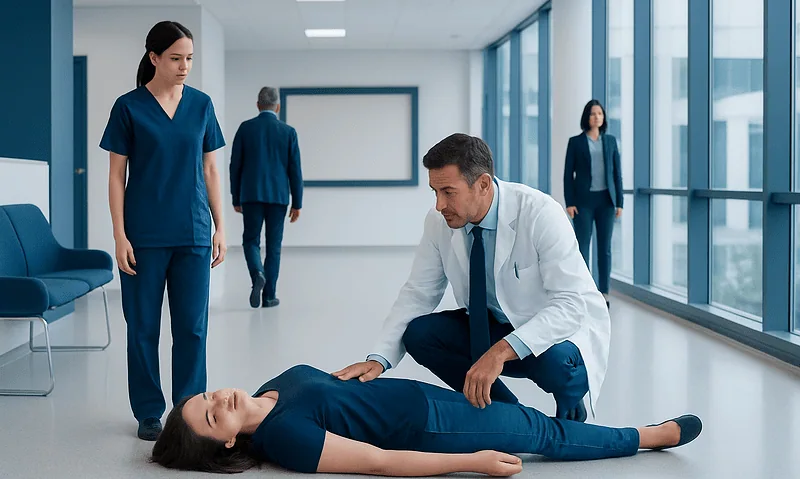
Spasms can be severe and may be triggered by sound, touch, stress, or sudden movement. These episodes are not simply muscle cramps. They may briefly lock the body into a rigid position, increase pain, and interfere with breathing or balance in more serious cases. Because the disorder affects movement control, it is often evaluated by specialists in neurology.
Symptoms and Triggers

The most common symptoms of celine dion disease, or stiff person syndrome, are progressive muscle stiffness and repeated painful spasms. Symptoms often fluctuate. A person may have better and worse days, especially if stress, fatigue, or environmental triggers are involved.
Typical features may include:
- Persistent stiffness in the lower back, abdomen, or legs
- Painful muscle spasms that come and go
- Difficulty walking, turning, or maintaining balance
- Increased sensitivity to sudden noise, touch, or emotional stress
- Rigid posture or fear of falling
- Fatigue related to constant muscle tension
Some people also experience anxiety, not because SPS is a mental health disorder, but because unexpected spasms and falls can be frightening and limiting. This overlap can sometimes delay diagnosis if symptoms are initially attributed only to stress. A detailed clinical history helps distinguish SPS from more common causes of stiffness or gait difficulty.
Several disorders can resemble SPS, including Parkinsonian syndromes, spasticity from spinal cord disease, functional movement disorders, and certain muscle conditions. That is why symptoms should be evaluated in context rather than judged by one sign alone.
Causes and Risk Factors
The exact cause of stiff person syndrome is not fully understood, but it is widely considered an autoimmune neurological disorder in many cases. The immune system appears to interfere with pathways that help calm motor activity in the central nervous system. This can produce abnormal muscle firing and reduced ability to relax muscles normally.
Researchers have identified several antibody associations, including anti-GAD and other less common antibodies. However, antibodies alone do not tell the whole story. Some people with suggestive symptoms may test negative, and diagnosis is based on the overall clinical picture rather than one blood test result.
Risk factors are not always clear, but SPS may occur more often in people who also have autoimmune conditions. These can include type 1 diabetes, autoimmune thyroid disease, pernicious anemia, or vitiligo. Rarely, SPS-like syndromes may be related to an underlying cancer, which is one reason doctors sometimes investigate broadly when symptoms are unusual or rapidly progressive.
Because the condition is rare, having stiffness does not mean someone has SPS. Far more common causes include back disorders, arthritis, medication effects, or other neurological diseases. Specialist evaluation helps clarify whether symptoms fit SPS or another treatable problem.
How Doctors Diagnose It
Diagnosis begins with a careful medical history and neurological examination. Doctors look for patterns such as stiffness centered in the trunk and proximal limbs, startle-triggered spasms, and increasing difficulty with posture and walking. They also ask about autoimmune disease, symptom triggers, and the impact on daily life.
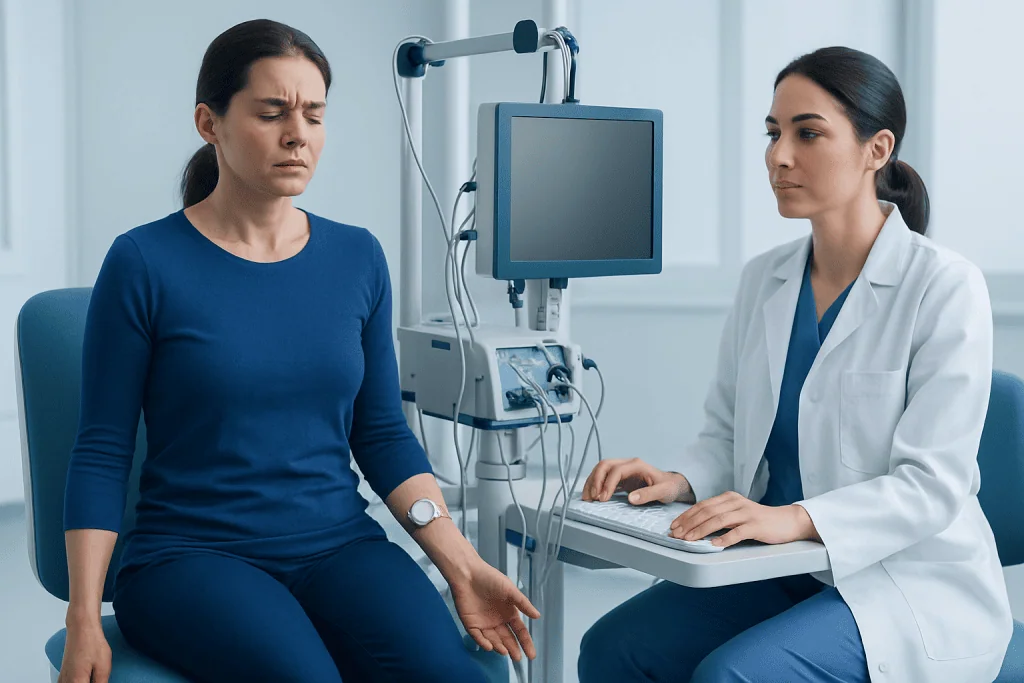
Testing usually combines several tools rather than relying on one result. Blood tests may look for antibodies commonly associated with SPS. Electromyography (EMG) can show continuous muscle activity that supports the diagnosis. Brain or spine imaging may be used to rule out structural problems, and additional laboratory tests may help exclude metabolic, inflammatory, or other neurological causes.
Because symptoms can overlap with other movement disorders, some patients may benefit from a broader assessment in movement disorders. In selected cases, doctors may also screen for related autoimmune illnesses or search for an underlying cancer if the clinical picture suggests a paraneoplastic syndrome.
Diagnosis can be emotionally difficult because uncertainty often lasts for months or longer. A clear explanation of findings and a stepwise workup can help patients understand why testing is necessary and how treatment decisions are made.
Treatment Options and Symptom Management
There is no single cure that works for every person with stiff person syndrome, but treatment can often reduce stiffness, lessen spasms, and improve mobility. Most care plans combine symptom-relieving medicines, immunotherapy in appropriate patients, rehabilitation, and practical strategies to lower triggers and prevent falls.
Doctors may use medications that help relax muscles or reduce abnormal nerve-related muscle activity. In some patients, immune-based treatments are considered when autoimmune involvement appears likely. Depending on the person’s symptoms and test results, care may overlap with services related to neurological treatment and rehabilitation support.
Physical therapy can be especially valuable when it is adapted carefully to the individual. The goal is not aggressive exercise during severe spasms, but gentle mobility work, posture support, balance training, and techniques that improve confidence with movement. Some people also benefit from occupational therapy, breathing exercises, and pain-management strategies.
If symptoms are severe, multidisciplinary care may be needed. This can include neurological assessment, physical therapy and rehabilitation, mental health support for coping, and treatment of associated autoimmune conditions. Near the end of the care journey, some international patients choose centers such as Acibadem International, where multidisciplinary specialists in JCI-accredited hospitals diagnose and treat complex neurological disorders.
Living With SPS: Prevention, Self-Care, and Daily Safety
Because SPS is not usually preventable in the traditional sense, self-care focuses on reducing triggers, preserving mobility, and staying safe. Identifying what makes spasms worse can be very helpful. Common triggers include emotional stress, sudden loud sounds, rushed movements, and fatigue.
Daily strategies may include:
- Maintaining a calm, predictable environment when possible
- Using mobility aids if recommended by a clinician
- Following a personalized physical therapy program
- Planning extra time for transfers, walking, and stairs
- Managing stress through relaxation, counseling, or breathing techniques
- Reviewing home fall risks such as loose rugs or poor lighting
People with SPS should not stop prescribed medications suddenly unless a doctor advises it. Follow-up care matters because symptoms can change over time, and treatment plans often need adjustment. If swallowing, breathing, or frequent falls become concerns, these should be discussed promptly.
Living with a rare disorder can also feel isolating. Education, family support, and connection with experienced clinicians can make day-to-day management more practical and less overwhelming.
When to Seek Medical Care
Medical evaluation is important when stiffness, spasms, or balance problems are persistent, progressive, or unexplained. A person should arrange a medical review if symptoms are interfering with walking, daily activities, sleep, or work, especially if they are becoming more frequent or more painful.
Urgent medical care is needed if muscle spasms cause a fall, make breathing difficult, involve severe injury, or occur together with sudden neurological changes such as new weakness, confusion, or loss of consciousness. These symptoms can have causes other than SPS and should not be ignored.
It is also reasonable to seek specialist input when the diagnosis remains uncertain or current treatment is not helping enough. In some cases, referral for brain and nerve check-up or to a center experienced in complex neurological conditions can help clarify the next steps, even when surgery is not part of treatment.
Frequently asked questions
What disease does Celine Dion have?
Celine Dion has said she has stiff person syndrome, a rare neurological disorder. The phrase “celine dion disease” is an informal public search term, not a separate medical diagnosis.
Is stiff person syndrome an autoimmune disease?
In many cases, yes. SPS is often associated with autoimmune activity and certain antibodies, although the exact pattern can vary from person to person.
What are the first symptoms of stiff person syndrome?
Early symptoms often include stiffness in the lower back or trunk, difficulty walking smoothly, and painful spasms. Because these signs can develop gradually, they may be mistaken for more common musculoskeletal or neurological problems at first.
Can stiff person syndrome be cured?
There is no single cure that reliably eliminates SPS in every patient. However, many people improve with a combination of medications, immune-based treatment when appropriate, rehabilitation, and trigger management.
How is stiff person syndrome diagnosed?
Doctors diagnose SPS using the overall clinical picture, supported by a neurological examination and selected tests. These may include antibody blood tests, electromyography, and imaging to rule out other causes.
Is stiff person syndrome fatal?
SPS is not automatically fatal, but severe symptoms can lead to falls, injury, and major disability if not treated appropriately. Regular medical follow-up is important to manage risks and maintain function.
References
- National Institute of Neurological Disorders and Stroke
- National Organization for Rare Disorders
- Mayo Clinic
- Cleveland Clinic
- MedlinePlus
This article is for general information only and is not a substitute for professional medical advice. Please consult a qualified doctor about your individual situation.
Joint and spine care in Turkey — expert assessment & treatment
JCI-accredited · board-certified surgeons · reply within 24h
Add us as a Preferred Source to see more of our trusted health content across Google Search, AI Overviews and Discover.