Cerebral Palsy Rehabilitation: Movement, Spasticity, and Functional Skills
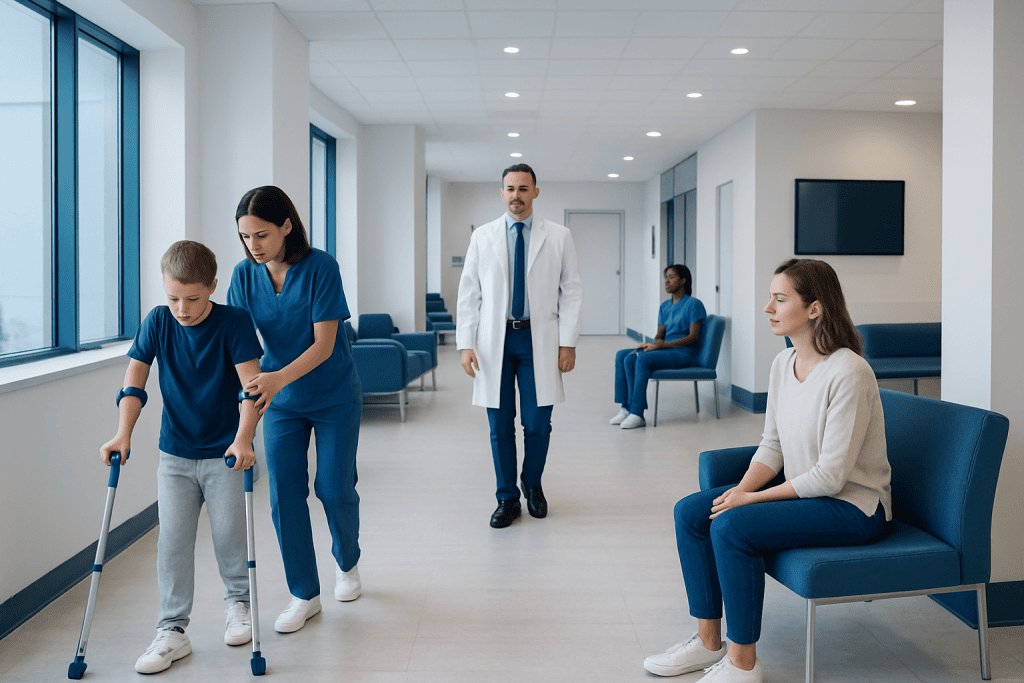
Cerebral palsy rehabilitation is tailored to the person's age, abilities, goals, and type of movement difficulty. Physical, occupational, and speech-language therapies often work together to improve mobility, hand use, communication, feeding, and daily function.
Key Takeaways
- Cerebral palsy rehabilitation is tailored to the person's age, abilities, goals, and type of movement difficulty.
- Physical, occupational, and speech-language therapies often work together to improve mobility, hand use, communication, feeding, and daily function.
- Spasticity management may include stretching, positioning, orthoses, medications, injections, pump therapy, or selected surgical procedures.
- Functional goals are most helpful when they focus on real-life activities such as sitting, walking, dressing, eating, writing, playing, or using technology.
- Regular follow-up is important because needs change during growth, after surgery, during school transitions, and throughout adulthood.
Cerebral palsy rehabilitation helps children, teenagers, and adults improve movement, manage spasticity, and build practical skills for daily life. A personalized, multidisciplinary plan can support mobility, comfort, communication, independence, and participation at home, school, work, and in the community.
Overview
Cerebral palsy is a group of lifelong movement and posture conditions caused by changes in the developing brain. These brain changes are non-progressive, meaning the original brain injury does not continue to worsen over time. However, the way cerebral palsy affects the body can change as a child grows or as an adult ages, especially in relation to muscle tightness, joint alignment, fatigue, pain, and functional demands.
Cerebral palsy rehabilitation focuses on helping the person do as much as possible, as comfortably and safely as possible. The aim is not only to improve muscle strength or range of motion, but also to support meaningful participation in everyday life. For a child, this may mean learning to sit, crawl, walk, play, communicate, or participate at school. For an adult, goals may include maintaining mobility, preventing pain, adapting a workplace, or improving independence in self-care.
Rehabilitation is usually delivered by a multidisciplinary team. Depending on the person’s needs, this may include a physiatrist or rehabilitation physician, pediatric neurologist, orthopedic surgeon, physiotherapist, occupational therapist, speech-language therapist, orthotist, psychologist, dietitian, social worker, and specialist nurses. Families and caregivers are also central members of the team because daily practice, positioning, and routines often make the biggest difference over time.
Movement, Posture, and Functional Skills
Cerebral palsy can affect movement in different ways. Some people have spasticity, where muscles feel stiff and resist stretching. Others have dyskinesia, which may cause involuntary or fluctuating movements, or ataxia, which affects balance and coordination. Many people have a mixed pattern. The involvement may affect one side of the body, mainly the legs, or all four limbs, and it may also affect trunk control, speech, swallowing, vision, or learning.
Functional skills are the practical abilities needed for everyday life. Rehabilitation looks at how movement challenges affect activities such as rolling, sitting, standing, walking, climbing stairs, transferring from a chair, dressing, bathing, feeding, handwriting, using a computer, or playing with peers. Therapy is most useful when it connects body-level goals, such as strength and flexibility, with real-life tasks the person wants or needs to perform.
A child with cerebral palsy may need help developing motor milestones in a way that matches their abilities. For example, therapy may focus on head control, supported sitting, balance reactions, reaching, stepping, or safe floor mobility. An older child or adult may work on endurance, efficient walking, wheelchair skills, fall prevention, or strategies to conserve energy. Assistive devices, adaptive equipment, and environmental changes can improve independence without replacing therapy goals.
Spasticity and Related Symptoms
Spasticity is one of the most common movement features in cerebral palsy. It occurs when the nervous system sends abnormal signals that cause certain muscles to remain overactive. Spasticity may make muscles feel tight, limit joint movement, interfere with walking or hand use, and make caregiving tasks such as dressing or hygiene more difficult. In some people, a certain amount of muscle tone may help with standing or transfers, so treatment must be carefully balanced.
Rehabilitation teams assess not only the amount of spasticity, but also how it affects function, comfort, sleep, skin care, and participation. Muscle tightness may be related to spasticity, but it can also be caused by shortened muscles, joint contractures, pain, poor positioning, growth, or orthopedic changes such as hip displacement. This is why spasticity management often combines physical examination, gait or movement analysis, imaging when needed, and discussion with the person and family.
Related symptoms can include muscle weakness, reduced selective motor control, poor balance, fatigue, constipation, feeding difficulties, pain, sleep problems, epilepsy, visual or hearing difficulties, and communication challenges. These issues do not affect everyone, and their severity varies widely. Addressing them as part of a coordinated rehabilitation plan can improve comfort and make therapy more effective.
Assessment and Goal Setting
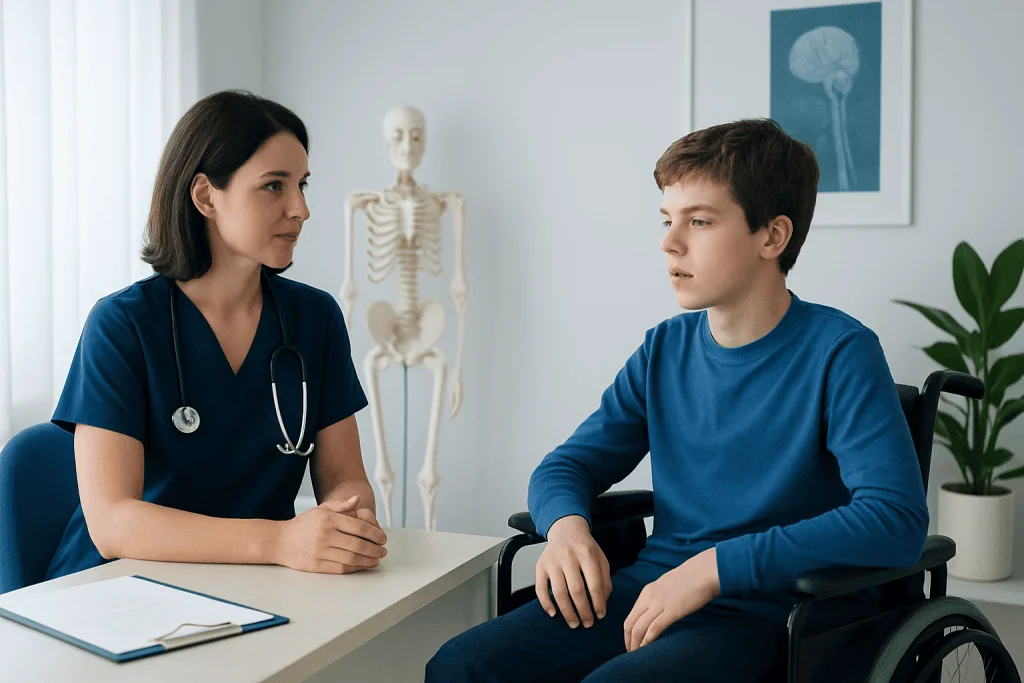
A rehabilitation assessment begins with the person’s medical history, developmental history, current abilities, and main concerns. The clinician examines posture, range of motion, muscle tone, strength, coordination, balance, reflexes, walking pattern, hand function, pain, skin condition, and equipment needs. For children, growth and skeletal development are also important because muscle tightness and bone alignment can change during rapid growth.
Standardized tools may be used to describe function and track progress. The Gross Motor Function Classification System, for example, helps describe mobility levels in children and young people with cerebral palsy. Other tools may assess hand function, communication, feeding, daily living skills, quality of life, or caregiver burden. These measures help the team plan realistic goals and monitor whether interventions are working.
Goal setting should be specific and meaningful. Instead of a general goal such as improving movement, a plan might focus on sitting independently for meals, using both hands during play, walking a short distance with a walker, reducing discomfort during dressing, improving speech clarity, or transferring safely from bed to wheelchair. Goals should be reviewed regularly because needs change with development, school transitions, surgery, new equipment, family routines, and adulthood.
Treatment Options in Cerebral Palsy Rehabilitation
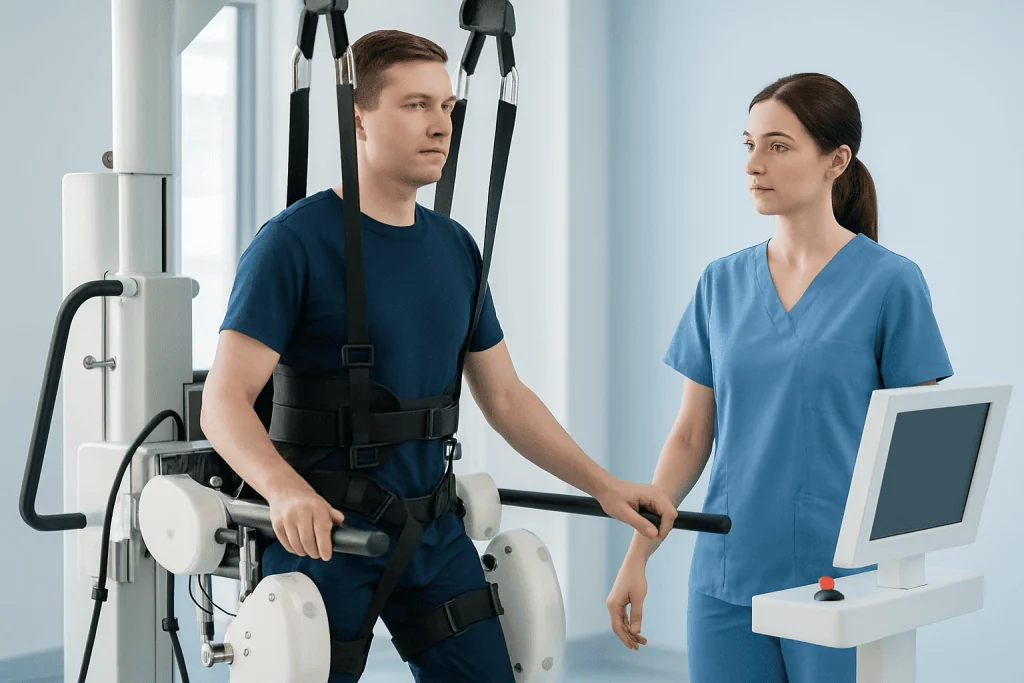
Physical therapy often addresses posture, flexibility, strengthening, balance, motor learning, gait training, endurance, and safe mobility. Therapy may include stretching, active strengthening, task-specific practice, treadmill or body-weight-supported training when appropriate, balance activities, and practice of transfers or walking with assistive devices. The best plan is individualized and includes activities that can be practiced in daily routines, not only during clinic sessions.
Occupational therapy focuses on hand use, self-care, play, school participation, sensory-motor skills, feeding skills, adaptive equipment, and environmental modifications. A therapist may recommend splints, adapted utensils, seating supports, writing aids, bathroom equipment, or strategies for dressing and hygiene. Constraint-induced movement therapy, bimanual training, and task-oriented upper limb therapy may be considered for selected children with one-sided involvement.
Speech-language therapy may help with communication, speech clarity, swallowing, feeding, and alternative or augmentative communication. Some people benefit from communication boards, eye-gaze systems, speech-generating devices, or adapted technology. Nutrition and swallowing assessments are important when feeding takes a long time, coughing occurs during meals, weight gain is difficult, or meals are stressful.
Spasticity treatment may include positioning, stretching, orthoses, serial casting, oral medications, targeted injections such as botulinum toxin, intrathecal baclofen pump therapy, orthopedic surgery, or selective dorsal rhizotomy in carefully selected cases. Orthopedic procedures may be considered for fixed contractures, hip problems, foot deformities, or gait limitations. Decisions should be made after detailed assessment, with clear functional goals and realistic expectations about recovery and follow-up rehabilitation.
Home Programs, Self-care, and Preventing Complications
Home programs are an important part of cerebral palsy rehabilitation, but they should be realistic for the person and family. Short, consistent activities integrated into everyday routines are often more sustainable than long or complex programs. Examples may include stretching during dressing, supported standing during play, strengthening through games, practicing transfers, or using both hands during meals and school tasks.
Good positioning helps protect joints, improve comfort, support breathing and feeding, and make communication easier. Seating systems, standing frames, ankle-foot orthoses, night splints, walkers, crutches, wheelchairs, and bathing equipment may be recommended when they improve alignment, safety, and participation. Equipment should be reviewed regularly because children grow and adults’ needs can change with pain, fatigue, work demands, or mobility changes.
Preventing secondary complications is a major goal of long-term care. This may include monitoring for hip displacement in children at risk, managing constipation, supporting bone health through safe weight-bearing and nutrition, preventing pressure injuries, addressing pain early, and encouraging enjoyable physical activity. Families should receive clear guidance on what to practice, how often to do it, and when to stop an activity because of pain, fatigue, skin irritation, or unusual changes.
When to See a Rehabilitation Specialist
A rehabilitation specialist should be consulted when movement, muscle tightness, pain, posture, feeding, communication, or daily function interferes with participation or caregiving. It is also helpful to seek review when a child is not progressing as expected, has difficulty with sitting or walking, frequently trips or falls, develops increasing stiffness, or has equipment that no longer fits. Adults with cerebral palsy may benefit from assessment if they notice new pain, reduced walking distance, fatigue, balance changes, or difficulty with work and self-care.
Regular follow-up is especially important during growth spurts, before and after orthopedic or spasticity procedures, when starting school, during adolescence, and during transitions to adult care. A specialist can coordinate therapy, medications, orthoses, imaging, surgical opinions, and community support. The plan should be reviewed in partnership with the person and family, with attention to comfort, independence, education, social participation, and long-term health.
International patients may also seek coordinated evaluation when a comprehensive rehabilitation plan, second opinion, or multidisciplinary treatment is needed. Acibadem International provides care through multidisciplinary specialists and JCI-accredited hospitals for patients who require diagnosis and treatment of cerebral palsy-related rehabilitation needs. As with any medical condition, decisions should be made after a qualified clinician reviews the individual case in detail.
Frequently asked questions
Can rehabilitation cure cerebral palsy?
Rehabilitation does not cure cerebral palsy because the underlying brain change is lifelong. However, it can improve movement, comfort, strength, communication, independence, and participation. It can also help prevent or reduce secondary problems such as contractures, pain, and loss of function.
When should cerebral palsy rehabilitation start?
Rehabilitation can begin as soon as developmental concerns or a diagnosis is identified. Early support may help the child practice movement, feeding, communication, and play in developmentally appropriate ways. Therapy should continue to adapt as the child grows and may remain useful throughout adulthood.
How is spasticity treated in cerebral palsy?
Spasticity treatment depends on how much it affects comfort, care, posture, and function. Options may include stretching, positioning, orthoses, therapy, oral medicines, botulinum toxin injections, pump therapy, or selected surgical procedures. The best approach is individualized because reducing tone too much can sometimes make standing or transfers harder.
Does every child with cerebral palsy need braces or a walker?
No. Orthoses, walkers, crutches, and wheelchairs are recommended only when they support safety, alignment, independence, or participation. Some children walk without devices, while others benefit greatly from equipment that helps them move more efficiently and join daily activities.
What is functional skills training?
Functional skills training means practicing real-life tasks that matter to the person and family. Examples include sitting for meals, dressing, using utensils, walking to class, transferring safely, handwriting, using communication technology, or playing with peers. This approach helps therapy connect directly to daily life.
Can adults with cerebral palsy benefit from rehabilitation?
Yes. Adults with cerebral palsy may benefit from rehabilitation for pain management, strength, flexibility, mobility, energy conservation, workplace adaptations, and equipment updates. Adult follow-up is important because aging, repetitive strain, fatigue, and joint changes can affect function over time.
References
- World Health Organization
- Centers for Disease Control and Prevention
- National Institute for Health and Care Excellence
- American Academy for Cerebral Palsy and Developmental Medicine
- American Academy of Pediatrics
This article is for general information only and is not a substitute for professional medical advice. Please consult a qualified doctor about your individual situation.
Cerebral Palsy in Turkey — costs, top hospitals & a free quote
JCI-accredited · board-certified surgeons · reply within 24h
Add us as a Preferred Source to see more of our trusted health content across Google Search, AI Overviews and Discover.

Physical Medicine & Rehabilitation
Restoring movement and function after injury, surgery or neurological conditions.
150 specialists in this unit