

Cervical Artery Dissection: Neck Pain, Stroke Risk, and Emergency Evaluation

Cervical artery dissection affects the carotid or vertebral arteries in the neck. Common early symptoms include new neck pain, headache, or facial pain.
Key Takeaways
- Cervical artery dissection affects the carotid or vertebral arteries in the neck.
- Common early symptoms include new neck pain, headache, or facial pain.
- It can lead to a transient ischemic attack or stroke, so urgent assessment is needed.
- Diagnosis usually involves brain and blood vessel imaging such as CT angiography or MR angiography.
- Treatment often includes medicines to lower clot-related stroke risk and close follow-up.
- Many people recover well, especially when diagnosis and treatment happen early.
Cervical artery dissection is a tear in the lining of a carotid or vertebral artery in the neck. It can cause sudden neck pain or headache and may reduce blood flow or lead to a clot, making prompt emergency evaluation important.
Overview
Cervical artery dissection is a tear in the inner lining of one of the major arteries in the neck. These arteries include the carotid arteries, which help supply the front part of the brain, and the vertebral arteries, which help supply the back part of the brain. When a tear develops, blood can enter the vessel wall and create a small pocket or flap. This may narrow the artery, reduce blood flow, or trigger a clot that can travel to the brain.
This condition is an important cause of stroke, especially in younger and middle-aged adults, although it can happen at any age. In some people, the first sign is only pain in the head or neck. In others, symptoms of reduced blood flow to the brain appear soon after. Because symptoms can be subtle at first, cervical artery dissection may be overlooked unless it is considered early.
Cervical artery dissection is not the same as typical muscle strain or tension headache, though the discomfort can feel similar in the beginning. What makes it different is that the pain is often new, unusual for the person, and sometimes paired with neurological symptoms such as vision changes, dizziness, weakness, numbness, or trouble speaking. Quick recognition matters because early treatment can help reduce the risk of stroke.
Symptoms
Symptoms depend on which artery is affected and whether the dissection has reduced blood flow or caused an embolus, meaning a clot fragment that travels to the brain. Pain is one of the most common early features. A person may notice sudden or gradual neck pain, headache, facial pain, or pain around one eye. The discomfort is often persistent and different from previous headaches or neck aches.
Carotid artery dissection may cause one-sided head, face, or neck pain. Some people develop a drooping eyelid, a smaller pupil, or reduced sweating on one side of the face, a pattern called Horner syndrome. Vertebral artery dissection more often causes pain in the back of the neck or the back of the head and may be associated with dizziness, unsteadiness, double vision, hoarseness, or trouble swallowing.
If the brain is affected, stroke or transient ischemic attack symptoms can appear. These may include sudden weakness or numbness on one side, difficulty speaking or understanding speech, loss of vision, severe imbalance, confusion, or a sudden severe headache. Any of these symptoms should be treated as an emergency.
- New neck pain or headache that feels unusual
- Face or eye pain on one side
- Dizziness, vertigo, or poor coordination
- Double vision or sudden vision changes
- Drooping eyelid or unequal pupils
- Weakness, numbness, or speech difficulty
Causes and Risk Factors

Cervical artery dissection can happen after a clear injury, but it also often occurs without a major traumatic event. Minor mechanical stress to the neck may precede symptoms in some cases. Examples include a sudden twist of the neck, sports-related strain, heavy lifting, coughing, sneezing, or a minor vehicle collision. Some people notice symptoms after chiropractic neck manipulation or abrupt neck extension, although many dissections occur spontaneously with no obvious trigger.
Certain underlying factors may make artery walls more vulnerable. These include inherited connective tissue disorders, fibromuscular dysplasia, migraine, high blood pressure, and a history of smoking. Recent infection has also been discussed as a possible contributor in some patients, likely because inflammation may affect blood vessel integrity. Still, many people diagnosed with cervical artery dissection have no known disorder and no major risk factors.
It is helpful to remember that most routine neck movements do not cause this condition. The problem is uncommon, and people should not assume every headache or neck pain episode is dangerous. However, a new pattern of pain, especially when paired with neurological symptoms, deserves prompt attention. Doctors may also evaluate for related vascular conditions if the clinical picture suggests them, including carotid artery disease or other causes of reduced brain blood flow.
Diagnosis and Emergency Evaluation
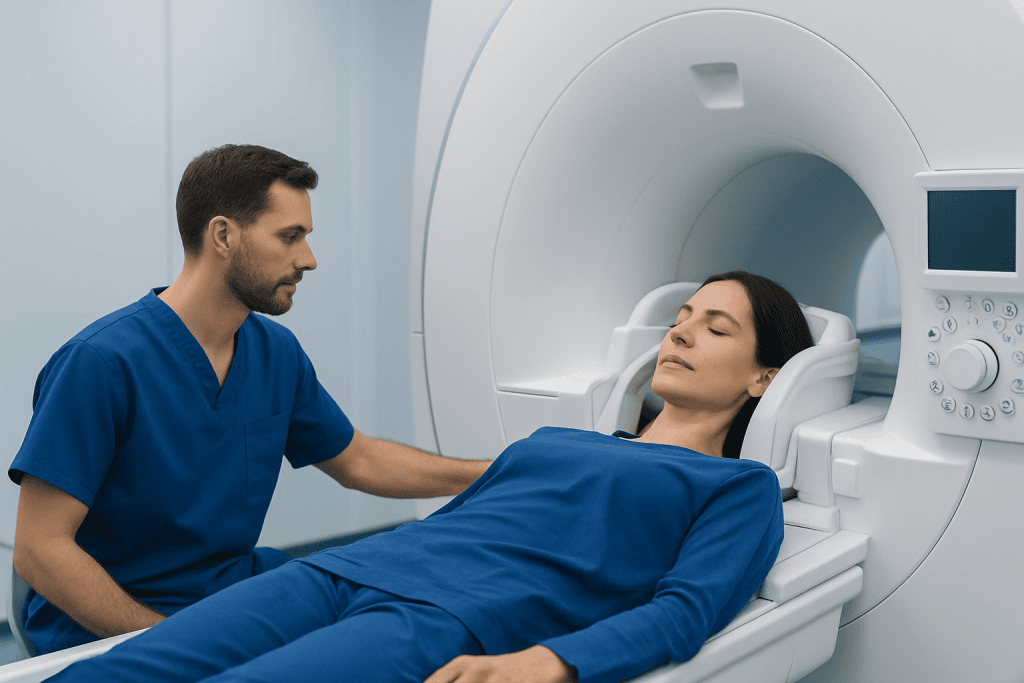
Cervical artery dissection is usually diagnosed with imaging of the blood vessels in the head and neck. In emergency settings, doctors often begin with a neurological examination and urgent brain imaging to check for stroke. CT angiography is commonly used because it is fast and widely available. MR angiography or MRI may also be used, especially to look closely at the vessel wall or identify small areas of brain injury.
Ultrasound can sometimes help assess the carotid arteries, but it may miss some dissections, especially in deeper or less accessible vessel segments. Because of this, cross-sectional imaging is often preferred when suspicion is high. Imaging may show narrowing, a tapered blockage, a false channel, or a small ballooning of the artery wall. Blood tests cannot confirm the diagnosis, but they may help rule out other causes and guide treatment decisions.
Emergency evaluation is important because time-sensitive stroke care may be needed. If a person has signs of acute stroke, specialists assess whether they may benefit from treatments such as stroke treatment in a dedicated stroke pathway. In selected situations, doctors may involve teams experienced in interventional neuroradiology if a procedure is needed to restore blood flow or treat a serious complication.
After diagnosis, patients may undergo additional tests based on their age, personal history, and imaging findings. These can include evaluation for connective tissue disorders or other blood vessel abnormalities. Follow-up imaging is often arranged to see whether the artery is healing and to help guide the duration of treatment.
Treatment Options
The main goals of treatment are to prevent stroke, manage symptoms, and monitor healing of the artery. Many patients are treated with medicines that reduce the chance of clot formation. Depending on the individual case, doctors may recommend an antiplatelet medicine or an anticoagulant for a period of time. The choice depends on imaging findings, stroke risk, bleeding risk, and whether there has already been a stroke.
Pain control is also important. A clinician may suggest appropriate headache or neck pain treatment while avoiding medicines that are not suitable for a particular patient. If a stroke has already occurred, the person may need hospital-based supportive care and rehabilitation. Some patients benefit from coordinated care involving neurology, vascular neurology, neuroradiology, and rehabilitation specialists.
Procedures are not needed for most people, because many dissections heal with medical treatment alone. However, an endovascular procedure such as stenting may be considered if there is ongoing reduced blood flow, repeated stroke symptoms despite treatment, or a high-risk vessel abnormality. In selected stroke emergencies, specialists may also consider mechanical thrombectomy if a large vessel is blocked by clot.
Recovery plans vary. Follow-up imaging over weeks to months helps doctors assess healing. Many patients improve well, but the exact outlook depends on whether a stroke occurred, which artery was involved, and how quickly treatment began. For international patients who need advanced evaluation, Acibadem International’s multidisciplinary specialists in JCI-accredited hospitals diagnose and treat complex cerebrovascular conditions.
Prevention and Self-care
Because many cervical artery dissections happen unexpectedly, there is no guaranteed way to prevent every case. Still, general vascular health habits may help support healthier blood vessels. These include not smoking, managing blood pressure, staying physically active within safe limits, and following medical advice for migraines or other chronic conditions.
People recovering from a dissection should follow their doctor’s instructions carefully, especially about medicines and follow-up scans. Until a clinician says it is safe, it may be wise to avoid activities that involve sudden or extreme neck movements, high-impact contact, or heavy straining. A doctor can provide personalized guidance based on the artery involved and the stage of healing.
Self-care also includes watching for warning signs. New neurological symptoms, worsening headache, or increasing neck pain should not be ignored. During recovery from a stroke or transient ischemic attack, therapies such as physical, occupational, or speech rehabilitation may be recommended. Some patients may also need continued monitoring in a stroke center or specialist neurology clinic, particularly if symptoms were severe or the diagnosis was delayed.
When to See a Doctor
Immediate medical care is needed for possible stroke symptoms. A person should call emergency services right away if they have sudden weakness, numbness, facial drooping, trouble speaking, severe imbalance, sudden vision loss, or a sudden intense headache unlike usual headaches. These symptoms may be caused by cervical artery dissection or another urgent neurological problem, and early treatment can make a major difference.
Urgent assessment is also important for new one-sided neck pain or headache that is unusual, especially if it follows even a minor neck injury or is paired with dizziness, double vision, or eyelid drooping. While these symptoms do not always mean a dissection is present, they are significant enough to justify prompt medical attention. It is better to have a concerning symptom checked than to wait for it to pass.
People who have had a previous dissection, stroke, or known blood vessel disorder should keep regular follow-up appointments and ask what symptoms should prompt emergency care. Family members can help by learning common stroke warning signs and acting quickly if they appear. Fast evaluation gives doctors the best chance to diagnose the problem and begin the right treatment safely.
Frequently asked questions
Is cervical artery dissection the same as a pulled neck muscle?
No. A pulled muscle affects soft tissues, while cervical artery dissection involves a tear in the lining of a neck artery. The pain can feel similar at first, but a dissection may also cause neurological symptoms or lead to stroke.
Can cervical artery dissection happen without major trauma?
Yes. Many cases occur after only minor neck movement or no clear trigger at all. Although trauma can play a role, spontaneous dissection is well recognized.
Does every person with cervical artery dissection have a stroke?
No. Some people have only pain or mild symptoms and never develop a stroke. However, the condition raises stroke risk enough that urgent medical evaluation is important.
How is cervical artery dissection treated?
Treatment usually focuses on preventing clot-related complications and monitoring healing. Doctors often use antiplatelet or anticoagulant medicines, and only some patients need an endovascular procedure.
Can the artery heal over time?
Yes. Many dissections improve or heal on follow-up imaging over weeks to months. Regular follow-up is important because treatment duration and activity advice often depend on how the artery is healing.
When should someone go to the emergency room?
Emergency care is needed for any stroke warning signs, such as sudden weakness, speech difficulty, facial droop, vision loss, or severe imbalance. New unusual neck pain or headache with neurological symptoms also deserves urgent evaluation.
References
- American Heart Association
- National Institute of Neurological Disorders and Stroke
- National Health Service
- European Stroke Organisation
This article is for general information only and is not a substitute for professional medical advice. Please consult a qualified doctor about your individual situation.
Joint and spine care in Turkey — expert assessment & treatment
JCI-accredited · board-certified surgeons · reply within 24h
Add us as a Preferred Source to see more of our trusted health content across Google Search, AI Overviews and Discover.
Check your numbers in seconds
BMI, calories, due date, blood pressure and 30+ more clinical calculators — free, instant, doctor-reviewed ranges.

More from the Health Library



Related Specialists

Dr. Alp Er Tunga Bölükbaşı
Orthopedic Surgery & Traumatology
Kezban Ataş
Physical Medicine & Rehabilitation
Asst. Prof. Dr. Hülya Kuşoğlu
Infectious Diseases & Clinical Microbiology
Dr. Emre Şentürk
Anesthesiology