Cheekbones — Explained by Medical Evidence, Not Myths

Cheekbones are the zygomatic bones, which give structure to the midface and part of the eye socket. Cheekbone shape is largely determined by genetics, age, sex, soft tissue, and overall facial anatomy.
Key Takeaways
- Cheekbones are the zygomatic bones, which give structure to the midface and part of the eye socket.
- Cheekbone shape is largely determined by genetics, age, sex, soft tissue, and overall facial anatomy.
- Not all changes in cheekbone appearance are cosmetic; swelling, pain, numbness, or sudden asymmetry can have medical causes.
- Common concerns include trauma, sinus inflammation, dental infection, temporomandibular joint problems, and skin or soft-tissue conditions.
- Assessment may involve a physical examination and, when needed, imaging such as X-ray or CT scan.
- Persistent pain, facial injury, trouble opening the mouth, vision changes, or facial numbness should be evaluated by a doctor.
Cheekbones are the paired facial bones that form the prominence of the cheeks and help support the eye sockets. Their appearance varies naturally, while pain, swelling, or asymmetry may sometimes point to injury, sinus disease, dental problems, or other medical causes.
Overview: What Are Cheekbones?
Cheekbones are the bony structures that create the contour of the upper cheeks. In medical terms, they are called the zygomatic bones. These paired bones sit on each side of the face and connect with nearby bones of the skull, including parts of the eye socket and upper jaw.
Cheekbones do more than influence facial appearance. They help support the midface, contribute to the outer wall and floor of the orbit (eye socket), and provide attachment points for muscles involved in facial expression and chewing. Because of this, cheekbones are both an aesthetic feature and an important part of facial function.
People often describe someone as having “high” or “prominent” cheekbones, but these are not medical diagnoses. They are simply ways of describing natural variation in facial anatomy. In most cases, differences in cheekbone shape are normal and reflect genetics, age-related changes, body composition, and the way the overlying skin and fat sit on the face.
Cheekbone Anatomy and Why Shape Varies
The zygomatic bone meets several neighboring bones at joints called sutures. Together, these structures form the cheek prominence and part of the orbital rim. The cheekbone also helps create the zygomatic arch, a curved bony bridge that can be felt at the side of the face in front of the ear.
Cheekbone shape varies from person to person for many reasons. Genetics is the main factor, but age also matters. In childhood and adolescence, the face changes as bones grow and the jaw develops. In adulthood, the distribution of facial fat, muscle tone, and skin elasticity affects how prominent the cheek area looks. With aging, volume loss in the midface can make cheekbones appear sharper or, in some people, flatter.
Body weight and fluid balance can also change facial contours. For example, facial swelling from allergies, infection, inflammation, or dental problems can temporarily alter the appearance of the cheek area. This is one reason myths about “one ideal cheekbone shape” are misleading: facial structure is complex, and appearance depends on both bone and soft tissue.
In some people, a naturally asymmetrical face may make one cheek appear fuller or more projected than the other. Mild facial asymmetry is common and usually normal. However, a new or rapidly developing asymmetry deserves medical attention, especially if it is associated with pain, swelling, numbness, fever, or a recent injury.
Common Symptoms and Concerns Involving the Cheekbone Area

Most people asking about cheekbones are curious about shape, but the cheek region can also be the site of symptoms. Cheekbone discomfort may feel like pressure, tenderness, aching, or sharp pain. Swelling may be mild and localized or spread toward the eye, nose, or jaw. Depending on the cause, symptoms may come on suddenly or develop gradually.
Concerns in the cheekbone area can include:
- Pain after a blow to the face or a fall
- Swelling, bruising, or visible flattening of the cheek
- Numbness of the cheek, upper lip, or side of the nose
- Pain with chewing or difficulty opening the mouth
- Pressure around the cheeks with nasal congestion
- Facial tenderness related to a tooth or gum problem
- Skin redness, a lump, or localized warmth
Symptoms near the cheekbones do not always come from the bone itself. Nearby structures can refer pain to the same area. For example, inflamed maxillary sinuses, upper dental infections, jaw joint dysfunction, and some nerve-related conditions may all produce cheek pain. A careful history and examination help identify the true source.
Medical Causes of Cheekbone Pain, Swelling, or Asymmetry
Injury is one of the clearest medical causes of cheekbone problems. A direct impact from sports, a traffic accident, or a fall can bruise the soft tissue or fracture the zygomatic bone. A cheekbone fracture may cause pain, swelling, bruising under the eye, numbness, flattening of the cheek, or difficulty moving the jaw. In more significant injuries, doctors may evaluate for orbital involvement and may recommend imaging and specialist assessment. In some cases, treatment relates to broader maxillofacial surgery care.
Sinus disease is another common cause of discomfort in the cheek area. The maxillary sinuses sit behind the cheeks, so inflammation can create pressure or aching over the cheekbones, often with nasal congestion, facial fullness, or thick discharge. When symptoms suggest a sinus cause, clinicians may also consider related ENT conditions such as sinusitis.
Dental disease can also mimic cheekbone pain. Problems affecting upper molars, gums, or the tissues around a tooth may radiate into the cheek and under-eye area. Similarly, temporomandibular joint problems or clenching can cause pain that spreads toward the cheek. If the source appears oral or jaw-related, evaluation by dental or oral and maxillofacial specialists may be appropriate.
Less commonly, swelling or asymmetry can result from skin and soft-tissue infection, salivary gland disorders, benign cysts, inflammatory conditions, or tumors. Persistent symptoms, a firm or growing mass, unexplained numbness, or associated weight loss need professional assessment rather than self-diagnosis.
How Doctors Evaluate Cheekbone Problems
Assessment begins with a history and physical examination. A doctor will ask when the problem started, whether there was an injury, whether symptoms are on one or both sides, and whether there are related issues such as fever, nasal symptoms, tooth pain, vision changes, or jaw limitation. They may gently examine the facial bones, eye area, teeth, gums, nose, and jaw movement.
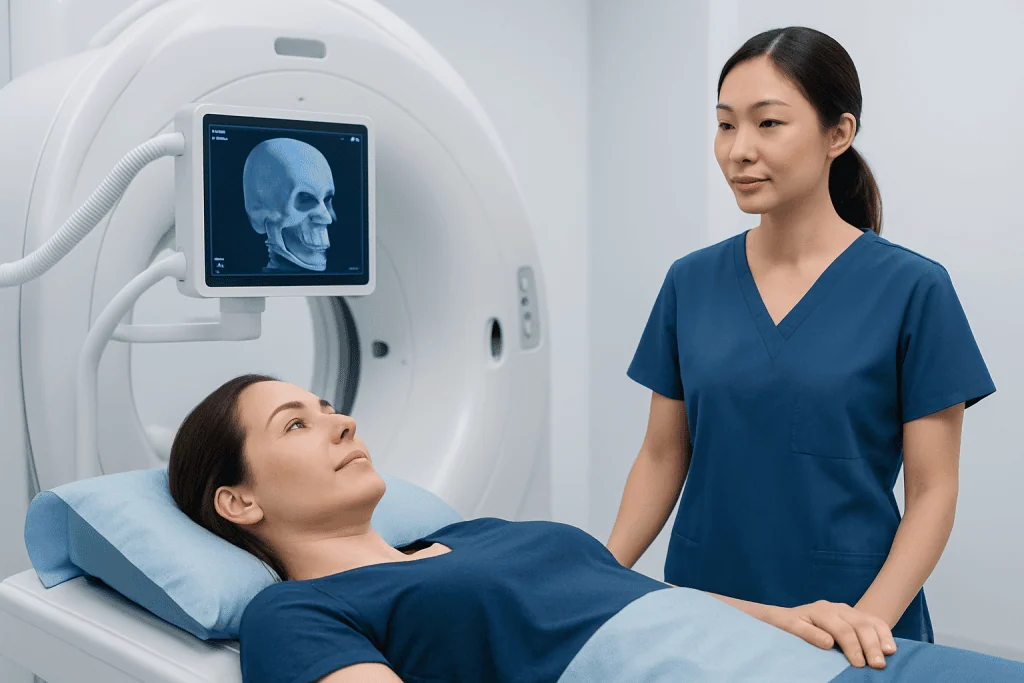
If a fracture is suspected, imaging may be needed. Depending on the situation, this can include X-ray, but CT is often more informative for facial bones because it shows detailed anatomy and any displacement. If symptoms suggest sinus disease, dental disease, or a soft-tissue problem, evaluation may focus on those structures instead.
Doctors also look for warning signs that need prompt attention. These include double vision, loss of vision, severe swelling, an open wound, facial numbness, significant nosebleed after trauma, inability to open the mouth properly, or signs of infection such as fever and spreading redness. In some cases, specialist care from ENT, ophthalmology, dentistry, or plastic and reconstructive surgery is involved.
When appearance is the main concern rather than pain or illness, clinicians first make sure there is no underlying medical issue. If someone is considering a structural facial procedure, they may be referred for expert review, including options within plastic and reconstructive surgery when appropriate.
Treatment Options: From Self-Care to Specialist Procedures
Treatment depends on the cause. Minor soft-tissue bruising after a mild injury may improve with rest, cold compresses, keeping the head elevated, and avoiding further trauma. Doctors may advise a soft diet for a short period if chewing is uncomfortable. However, any moderate or severe facial injury should be assessed to rule out fracture or damage to the eye area.
For sinus-related symptoms, treatment may include measures such as hydration, saline nasal rinses, and doctor-guided medicines based on the likely cause and duration of symptoms. Dental causes require dental treatment rather than simply masking the pain. Skin infections, abscesses, or inflammatory conditions also need cause-specific care from a qualified professional.
Cheekbone fractures vary widely. Some are stable and can be managed conservatively, while others need reduction or surgical repair to restore alignment, protect eye function, and improve chewing comfort. Reconstructive approaches may overlap with facial reconstruction in more complex injuries.
When the issue is primarily cosmetic rather than medical, treatment decisions are personal and should follow a careful consultation about goals, anatomy, and risks. Procedures that alter facial contour are not suitable for everyone, and they should only be considered after a proper medical evaluation. Near the end of the care pathway, patients seeking multidisciplinary assessment may also learn that Acibadem International’s specialists in JCI-accredited hospitals diagnose and treat facial bone and soft-tissue conditions for international patients.
Prevention and Everyday Self-Care
Not all cheekbone problems can be prevented, but a few practical steps can reduce risk. Protective gear matters during sports and high-impact activities. Seatbelt use, fall prevention, and prompt care for facial injuries also help lower the chance of complications from trauma.
Good oral hygiene and regular dental checkups may reduce the risk of upper-tooth problems that can present as cheek pain. Managing allergies and seeking timely care for persistent nasal symptoms may help prevent some episodes of sinus-related discomfort. General skin care and early attention to rashes, redness, or lumps can also prevent delayed diagnosis of local skin or soft-tissue conditions.
For day-to-day self-care, simple measures may ease mild symptoms while waiting for medical advice. These include cold compresses for recent minor swelling, avoiding pressure on the painful side, eating softer foods if chewing is uncomfortable, and not ignoring symptoms that worsen. It is usually best to avoid vigorous massage of a painful or swollen cheek until the cause is clear.
When to Seek Medical Care
Medical care is advisable if cheekbone pain or swelling follows a fall, sports injury, or blow to the face. A doctor should also evaluate symptoms that last more than a few days, repeatedly return, or are accompanied by nasal blockage, tooth pain, jaw stiffness, or fever. Sudden facial asymmetry should not be assumed to be cosmetic.
Urgent assessment is important if there is double vision, blurred vision, severe bruising around the eye, facial numbness, heavy bleeding, trouble opening the mouth, or a visible change in facial shape after injury. Spreading redness, a rapidly enlarging lump, or signs of infection also need prompt attention. These symptoms may not always be serious, but they should be checked safely and without delay.
Frequently asked questions
What are cheekbones exactly?
Cheekbones are the zygomatic bones, which are paired bones in the midface. They help form the contour of the cheeks and part of the eye socket, while also supporting muscles involved in facial expression and chewing.
Are high cheekbones a sign of better health?
No. High or prominent cheekbones are a normal variation in facial anatomy and are largely related to genetics, bone structure, and soft-tissue distribution. They do not by themselves indicate better or worse health.
Why do my cheekbones hurt when I have a sinus problem?
The maxillary sinuses are located behind the cheeks, so inflammation there can cause pressure or aching over the cheekbone area. This often happens along with nasal congestion, facial fullness, or discharge, but similar pain can also come from teeth or the jaw.
Can a tooth problem cause cheekbone pain?
Yes. Infections or inflammation involving the upper teeth and gums can refer pain into the cheek and under-eye area. Because the structures are close together, dental pain is sometimes mistaken for sinus or cheekbone pain.
How can someone tell if a cheekbone might be fractured?
A fracture may cause pain, swelling, bruising, numbness, flattening of the cheek, or pain with chewing after an injury. Some people also develop vision symptoms or trouble opening the mouth. Because symptoms vary, any significant facial injury should be assessed by a doctor.
Is mild facial asymmetry normal?
Yes. Many healthy people have slight differences between the two sides of the face, including the cheek area. However, new or progressive asymmetry, especially with pain or swelling, should be medically evaluated.
This article is for general information only and is not a substitute for professional medical advice. Please consult a qualified doctor about your individual situation.
Explore treatments in Turkey — costs, top hospitals & a free quote
JCI-accredited · board-certified surgeons · reply within 24h
Add us as a Preferred Source to see more of our trusted health content across Google Search, AI Overviews and Discover.

More from the Health Library

Pycnogenol: What Patients Need to Know

Salicylic Acid for Feet Warts — Explained by Medical Evidence, Not Myths

Mint Advantages: An Evidence-Based Guide for Patients

Foot Problems — Explained by Medical Evidence, Not Myths

Bee propolis benefits: A Complete Medical Guide for Patients