Chemo and Taste Buds: How It Works, Results and What to Expect

Chemotherapy may cause metallic, bitter, bland or unusually strong tastes, and foods may smell different as well. Taste changes can affect appetite, hydration and weight, so the oncology team should know if eating becomes difficult.
Key Takeaways
- Chemotherapy may cause metallic, bitter, bland or unusually strong tastes, and foods may smell different as well.
- Taste changes can affect appetite, hydration and weight, so the oncology team should know if eating becomes difficult.
- Small food adjustments, gentle mouth care and support from an oncology dietitian can make meals more manageable.
- Taste often begins to improve in the weeks after treatment, but recovery can take months for some people.
- Sudden inability to eat or drink, signs of dehydration, mouth sores or fever require prompt medical advice.
Chemo and taste buds are closely linked because some cancer medicines can temporarily change how taste receptors, saliva and smell signals work. Taste changes are common, vary by treatment, and often improve after chemotherapy ends, although the timeline differs from person to person.
Chemo and Taste Buds: What Happens During Treatment?
Chemo and taste buds can be affected when chemotherapy medicines temporarily alter rapidly renewing cells in the mouth, the amount and composition of saliva, and nerve pathways involved in taste and smell. A person may notice that food tastes metallic, bitter, salty, bland, overly sweet or simply unfamiliar. These changes are often called dysgeusia.
Taste is not produced by taste buds alone. Smell, mouth moisture, temperature, texture and nausea all influence the experience of eating. This is why a favorite meal may suddenly become unpleasant, while cold foods or simple foods may be easier to tolerate.
Taste changes are a treatment side effect rather than a reliable measure of whether chemotherapy is helping. They can occur with many chemotherapy regimens and may also be influenced by other medicines, mouth infections, dental problems, radiation involving the head and neck, or the cancer itself.
How Chemotherapy Affects Taste: Process, Candidacy and Timing
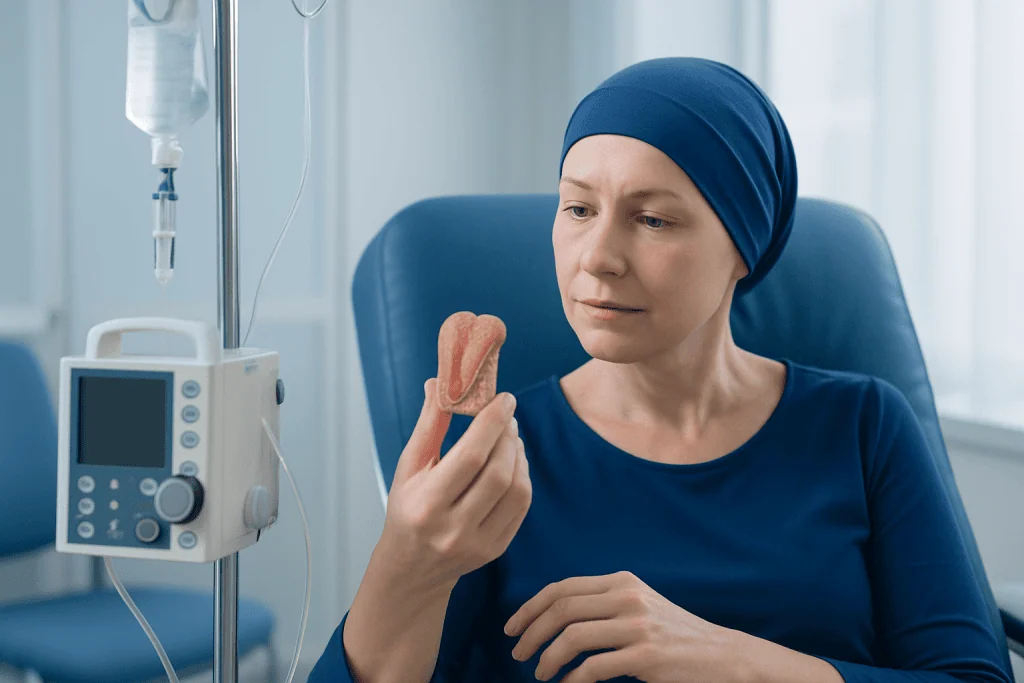
Chemotherapy is used to destroy cancer cells, slow their growth or reduce the chance that cancer returns. It may be given before surgery, after surgery, alongside radiation therapy, or as treatment for advanced cancer. The exact plan depends on the cancer type, stage, treatment goal, overall health and previous therapies.
People receiving chemotherapy are candidates for supportive care for taste changes from the beginning of treatment. Before treatment starts, the care team may review dental health, nutritional needs, current medicines and any existing changes in taste or appetite. A dental check-up is often useful when time allows, especially for people with untreated gum disease or tooth problems.
Taste changes may begin within days or weeks of a treatment cycle, or they may build gradually over several cycles. There is no single “hardest” week for everyone. Symptoms often follow the treatment schedule, and the oncology team can help identify patterns and adjust supportive care accordingly.
What to Expect During Chemotherapy and Between Cycles
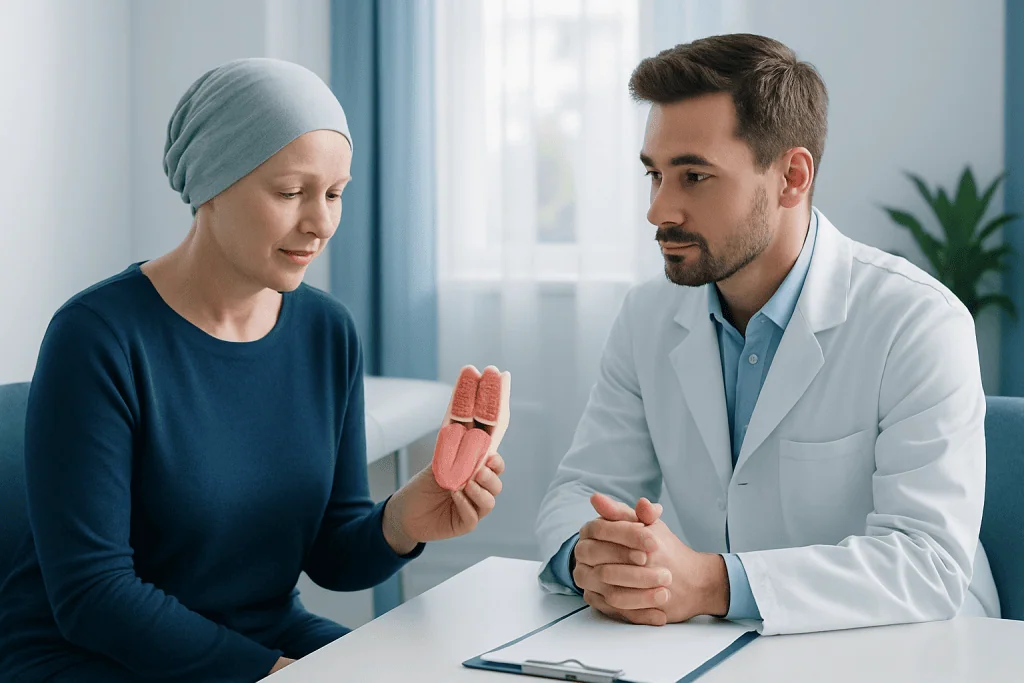
Chemotherapy is delivered according to an individualized plan, commonly through an intravenous infusion, an injection, tablets or a combination of methods. Before each cycle, clinicians may check blood tests, side effects, weight, appetite and any changes that could affect safe treatment. People should report taste changes early, particularly if they reduce food or fluid intake.
During an infusion, taste changes may be brief, or they may continue through the days that follow. Some people develop a metallic taste while medicines are being administered. If this happens, the care team may suggest practical measures such as using sugar-free mints, gum if appropriate, or a different food or drink choice before and after treatment.
Recovery between cycles is variable. Fatigue, nausea, dry mouth, constipation, mouth tenderness and changes in smell can all affect eating. Keeping a simple record of foods that are appealing, foods that trigger nausea, and the timing of symptoms can help a person and their dietitian create a realistic meal plan.
How Can I Improve My Taste Buds During Chemo?
Taste buds cannot always be restored immediately during chemotherapy, but symptoms can often be made easier to manage. Frequent sips of water, good oral hygiene and regular mouth rinsing with a mild salt-and-baking-soda solution recommended by the care team may reduce unpleasant tastes and support mouth comfort. Alcohol-containing mouthwashes may irritate a sore or dry mouth and are usually best avoided unless a clinician advises otherwise.
Small, frequent meals can feel less overwhelming than large meals. Cold or room-temperature foods may have less odor than hot foods. If food tastes metallic, some people find that plastic utensils, glass cookware, tart flavors such as lemon where safe, or marinades and herbs are helpful. However, acidic or spicy foods should be avoided if there are mouth sores, reflux or irritation.
Protein and calorie intake remain important during treatment. Eggs, yogurt, beans, fish, poultry, soups, smoothies and fortified foods may be easier choices depending on a person’s preferences and immune-related food safety advice. An oncology dietitian can tailor options for nausea, diabetes, kidney concerns, swallowing difficulty or weight loss.
- Choose foods with appealing texture, temperature and smell rather than forcing previously favorite foods.
- Keep the mouth moist with water, ice chips or sugar-free lozenges if approved by the care team.
- Ask the oncology team before using zinc, herbal products or other supplements, as they may not be suitable during cancer treatment.
Benefits, Risks and Nutrition Concerns of Taste Changes
Taste changes themselves are usually temporary and do not damage taste buds permanently. The main concern is their effect on quality of life, enjoyment of food, nutrition and hydration. When meals become unappealing, a person may unintentionally eat less, lose weight or become weak during a time when the body needs energy and protein.
Some changes can signal a treatable issue rather than chemotherapy alone. Dry mouth, oral thrush, mouth sores, gum inflammation, reflux and certain medicines may worsen taste. Reporting symptoms gives the oncology team an opportunity to assess the mouth, review medicines and provide treatment for related problems.
There is no evidence that a particular taste change means chemotherapy is more or less effective. Cancer response is assessed through planned clinical reviews, blood tests, imaging and, for some cancers, tumor markers. Related cancer care may include chemotherapy treatment as part of a broader personalized plan.
How Long Does It Take for Taste Buds to Recover After Chemo?
Many people notice improvement within several weeks after chemotherapy is completed, especially once dry mouth, nausea and mouth irritation settle. For others, taste recovery may take several months. The timeline depends on the medicines used, number of cycles, other treatments such as head and neck radiation, overall nutrition, smoking status and oral health.
Recovery may be gradual rather than sudden. A person may first tolerate a few familiar foods, then notice that flavors become more recognizable over time. Continuing gentle oral care, maintaining hydration and trying foods again after a break can support this adjustment.
If altered taste persists, is worsening, or continues well after treatment, a clinician should evaluate possible contributing factors. Assessment may include a mouth examination, review of medications, dental advice and referral to an oncology dietitian or other specialist when needed.
What Week of Chemo Is the Hardest? What Are Good Signs Chemo Is Working?
There is no universally hardest week of chemotherapy. Some people feel most affected in the first few days after an infusion, while others notice fatigue, low appetite or taste changes later in the cycle. Side effects can also accumulate over repeated cycles. The treatment team can explain the expected pattern for the specific regimen and help manage symptoms before they become severe.
Good signs that chemotherapy is working are not usually based on how a person feels or on whether side effects occur. Some people have few side effects and still respond well, while others have noticeable side effects without this indicating the degree of benefit. Doctors assess response using the appropriate combination of examination findings, scans, laboratory tests and cancer-specific measures.
Questions about response are an important part of each oncology visit. Patients can ask what assessment is planned, when results are expected and what changes in symptoms should be reported. Acibadem International’s multidisciplinary specialists and JCI-accredited hospitals support international patients undergoing cancer diagnosis and treatment.
When to Seek Medical Care
A person should contact the oncology team if taste changes make it difficult to eat or drink enough, cause ongoing weight loss, or are accompanied by persistent vomiting, severe nausea, mouth pain, swallowing difficulty or worsening weakness. Early help can prevent dehydration and malnutrition and may improve comfort during treatment.
Urgent medical advice is needed for fever during chemotherapy, especially if the temperature reaches the threshold provided by the treatment team, as well as chills, confusion, severe diarrhea, signs of dehydration, bleeding, or a painful mouth with white patches or ulcers. People should follow their cancer center’s emergency instructions rather than waiting for the next appointment.
It is also appropriate to seek advice for new dental pain, loose teeth, bleeding gums or a sudden major loss of taste. These symptoms may have causes that can be treated alongside chemotherapy support.
Frequently asked questions
Can chemotherapy permanently damage taste buds?
Chemotherapy-related taste changes are usually temporary. Many people improve in the weeks or months after treatment, although recovery may take longer when treatment includes radiation to the head and neck or when dry mouth and oral problems persist. Ongoing symptoms should be discussed with the oncology team.
Why does food taste metallic during chemotherapy?
A metallic taste can occur because chemotherapy affects taste receptors, saliva and smell, and some medicines may leave a taste during or after administration. Changes in the mouth, including dryness or infection, can also contribute. The care team can check for treatable causes if the symptom is persistent or severe.
Should someone force themselves to eat foods that taste bad during chemo?
It is usually more helpful to choose nourishing foods that are tolerable than to force foods that trigger nausea or aversion. Small, frequent meals and varied textures or temperatures can make intake easier. A dietitian can help identify alternatives that meet protein and calorie needs.
Can zinc or vitamins restore taste during chemotherapy?
Supplements should not be started without approval from the oncology team. They may not be appropriate for everyone and can interact with treatment or other medicines. Food-based nutrition support and management of dry mouth, mouth sores or infection are often the first steps.
Does a stronger metallic taste mean chemotherapy is working better?
No. Side effects, including changes in taste, do not reliably show whether chemotherapy is working. Treatment response is evaluated by the oncology team through planned examinations, imaging, blood tests and other cancer-specific assessments.
What can someone eat when everything tastes bland during chemotherapy?
Cold foods, smoothies, yogurt, soups, eggs, beans, fish or poultry may be easier for some people, depending on other symptoms and dietary needs. Herbs, mild sauces and tart flavors may add interest when the mouth is not sore. The best choices are individualized, and an oncology dietitian can provide tailored advice.
References
- National Cancer Institute
- American Cancer Society
- Cancer Research UK
- Academy of Nutrition and Dietetics
- Multinational Association of Supportive Care in Cancer
This article is for general information only and is not a substitute for professional medical advice. Please consult a qualified doctor about your individual situation.
Oncology care in Turkey — second opinion and treatment plan
JCI-accredited · board-certified surgeons · reply within 24h
Add us as a Preferred Source to see more of our trusted health content across Google Search, AI Overviews and Discover.
Check your numbers in seconds
BMI, calories, due date, blood pressure and 30+ more clinical calculators — free, instant, doctor-reviewed ranges.

More from the Health Library



Related Specialists

Prof. Dr. Eren Erken
Hematology
Dr. Nesrin Yılmaz Baıramov
Physical Medicine & Rehabilitation
Prof. Dr. Safa Gürsoy
Orthopedic Surgery & Traumatology
Dr. Nargiz Ibrahimli
Aesthetic Plastic & Reconstructive Surgery