Chemo for Bladder Cancer: How It Works, Results and What to Expect
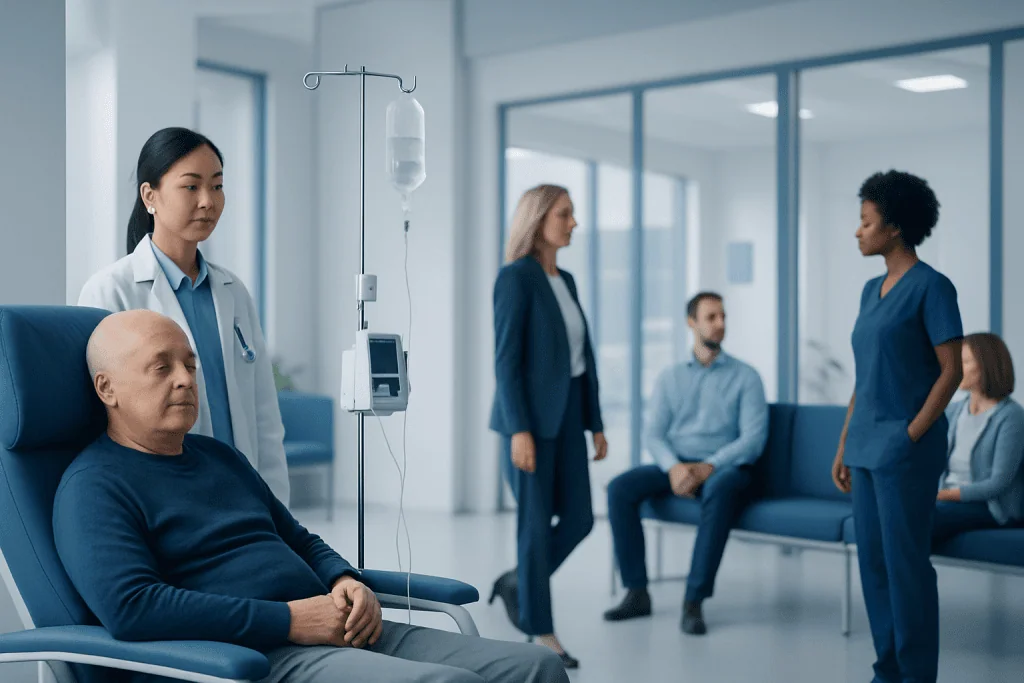
Bladder cancer chemotherapy may be delivered directly into the bladder or through the bloodstream. Intravesical chemotherapy is mainly used for selected early bladder cancers and usually has fewer whole-body effects.
Key Takeaways
- Bladder cancer chemotherapy may be delivered directly into the bladder or through the bloodstream.
- Intravesical chemotherapy is mainly used for selected early bladder cancers and usually has fewer whole-body effects.
- Systemic chemotherapy may be used before or after surgery, with radiation, or for cancer that has spread.
- Treatment schedules vary widely; the oncology team tailors the type, number of cycles, and monitoring plan.
- Side effects are manageable for many people, and early reporting helps the care team provide supportive treatment.
Chemo for bladder cancer uses anti-cancer medicines to lower the risk of recurrence, shrink cancer before treatment, or control disease that has spread. It may be placed directly into the bladder or given into a vein, and the best approach depends on the cancer stage, overall health, kidney function, and treatment goals.
Overview: how chemo for bladder cancer works
Chemo for bladder cancer works by using medicines that damage or stop the growth of rapidly dividing cancer cells. It can be used with surgery, radiation therapy, immunotherapy, or targeted medicines, depending on whether the cancer is limited to the bladder lining, has grown into the bladder muscle, or has spread elsewhere in the body.
There are two main ways chemotherapy is given. Intravesical chemotherapy is delivered through a catheter directly into the bladder, so the medicine mainly acts on the bladder lining. Systemic chemotherapy is given into a vein and circulates through the body, allowing it to treat cancer cells beyond the bladder. The treatment plan is based on pathology results, imaging, prior treatments, kidney function, hearing and nerve health, and the person’s preferences.
Bladder cancer is not one uniform disease. A urologist and oncology team first establish the cancer type, grade, and stage, commonly after a procedure to remove or sample a bladder tumor. Readers can learn more about the condition through bladder cancer information.
When is chemotherapy recommended?

Chemotherapy may be recommended at different points in care. For non-muscle-invasive bladder cancer, a single dose of medicine in the bladder soon after tumor removal may reduce the chance that some tumors return. A course of intravesical treatment may also be considered for selected recurrent or higher-risk non-muscle-invasive cancers.
For muscle-invasive bladder cancer, systemic chemotherapy is often considered before bladder-removal surgery. This is called neoadjuvant chemotherapy. Treating early microscopic cancer cells may improve outcomes for appropriate patients, while also helping the team understand how the cancer responds to treatment. Chemotherapy may sometimes be considered after surgery when it was not given beforehand and pathology findings suggest a higher risk of recurrence.
When bladder preservation is appropriate, chemotherapy may be given alongside radiation therapy to make cancer cells more sensitive to radiation. For metastatic or recurrent cancer, systemic therapy can help slow growth, relieve symptoms, and support quality of life. Not everyone is suited to every medicine, especially when kidney function or other medical conditions limit certain options.
How is chemotherapy for bladder cancer given step by step?

Before treatment, the team reviews biopsy and scan results, medical history, current medicines, and blood tests. Systemic treatment planning often includes tests of kidney and liver function, blood cell counts, and sometimes heart or hearing assessment. The oncologist explains the intended benefit, likely side effects, alternatives, and the monitoring schedule before treatment begins.
For intravesical chemotherapy, a clinician places a thin catheter through the urethra into the bladder. The medicine is instilled into the bladder and remains there for a set period before the person urinates. Instructions about fluid intake and handling urine afterward are individualized, because they depend on the medicine used and local safety protocols.
For intravenous chemotherapy, medicines are administered in an infusion unit through a vein or, in some cases, a longer-term venous access device. Treatment may include hydration, anti-nausea medicines, and blood tests before each cycle. The actual infusion may take hours, but appointments can be longer because of preparation, laboratory review, and observation. Chemotherapy treatment planning helps coordinate these steps with supportive care.
During treatment, the team checks for side effects and may adjust timing or medicines when needed. Follow-up cystoscopy, urine testing, imaging, and repeat blood tests are used according to the treatment setting and cancer stage.
How bad is chemo for bladder cancer?
How difficult chemotherapy feels varies considerably. Intravesical chemotherapy commonly causes temporary bladder irritation, such as burning when passing urine, needing to urinate more often, urgency, or mild pelvic discomfort. These effects usually affect the bladder rather than the whole body, although patients should still report persistent or severe symptoms.
Systemic chemotherapy can cause fatigue, nausea, appetite changes, changes in taste, mouth soreness, hair thinning or loss with some regimens, and changes in blood counts. Lower blood counts can increase the risk of infection, bruising, or anemia. Certain medicines can also affect the kidneys, hearing, nerves in the hands and feet, or heart, which is why careful treatment selection and regular monitoring are important.
Many side effects can be prevented, reduced, or treated with modern supportive care. The care team may prescribe anti-nausea medicine, advise on nutrition and hydration, and change a schedule or dose when medically appropriate. Patients should not try to “push through” troublesome symptoms without telling their oncology team; early communication often makes treatment safer and more tolerable.
How many rounds of chemo is normal for bladder cancer?
There is no single normal number of chemotherapy rounds for bladder cancer. The plan depends on whether chemotherapy is being placed inside the bladder, given before surgery, combined with radiation, used after surgery, or used to treat advanced disease. The medicines selected and how a person tolerates treatment also influence the schedule.
Systemic chemotherapy is usually organized into cycles, with treatment days followed by time for the body to recover. When given before surgery for muscle-invasive disease, it is often planned as a limited course over several cycles. In advanced disease, treatment may continue for a defined number of cycles or be changed based on scan results, side effects, and the availability of other therapies.
Intravesical chemotherapy may be a one-time treatment after tumor removal or a series of bladder instillations over weeks, depending on recurrence risk and the treatment strategy. The treating urologist and medical oncologist can explain the proposed schedule and what would lead them to continue, pause, or modify it.
How long does chemo take for bladder cancer?
The time involved ranges from a single bladder instillation to several months of treatment. An intravesical chemotherapy visit is usually shorter than an intravenous chemotherapy day, but the medicine must remain in the bladder for the prescribed period. Mild urinary symptoms can occur for a short time afterward.
For intravenous treatment, one infusion appointment may take several hours, depending on the regimen and supportive medicines. Cycles are commonly repeated every few weeks, and a complete planned course before surgery often spans a number of months. Blood tests, clinic reviews, travel time, and recovery days are important parts of the overall schedule.
Recovery between treatments differs from person to person. Some people can continue parts of their usual routine, while others need more rest or adjustments to work and family responsibilities. Planning ahead for transport, help at home, nutrition, and prompt access to the care team can make the treatment period more manageable.
What is the most successful treatment for bladder cancer?
There is no single most successful treatment for every bladder cancer because success depends on the cancer stage, grade, biology, location, and the person’s overall health. For early non-muscle-invasive tumors, endoscopic removal of visible tumors followed by risk-adapted bladder treatments and surveillance is often effective. Some higher-risk cases need additional intravesical therapy or more intensive treatment.
For muscle-invasive disease, the standard curative approaches may include bladder-removal surgery with urinary reconstruction, often combined with chemotherapy when appropriate, or carefully selected bladder-preserving chemoradiation. For cancer that has spread, systemic therapies—including chemotherapy, immunotherapy, targeted therapy, and antibody-drug conjugates in suitable circumstances—may be used in sequence.
The most appropriate treatment is therefore an individualized, multidisciplinary decision rather than a single medicine or procedure. Relevant options may include bladder cancer surgery and radiotherapy, alongside systemic treatment. Treatment decisions should be reviewed with specialists in urology, medical oncology, radiation oncology, radiology, pathology, and supportive care.
Recovery, self-care and when to seek medical care
During chemotherapy, patients can support recovery by following the care team’s advice about fluids, food safety, activity, medicines, and appointments. Gentle activity and regular rest may help with fatigue. It is also useful to keep a record of symptoms, temperatures, bowel or bladder changes, and questions for the next visit. Smoking cessation is especially important because smoking can contribute to bladder cancer recurrence and other health risks.
Patients should contact their oncology team promptly for a fever or chills, new shortness of breath, chest pain, uncontrolled vomiting, inability to drink fluids, severe diarrhea, unusual bleeding or bruising, confusion, severe weakness, or pain or burning with urination that is worsening. Urgent medical attention is appropriate for severe symptoms, especially if the team has advised that low white blood cell counts are possible.
New visible blood in the urine, persistent urinary symptoms, unexplained weight loss, or pelvic pain should also be assessed, particularly in someone with a history of bladder cancer. Acibadem International’s multidisciplinary specialists and JCI-accredited hospitals diagnose and treat bladder cancer for international patients, with care plans coordinated around the individual’s clinical needs.
Frequently asked questions
Can chemotherapy cure bladder cancer?
Chemotherapy can be an important part of curative treatment for some people, particularly when used before surgery or with radiation for muscle-invasive bladder cancer. Whether cure is possible depends on the stage and biology of the cancer, as well as the overall treatment plan. In metastatic bladder cancer, treatment usually focuses on control of disease and symptoms, although responses can vary.
Is chemotherapy put directly into the bladder painful?
The catheter placement may feel uncomfortable, and some people have temporary burning, urgency, or frequent urination afterward. The procedure is usually performed without major surgery. The team can explain how to prepare and which symptoms should be reported after treatment.
Will I lose my hair with chemo for bladder cancer?
Hair loss depends on the medicines used. Some systemic chemotherapy regimens may cause hair thinning or hair loss, while intravesical chemotherapy is much less likely to cause this because the medicine primarily remains in the bladder. The oncology team can discuss the expected effects of the specific regimen before treatment starts.
Can someone work during bladder cancer chemotherapy?
Some people can work during treatment, often with changes to their schedule, workload, or remote-working arrangements. Others need more time away because of fatigue, appointments, infections, or side effects. Planning should be individualized and can be adjusted as treatment progresses.
What happens if chemotherapy does not work for bladder cancer?
The team reassesses the cancer with symptoms, examinations, blood tests, cystoscopy, and imaging as appropriate. Other options may include surgery, radiation therapy, immunotherapy, targeted medicines, antibody-drug conjugates, or a clinical trial, depending on the situation. A multidisciplinary review can help clarify the next best step.
How soon can side effects of chemotherapy start?
Some effects, such as nausea or bladder irritation, may begin on the treatment day or in the following days. Blood-count changes often occur later in a treatment cycle, which is why scheduled blood tests are important. Patients should use the contact instructions given by their oncology team rather than waiting for the next appointment if concerning symptoms develop.
References
- National Cancer Institute
- American Cancer Society
- European Association of Urology
- National Comprehensive Cancer Network
- American Urological Association
This article is for general information only and is not a substitute for professional medical advice. Please consult a qualified doctor about your individual situation.
Bladder Cancer in Turkey — costs, top hospitals & a free quote
JCI-accredited · board-certified surgeons · reply within 24h
Add us as a Preferred Source to see more of our trusted health content across Google Search, AI Overviews and Discover.

Medical Oncology Department
Medical treatment of cancer with chemotherapy, immunotherapy and targeted therapies under a multidisciplinary tumor board.
60 specialists in this unitMore from the Health Library



Related Specialists

Damla Tuncay
Physical Medicine & Rehabilitation
Dr. Zehra Elban
Acibadem Life Clinical Service
Dt. Gözde Kaya
Oral & Dental Health
Embriyolog Sevda Gökçe
Vitro Fertilization and Reproductive Medicine Center