Chemotherapy Drugs List: How It Works, Results and What to Expect

Chemotherapy is a broad term for anticancer medicines; it is not one single drug or treatment plan. Drug selection depends on cancer type, stage, tumor biology, prior treatments and the person’s kidney, liver and heart health.
Key Takeaways
- Chemotherapy is a broad term for anticancer medicines; it is not one single drug or treatment plan.
- Drug selection depends on cancer type, stage, tumor biology, prior treatments and the person’s kidney, liver and heart health.
- Chemotherapy may be used to cure cancer, lower recurrence risk, shrink a tumor before treatment, or control symptoms in advanced cancer.
- Side effects vary widely and are monitored throughout treatment; many can be prevented, reduced or treated.
- Recovery after each cycle differs, but blood counts and energy commonly improve during planned rest periods.
A chemotherapy drugs list includes several medicine groups that damage cancer cells, block their growth, or interfere with cell division. The medicines, schedule, expected benefits and side effects are individualized by an oncology team according to the type of cancer and a person’s overall health.
Overview: what is a chemotherapy drugs list?
A chemotherapy drugs list refers to the many medicines used to treat cancer. These medicines work in different ways, but many target cells that are growing or dividing quickly. Because cancer cells often grow faster than normal cells, chemotherapy can slow their growth, damage them or destroy them.
Chemotherapy is commonly given as part of a broader cancer plan. It may be used alone or alongside surgery, radiation therapy, immunotherapy, targeted therapy or hormone therapy. Some medicines are infused into a vein, while others are tablets or capsules, injections, creams, or treatment placed into a body cavity, depending on the cancer and drug.
An oncologist chooses a regimen rather than simply selecting the “strongest” medicine. A regimen may contain one drug or several medicines given in cycles, with treatment days followed by recovery time. The plan is designed around the likely benefit, potential risks and a person’s individual circumstances.
How chemotherapy works and why it is given
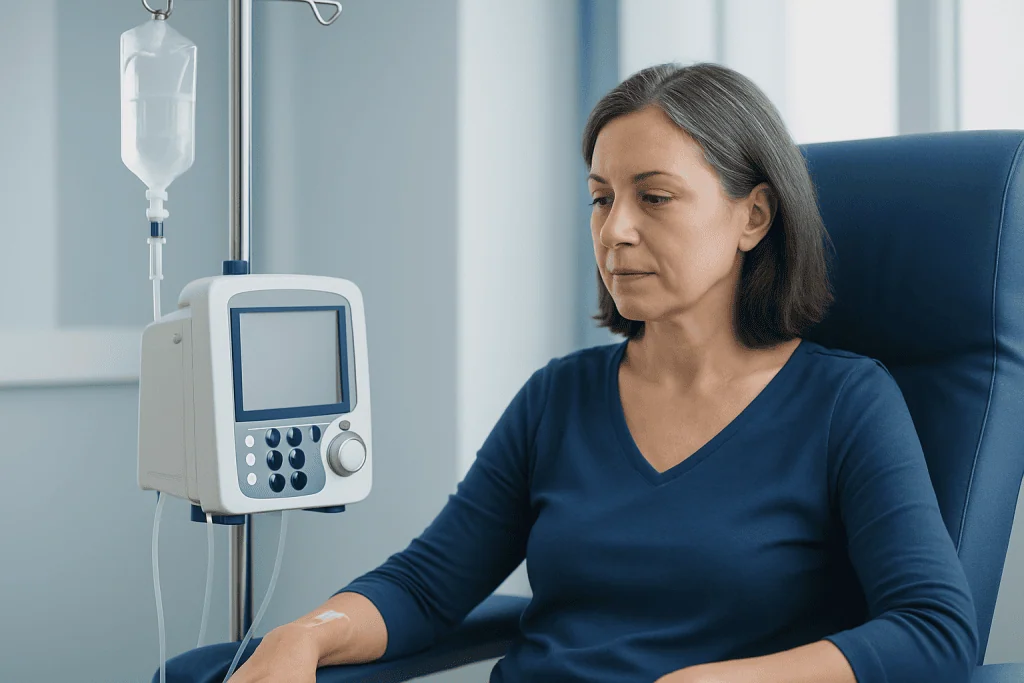
Chemotherapy medicines affect essential processes that allow cells to copy DNA, make proteins or divide. Since some healthy tissues also contain rapidly dividing cells, including bone marrow, hair follicles and the lining of the mouth and bowel, these tissues can be affected during treatment. This explains why side effects can occur.
Treatment goals differ between individuals. Chemotherapy may be curative, meaning it is intended to eliminate cancer. It may be given before another treatment to shrink a tumor, after surgery to reduce the chance of cancer returning, or with radiation therapy to make cancer cells more sensitive to radiation. In some settings, it can help control cancer growth and relieve cancer-related symptoms.
The response to chemotherapy is assessed with a combination of clinical review, blood tests, scans and sometimes tumor markers. A good response can mean a tumor becomes smaller, remains stable, symptoms improve, or microscopic cancer cells are less likely to remain after local treatment. Results depend on the specific cancer and cannot be predicted by drug name alone.
What are the 7 main types of chemotherapy?

Chemotherapy medicines are often grouped by how they act. The seven commonly described groups are alkylating agents, antimetabolites, antitumor antibiotics, topoisomerase inhibitors, mitotic inhibitors, corticosteroids and platinum-based compounds. Some classifications place platinum drugs within alkylating-like agents, so lists may vary slightly between medical sources.
- Alkylating agents damage DNA so cancer cells cannot reproduce normally.
- Antimetabolites interfere with materials cells need to make DNA or RNA.
- Antitumor antibiotics disrupt DNA or the enzymes involved in DNA replication.
- Topoisomerase inhibitors block enzymes that help separate DNA during cell division.
- Mitotic inhibitors interfere with structures needed for cells to divide.
- Corticosteroids can directly treat certain blood cancers and may also help prevent nausea or allergic reactions.
- Platinum compounds form DNA damage that prevents cancer cells from dividing.
These groups do not include every anticancer medicine. Targeted therapies, immunotherapies and hormone treatments are often used in modern oncology but are not traditionally classified as chemotherapy. In practice, a treatment plan may combine different types when evidence supports it.
What are the top 5 strongest chemo drugs?
There is no medically reliable ranking of the five “strongest” chemotherapy drugs. A drug’s effect depends on the type of cancer, its dose and schedule, whether it is combined with other treatments, and how the individual body processes it. A medicine that is very effective for one cancer may not work for another.
Medicines often considered highly potent include anthracyclines such as doxorubicin, platinum drugs such as cisplatin, alkylating agents such as cyclophosphamide, antimetabolites such as methotrexate, and taxanes such as paclitaxel. These examples are used for different cancers and have different safety considerations; they are not interchangeable or appropriate for everyone.
Oncology teams focus on the most suitable and evidence-based regimen rather than the most intensive regimen. Before and during treatment, they consider blood counts, infection risk, nerve symptoms, kidney and liver function, heart health, fertility concerns and other medicines. Dose adjustments or alternative medicines may be needed to keep treatment as safe and effective as possible.
Candidacy and the chemotherapy treatment process
Whether chemotherapy is recommended depends on the diagnosis, cancer stage, tumor grade and molecular features, treatment intent, and previous therapies. The oncology team also reviews general fitness, nutrition, existing conditions and organ function. Chemotherapy can be appropriate for many ages, but treatment plans are tailored carefully for older adults, children, pregnant people and those with significant medical conditions.
Before treatment, patients usually have a consultation, physical examination and blood tests. Imaging, pathology review and tests of heart, kidney or liver function may be needed for particular medicines. The team explains the expected purpose of treatment, treatment cycles, likely side effects, supportive medicines and signs that should prompt urgent contact.
On treatment days, intravenous chemotherapy is usually given in an infusion unit through a small vein, a central venous catheter or an implanted port. The duration can range from minutes to several hours, depending on the regimen. Oral chemotherapy is taken at home exactly as prescribed, with regular monitoring. Blood tests are often repeated before each cycle to ensure it is safe to continue.
For international patients, Acibadem International’s multidisciplinary specialists and JCI-accredited hospitals can assess cancer treatment plans and coordinate chemotherapy care. Decisions should always be made with a qualified oncology team familiar with the individual diagnosis and medical history.
Benefits, risks and what organ is chemo hard on
The potential benefit of chemotherapy is cancer control: it may eliminate cancer cells, reduce the risk of recurrence, shrink tumors or improve symptoms. However, chemotherapy can also affect healthy tissues. The likelihood and severity of side effects depend on the medicines, total exposure, treatment schedule and individual health.
There is no single organ that chemotherapy is “hardest” on. Certain medicines can place particular stress on particular organs. For example, some can affect bone marrow and lower infection-fighting white blood cells; others can affect the kidneys, liver, heart, nerves, lungs, bladder or hearing. This is why blood tests and, when indicated, heart scans or other monitoring are built into care.
Common side effects may include fatigue, nausea, appetite changes, hair loss, mouth sores, bowel changes, low blood counts, changes in taste, skin or nail changes, and tingling or numbness in the hands and feet. Many people do not experience every side effect. Anti-nausea medicines, infection precautions, nutrition support and treatment adjustments can make symptoms more manageable.
It is important to tell the care team about all symptoms, including those that feel minor. Prompt reporting can help clinicians treat complications early and decide whether supportive treatment, a delay or a dose adjustment is appropriate.
How long after chemo do you feel better?
How long it takes to feel better after chemotherapy varies considerably. Some short-term effects, such as nausea or tiredness, may improve within days after a treatment session. Others, including low blood counts, often reach their lowest point about one to two weeks after treatment and recover before the next cycle, although timing differs by regimen.
Many people notice their energy gradually improving in the weeks after chemotherapy ends. Hair often begins growing back within several weeks to months, while nerve-related symptoms, concentration difficulties, fertility changes or fatigue may take longer and can occasionally persist. Recovery may also be influenced by cancer itself, surgery, radiation therapy, sleep, nutrition and emotional wellbeing.
Rest, regular light activity as tolerated, adequate fluids and balanced meals can support recovery. Patients should not assume a persistent or worsening symptom is expected; the oncology team can assess for anemia, infection, dehydration, nutritional concerns, medication effects or other treatable causes.
When to seek medical care
Patients receiving chemotherapy should follow the specific contact instructions provided by their oncology team. They should contact the team promptly for a fever or chills, new cough or shortness of breath, chest pain, confusion, severe weakness, persistent vomiting or diarrhea, inability to drink fluids, unusual bleeding, painful urination, or redness, swelling or discharge around a catheter or port.
Fever during chemotherapy can be a sign of infection when white blood cell levels are low and may require urgent assessment. The exact temperature threshold and instructions vary by treatment center, so patients should use the threshold given by their oncology team and seek emergency care if they cannot reach the team or feel severely unwell.
Patients should also discuss new numbness, hearing changes, worsening swelling, yellowing of the skin or eyes, severe mouth sores, or symptoms that interfere with eating, drinking or daily activities. Early communication allows the team to provide supportive care and protect future treatment options.
Frequently asked questions
Is chemotherapy always given through a vein?
No. Many chemotherapy drugs are given intravenously, but some are taken by mouth, injected under the skin, applied to the skin, or delivered directly into a body area in selected situations. The route depends on the medicine and the cancer being treated.
Can chemotherapy be used with immunotherapy or targeted therapy?
Yes. For some cancers, chemotherapy is combined with immunotherapy, targeted therapy, radiation therapy or surgery. The combination is chosen based on clinical evidence, cancer biology and the patient’s health.
Will everyone lose their hair during chemotherapy?
No. Hair loss depends on the particular chemotherapy medicines, doses and schedule. Some regimens cause complete hair loss, some cause thinning, and others do not usually affect hair.
How are chemotherapy side effects monitored?
The oncology team checks symptoms, physical health and blood test results regularly. Some drugs also require monitoring of heart, kidney, liver, nerve, lung or hearing function, depending on their known risks.
Can chemotherapy be delayed if blood counts are low?
Yes. If blood counts or organ-function tests are not within a safe range, the care team may delay treatment, change a dose or provide supportive treatment. These decisions are made to balance safety with the goals of cancer treatment.
Can a person work during chemotherapy?
Some people can continue working in some capacity, while others need time away or a reduced schedule. Energy levels, infection exposure, treatment timing and the physical demands of work should be discussed with the oncology team.
References
- National Cancer Institute
- American Cancer Society
- American Society of Clinical Oncology
- National Health Service
- World Health Organization
This article is for general information only and is not a substitute for professional medical advice. Please consult a qualified doctor about your individual situation.
Chemotherapy in Turkey — costs, top hospitals & a free quote
JCI-accredited · board-certified surgeons · reply within 24h
Add us as a Preferred Source to see more of our trusted health content across Google Search, AI Overviews and Discover.

Medical Oncology Department
Medical treatment of cancer with chemotherapy, immunotherapy and targeted therapies under a multidisciplinary tumor board.
60 specialists in this unit