Chemotherapy Emesis: How It Works, Results and What to Expect

Chemotherapy-related nausea and vomiting can occur before treatment, within hours, or several days after a chemotherapy dose. Preventive antiemetic medicines are usually more effective when taken before nausea or vomiting becomes severe.
Key Takeaways
- Chemotherapy-related nausea and vomiting can occur before treatment, within hours, or several days after a chemotherapy dose.
- Preventive antiemetic medicines are usually more effective when taken before nausea or vomiting becomes severe.
- The likelihood of emesis depends on the chemotherapy regimen, dose, personal history and other health factors.
- Vomiting that prevents fluid intake, includes blood, occurs with severe pain or fever, or produces signs of dehydration needs prompt medical advice.
- Vomiting alone does not show whether chemotherapy is working; response is assessed through symptoms, examinations, scans and laboratory tests.
Chemotherapy emesis refers to nausea and vomiting related to chemotherapy. It can often be prevented or reduced with a personalised antiemetic plan, practical nutrition measures and early communication with the oncology team.
Chemotherapy emesis overview
Chemotherapy emesis is the medical term for nausea and vomiting caused by chemotherapy. It happens because some anticancer medicines can stimulate vomiting centres in the brain and irritate or activate signals from the digestive tract. Although it can be distressing, it is a recognised side effect and is often preventable or manageable with the right supportive care.
Modern antiemetic medicines have substantially improved control of chemotherapy-related nausea and vomiting. Before treatment begins, the oncology team estimates a person’s risk based on the planned regimen and individual factors, then recommends medicines to prevent symptoms. People should report previous nausea, motion sickness, migraine, pregnancy-related sickness and any earlier problems with chemotherapy, as these details can help tailor care.
Emesis may be classified by its timing. Acute symptoms begin during chemotherapy or within the first 24 hours. Delayed symptoms occur later, often between 24 hours and several days after treatment. Anticipatory nausea can develop before a future cycle when a person has had difficult symptoms during earlier sessions.
How chemotherapy emesis works and who may be affected
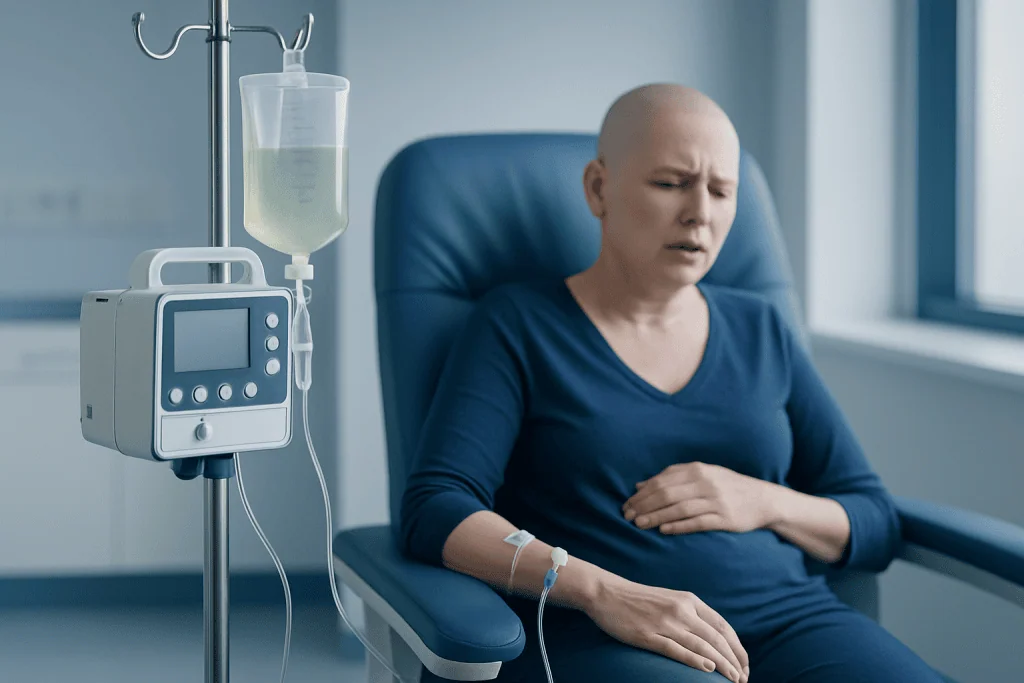
Chemotherapy can trigger the release of chemical messengers, including serotonin and substance P, which activate pathways involved in nausea and vomiting. Different medicines have different emetogenic potential, meaning different likelihoods of causing these symptoms. Some regimens carry a high risk without prevention, while others are less likely to cause vomiting.
Anyone receiving chemotherapy can experience nausea or vomiting, but risk is not the same for everyone. Younger age, female sex, a history of motion sickness or pregnancy-related nausea, anxiety around treatment, low usual alcohol intake and poorly controlled symptoms in a previous cycle may increase the chance of emesis. Pain, constipation, infection, brain metastases, bowel obstruction and other medicines can also contribute.
Candidacy for preventive antiemetic treatment is determined before each chemotherapy cycle. The regimen, prior response, other medical conditions and medicines are reviewed. This is part of comprehensive chemotherapy care, where treatment plans aim to control cancer while reducing avoidable side effects and maintaining nutrition, hydration and daily functioning.
What to expect before, during and after chemotherapy

Before chemotherapy, the oncology team reviews the treatment plan and prescribes antiemetics according to the expected risk. These may include medicines that block serotonin or substance P pathways, corticosteroids or other anti-nausea medicines. Some are given through an intravenous line before chemotherapy, while others are taken at home for one or more days afterward. The exact combination depends on the chemotherapy regimen and personal health needs.
During the infusion or treatment visit, staff monitor for symptoms and can provide additional support if needed. It may help to wear comfortable clothing, avoid strong smells, bring a drink if permitted and choose a light meal rather than arriving very hungry or overly full. Not everyone feels sick during treatment; symptoms can begin later, especially with regimens linked to delayed nausea.
After returning home, people should follow the prescribed antiemetic schedule rather than waiting for vomiting to start. Small, frequent meals, cool or room-temperature foods, regular sips of fluid and rest may be helpful. A symptom diary noting the timing of nausea, vomiting, food intake and medicines can help the team adjust prevention before the next cycle.
Recovery varies with the medicines used and the treatment schedule. Many people improve within a few days, but symptoms may recur with each cycle unless the prevention plan is updated. Contacting the oncology team early is important because uncontrolled nausea can become harder to manage and may lead to dehydration or difficulty taking essential medicines.
How long does chemo vomiting last?
Chemo vomiting may last from a few hours to several days, depending on the chemotherapy medicines and the person’s response. Acute vomiting usually develops within the first 24 hours, while delayed vomiting can begin after the first day and may continue for several days. Some people have no vomiting because preventive medicines work well.
Symptoms should gradually improve between treatment cycles. If vomiting continues beyond the expected period, worsens, starts suddenly after being controlled, or makes it difficult to keep fluids down, the oncology team should be contacted. Another cause, such as constipation, infection, medication side effects or a gastrointestinal problem, may need to be considered.
It is useful to tell the team exactly when symptoms began, how often vomiting occurred and whether prescribed antiemetics were taken. This information helps distinguish acute from delayed emesis and supports a safer, more effective plan for the next treatment cycle.
Benefits, risks and practical self-care
The main benefit of preventing chemotherapy emesis is improved comfort and the ability to maintain fluid intake, nutrition, sleep and daily activities. Good symptom control can also reduce treatment-related stress and help people continue their planned cancer care. Anti-nausea medicines are selected to balance expected benefit with a person’s other health conditions and medications.
Antiemetics can have side effects, which vary by medicine. These may include constipation, headache, tiredness, dizziness, dry mouth or changes in blood sugar. Some medicines can interact with other prescriptions or require extra caution in people with certain heart rhythm conditions. The treating team should know about all medicines, supplements and herbal products being used.
At home, small portions of bland foods may be easier to tolerate than large meals. Dry foods, soups, yoghurt, rice, toast, pasta, potatoes and protein-rich snacks can be useful choices if they suit the person’s preferences and dietary advice. Limiting greasy foods, very spicy foods, alcohol and strong cooking odours may help. Cold foods can sometimes be easier because they have less smell.
- Take preventive medicines exactly as directed, including medicines prescribed for delayed nausea.
- Take frequent small sips of water, oral rehydration fluids, broth or other recommended drinks.
- Ask about constipation management, as constipation can worsen nausea.
- Use relaxation, slow breathing or distraction techniques if anxiety contributes to symptoms.
- Do not start over-the-counter anti-nausea remedies or supplements without discussing them with the oncology team.
What are good signs that chemo is working?
Feeling nauseated, vomiting, losing hair or experiencing other side effects is not a reliable sign that chemotherapy is working. Likewise, having few side effects does not mean treatment is ineffective. Side effects reflect how treatment affects normal tissues and individual sensitivity, not necessarily the cancer’s response.
Oncology teams assess treatment response using a combination of methods. Depending on the cancer type, these may include changes in symptoms, physical examinations, blood tests such as tumour markers when appropriate, imaging scans and sometimes repeat biopsies. The timing of assessment differs by treatment plan, so a scan may not be scheduled after every cycle.
Some people may notice improvements such as less pain, easier breathing, more energy or a reduction in a visible mass, but these changes should still be discussed with the oncology team. For cancers affecting the digestive system, nutrition and symptoms may also be reviewed alongside investigations. Management may involve coordinated cancer care from medical oncology, surgery, radiation oncology, nutrition and supportive-care teams.
What week of chemo is the hardest?
There is no single hardest week of chemotherapy for everyone. The most difficult time depends on the drugs used, the interval between cycles, the cancer being treated, other treatments and a person’s general health. Nausea and vomiting may be most noticeable on treatment day and the following few days, while fatigue and low blood counts may occur later in a cycle for some regimens.
The first cycle can feel challenging because treatment is unfamiliar and the team is still learning how an individual responds. Later cycles may also be harder for some people if fatigue, appetite changes or other side effects accumulate. However, many symptoms can be improved by changing supportive medicines, offering dietary support or adjusting other aspects of care when medically appropriate.
People should not assume that they must simply tolerate difficult symptoms. Reporting changes promptly allows the team to assess whether treatment-related effects, dehydration, infection, anaemia, pain medicines or another issue is responsible. Keeping scheduled blood tests and treatment reviews is an important part of safe chemotherapy care.
Is it normal for an end-stage cancer patient to vomit bile?
Vomiting bile can occur in a person with advanced or end-stage cancer, particularly when the stomach is empty or when there is a problem affecting the digestive tract. However, it should not be dismissed as an expected symptom without medical assessment. Bile is often yellow-green and bitter, and repeated bilious vomiting can lead to dehydration, weakness and discomfort.
Potential causes include medication effects, severe constipation, infection, reduced stomach emptying or a bowel obstruction. In some people with advanced cancer, a malignant bowel obstruction may require urgent evaluation and symptom-focused treatment. The care team can discuss options that match the person’s condition, goals and comfort needs.
Family members and caregivers should contact the treating oncology or palliative care team promptly if bile vomiting is new, persistent or accompanied by abdominal swelling, cramping, severe pain, inability to pass stool or gas, fever, confusion or reduced urine output. Palliative care can work alongside oncology to relieve nausea, pain and other symptoms at any stage of serious illness.
When to seek medical care
The oncology team should be contacted on the same day if nausea or vomiting is not controlled by prescribed medicines, if a person cannot keep fluids down, or if vomiting is frequent or worsening. Early advice may prevent dehydration and may allow changes to antiemetic medicines before symptoms become more severe.
Urgent medical assessment is needed for vomiting blood or material that looks like coffee grounds, severe or persistent abdominal pain, a swollen abdomen, fainting, confusion, very little urine, severe weakness, chest pain, breathing difficulty or fever during chemotherapy. The team will explain the local emergency contact process and when to attend an emergency department.
People receiving cancer treatment should also report new headaches, vision changes, constipation lasting several days, diarrhoea, uncontrolled pain or any concern that feels unusual for them. Acibadem International’s multidisciplinary specialists and JCI-accredited hospitals provide assessment and supportive treatment for international patients receiving cancer care.
Frequently asked questions
Can chemotherapy emesis be prevented?
In many cases, chemotherapy emesis can be prevented or substantially reduced with antiemetic medicines started before chemotherapy. The medicines are chosen according to the emetogenic risk of the regimen and the person’s history. It is important to take home medicines on schedule and report any breakthrough symptoms.
Can nausea happen without vomiting during chemotherapy?
Yes. Nausea and vomiting are related but separate symptoms, and a person may have one without the other. Persistent nausea still deserves treatment because it can affect eating, drinking, sleep and quality of life. The oncology team can adjust the supportive-care plan.
Should a person eat before chemotherapy?
Many people tolerate a small, light meal before chemotherapy better than a large meal or an empty stomach. Suitable choices vary, but bland foods and regular fluids are often easier to manage. Individual instructions from the treatment team should take priority, especially before procedures or certain tests.
What should be drunk after vomiting from chemotherapy?
Small, frequent sips of water, oral rehydration solutions, broth or other tolerated clear fluids can help replace fluids. Very sweet, alcoholic or strongly scented drinks may worsen nausea for some people. If fluids cannot be kept down, the oncology team should be contacted promptly.
Can chemotherapy vomiting cause dehydration?
Yes. Repeated vomiting can cause dehydration and changes in body salts, especially if fluid intake is low. Warning signs include dry mouth, dizziness, dark or reduced urine, rapid heartbeat and unusual weakness. Medical advice is needed if these symptoms occur.
Will antiemetic medicines interfere with chemotherapy?
Antiemetic medicines are routinely used alongside chemotherapy and are selected to support treatment safely. The oncology team considers possible interactions when prescribing them. People should not stop prescribed antiemetics or add supplements without discussing this with their cancer team.
References
- National Cancer Institute
- American Society of Clinical Oncology
- Multinational Association of Supportive Care in Cancer
- European Society for Medical Oncology
- National Comprehensive Cancer Network
This article is for general information only and is not a substitute for professional medical advice. Please consult a qualified doctor about your individual situation.
Chemotherapy in Turkey — costs, top hospitals & a free quote
JCI-accredited · board-certified surgeons · reply within 24h
Add us as a Preferred Source to see more of our trusted health content across Google Search, AI Overviews and Discover.

Medical Oncology Department
Medical treatment of cancer with chemotherapy, immunotherapy and targeted therapies under a multidisciplinary tumor board.
60 specialists in this unitMore from the Health Library



Related Specialists

Prof. Dr. Hüsnü Cemal Kahraman
Cardiovascular Surgery
Dr. Babak Abbasov
Pediatrics
Prof. Dr. İlker Yağcı
Physical Medicine and Rehabilitation
Dr. Habibe Seyisoğlu
Gynecology & Obstetrics