Chemotherapy for Myeloma Cancer: Symptoms, Causes, and Treatment Options

Chemotherapy for myeloma cancer is often part of a broader treatment plan rather than the only therapy used. Myeloma can cause bone pain, anemia, infections, kidney problems, and fatigue, but some people have few symptoms early on.
Key Takeaways
- Chemotherapy for myeloma cancer is often part of a broader treatment plan rather than the only therapy used.
- Myeloma can cause bone pain, anemia, infections, kidney problems, and fatigue, but some people have few symptoms early on.
- Diagnosis usually combines blood tests, urine tests, imaging, and bone marrow evaluation.
- Treatment choices depend on age, overall health, symptoms, kidney function, and whether a stem cell transplant is suitable.
- Supportive care for bones, infections, pain, and side effects is an important part of myeloma management.
Chemotherapy for myeloma cancer is one of the main treatment approaches used to reduce abnormal plasma cells, relieve symptoms, and help control the disease over time. Treatment is usually personalized and may include chemotherapy alongside targeted therapy, steroids, immunotherapy, or stem cell transplant planning.
Overview: What chemotherapy for myeloma cancer means
Chemotherapy for myeloma cancer refers to drug treatment used to destroy or slow the growth of abnormal plasma cells in the bone marrow. In modern care, chemotherapy is often given together with other medicines, such as steroids, targeted treatments, or immunotherapy, rather than used alone. The goal is to control the disease, reduce symptoms, protect organs, and help a person reach remission whenever possible.
Multiple myeloma is a blood cancer that begins in plasma cells, which are part of the immune system. When these cells become cancerous, they can build up in the bone marrow and crowd out healthy blood-forming cells. They may also produce abnormal proteins that can damage the kidneys, weaken bones, and increase the risk of infections.
Not every person with myeloma needs the same treatment at the same time. Some people are diagnosed after symptoms appear, while others are found to have earlier forms of plasma cell disease during routine testing. When treatment is needed, specialists consider disease stage, symptoms, test results, overall health, and personal preferences before creating a plan.
Symptoms and how myeloma affects the body
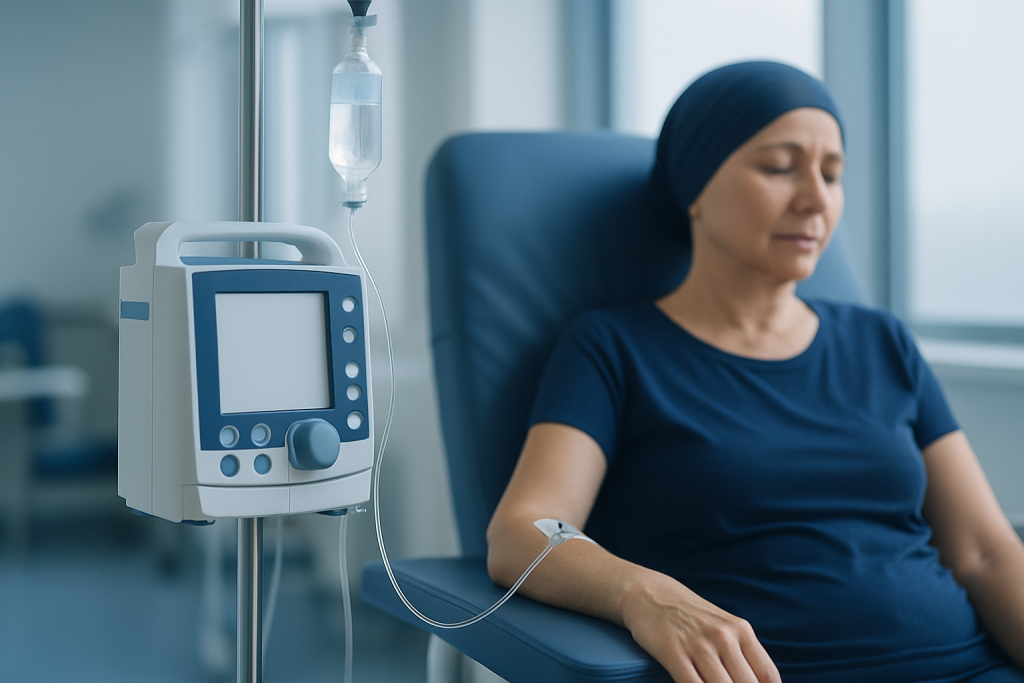
Myeloma symptoms can vary widely. Some people feel generally unwell for months before diagnosis, while others have only mild signs at first. Fatigue is common and may relate to anemia, which happens when the bone marrow produces fewer healthy red blood cells.
Bone pain is another frequent symptom, especially in the back, ribs, or hips. Myeloma can weaken bone structure and raise the risk of fractures. Some patients also develop repeated infections because abnormal plasma cells interfere with normal immune function.
Kidney problems may occur when abnormal proteins produced by myeloma build up in the body. High calcium levels from bone breakdown can also cause thirst, constipation, nausea, confusion, or weakness. These effects are one reason prompt assessment is important when symptoms suggest active disease.
- Persistent tiredness or weakness
- Bone pain, especially in the spine or ribs
- Frequent infections
- Unexplained weight loss
- Numbness or tingling if nerves are affected
- Symptoms related to kidney problems or high calcium
Causes and risk factors

The exact cause of multiple myeloma is not fully understood. It develops when genetic changes occur in plasma cells, allowing them to grow out of control. In most cases, there is no single known trigger that clearly explains why one person develops the disease and another does not.
Certain factors are linked with a higher risk. These include older age, male sex, family history of plasma cell disorders, and some inherited or environmental influences. A person may also have a precursor condition, such as monoclonal gammopathy of undetermined significance (MGUS) or smoldering myeloma, before active myeloma appears.
Having risk factors does not mean someone will definitely develop myeloma, and many people diagnosed have no clear cause. Because symptoms can overlap with other conditions, doctors usually rely on testing rather than symptoms alone to confirm the diagnosis. People who want broader background on the condition may also find it helpful to read about multiple myeloma.
How doctors diagnose myeloma and decide on chemotherapy
Diagnosis usually begins with blood and urine tests. These tests can look for anemia, kidney function changes, calcium levels, and abnormal proteins made by myeloma cells. Doctors may also measure free light chains and other markers that help show how active the disease is.
Imaging tests are often used to check for bone damage or areas where myeloma cells have built up. Depending on the situation, this may include X-rays, low-dose CT, MRI, or PET/CT. A bone marrow biopsy is usually needed to confirm the diagnosis and assess how many abnormal plasma cells are present.
Once myeloma is confirmed, the next step is deciding whether treatment should start and which medicines are most appropriate. Doctors consider whether the disease is causing organ damage, significant symptoms, or clear evidence of progression. They also review a person’s age, fitness, kidney function, and whether a future bone marrow transplant or stem cell transplant is being considered as part of the treatment pathway.
Treatment options: where chemotherapy fits in
Chemotherapy for myeloma cancer is often used as part of combination therapy. Instead of relying on one drug type alone, treatment commonly combines chemotherapy or anti-myeloma medicines with steroids and other agents that target myeloma cells more precisely. This approach can improve disease control and may help reduce the number of abnormal cells before maintenance treatment or transplant.
Some patients receive chemotherapy as initial treatment, while others may need it when the disease returns or stops responding to an earlier regimen. Treatment is typically given in cycles, allowing time for the body to recover between doses. The exact drugs and schedule vary, so patients should ask their care team what to expect from their specific plan.
Other therapies may be recommended alongside or instead of traditional chemotherapy depending on the disease features. These can include systemic chemotherapy, targeted therapy, immunotherapy, corticosteroids, bisphosphonates for bone protection, radiation therapy for painful bone lesions, and transplant-based strategies. In selected cases, specialists may also discuss immunotherapy as part of modern myeloma care.
Supportive treatment is just as important as anti-cancer therapy. This may include medicines to prevent infections, manage anemia, protect the kidneys, reduce blood clot risk, and control pain. When treatment planning is complex, care is often coordinated by hematology and oncology teams experienced in blood cancers such as leukemia and lymphoma and related disorders.
Side effects, monitoring, and living with treatment
Side effects from chemotherapy for myeloma cancer depend on the drugs used, the dose, and the patient’s overall health. Common effects may include fatigue, nausea, appetite changes, constipation or diarrhea, numbness or tingling in the hands and feet, and increased infection risk. Some treatments can also affect blood counts, kidney function, or nerve health, which is why regular monitoring is essential.
Most people have blood tests before or during each treatment cycle. These help doctors check whether the treatment is working and whether the body is tolerating it safely. If side effects become troublesome, the team may adjust the schedule, reduce a dose, add supportive medicines, or switch to another regimen.
Daily life during treatment often involves balancing rest, activity, nutrition, and infection prevention. Staying hydrated, reporting new symptoms early, and following medication instructions carefully can make treatment safer and more manageable. Many patients also benefit from practical support from family, friends, rehabilitation professionals, or counseling services as they adapt to ongoing care.
Prevention, self-care, and long-term outlook
There is no proven way to prevent multiple myeloma completely, because its exact cause is not fully known. However, early evaluation of persistent fatigue, bone pain, recurrent infections, or unexplained lab abnormalities may help lead to diagnosis before serious complications develop. People with MGUS or smoldering myeloma may need regular follow-up so doctors can watch for progression.
Self-care during and after treatment focuses on protecting overall health. Patients are usually advised to attend all follow-up appointments, take medications exactly as prescribed, and tell their care team about side effects promptly. Bone health, kidney health, hydration, and infection prevention are especially important in myeloma.
The outlook for myeloma has improved over time because treatment options have expanded. While myeloma is often considered a long-term condition that may relapse and require repeated treatment, many patients can achieve good symptom control and meaningful periods of remission. Near the end of the treatment journey, some international patients choose to be evaluated at centers such as Acibadem International, where multidisciplinary specialists in JCI-accredited hospitals diagnose and treat myeloma and related blood cancers.
When to seek medical care
A person should seek medical care if they have persistent bone pain, unusual fatigue, frequent infections, unexplained weight loss, or symptoms of anemia such as shortness of breath or marked weakness. Medical advice is also important for swelling, reduced urine output, severe constipation, or confusion, which may suggest kidney problems or high calcium levels.
Anyone already receiving chemotherapy for myeloma cancer should contact their treatment team promptly for fever, chills, bleeding, severe vomiting, dehydration, sudden numbness, worsening pain, or signs of infection. These symptoms do not always mean a serious complication, but they deserve timely review.
Urgent care may be needed for severe back pain with weakness, loss of bladder or bowel control, chest pain, or sudden trouble breathing. Quick evaluation can help identify emergencies and protect organs, bones, and nerve function.
Frequently asked questions
Is chemotherapy the main treatment for myeloma cancer?
Chemotherapy is one of the main treatments, but it is often combined with other medicines such as steroids, targeted therapy, or immunotherapy. Modern myeloma treatment is usually personalized, so the exact plan depends on disease features and the patient's overall health.
What symptoms may suggest multiple myeloma?
Common symptoms include fatigue, bone pain, repeated infections, weakness, and signs of anemia. Some people also develop kidney problems, high calcium levels, numbness, or fractures, while others have few symptoms early on.
Can myeloma be treated if it comes back after chemotherapy?
Yes. If myeloma relapses, doctors may recommend a different drug combination, targeted treatment, immunotherapy, or transplant-related strategies depending on what was used before and how the disease behaves. Relapse treatment is common in myeloma care and does not mean options are exhausted.
How long does chemotherapy for myeloma cancer last?
Treatment length varies depending on the specific regimen, response to therapy, and whether a stem cell transplant is planned. Many regimens are given in cycles over several months, followed by monitoring or maintenance treatment.
What are the most common side effects of myeloma chemotherapy?
Common side effects may include tiredness, nausea, appetite changes, constipation or diarrhea, low blood counts, and a higher risk of infection. Some medicines may also cause tingling or numbness in the hands and feet, so it is important to report symptoms early.
Is multiple myeloma curable?
Multiple myeloma is often treated as a long-term condition rather than a disease that is permanently cured in most patients. Even so, many people achieve remission, symptom relief, and good disease control for extended periods with modern treatment.
References
- National Cancer Institute
- American Cancer Society
- National Comprehensive Cancer Network
- International Myeloma Foundation
- World Health Organization
This article is for general information only and is not a substitute for professional medical advice. Please consult a qualified doctor about your individual situation.
Chemotherapy in Turkey — costs, top hospitals & a free quote
JCI-accredited · board-certified surgeons · reply within 24h
Add us as a Preferred Source to see more of our trusted health content across Google Search, AI Overviews and Discover.

Medical Oncology Department
Medical treatment of cancer with chemotherapy, immunotherapy and targeted therapies under a multidisciplinary tumor board.
60 specialists in this unit