Chemotherapy: Treatment Cycles, Side Effects, and Monitoring

Chemotherapy may be used to cure cancer, reduce recurrence risk, shrink tumors, relieve symptoms, or support other treatments such as surgery or radiotherapy. Treatment is usually given in cycles, with rest periods that allow healthy cells and the body to recover.
Key Takeaways
- Chemotherapy may be used to cure cancer, reduce recurrence risk, shrink tumors, relieve symptoms, or support other treatments such as surgery or radiotherapy.
- Treatment is usually given in cycles, with rest periods that allow healthy cells and the body to recover.
- Side effects vary depending on the medicines used, dose, treatment schedule, and a person’s overall health.
- Regular blood tests, imaging, physical exams, and symptom checks help doctors monitor safety and response to treatment.
- Patients should report fever, uncontrolled vomiting, shortness of breath, chest pain, severe diarrhea, bleeding, or sudden worsening symptoms promptly.
Chemotherapy is a cancer treatment that uses medicines to destroy cancer cells or slow their growth. Understanding treatment cycles, side effects, and monitoring helps patients prepare for care and communicate confidently with their oncology team.
Overview
Chemotherapy is a type of systemic cancer treatment, meaning the medicines travel through the bloodstream to reach cancer cells in many parts of the body. It can be used for many cancer types, including breast, lung, colorectal, lymphoma, leukemia, ovarian, testicular, and other cancers. The exact treatment plan depends on the cancer diagnosis, stage, tumor biology, previous treatments, and the patient’s general health.
Chemotherapy works by targeting cells that grow and divide quickly. Cancer cells often divide rapidly, but some healthy cells also grow quickly, such as cells in the bone marrow, digestive tract, hair follicles, and reproductive organs. This is why chemotherapy can cause side effects. Many side effects are temporary and can be prevented, reduced, or managed with supportive care.
Chemotherapy may be given with curative intent, to reduce the risk of recurrence after surgery, to shrink a tumor before surgery or radiotherapy, or to help control cancer and relieve symptoms. In modern oncology, chemotherapy may also be combined with targeted therapy, immunotherapy, hormone therapy, surgery, or radiation therapy when appropriate.
How Chemotherapy Is Given
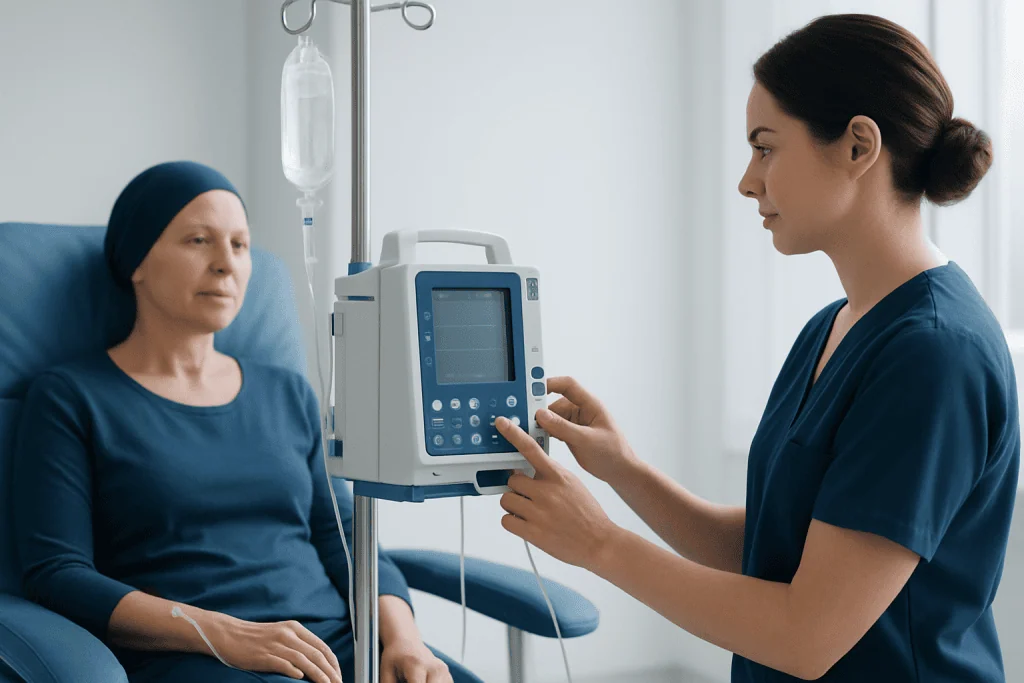
Chemotherapy can be delivered in different ways. Many treatments are given through a vein as an intravenous infusion in an oncology day unit or hospital setting. Some are taken by mouth as tablets or capsules at home. Others may be injected under the skin, into a muscle, into a body cavity, or directly into the fluid around the brain and spinal cord for selected cancers.
Intravenous chemotherapy may be given through a small cannula placed in a vein for short treatments. For repeated or longer courses, a central venous access device may be recommended, such as a port or catheter. These devices can make treatment easier and reduce the need for repeated needle sticks, but they require care to lower the risk of infection or blockage.
Before each treatment, the oncology team usually confirms the patient’s identity, treatment protocol, dose calculations, recent blood test results, allergies, and current symptoms. Some patients receive pre-medications to reduce nausea, allergic reactions, or other predictable side effects. Patients are encouraged to bring a current medication list, including supplements, and to ask what they should expect on treatment days.
Understanding Chemotherapy Cycles

Chemotherapy is commonly given in cycles. A cycle includes the treatment day or days followed by a rest period. The rest period allows the body, especially the bone marrow and digestive system, to recover before the next dose. For example, a cycle may repeat every one, two, three, or four weeks depending on the cancer type and medicines used.
The number of cycles varies widely. Some treatment plans involve only a few cycles, while others continue for several months or, in certain situations, longer if the treatment is helping and side effects remain manageable. The schedule is carefully designed to balance cancer control with patient safety.
Sometimes chemotherapy may be delayed, reduced, or changed. This does not necessarily mean treatment has failed. Common reasons include low blood counts, infection, significant side effects, changes in kidney or liver function, or new medical issues. The oncology team adjusts treatment based on the patient’s response and tolerance, aiming to deliver effective care as safely as possible.
Common Side Effects and Supportive Care
Side effects differ from person to person. They depend on the chemotherapy medicines, dose, schedule, other treatments, and individual factors such as age, nutrition, organ function, and existing medical conditions. Some people continue many daily activities during chemotherapy, while others need more rest and support.
Common chemotherapy side effects may include:
- Fatigue or reduced energy
- Nausea, vomiting, appetite changes, or taste changes
- Hair thinning or hair loss with certain medicines
- Mouth sores or throat discomfort
- Diarrhea or constipation
- Low blood counts, which may increase infection, anemia, or bleeding risk
- Numbness, tingling, or burning sensations in the hands or feet
- Skin, nail, or sensitivity changes
- Changes in fertility or menstrual patterns, depending on the treatment
Supportive care is an important part of chemotherapy. Anti-nausea medicines, mouth care routines, hydration advice, nutrition support, pain control, infection prevention, and medications to support blood counts may be used when appropriate. Patients should not start herbal products, supplements, or over-the-counter medicines without checking with their oncology team, because some can interact with chemotherapy or affect bleeding, liver function, or treatment effectiveness.
Monitoring During Treatment
Monitoring helps doctors understand whether chemotherapy is safe to continue and whether the cancer is responding. Before each cycle, patients commonly have a physical assessment and blood tests. These may include a complete blood count to check white blood cells, hemoglobin, and platelets, as well as tests of kidney and liver function. In some cases, heart function tests, hearing tests, urine tests, or nerve assessments may be needed, depending on the medicines used.
Response monitoring may include imaging such as CT, MRI, PET, ultrasound, or X-rays, depending on the cancer type and treatment goals. Some cancers are also followed with tumor markers in the blood, although tumor markers are not used for every cancer and may not always reflect the full picture. Doctors interpret test results together with symptoms, examination findings, and overall wellbeing.
Patients are often asked to track symptoms between visits. A simple diary can help record fever, nausea, bowel changes, pain, appetite, fluid intake, fatigue, and any new symptoms. This information helps the care team adjust supportive medicines, identify side effects early, and decide whether treatment can proceed as planned.
Preparing for Chemotherapy and Self-care
Preparation can make chemotherapy feel more manageable. Before starting, patients usually meet with an oncologist and oncology nurse to review the treatment plan, possible side effects, safety precautions, and emergency contact instructions. It is helpful to discuss current medicines, allergies, dental problems, pregnancy possibility, fertility concerns, vaccination status, work plans, and family support.
Good self-care during chemotherapy includes eating as well as possible, drinking enough fluids unless advised otherwise, resting when needed, and staying gently active if the doctor agrees. Hand hygiene, avoiding close contact with people who are unwell, and promptly reporting fever are especially important when blood counts may be low. Patients should follow their care team’s guidance about food safety, dental care, sun protection, and managing cuts or minor injuries.
Emotional wellbeing also matters. It is common to feel uncertainty, worry, sadness, or frustration during treatment. Support from family, friends, counseling, patient groups, spiritual care, or psycho-oncology services can help. Patients should feel comfortable telling their team if anxiety, sleep problems, or low mood are affecting daily life, because supportive care is available.
When to Contact the Doctor
Patients should receive clear instructions from their oncology team about urgent symptoms and who to call day or night. In general, medical advice should be sought promptly for fever, chills, signs of infection, uncontrolled vomiting, inability to drink fluids, severe diarrhea, black or bloody stools, unusual bleeding or bruising, chest pain, shortness of breath, sudden weakness, confusion, severe headache, or allergic-type symptoms such as swelling or difficulty breathing.
It is also important to report symptoms that are persistent or worsening, even if they seem minor. Examples include mouth sores that make eating difficult, painful urination, worsening numbness or tingling, severe fatigue, dehydration, rash, or pain that is not controlled. Early communication often allows side effects to be treated before they become more difficult.
International patients receiving cancer care may need coordinated appointments, medical records review, translation support, and follow-up planning. Acibadem International’s multidisciplinary specialists and JCI-accredited hospitals diagnose and treat cancer for international patients, including chemotherapy planning and monitoring, while emphasizing individualized medical assessment and continuity of care.
Frequently asked questions
Is chemotherapy always given through a vein?
No. Many chemotherapy medicines are given intravenously, but some are taken by mouth as tablets or capsules, and others are given by injection or through specialized routes. The method depends on the cancer type, treatment goal, and the specific medicine.
Why does chemotherapy need rest periods between treatments?
Rest periods allow healthy tissues, especially bone marrow cells that make blood cells, to recover. These breaks are built into treatment cycles to help reduce serious side effects while maintaining the intended effect on cancer cells.
Will everyone lose their hair during chemotherapy?
Not all chemotherapy causes hair loss. Some medicines cause significant hair loss, some cause thinning, and others have little effect on hair. If hair loss is expected, the care team can explain timing, scalp care, and options such as wigs, scarves, or scalp cooling when appropriate.
Can chemotherapy side effects be prevented?
Some side effects can be prevented or reduced with supportive medicines and practical care strategies. For example, anti-nausea medicines, mouth care, hydration, infection precautions, and blood count monitoring can help. Patients should report symptoms early rather than waiting for the next appointment.
How do doctors know if chemotherapy is working?
Doctors assess response using a combination of physical examination, symptom changes, blood tests, imaging scans, and sometimes tumor markers. The best monitoring approach depends on the cancer type and treatment goal. Results are reviewed over time rather than from a single symptom or test alone.
Can a chemotherapy cycle be delayed?
Yes. A cycle may be delayed if blood counts are too low, side effects are significant, or there are concerns such as infection or changes in organ function. A delay or dose adjustment is a safety decision and does not automatically mean the treatment is not working.
What should patients bring to a chemotherapy appointment?
Patients may bring a medication list, allergy information, recent medical documents if requested, water or snacks if allowed, comfortable clothing, and something to pass the time. It is also useful to bring questions and a record of symptoms since the last visit.
References
- National Cancer Institute
- American Cancer Society
- European Society for Medical Oncology
- American Society of Clinical Oncology
- World Health Organization
This article is for general information only and is not a substitute for professional medical advice. Please consult a qualified doctor about your individual situation.
Chemotherapy in Turkey — costs, top hospitals & a free quote
JCI-accredited · board-certified surgeons · reply within 24h
Add us as a Preferred Source to see more of our trusted health content across Google Search, AI Overviews and Discover.

Medical Oncology Department
Medical treatment of cancer with chemotherapy, immunotherapy and targeted therapies under a multidisciplinary tumor board.
60 specialists in this unit