

Chilblains Toes: A Complete Medical Overview
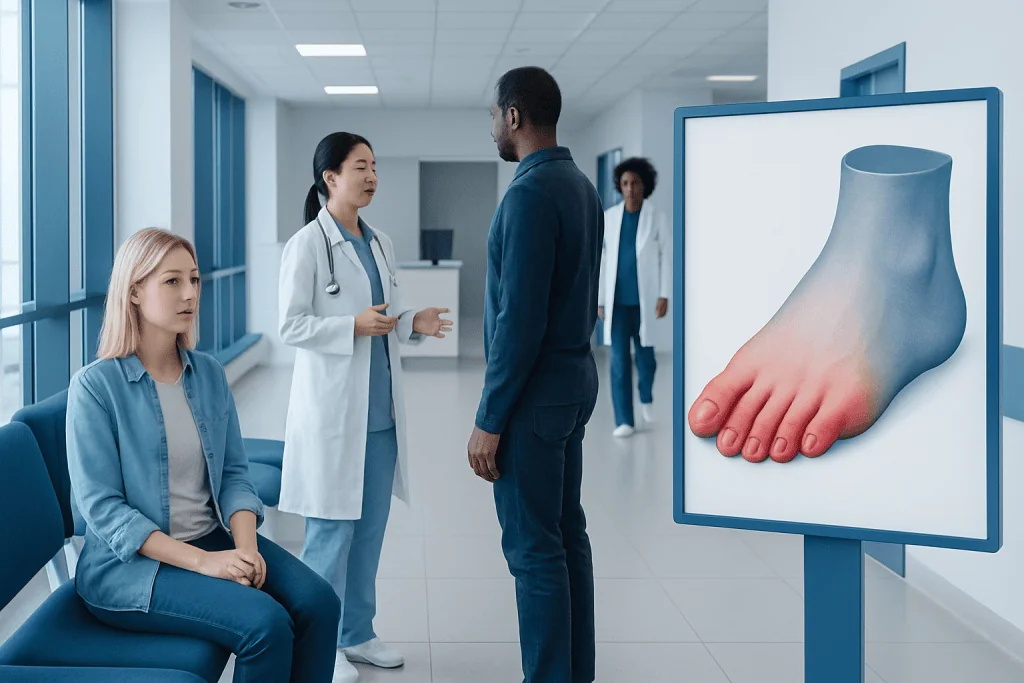
Chilblains toes are triggered by cold exposure and affect small blood vessels in the skin. Common symptoms include itching, burning, redness, swelling, and tender purple or red patches on the toes.
Key Takeaways
- Chilblains toes are triggered by cold exposure and affect small blood vessels in the skin.
- Common symptoms include itching, burning, redness, swelling, and tender purple or red patches on the toes.
- Most cases improve with gentle warming, dry socks, protective footwear, and avoiding repeated cold exposure.
- A doctor may be needed if symptoms are severe, recurrent, ulcerated, or do not improve within a few weeks.
- Repeated chilblains can sometimes be linked to circulation issues, autoimmune conditions, or other medical problems.
Chilblains toes are small areas of skin inflammation that develop after exposure to cold, especially when the skin is rewarmed too quickly. They are usually uncomfortable rather than dangerous, but persistent, severe, or repeated episodes should be assessed to rule out circulation problems, skin conditions, or underlying disease.
Overview: what chilblains toes are
Chilblains toes, also called pernio, are areas of inflamed skin that appear after exposure to cold and damp conditions. They most often affect the toes, but can also occur on the fingers, heels, ears, or nose. The skin reaction happens when small blood vessels respond abnormally to cold and then to rewarming, leading to irritation and swelling.
Although chilblains toes can look alarming, they are usually not a frostbite injury and they are not the same as simple cold feet. Typical signs include itchy, red, purple, or bluish patches, swelling, tenderness, and a burning sensation. In some people, the skin may become dry, cracked, or blistered.
Many cases settle within one to three weeks once the feet are kept warm and dry. However, repeated episodes, open sores, or symptoms that continue beyond the colder season may suggest another issue that needs medical evaluation, such as a circulation disorder or an inflammatory condition.
Symptoms and how they usually feel
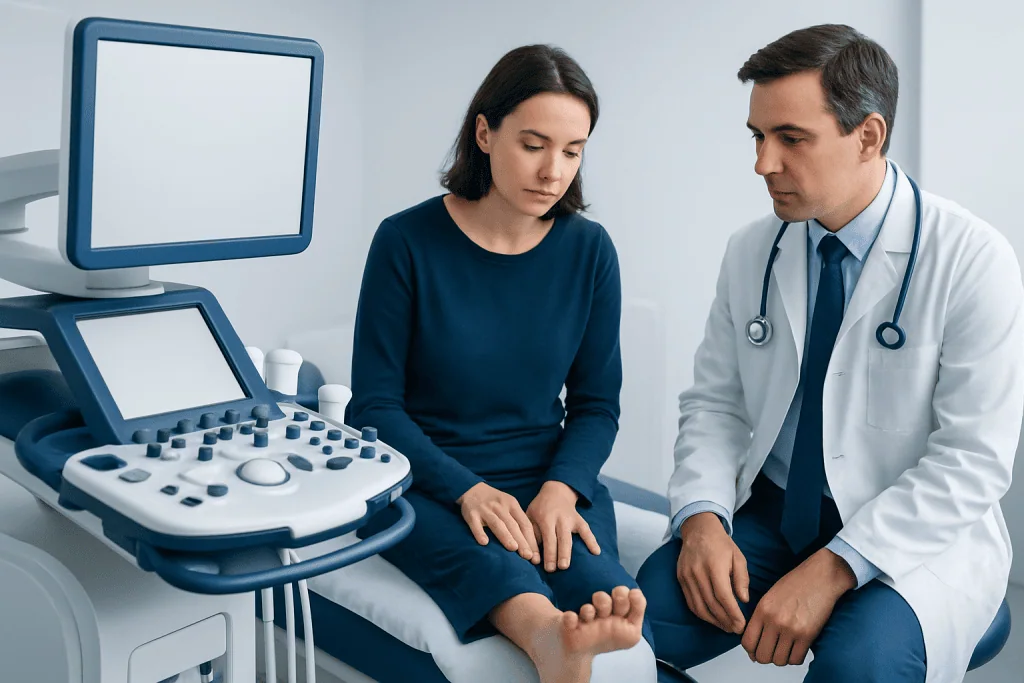
The symptoms of chilblains toes often begin several hours after cold exposure rather than immediately. A person may first notice itching or tingling, followed by small swollen patches on one or more toes. The skin can appear red, purple, or darkened depending on natural skin tone.
As the reaction develops, the toes may feel warm, tender, or sore even though the trigger was cold weather. Some people describe a stinging or burning discomfort, especially when walking, putting on shoes, or moving from cold outdoors to a heated room. The skin may also look shiny because of swelling.
In more noticeable cases, chilblains toes can cause:
- itching that becomes stronger with warmth
- pain or tenderness to touch
- mild swelling of the toes
- red, purple, or bluish patches
- dryness, cracking, or peeling
- small blisters or, less commonly, shallow ulcers
If symptoms are very painful, one-sided, associated with marked color change, or accompanied by numbness, doctors may also consider other causes such as Raynaud’s disease or reduced blood flow to the feet.
Why chilblains toes happen

Chilblains toes are thought to result from an exaggerated reaction of the small blood vessels in the skin. In cold weather, these vessels narrow to conserve body heat. When the skin is then rewarmed, the vessels may not adjust smoothly, which can lead to leakage of fluid into nearby tissues and a local inflammatory response.
Cold, damp environments are especially likely to trigger the condition. It can occur even when temperatures are above freezing, which is one reason many people are surprised by the diagnosis. Tight footwear, poor insulation, and spending long periods in unheated spaces may increase the chance of an episode.
The problem is not caused by poor hygiene, and it is not contagious. In many people it happens occasionally in winter and then disappears. In others, especially if attacks keep returning, doctors may look for factors that affect circulation, connective tissue, or skin health.
Risk factors and related conditions
Anyone can develop chilblains toes, but some people are more prone to them than others. A history of previous chilblains, naturally colder hands and feet, low body weight, and repeated cold exposure may all increase risk. People who spend long periods outdoors or in damp environments may notice symptoms more often during colder months.
Doctors also consider whether chilblains are primary, meaning they occur on their own, or secondary, meaning they are linked to another condition. Secondary chilblains may be associated with connective tissue diseases, lupus, blood vessel problems, or disorders that affect circulation. In some cases, a specialist may evaluate for lupus or other inflammatory illnesses when symptoms are unusual or persistent.
Other reasons a doctor may investigate further include chilblains that appear outside winter, repeated ulceration, significant swelling, or symptoms affecting several body areas. The aim is not to assume a serious problem, but to identify whether the skin reaction is part of a broader pattern that would benefit from targeted treatment.
How doctors diagnose chilblains toes
Diagnosis usually begins with a clinical assessment. A doctor will ask about symptoms, when they started, recent cold exposure, whether episodes return each winter, and whether there are signs of circulation or autoimmune disease. The appearance and location of the lesions, together with the history, are often enough to make the diagnosis.
The examination may include checking the skin, pulses in the feet, toe color, temperature, and any signs of infection or ulceration. If the symptoms are not typical, if only one foot is affected, or if the problem keeps recurring, further tests may be recommended. These can include blood tests to look for inflammation, autoimmune markers, or other conditions that can mimic or contribute to chilblains.
Sometimes doctors need to distinguish chilblains from other causes of discolored or painful toes, such as eczema, vasculitis, fungal infection, frostbite, or reduced circulation. If blood flow is a concern, assessment by specialists in vascular surgery may be helpful. If the skin findings are complex, a dermatology review and, rarely, a skin biopsy may be considered.
Treatment options and practical care
The main treatment for chilblains toes is to protect the feet from further cold exposure and allow the skin to recover. Gentle warming is preferred over direct heat. Sudden reheating with a hot water bottle, heater, or very hot bath can irritate the skin and may worsen discomfort. Soft warm socks, insulated footwear, and dry conditions are usually the first steps.
Doctors may also recommend topical skin care to soothe irritation and protect cracked skin. If there is significant inflammation, severe discomfort, or recurrent episodes, prescription treatments may be used. In selected patients, medicines that improve blood vessel relaxation can be considered, especially when circulation-related symptoms overlap with conditions such as Raynaud’s disease.
Good skin care matters while the toes heal. Helpful measures may include:
- keeping feet warm, but not overheated
- changing out of damp socks quickly
- using comfortable, non-tight shoes
- applying a gentle moisturizer to dry or cracked skin
- avoiding scratching, which can break the skin
- seeking medical advice if blisters, ulcers, or signs of infection appear
If an underlying condition is suspected, treatment is directed not only at the chilblains but also at the cause. In some situations, support from dermatology or rheumatology may be appropriate as part of a broader evaluation.
Prevention and self-care during cold weather
Prevention focuses on reducing repeated cold and damp exposure. Warm, dry socks and properly fitted shoes are central. Layering clothing, keeping the whole body warm, and avoiding long periods in cold rooms can also help because body temperature influences circulation in the feet.
It is generally better to rewarm feet gradually after coming in from the cold. Gentle movement, dry clothing, and a comfortably warm room are usually more skin-friendly than intense direct heat. People who are prone to chilblains may benefit from making winter foot care part of their routine rather than waiting until symptoms begin.
Lifestyle habits that support healthy circulation may also be useful. Not smoking, staying physically active within comfort, and managing medical conditions that affect blood vessels can all contribute to better foot health. If chilblains keep returning, a clinician can help decide whether preventive treatment is needed during colder months.
For international patients who need evaluation for recurrent or complex symptoms, Acibadem International’s multidisciplinary specialists in JCI-accredited hospitals diagnose and treat circulation, skin, and autoimmune conditions that may be related to chilblains toes.
When to seek medical care
Medical advice is sensible if chilblains toes are severe, unusually painful, or not improving after a couple of weeks of careful warming and skin protection. A doctor should also assess open sores, blistering, discharge, spreading redness, or fever, because these can suggest skin breakdown or infection.
Further assessment is also important when symptoms keep returning, appear outside cold weather, affect only one side, or are associated with numbness, pale or blue toes, or poor wound healing. These patterns may point to other conditions involving blood vessels, nerves, or the immune system rather than simple cold sensitivity.
Urgent care is appropriate if there is sudden severe pain, blackened skin, marked loss of sensation, or concern for a serious circulation problem. Prompt evaluation helps clarify the diagnosis and guide the safest treatment.
Frequently asked questions
Are chilblains toes the same as frostbite?
No. Chilblains toes are an inflammatory reaction to cold and rewarming, while frostbite is freezing injury to body tissues. Chilblains are usually milder, but a doctor should assess severe pain, numbness, or blackened skin.
How long do chilblains toes last?
Many cases improve within one to three weeks once the feet are kept warm and dry. Recovery may take longer if the skin is cracked, blistered, or repeatedly exposed to cold. If symptoms persist, medical review is a good idea.
Can chilblains toes go away on their own?
Yes, mild cases often settle with self-care and protection from cold. Gentle warming, dry socks, and avoiding scratching can support healing. Ongoing or recurrent episodes should still be discussed with a doctor.
Why do chilblains toes itch more when the feet warm up?
This is common because the skin reaction develops as blood vessels respond to rewarming after cold exposure. The inflammatory process can increase itching, tingling, and burning. Rewarming should be gradual rather than intense.
Do chilblains toes mean there is a circulation problem?
Not always. Many people get chilblains without a serious underlying condition, especially in cold, damp weather. However, repeated or unusual attacks can sometimes be linked to circulation or autoimmune disorders, so a doctor may recommend further checks.
What should be avoided with chilblains toes?
It is best to avoid direct high heat, tight shoes, damp socks, and scratching the skin. These can worsen irritation or lead to skin damage. If the skin breaks down, professional advice is important.
References
- American Academy of Dermatology
- National Health Service
- Mayo Clinic
- MedlinePlus
- British Association of Dermatologists
This article is for general information only and is not a substitute for professional medical advice. Please consult a qualified doctor about your individual situation.
Explore treatments in Turkey — costs, top hospitals & a free quote
JCI-accredited · board-certified surgeons · reply within 24h
Add us as a Preferred Source to see more of our trusted health content across Google Search, AI Overviews and Discover.

More from the Health Library



Related Specialists

Dr. Volkan Fürüzan
Emergency Service
Dr. Şule Albayrak
Dermatology
Dr. Muktedir Öreşe
Emergency Service
Assoc. Prof. Dr. Burak Elmas
Vitro Fertilization and Reproductive Medicine Center