Childhood Amnesia: An Evidence-Based Guide for Patients
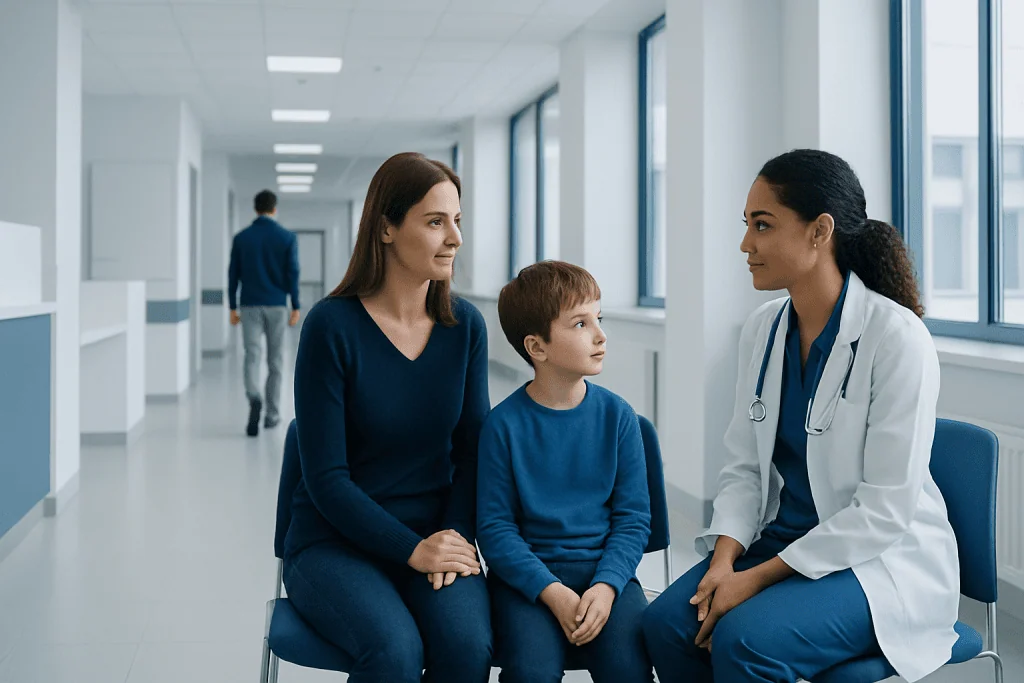
Most adults have few or no autobiographical memories from before about age 3 to 4 years. Early experiences can shape development even when they cannot later be consciously recalled.
Key Takeaways
- Most adults have few or no autobiographical memories from before about age 3 to 4 years.
- Early experiences can shape development even when they cannot later be consciously recalled.
- Brain maturation, language, sense of self, and how memories are organized all contribute to childhood amnesia.
- Childhood amnesia is different from sudden memory loss or a child losing skills they had already learned.
- New, worsening, or functionally disruptive memory problems should be assessed by a qualified clinician.
Childhood amnesia, also called infantile amnesia, describes the common inability to remember many events from the first few years of life. It is usually a normal feature of developing memory rather than a sign that something is wrong with a child or adult.
What Is Childhood Amnesia?
Childhood amnesia is the normal pattern in which people remember little or nothing about personal events from their earliest years. Most people’s first clear autobiographical memories—the memories of things that happened to them at a particular place and time—begin somewhere between ages 3 and 4, although the timing varies widely. A few people recall isolated fragments that seem earlier, such as a room, a feeling, or a family story that has been retold often.
This pattern does not mean that babies and young children have no memory. Even in infancy, children can learn routines, recognize familiar people, form emotional associations, and remember information for shorter periods. The key difference is that these early memories are usually not stored or later retrieved in the detailed, personal narrative form that adults use to remember life events.
Childhood amnesia is sometimes called infantile amnesia, though it can extend beyond infancy into the preschool years. It is considered a typical part of human development. It should not be confused with memory loss that appears suddenly, worsens over time, follows a head injury, or affects a child’s ability to learn and function day to day.
Why Early Childhood Memories Are Hard to Recall
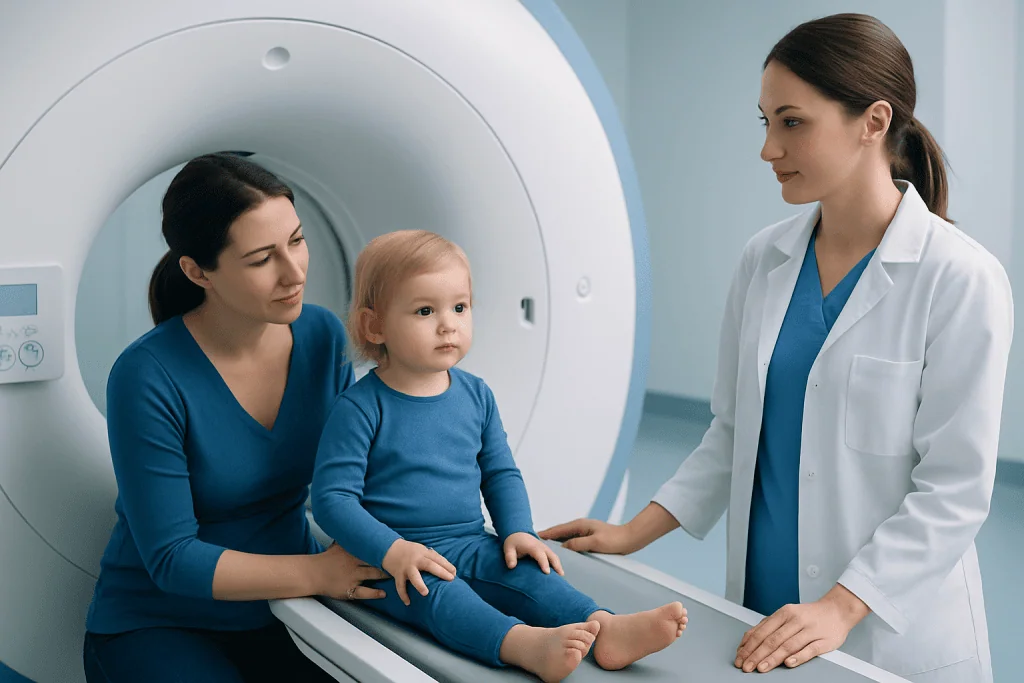
Researchers believe childhood amnesia has several causes rather than one single explanation. The brain regions and networks involved in forming, organizing, and retrieving autobiographical memories continue to develop throughout early childhood. The hippocampus, which is important for forming new episodic memories, and the frontal brain networks that help organize and retrieve them are still maturing during the first years of life.
Language also plays an important role. As children develop words for people, places, time, and emotions, they become better able to describe events and fit them into a personal story. Recalling a memory later often depends partly on the language and concepts available when it was formed. A pre-verbal experience may have been meaningful at the time but may be difficult to access later as a verbal, dateable memory.
A developing sense of self may contribute as well. Young children gradually learn to understand themselves as a continuous person who existed in the past and will exist in the future. This growing personal identity helps organize memories as “things that happened to me.” Cultural practices, family conversations, and how adults talk with children about past events can also influence how early and how vividly someone remembers.
Finally, early brain development involves rapid change. New learning, changing neural connections, and immature systems for long-term memory organization may make some early memories less stable or harder to retrieve later. This does not mean that early experiences disappear without influence; many can still shape emotional development, relationships, habits, and learning.
What Early Memories Can Look Like

People often describe their earliest memories as brief scenes rather than complete stories. They may remember a sensory detail, such as a smell, a color, a particular toy, a family home, or the feeling of being comforted. These recollections can be genuine, but it is often difficult to know exactly how old a person was when the event occurred or whether later photographs, family stories, and repeated discussion have filled in some details.
Memory is reconstructive. This means that recalling an event is not like playing back a recording; each recall can be influenced by current knowledge, emotion, suggestions, and information learned later. Family albums and stories can preserve valuable connections to the past, but they may also make an event feel personally remembered even when the original memory is incomplete.
It is common for siblings to remember family events differently, even when they were both present. Differences in age, attention, emotional meaning, language skills, and later conversations can all affect memory. Variation in the age of first memory is therefore expected and does not, by itself, indicate a neurological or psychological problem.
Trying forcefully to recover very early memories is not generally recommended. Leading or repeated questioning can unintentionally create inaccurate recollections. When childhood experiences are emotionally concerning, it is safer to discuss them with a qualified mental health professional who can use careful, evidence-informed approaches.
Does Childhood Amnesia Mean Early Experiences Do Not Matter?
No. The fact that a person cannot consciously describe an early event does not mean the event had no effect. Infants and young children learn from everyday interactions, including caregiving routines, play, comfort, safety, language exposure, and social relationships. These experiences support emotional regulation, attachment, communication, and later learning, even if the child will not remember specific moments as an adult.
Positive early experiences can provide a foundation for healthy development. Consistent care, responsive interaction, sleep, nutrition, play, and opportunities to explore safely all matter. Parents and caregivers do not need to create perfect or highly memorable experiences; ordinary, dependable relationships are important for children’s wellbeing.
Stressful early experiences can also affect children, especially when stress is severe, persistent, or occurs without adequate support. However, a lack of adult memories cannot confirm or rule out what happened in early childhood. Concerns about a child’s safety, development, behavior, or emotional wellbeing should be addressed based on present symptoms and circumstances rather than attempts to interpret missing early memories.
Children who have experienced difficult events may benefit from supportive caregiving and professional assessment when needed. Help can focus on current sleep, mood, behavior, relationships, school functioning, and coping skills, rather than requiring clear verbal recall of every past event.
When Memory Changes May Need Assessment
Typical childhood amnesia concerns memories from the distant early past. It does not usually cause a child to repeatedly forget recent conversations, lose previously learned skills, become disoriented, or struggle to recognize familiar people. Those concerns deserve medical attention because they may have many possible explanations, including sleep problems, stress, anxiety, depression, medication effects, seizures, head injury, developmental conditions, or other health concerns.
Memory can also be affected by attention. A child who is distracted, overwhelmed, tired, anxious, or not fully engaged may not encode information strongly in the first place. In these situations, the issue may look like forgetfulness even though the information was never fully registered. A clinician can help distinguish attention, learning, emotional, sleep-related, and neurological factors.
In adults, concern is more appropriate when memory difficulties are new, progressive, interfere with work or daily activities, or affect recent events rather than only the earliest years of life. A healthcare professional may ask about the timing of symptoms, sleep, stress, mood, medical history, medicines, substance use, and any history of injury or seizures.
Assessment may include a physical and neurological examination, developmental or cognitive screening, and sometimes input from a pediatrician, neurologist, psychologist, psychiatrist, or speech and language professional. Tests are selected according to the person’s symptoms and history; not everyone with memory concerns needs brain imaging or extensive testing.
Supporting Healthy Memory Development
Caregivers can support memory development through ordinary, warm interaction. Talking with a child about the day, naming emotions, reading together, and discussing shared experiences can help develop language and the ability to organize events into stories. Open-ended prompts such as “What was your favorite part of the park?” are often more helpful than repeated questioning for exact details.
Predictable routines also support learning. Regular sleep, age-appropriate physical activity, balanced nutrition, and a calm environment can help attention and memory. For school-aged children, breaking information into smaller steps, using visual reminders, allowing practice over time, and minimizing distractions may make learning more manageable.
It can be enjoyable to preserve family history through photographs, drawings, short notes, or a memory box. These items should be shared as conversation starters rather than treated as proof of what a child must remember. A child’s own account should be heard without pressure, correction, or suggestion.
For adults wondering why they cannot remember more of early life, reassurance is often all that is needed. It may be helpful to speak with relatives about family history, while recognizing that other people’s stories are not the same as one’s own direct memories. If missing memories are linked to distress, trauma concerns, or current emotional symptoms, a mental health professional can offer appropriate support.
When to Seek Medical Care
Medical advice is recommended if a child has a noticeable decline in memory, learning, speech, coordination, behavior, or other abilities they previously had. Parents or caregivers should also arrange an assessment when forgetfulness is persistent and affects school, relationships, safety, or everyday tasks. Keeping a brief record of examples, timing, sleep patterns, illness, and medications can help the clinician understand the concern.
Urgent medical evaluation is important after a significant head injury or when memory changes occur with confusion, loss of consciousness, seizures, severe headache, weakness, trouble speaking, unusual movements, fever with marked drowsiness, or sudden changes in behavior. These symptoms do not necessarily indicate a serious condition, but they should not be ignored.
For adults, it is appropriate to seek care for new memory problems, worsening forgetfulness, episodes of confusion, or difficulty managing daily activities. In contrast, simply having few memories from before preschool age is generally normal and does not require testing.
Acibadem International’s multidisciplinary specialists and JCI-accredited hospitals can assess memory and developmental concerns for international patients when clinical evaluation is needed. The appropriate starting point is usually a pediatrician or primary care clinician, who can guide referral based on the person’s symptoms.
Frequently asked questions
At what age do people usually start remembering childhood?
Many people’s earliest clear autobiographical memories begin around ages 3 to 4. Some people report fragments that seem earlier, while others remember little until later in childhood. There is broad normal variation.
Is childhood amnesia normal?
Yes. Having few memories from infancy and the toddler years is a common, expected human experience. It reflects how memory, language, identity, and the brain develop in early life.
Can a baby remember traumatic or happy experiences?
Babies can learn from and be affected by experiences, even if they cannot later describe them as a detailed personal memory. Supportive relationships and safe, responsive care remain important because early experiences can influence development in many ways.
Why do I remember a childhood event that happened before age 3?
An early recollection may be a genuine fragment, but its exact timing and details can be difficult to verify. Photographs, family stories, and later conversations can strengthen or reshape how an event is remembered. This is a normal feature of autobiographical memory.
Does childhood amnesia mean a person has repressed memories?
No. Childhood amnesia is a normal developmental phenomenon and is not evidence of repressed memories. If someone has distressing thoughts, trauma concerns, or current symptoms affecting wellbeing, they should discuss these with a qualified mental health professional.
When is forgetfulness in a child concerning?
It is worth seeking medical advice if forgetfulness is new, worsening, affects learning or safety, or occurs with lost skills, confusion, seizures, headaches, behavior changes, or a head injury. A clinician can evaluate whether attention, sleep, stress, learning, or a medical issue may be contributing.
References
- National Institute of Mental Health
- American Academy of Pediatrics
- American Psychological Association
- Society for Research in Child Development
- Mayo Clinic
This article is for general information only and is not a substitute for professional medical advice. Please consult a qualified doctor about your individual situation.
Explore treatments in Turkey — costs, top hospitals & a free quote
JCI-accredited · board-certified surgeons · reply within 24h
Add us as a Preferred Source to see more of our trusted health content across Google Search, AI Overviews and Discover.