Childhood Seizures: When Pediatric Neurology Evaluation Is Needed
A seizure is a temporary change in movement, awareness, behavior, or sensation caused by abnormal electrical activity in the brain. Not every shaking episode is a seizure, and not every seizure means a child has epilepsy.
Key Takeaways
- A seizure is a temporary change in movement, awareness, behavior, or sensation caused by abnormal electrical activity in the brain.
- Not every shaking episode is a seizure, and not every seizure means a child has epilepsy.
- Pediatric neurology evaluation is especially important after a first unexplained seizure, repeated events, prolonged seizures, or delayed recovery.
- Common triggers and causes include fever, infection, head injury, metabolic problems, and epilepsy syndromes.
- Diagnosis may involve a detailed history, physical examination, EEG, blood tests, and sometimes brain imaging.
- Prompt emergency care is needed if a seizure lasts more than 5 minutes, breathing is affected, or the child does not recover as expected.
Childhood seizures can be frightening, but many have identifiable causes and can be evaluated effectively. A pediatric neurology assessment helps clarify whether an event was a seizure, why it happened, and whether treatment or follow-up is needed.
Overview of Childhood Seizures
Childhood seizures are episodes caused by sudden, abnormal electrical activity in the brain. They may affect movement, awareness, speech, behavior, sensation, or any combination of these. Some seizures involve obvious body stiffening or jerking, while others are much subtler and may look like staring, lip smacking, confusion, or a brief loss of responsiveness.
Seizures are a symptom rather than a diagnosis on their own. A child may have a single seizure related to fever, low blood sugar, sleep deprivation, or another temporary trigger. Others may have recurrent unprovoked seizures, which can suggest epilepsy. Because the possible causes are broad, a careful evaluation helps determine what happened and what steps are needed next.
Parents and caregivers often worry that any unusual movement must be a seizure. In reality, fainting, breath-holding spells, reflux-related posturing, sleep movements, tics, migraine events, and some behavioral episodes can resemble seizures. Pediatric neurology assessment is valuable when events are unclear, repeated, or associated with concerning features.
Signs and Symptoms to Watch For
The appearance of a seizure depends on which part of the brain is involved. Some children suddenly become stiff, fall, and have rhythmic jerking of the arms and legs. Others pause mid-activity, stare, blink rapidly, make chewing movements, or seem briefly confused. A child may also report unusual sensations, such as a strange smell, tingling, fear, or visual changes before an event.
During a seizure, there may be loss of awareness, a change in skin color, drooling, eye deviation, or temporary inability to speak. Afterward, some children recover quickly, while others are sleepy, confused, weak, or complain of a headache. This recovery period, called the postictal phase, can offer important clues for diagnosis.
Symptoms that often prompt a pediatric neurology evaluation include:
- A first unprovoked seizure
- Repeated episodes of staring or unresponsiveness
- Convulsions lasting several minutes
- Seizures during sleep
- Events linked with developmental delay or regression
- Confusion, weakness, or prolonged sleepiness after an episode
- Uncertain events that keep happening despite reassurance
If possible, caregivers can note what happened before, during, and after the episode. A phone video, taken only when it is safe to do so, can be very helpful for the doctor.
Causes and Risk Factors

Childhood seizures have many possible causes. In infants and young children, fever is a common trigger, leading to febrile seizures. These are often brief and occur in the setting of a rapid rise in body temperature, usually during a viral illness. A febrile seizure is different from epilepsy, although some children with repeated or atypical febrile seizures may need closer evaluation.
Other possible causes include infections affecting the brain or body, head injury, lack of sleep, metabolic or electrolyte imbalance, low blood sugar, medication or toxin exposure, and structural differences in the brain. Some children have genetic seizure disorders or epilepsy syndromes that become apparent as they grow.
Risk factors that may increase the need for specialist assessment include a family history of seizures, developmental or learning concerns, prior neurologic problems, seizures without fever, focal symptoms affecting one side of the body, or events that happen more than once. Children with known neurological conditions, including cerebral palsy, may also have a higher seizure risk.
Even when a cause is not obvious, this does not mean the outlook is poor. Many children respond well to treatment or may never have another seizure. The goal of evaluation is to identify the cause when possible and guide safe follow-up.
When Pediatric Neurology Evaluation Is Needed
A pediatric neurology evaluation is usually recommended after a first unexplained seizure, recurrent events, seizures with focal features, or episodes followed by prolonged confusion or weakness. Specialist review is also important if the child is very young, has developmental concerns, has seizures during sleep, or has an abnormal examination.
Emergency care is needed right away if a seizure lasts more than 5 minutes, repeats without full recovery, occurs in water, follows a significant head injury, or is associated with trouble breathing, a blue or gray color change, serious infection symptoms, or persistent unconsciousness. These features can signal a medical emergency that needs immediate treatment.
Parents should also seek prompt medical advice when they are not sure what they witnessed. Brief staring spells, unusual movements, or sudden falls can be difficult to interpret, especially in younger children. A neurologist can help distinguish seizure activity from other conditions and decide whether testing such as an EEG is appropriate.
Near the end of the evaluation process, families may benefit from practical guidance on safety at home, school, sports, and sleep routines. Acibadem International’s multidisciplinary specialists in JCI-accredited hospitals diagnose and treat childhood seizure disorders for international patients when advanced pediatric assessment is needed.
How Childhood Seizures Are Diagnosed
Diagnosis begins with a detailed history. The doctor will ask what the child was doing before the event, how the episode started, whether there was fever or illness, what movements or behaviors were seen, how long the episode lasted, and how the child acted afterward. Family history, birth history, development, sleep patterns, and current medications also matter.
A physical and neurological examination follows. Depending on the situation, the child may need blood tests to look for glucose problems, infection, or metabolic imbalance. Doctors may also evaluate for conditions that can mimic seizures, such as fainting or certain sleep disorders.
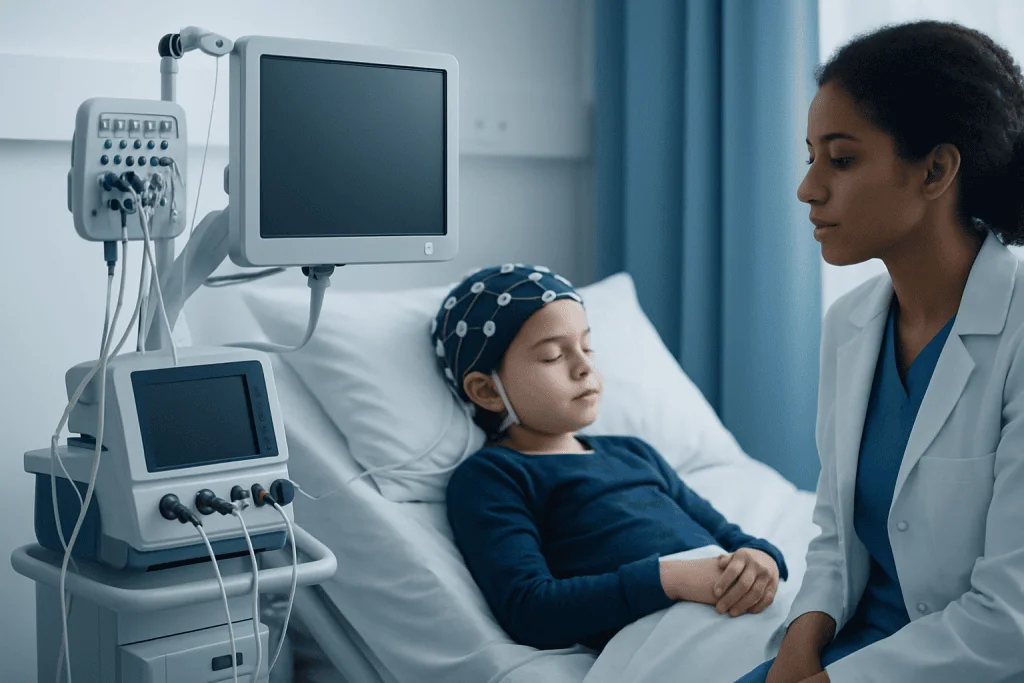
An electroencephalogram, or EEG, records the brain’s electrical activity and can help identify patterns linked with seizures or epilepsy. In some cases, a child may need EEG testing during wakefulness, sleep, or longer-term monitoring. If a structural cause is suspected, the doctor may recommend brain MRI to look more closely at the brain.
Not every child needs every test. The choice depends on age, symptoms, exam findings, and whether the event appears provoked or unprovoked. When the diagnosis remains uncertain, referral for pediatric neurology evaluation can help bring the full picture together.
Treatment Options and Long-Term Management
Treatment depends on the cause. If a seizure was triggered by fever, low blood sugar, or another reversible problem, care focuses on treating that trigger and preventing complications. If a child is diagnosed with epilepsy, treatment may involve anti-seizure medication chosen according to seizure type, age, and overall health.
Some children need medicine only for a period of time, while others require longer follow-up. Doctors consider how often seizures happen, how severe they are, and whether testing shows a higher risk of recurrence. Families are also taught what to do during a seizure, when rescue treatment may be needed, and how to support regular medication use if it is prescribed.
For children whose seizures are difficult to control, a neurologist may discuss additional options such as dietary therapy, further imaging, prolonged EEG monitoring, or evaluation by specialists in epilepsy care. Treatment plans are individualized and often involve cooperation between pediatricians, neurologists, nurses, and school staff.
Many children with seizure disorders live active lives and participate in school, play, and social activities. The aim of management is not only seizure control, but also protection of development, learning, sleep, and emotional well-being.
Prevention, Safety, and Self-Care for Families
Not all seizures can be prevented, but some steps may reduce risk or improve safety. Good sleep habits, regular meals, hydration, and prompt treatment of illness can be helpful, especially in children whose seizures seem linked to sleep loss or fever. Medicines should be taken exactly as prescribed, and families should not stop anti-seizure drugs without medical advice.
Caregivers can prepare a simple seizure action plan for home and school. This plan may include typical seizure signs, emergency contacts, current medicines, and when to call emergency services. Teachers, relatives, and babysitters should know basic first aid and understand what the child’s usual events look like.
Helpful seizure first-aid steps include:
- Place the child on their side if possible
- Move nearby objects away to prevent injury
- Do not put anything in the child’s mouth
- Do not try to hold down jerking movements
- Time the seizure
- Stay with the child until they are fully awake or help arrives
Water safety deserves special attention. Children with seizures should be supervised closely around baths and swimming pools. As they grow older, the care team can advise on sports, screen exposure, sleepovers, and other daily activities in a way that balances safety with independence.
When to See a Doctor
A doctor should evaluate any first seizure, even if the child seems back to normal afterward. Medical review is also important for repeated febrile seizures, new staring spells, sudden falls, nighttime events, or episodes followed by prolonged sleepiness or confusion. Parents should trust their instincts if something about the event feels unusual.
Urgent medical attention is needed if a seizure lasts more than 5 minutes, if one seizure follows another, if the child is injured, if breathing is difficult, or if recovery is delayed. Babies, children with underlying medical conditions, and children who are not acting normally after the event should also be assessed promptly.
It is helpful to bring notes or a video of the event, if available, along with a list of medicines, recent illnesses, and any family history of seizures. Clear information can speed diagnosis and help the doctor decide whether observation, testing, or specialist referral is the best next step.
Frequently asked questions
Does one seizure mean a child has epilepsy?
No. A single seizure can happen because of fever, illness, low blood sugar, head injury, or another temporary trigger. Epilepsy is usually considered when seizures are recurrent and unprovoked, or when testing suggests a strong tendency to have more seizures.
What should caregivers do during a seizure?
They should stay calm, place the child on a safe surface, and turn the child onto their side if possible. Nothing should be put in the mouth, and the child should not be restrained. The seizure should be timed, and emergency help should be called if it lasts more than 5 minutes or breathing is affected.
Are febrile seizures dangerous?
Most febrile seizures are brief and do not cause long-term harm. Even so, a child should be medically assessed, especially if the seizure is prolonged, happens more than once in 24 hours, or has unusual features such as affecting only one side of the body.
What tests might a child need after a seizure?
The doctor may recommend blood tests, an EEG, or brain imaging, depending on the child’s age, symptoms, and examination findings. Some children need only observation and follow-up, while others benefit from more detailed neurologic evaluation.
Can staring spells be seizures?
Yes, some seizures appear mainly as brief staring with loss of awareness. However, daydreaming, attention lapses, sleep problems, and other conditions can look similar, so repeated events should be discussed with a doctor.
Can children with seizures still attend school and play sports?
In many cases, yes. Most children can continue school and many normal activities with an individualized safety plan. The doctor may suggest precautions for swimming, climbing, cycling, contact sports, or activities where a sudden loss of awareness could be risky.
References
- World Health Organization
- Centers for Disease Control and Prevention
- National Institute of Neurological Disorders and Stroke
- American Academy of Pediatrics
- International League Against Epilepsy
This article is for general information only and is not a substitute for professional medical advice. Please consult a qualified doctor about your individual situation.
Pediatric Neurology in Turkey — costs, top hospitals & a free quote
JCI-accredited · board-certified surgeons · reply within 24h
Add us as a Preferred Source to see more of our trusted health content across Google Search, AI Overviews and Discover.

Pediatrics
Complete healthcare for infants, children and adolescents across all sub-specialties.
232 specialists in this unit