Chlamidiya Test: What Patients Need to Know

A chlamidiya test usually uses a urine sample or a swab from the vagina, cervix, throat, rectum, or urethra. Nucleic acid amplification tests, or NAATs, are the preferred tests because they are highly accurate.
Key Takeaways
- A chlamidiya test usually uses a urine sample or a swab from the vagina, cervix, throat, rectum, or urethra.
- Nucleic acid amplification tests, or NAATs, are the preferred tests because they are highly accurate.
- Many people with chlamydia have no symptoms, so screening can be important after unprotected sexual contact or with new or multiple partners.
- A positive result is treatable with prescribed antibiotics, and recent sexual partners may also need testing and treatment.
- Testing too soon after exposure or too soon after treatment can affect interpretation, so timing should be discussed with a clinician.
A chlamidiya test, more commonly called a chlamydia test, looks for infection with the bacterium Chlamydia trachomatis. It is usually a simple urine test or swab test, and testing is important because chlamydia often causes no noticeable symptoms but can still be treated and passed to partners.
What Is a Chlamidiya Test?
A chlamidiya test is a test for chlamydia, a common sexually transmitted infection (STI) caused by the bacterium Chlamydia trachomatis. In medical use, the infection is usually spelled “chlamydia,” but people may search for it as “chlamidiya.” The test detects the genetic material of the bacteria in a sample collected from urine or from a body site that may have been exposed during sexual contact.
Testing is useful because chlamydia frequently has no symptoms. A person can feel well while carrying the infection and unknowingly pass it on to a sexual partner. Identifying infection early allows treatment with antibiotics and helps reduce the risk of complications and further transmission.
Chlamydia testing may be offered as part of a routine sexual health check, after a new sexual partner, after sex without a barrier method, when symptoms are present, or when a partner has received an STI diagnosis. A clinician can advise which body sites should be tested based on the person’s sexual history and symptoms.
Who May Benefit From Testing?
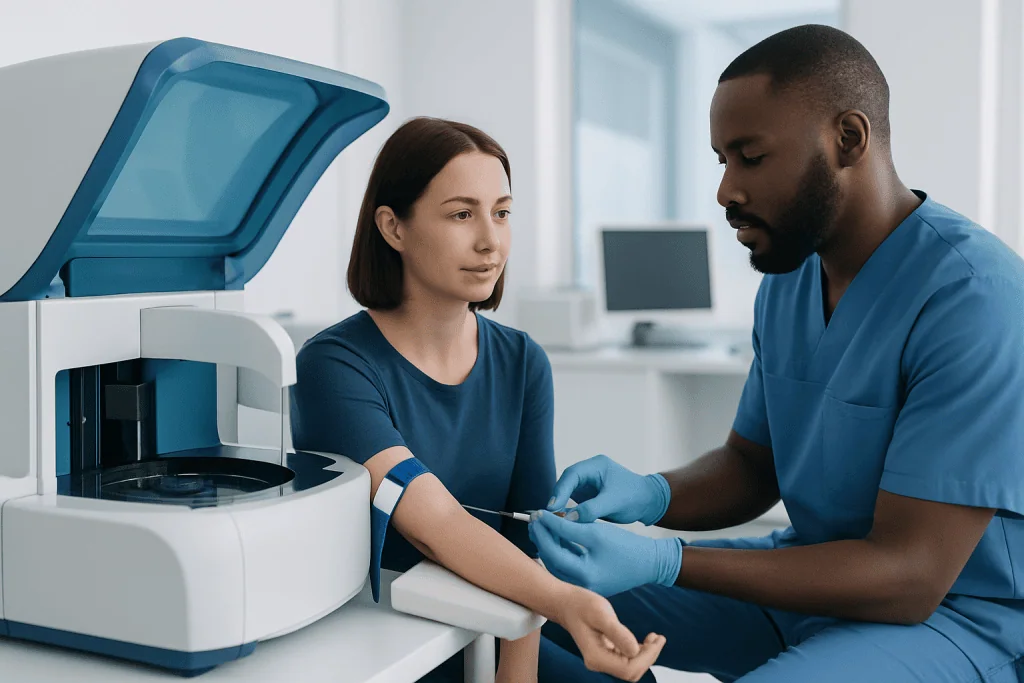
Anyone who has had vaginal, anal, or oral sexual contact may benefit from discussing STI testing with a healthcare professional. Chlamydia can affect people of all genders and may infect the genital area, rectum, throat, or, less commonly, the eyes. A test should be considered even when there are no symptoms if there has been a possible exposure.
Routine screening is commonly recommended for sexually active people at higher likelihood of infection, including sexually active women younger than 25 years and older women with risk factors such as new or multiple partners. Screening may also be recommended for men who have sex with men, transgender people based on anatomy and sexual practices, and people living with HIV. Local screening recommendations can vary.
Pregnant people are commonly offered chlamydia screening early in pregnancy, with repeat testing in some circumstances. Detecting and treating infection during pregnancy helps protect the health of the pregnant person and may lower the chance of infection being passed to the baby during childbirth.
- Testing is advisable after a partner reports chlamydia or another STI.
- It may be appropriate after sexual assault, with supportive and trauma-informed care.
- People treated for chlamydia are often advised to have repeat testing later to check for reinfection.
Symptoms That Can Prompt a Chlamydia Test
Chlamydia often produces no symptoms. When symptoms occur, they can be mild and may be mistaken for another condition, such as a urinary tract infection or vaginal irritation. Testing, rather than symptoms alone, is needed to confirm or rule out chlamydia.
Possible genital symptoms include unusual vaginal discharge, bleeding between periods or after sex, burning when urinating, penile discharge, or pain and swelling in one or both testicles. Pelvic or lower abdominal pain can occur and should be assessed promptly, particularly if it is severe or accompanied by fever.
Rectal chlamydia may cause rectal pain, discharge, bleeding, or discomfort, but it is often symptom-free. Throat infection after oral sex usually causes no symptoms, although some people may have a sore throat. Because an infection can be present at one site and not another, it is important to tell the clinician about the types of sexual contact involved.
How the Test Is Performed and How to Prepare
The preferred chlamydia test in most settings is a nucleic acid amplification test, known as a NAAT. It looks for very small amounts of chlamydia genetic material. The sample may be collected in a clinic, laboratory, or approved home-testing program, depending on local services and the person’s needs.
For many people, a first-catch urine sample is used. “First-catch” means collecting the first part of the urine stream rather than a midstream sample. Some clinics may advise not urinating for a period before providing the sample; the testing service will give specific instructions. Vaginal swabs, including self-collected swabs in appropriate settings, are also highly effective and may be preferred for some patients.
Swabs may be taken from the cervix, vagina, urethra, rectum, or throat according to exposure and symptoms. The collection is usually brief and may cause temporary discomfort but should not be painful. A pelvic examination is not always needed for vaginal swab testing, although it may be recommended when symptoms need further assessment.
People should tell the clinician about recent antibiotic use, pregnancy, symptoms, and the timing and type of possible exposure. Chlamydia testing is often offered alongside tests for gonorrhea, HIV, syphilis, and other infections because more than one STI can occur at the same time.
Understanding Chlamydia Test Results
A negative result means chlamydia was not detected in the sample tested. It is reassuring, but it does not necessarily exclude infection at a different body site that was not sampled. It can also be less reliable if the test was done very soon after exposure, before there was enough bacterial material to detect.
A positive result means chlamydia was detected and treatment is needed. A clinician will discuss an appropriate antibiotic regimen, allergies, pregnancy status, other medicines, and whether testing for other STIs is indicated. Chlamydia is treatable, and completing the prescribed treatment exactly as directed is important.
Recent sexual partners should be informed so they can arrange testing and treatment. This is a practical health step, not a judgment. To reduce the likelihood of passing infection back and forth, patients are generally advised to avoid sexual contact until they and their partner or partners have completed treatment and followed their clinician’s guidance.
After treatment, a clinician may recommend repeat testing because reinfection is common. Testing immediately after treatment is not usually used to confirm cure in most non-pregnant adults, since residual genetic material can sometimes remain detectable for a period. In pregnancy or where treatment failure is a concern, the clinician may advise a specific follow-up plan.
Why Early Testing and Treatment Matter
Without treatment, chlamydia can sometimes lead to complications, although not everyone develops them. In people with a uterus, infection may spread to the upper reproductive tract and contribute to pelvic inflammatory disease. This can be associated with chronic pelvic pain, difficulty becoming pregnant, and ectopic pregnancy, which requires urgent medical care.
In people with a penis, untreated chlamydia can occasionally cause epididymitis, an inflammation near the testicle that may result in pain and swelling. Chlamydia can also increase the likelihood of acquiring or transmitting HIV if exposure occurs. These potential concerns are reasons to seek testing and treatment, rather than reasons for alarm.
Prevention includes using condoms or other barrier methods correctly and consistently for vaginal, anal, and oral sex, discussing STI testing with partners, and having regular screening when recommended. Condoms reduce risk substantially, although they do not cover every area of possible skin or mucosal contact. Vaccines do not currently prevent chlamydia.
Acibadem International’s multidisciplinary specialists and JCI-accredited hospitals can support international patients who need confidential assessment, STI testing, and treatment planning.
When to Seek Medical Care
Medical care should be sought promptly after a known or suspected exposure to chlamydia, especially if a sexual partner has tested positive. A clinician can advise when to test, whether to test multiple body sites, and whether other STI tests are appropriate. Testing can be arranged even if there are no symptoms.
Urgent assessment is important for severe lower abdominal or pelvic pain, fever with pelvic symptoms, significant testicular pain or swelling, vomiting with pelvic pain, fainting, or possible pregnancy with pain or bleeding. These symptoms can have several causes, some of which need timely treatment.
People should also speak with a healthcare professional if symptoms continue after treatment, if medication causes concerning side effects, or if there is concern about a new exposure. Sexual health services aim to provide confidential, respectful care and can help patients notify partners safely and appropriately.
Frequently asked questions
How long after exposure can a chlamidiya test detect infection?
The best timing depends on the type of test, the exposure, and local clinical guidance. Testing very soon after exposure may not detect an early infection, so a clinician may recommend testing now and repeating it later if needed. A person with symptoms or a partner diagnosed with chlamydia should seek advice promptly rather than waiting.
Is a urine sample enough for a chlamydia test?
A urine sample is commonly used and can accurately identify genital chlamydia in many people. However, it does not test the throat or rectum. Swabs from these sites may be needed after oral or anal sexual contact, especially if there are symptoms or a relevant exposure.
Can chlamydia be present without symptoms?
Yes. Many people with chlamydia have no symptoms at all, which is why screening and testing after possible exposure are valuable. Even without symptoms, the infection can be passed to partners and may sometimes cause complications if untreated.
What happens if a chlamydia test is positive?
A clinician will prescribe an appropriate antibiotic treatment and may recommend testing for other STIs. Recent sexual partners should be notified so they can be tested and treated. Patients should follow advice about avoiding sex until treatment has been completed and partners have been managed.
Can a chlamydia test be falsely negative?
A negative test can occur if testing is done too early after exposure, if the wrong body site is sampled, or if the sample is not collected correctly. Modern NAAT testing is highly accurate when used appropriately. If concern remains after a negative result, a clinician may recommend repeat or site-specific testing.
Do people need another test after chlamydia treatment?
Many patients are advised to have repeat testing about three months after treatment because reinfection can occur. A test to confirm that treatment worked is not routinely needed for every non-pregnant adult, but it may be recommended during pregnancy or in other specific circumstances. The treating clinician can provide an individualized follow-up plan.
References
- Centers for Disease Control and Prevention
- World Health Organization
- National Health Service
- American Sexual Health Association
This article is for general information only and is not a substitute for professional medical advice. Please consult a qualified doctor about your individual situation.
Explore treatments in Turkey — costs, top hospitals & a free quote
JCI-accredited · board-certified surgeons · reply within 24h
Add us as a Preferred Source to see more of our trusted health content across Google Search, AI Overviews and Discover.

More from the Health Library



Related Specialists

Dr. Sema Çetin
Physical Medicine & Rehabilitation
Dr. Ahmet Bülent Demirbağ
Otorhinolaryngology
Prof. Dr. Hatem Hakan Selçuk
Radiology
Dr. Hüsnü Mert Arinalp
Anesthesiology