

Choosing an Orthopedic Doctor: When a Second Opinion Is Worth It

An orthopedic doctor should evaluate the cause of pain, stiffness, injury, or movement problems and explain the options clearly. A second opinion is reasonable when surgery is recommended, the diagnosis is uncertain, or the patient feels unsure about the plan.
Key Takeaways
- An orthopedic doctor should evaluate the cause of pain, stiffness, injury, or movement problems and explain the options clearly.
- A second opinion is reasonable when surgery is recommended, the diagnosis is uncertain, or the patient feels unsure about the plan.
- Good orthopedic care includes a careful history, physical examination, and only the tests that are truly needed.
- Non-surgical care is often considered first, depending on the condition, severity, and daily function.
- Patients may benefit from asking about expected recovery, alternatives, risks, and how the plan fits their activity goals.
Choosing an orthopedic doctor is often about finding a specialist who explains the diagnosis clearly, matches the treatment plan to the patient’s goals, and communicates well. A second opinion can be helpful when surgery is suggested, symptoms are unclear, or recovery is not progressing as expected.
Overview
Choosing an orthopedic doctor matters because musculoskeletal conditions can affect walking, work, sleep, exercise, and independence. Orthopedic specialists diagnose and treat problems involving bones, joints, muscles, tendons, ligaments, and the spine.
Patients often seek orthopedic care for pain, injury, swelling, stiffness, limited movement, or concerns about long-term wear and tear. In many cases, treatment begins with conservative options such as activity modification, physical therapy, pain-relief measures, or bracing. When surgery is being considered, or when symptoms do not match the original explanation, a second opinion may help clarify the next step.
The goal is not to “shop for the answer” but to make an informed decision with a specialist who listens carefully and explains the reasoning behind recommendations. If a patient wants another perspective, that request is a normal part of good medical care.
Symptoms and Situations That Lead Patients to Orthopedic Care
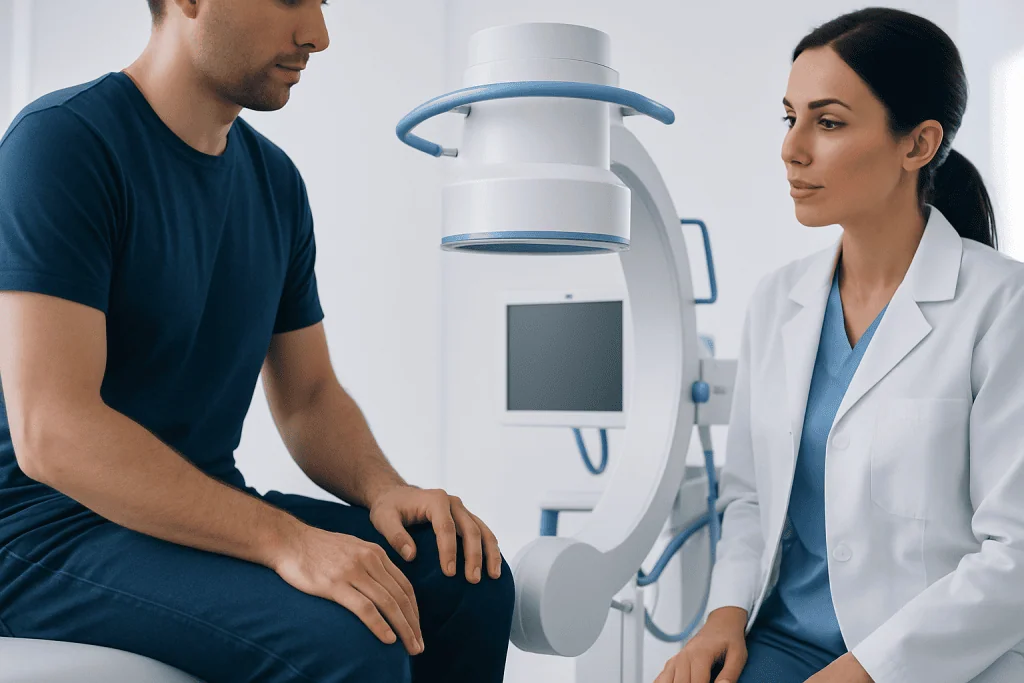
People usually see an orthopedic doctor because of persistent pain, a sports injury, a fracture, arthritis-related stiffness, back or neck discomfort, or difficulty with everyday movements such as climbing stairs, gripping objects, or bending. Some patients notice deformity, instability, clicking, locking, numbness, or weakness, while others simply feel that recovery is taking longer than expected.
Symptoms can appear suddenly after an injury or develop gradually over months or years. The pattern often helps the doctor understand whether the problem is related to joints, cartilage, tendons, ligaments, nerves, or the spine.
A second opinion becomes especially useful when the diagnosis does not seem to fit the symptoms, when multiple body areas are involved, or when the recommended treatment feels more aggressive than expected. It can also help when a patient has already tried treatment but still has pain or limited function.
Causes and Risk Factors

Orthopedic problems may arise from trauma, overuse, aging, poor posture, repetitive motion, sports activity, infection, inflammation, or underlying conditions such as arthritis. Some problems are congenital or related to alignment, and others develop because a joint, tendon, or disc gradually wears down over time.
Risk factors depend on the condition, but common ones include previous injury, high-impact activity, physically demanding work, excess body weight, muscle weakness, reduced flexibility, and certain medical conditions that affect bones or joints. Smoking can also affect healing after injury or surgery.
Choosing an orthopedic doctor is easier when the patient understands the likely cause of the problem and what type of specialist is best suited to it. For example, some concerns are better managed by a general orthopedic surgeon, while others may call for a specialist in spine, sports medicine, joint replacement, hand surgery, or trauma care.
How Orthopedic Diagnosis Is Made
A careful orthopedic evaluation usually begins with a detailed history. The doctor may ask when symptoms started, what makes them better or worse, whether there was an injury, and how the problem affects daily life. A physical examination then helps assess range of motion, strength, tenderness, swelling, nerve function, and stability.
Imaging may be ordered if needed, such as X-rays, MRI, CT, ultrasound, or bone scans, depending on the suspected condition. Not every symptom needs advanced imaging right away, and a thoughtful doctor will explain why a test is or is not useful. In some situations, blood tests or referrals to other specialists may also be part of the workup.
When seeking a second opinion, it is helpful to bring previous reports, images, medication lists, and a written summary of what treatments have already been tried. This makes the review more efficient and helps the second doctor compare options without repeating unnecessary tests.
Treatment Options and How to Evaluate Them
Orthopedic treatment may be non-surgical or surgical, depending on the diagnosis, symptoms, and impact on function. Common non-surgical options include activity modification, physical therapy, exercise guidance, weight management, braces or splints, injections in selected cases, and medicines for pain or inflammation when appropriate.
Surgery is considered when symptoms remain severe, function is limited, a fracture is unstable, nerve compression is concerning, or joint damage is advanced. A second opinion is often worth considering before major surgery, especially if the patient wants confirmation that less invasive options have been tried or if the expected benefits and recovery time are unclear. Patients may find it useful to ask how urgent the problem is and whether a short period of monitoring is reasonable.
When discussing treatment, patients should ask about the expected outcome, the recovery timeline, and what would happen if treatment is delayed. If the condition involves the spine or a major joint, it can be especially helpful to review options with a multidisciplinary team; in some settings, services such as orthopedic surgery and physical therapy are coordinated to support a more complete plan. For advanced joint problems, patients may also discuss whether joint replacement or other procedures are appropriate, depending on age, health, and activity goals.
How to Choose the Right Orthopedic Doctor
A good orthopedic doctor combines medical expertise with clear communication. Patients should look for someone who explains the diagnosis in understandable language, reviews both benefits and risks of treatment, and respects the patient’s concerns and lifestyle goals.
It may also help to consider the doctor’s subspecialty. A sports injury, hand problem, pediatric concern, or spine condition may be best reviewed by a specialist with focused experience in that area. If surgery is being considered, asking how often the doctor performs the procedure and what rehabilitation usually looks like can help set realistic expectations.
Other practical factors include access to follow-up care, coordination with imaging and rehabilitation, and whether the clinic can review previous records efficiently. For international patients, Acibadem International’s multidisciplinary specialists and JCI-accredited hospitals provide diagnosis and treatment for orthopedic conditions in a coordinated setting.
Prevention and Self-care
Not every orthopedic problem can be prevented, but many symptoms can be reduced with steady self-care. Regular movement, strengthening exercises, good posture, balanced training, and proper technique in sports or work activities may help protect joints and soft tissues.
During recovery, following the treatment plan consistently is important. This may include using assistive devices correctly, attending physical therapy, pacing activity, resting irritated areas, and returning to exercise gradually rather than all at once. Patients should avoid self-diagnosing severe pain or repeatedly pushing through worsening symptoms.
Simple habits such as maintaining a healthy body weight, wearing supportive footwear, and taking breaks from repetitive tasks can also reduce strain. If pain persists or the same injury keeps coming back, a reassessment is often more useful than simply trying to tolerate it.
When to See a Doctor or Get a Second Opinion
Patients should seek medical evaluation when pain lasts longer than expected, function is limited, or an injury is not improving as anticipated. New swelling, deformity, repeated falls, weakness, numbness, or joint locking also deserve prompt assessment.
A second opinion is especially reasonable when surgery is recommended, the diagnosis is uncertain, the treatment plan is complex, or the patient feels the explanation does not fully match the symptoms. It is also appropriate when a patient wants reassurance that all reasonable options have been considered.
In general, a second opinion is not a sign of distrust. It is a practical way to confirm the diagnosis, compare treatment paths, and choose care with confidence. Patients do best when they work with a doctor who welcomes questions and supports shared decision-making.
Frequently asked questions
When is a second opinion most useful in orthopedics?
A second opinion is often useful when surgery is being recommended, the diagnosis is unclear, or symptoms are not improving as expected. It can also help when the proposed treatment seems more aggressive than the patient anticipated. The goal is to confirm the plan and understand the alternatives.
What should a patient bring to a second orthopedic appointment?
It helps to bring prior imaging reports, scan discs if available, clinic notes, a medication list, and any therapy records. A short timeline of symptoms, injuries, and treatments tried so far is also useful. This gives the second doctor a clear picture without repeating unnecessary steps.
How does a patient know if an orthopedic doctor is a good fit?
A good fit usually means the doctor listens well, explains the diagnosis clearly, and answers questions without rushing. The patient should feel that the doctor understands their goals, such as returning to work, sports, or daily comfort. Trust and communication matter as much as technical skill.
Is surgery always the next step in orthopedic care?
No. Many orthopedic problems are treated first with non-surgical approaches such as physical therapy, activity changes, bracing, or other conservative care. Surgery is usually considered when symptoms remain severe, function is limited, or the structure of the joint, bone, or spine suggests that a procedure may help.
Can a second opinion delay treatment?
A second opinion may add a short delay, but it can also prevent unnecessary treatment or confirm that care should move ahead. When the condition is urgent, such as a serious fracture or nerve problem, patients should seek timely care rather than waiting. A doctor can help determine how quickly another evaluation is needed.
Should patients ask about recovery before choosing a treatment plan?
Yes. Recovery time, activity limits, physical therapy needs, and return-to-work expectations are important parts of the decision. Understanding these details helps patients choose a plan that fits their health needs and daily life.
References
- American Academy of Orthopaedic Surgeons
- Mayo Clinic
- National Institute of Arthritis and Musculoskeletal and Skin Diseases
- World Health Organization
This article is for general information only and is not a substitute for professional medical advice. Please consult a qualified doctor about your individual situation.
Joint and spine care in Turkey — expert assessment & treatment
JCI-accredited · board-certified surgeons · reply within 24h
Add us as a Preferred Source to see more of our trusted health content across Google Search, AI Overviews and Discover.

More from the Health Library



Related Specialists

Prof. Dr. Yüksel Ersoy
Physical Medicine & Rehabilitation
Prof. Dr. Sarper Karaküçük
Ophthalmology
Prof. Dr. Mustafa Karahan
Orthopedic Surgery & Traumatology
Prof. Dr. Ersin Erek
Cardiovascular Surgery