Choosing the Right Cancer Hospital: Questions to Ask Before Treatment

A suitable cancer hospital should match the patient’s cancer type, stage, and treatment needs. Experience, multidisciplinary care, and access to appropriate diagnostics and treatments are important factors to compare.
Key Takeaways
- A suitable cancer hospital should match the patient’s cancer type, stage, and treatment needs.
- Experience, multidisciplinary care, and access to appropriate diagnostics and treatments are important factors to compare.
- Patients should ask about practical support, communication, second opinions, and follow-up planning before starting treatment.
- Accreditation, infection control, and patient safety processes help show how a hospital delivers quality care.
- The best choice is often the hospital where the patient feels informed, respected, and supported throughout treatment.
Choosing a cancer hospital is an important step that can shape diagnosis, treatment, recovery, and overall support. Asking clear questions about expertise, services, safety, and communication can help patients and families make informed, confident decisions.
Overview: why the choice of cancer hospital matters
Choosing the right cancer hospital is about more than location or convenience. Cancer care often involves several steps, including diagnosis, staging, treatment planning, treatment itself, side effect management, rehabilitation, and long-term follow-up. A hospital that can coordinate these steps well may help patients feel more informed and supported throughout the process.
Different hospitals may vary in their experience with specific cancers, the treatments they provide, the specialists available, and the support services offered. Some centers focus on common cancers, while others are better equipped for rare, complex, or advanced cases. Asking thoughtful questions early can help patients understand whether a hospital is a good fit for their medical needs and personal priorities.
For many people, the decision can feel overwhelming. It may help to make a written list of questions, bring a family member or friend to appointments, and request copies of test results and reports. A careful comparison of hospitals can support clearer decisions and reduce uncertainty before treatment begins.
Questions about expertise and experience
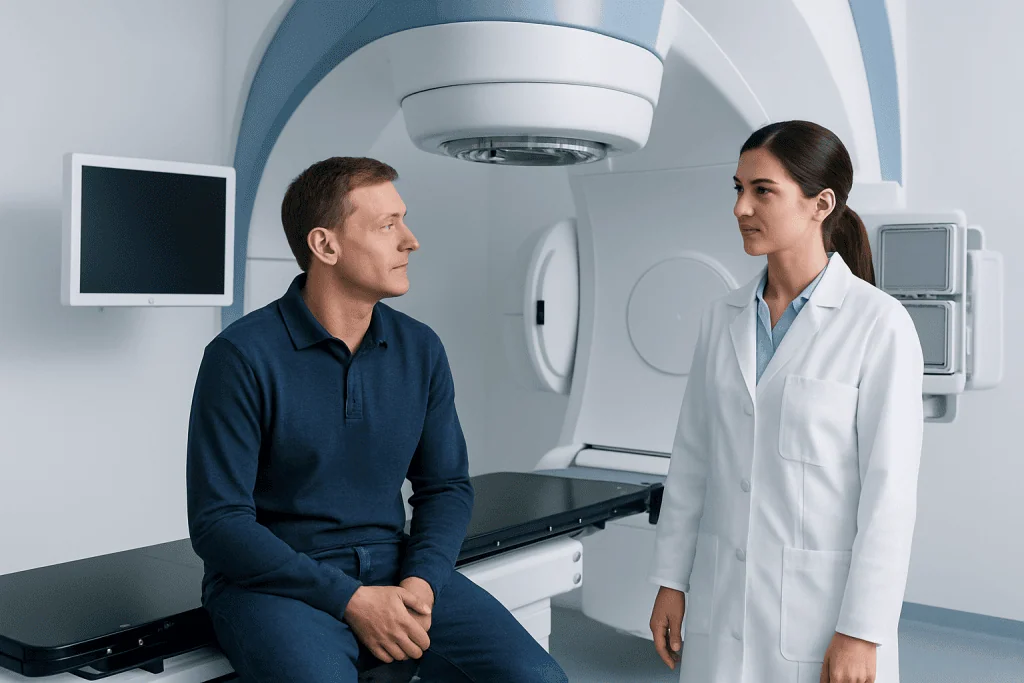
One of the most important questions to ask is whether the hospital regularly treats the patient’s specific type of cancer. Cancer is not one disease, and treatment can differ widely depending on the tumor type, stage, molecular features, and the patient’s general health. A hospital with strong experience in that particular cancer may be more familiar with current treatment pathways, supportive care needs, and possible complications.
Patients can ask whether there are doctors who specialize in their cancer, such as medical oncologists, surgical oncologists, radiation oncologists, hematologists, pathologists, or interventional radiologists. It is also reasonable to ask how often the team treats similar cases and whether they manage both standard and more complex situations. This can be especially important for people with rare cancers or cancers that may require highly specialized surgery.
Helpful questions may include:
- Does the hospital have a team experienced in this exact cancer type?
- Are treatment decisions reviewed by a multidisciplinary tumor board?
- Are specialists available for surgery, chemotherapy, radiation therapy, pathology, imaging, pain care, and rehabilitation if needed?
- Does the hospital offer care for both newly diagnosed and recurrent cancer?
If a patient has a complex diagnosis, it may also be helpful to ask whether the hospital can arrange consultation with other specialties. For example, cancer care sometimes overlaps with genetics, fertility preservation, nutrition, cardiology, palliative care, or reconstructive surgery.
Questions about diagnosis, staging, and treatment options

Before treatment starts, the diagnosis should be as accurate and complete as possible. Patients can ask whether the hospital reviews pathology slides, repeats imaging when needed, and performs advanced testing such as biomarker or genetic analysis when appropriate. Accurate staging helps guide treatment decisions and can affect whether surgery, systemic treatment, radiation therapy, or a combination is recommended.
It is also useful to ask what treatment options are available at that hospital. Some centers can provide surgery, radiation oncology, chemotherapy, immunotherapy, targeted therapy, and supportive services in one place. For some patients, coordinated access to chemotherapy, radiation therapy, or immunotherapy may make care easier to organize and less stressful.
Patients may want to ask why one treatment plan is being recommended over another, what the expected goals are, and whether there are alternatives. In cancer care, treatment goals may include cure, disease control, symptom relief, or support before and after surgery. A good hospital should be able to explain these goals clearly, in language the patient can understand.
Clinical trials may also be worth discussing. Not every patient will need or qualify for a clinical trial, but some may benefit from access to carefully regulated new approaches. Asking whether trials are available and whether they are suitable can help patients understand the full range of evidence-based options.
Questions about the care team, communication, and support services
Cancer treatment usually involves more than one doctor. Patients often feel more supported when care is coordinated by a multidisciplinary team that communicates well. It can help to ask who will be the main point of contact, how appointments are organized, and how the team shares updates about test results, treatment progress, and side effects.
Communication style matters. Patients should feel comfortable asking questions and expect clear answers about benefits, risks, likely side effects, and practical next steps. It is reasonable to ask how quickly questions are answered between appointments, whether translation services are available, and how urgent symptoms are handled outside regular clinic hours.
Supportive care is another important part of hospital selection. In addition to cancer treatment itself, some hospitals offer pain management, dietitian support, psycho-oncology, social work, rehabilitation, fertility counseling, and palliative care. These services can improve comfort, help people stay stronger during treatment, and support emotional well-being.
Useful questions include:
- Who coordinates the treatment plan?
- Will the patient see the same doctors regularly?
- What support is available for nutrition, emotional health, and symptom control?
- Are there services for international patients, travel planning, and interpreter support if needed?
Questions about quality, safety, and practical planning
Hospital quality and safety are essential considerations. Patients can ask whether the hospital is accredited, how it maintains infection prevention standards, and what systems are in place for medication safety, surgical safety, and emergency care. Accreditation does not guarantee a particular outcome, but it can indicate that the hospital follows recognized standards for patient care and quality monitoring.
Practical planning is also important, especially if treatment will take place over weeks or months. Patients may wish to ask how quickly treatment can start, how often visits will be needed, and whether most care can be delivered in one center. Understanding the likely schedule in advance can make it easier to plan work, childcare, travel, and accommodation.
Costs, insurance, and financial counseling should be discussed early as well. A patient should understand what is included in the proposed plan, which tests or treatments may involve additional costs, and whether the hospital can provide documentation for insurance review. Clear financial communication helps avoid confusion during an already stressful time.
Other useful questions may include:
- Is emergency care available if serious side effects occur?
- How are treatment complications managed?
- What are the likely waiting times for surgery, infusions, or radiation sessions?
- Can the hospital help organize records, referrals, and second opinions?
The value of second opinions and personalized decision-making
Seeking a second opinion is common in oncology and can be especially helpful before major treatment decisions. A second opinion may confirm the original plan, offer additional options, or clarify the diagnosis and stage. Most experienced cancer specialists understand the value of this process and should support it rather than discourage it.
Patients may benefit from a second opinion if the diagnosis is rare, the proposed treatment is complex, surgery is extensive, or there is uncertainty about the best next step. It can also be helpful when deciding between different approaches, such as immediate surgery versus treatment before surgery, or standard therapy versus trial enrollment.
At the same time, the right choice is not always the biggest or most distant center. Personalized decision-making matters. The best hospital is often the one that combines appropriate expertise with clear communication, timely access, practical support, and a treatment plan tailored to the individual patient.
When discussing options, some patients may also ask whether related services such as cancer surgery are available on site if the treatment plan changes. This can be valuable when care needs to adapt over time.
How to compare hospitals and prepare for the first appointment
Comparing hospitals can be easier when patients use a simple checklist. This may include cancer-specific expertise, team structure, available treatments, pathology and imaging services, safety standards, support programs, travel convenience, and follow-up planning. Writing down answers from each hospital can make the decision more organized and less emotional.
Before the first appointment, it helps to gather key records such as biopsy reports, pathology slides if available, imaging reports, laboratory results, medication lists, and a summary of past medical history. Patients should also prepare a list of symptoms, questions, allergies, and any previous cancer treatments. Having complete information can help the medical team give more accurate advice.
Family members or trusted friends can provide support during this process. They may help take notes, remember questions, or discuss the pros and cons afterward. Some patients also find it useful to ask the doctor to explain the plan in plain language and summarize the next steps before leaving the appointment.
For people seeking care abroad, practical support can be particularly valuable. Near the end of the decision process, patients may consider whether a center offers coordinated international services. Acibadem International’s multidisciplinary specialists and JCI-accredited hospitals diagnose and treat cancer for international patients, with care pathways that may include related services such as oncology care where appropriate.
When to move forward and when to seek more guidance
After gathering information, patients should look for a hospital where they feel medically well guided and personally respected. If the recommended plan makes sense, the team communicates clearly, and the center offers the needed services, it may be the right time to move forward. Feeling listened to and having confidence in the care team are important parts of the decision.
However, if there is confusion about the diagnosis, pressure to start treatment without enough explanation, difficulty reaching the team, or uncertainty about whether key services are available, it may be wise to pause and ask more questions. In some situations, getting a second opinion can provide reassurance and direction without causing significant delay.
Urgency still matters in cancer care, so decisions should not be postponed unnecessarily. The goal is to balance timely treatment with informed choice. A qualified oncology team can help patients understand what needs to happen quickly and what decisions can be considered more carefully.
In all cases, patients should remember that choosing a cancer hospital is a practical and personal decision. Asking the right questions can help turn a stressful process into a more manageable one, with clearer expectations and stronger support from the start.
Frequently asked questions
What is the most important thing to ask when choosing a cancer hospital?
A helpful starting question is whether the hospital has strong experience in treating the patient’s specific type of cancer. Expertise in the exact diagnosis can influence treatment planning, coordination, and access to the most appropriate specialists.
Should every cancer patient get a second opinion?
A second opinion is often valuable, especially for rare cancers, complex surgery, or when there are several treatment options. It can confirm the diagnosis and plan, or it may offer additional approaches that the patient can discuss with the care team.
Does a larger hospital always provide better cancer care?
Not always. A larger center may offer more subspecialty services, but the best choice depends on the patient’s cancer type, treatment needs, and the quality of communication and coordination. A well-organized hospital with relevant expertise may be an excellent option.
Why is multidisciplinary care important in cancer treatment?
Cancer care often involves medical oncology, surgery, radiation oncology, pathology, imaging, nursing, and supportive care. When these professionals work together, treatment decisions may be more coordinated and better tailored to the patient’s needs.
What practical issues should patients ask about before starting treatment?
Patients should ask about the expected timeline, number of visits, emergency support, possible side effects, and follow-up planning. It is also important to discuss insurance, estimated costs, travel, and whether interpreter or international patient services are available if needed.
How can a patient prepare for the first oncology appointment?
It helps to bring biopsy and imaging reports, medication lists, details of past medical conditions, and a written list of questions. Having a family member or friend present can also make it easier to remember information and discuss the plan afterward.
References
- World Health Organization
- National Cancer Institute
- American Society of Clinical Oncology
- European Society for Medical Oncology
This article is for general information only and is not a substitute for professional medical advice. Please consult a qualified doctor about your individual situation.
Oncology care in Turkey — second opinion and treatment plan
JCI-accredited · board-certified surgeons · reply within 24h
Add us as a Preferred Source to see more of our trusted health content across Google Search, AI Overviews and Discover.

Medical Oncology Department
Medical treatment of cancer with chemotherapy, immunotherapy and targeted therapies under a multidisciplinary tumor board.
60 specialists in this unit