CIDP, GBS, and Other Neuromuscular Diseases: Key Differences Patients Should Know
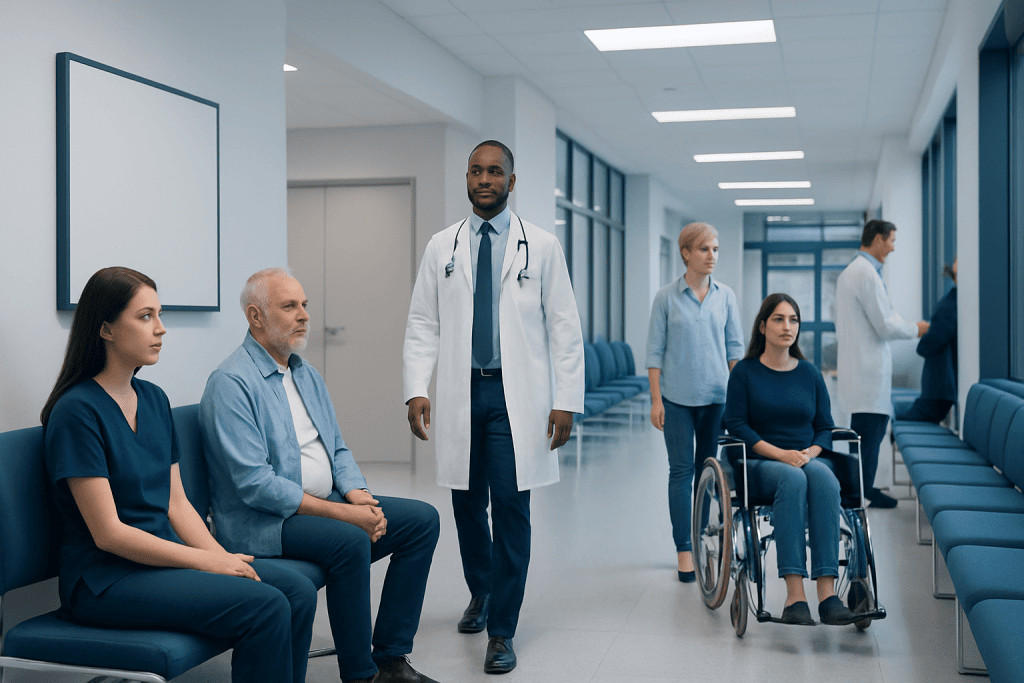
CIDP and GBS both affect peripheral nerves, but GBS usually develops quickly while CIDP progresses over a longer period or relapses. Neuromuscular diseases is a broad term that includes nerve, nerve-root, neuromuscular junction, and muscle disorders.
Key Takeaways
- CIDP and GBS both affect peripheral nerves, but GBS usually develops quickly while CIDP progresses over a longer period or relapses.
- Neuromuscular diseases is a broad term that includes nerve, nerve-root, neuromuscular junction, and muscle disorders.
- Symptoms such as weakness, tingling, balance problems, and fatigue should be evaluated promptly, especially if they worsen rapidly.
- Diagnosis often includes a neurological exam, nerve conduction studies, blood tests, imaging, and sometimes spinal fluid analysis.
- Treatment depends on the cause and may include immunotherapy, rehabilitation, symptom control, and ongoing monitoring.
- Early specialist assessment can help prevent complications and support recovery or long-term disease management.
CIDP, GBS, and other neuromuscular diseases can cause weakness, numbness, and changes in movement, but they do not all behave the same way. Understanding how symptoms start, progress, and are diagnosed can help patients seek timely care and better understand treatment options.
Overview: what these conditions are and why they differ
Neuromuscular diseases are conditions that affect the nerves controlling muscles, the connection between nerves and muscles, or the muscles themselves. Because movement depends on all of these parts working together, problems in any one of them can lead to weakness, numbness, cramping, fatigue, or difficulty with coordination. This broad group includes immune-mediated neuropathies such as chronic inflammatory demyelinating polyneuropathy (CIDP) and Guillain-Barré syndrome (GBS), as well as inherited neuropathies, motor neuron disorders, myasthenia gravis, and muscle diseases.
CIDP and GBS are often discussed together because both can affect the peripheral nerves and may cause weakness in the arms and legs. However, the pattern matters. GBS typically develops over days to a few weeks and is considered an acute condition, while CIDP usually progresses for at least eight weeks or follows a relapsing course. This difference in timing is one of the most important clues doctors use when evaluating symptoms.
Other neuromuscular diseases differ in where the main problem lies. In peripheral neuropathies, the nerve itself is injured or inflamed. In myasthenia gravis, the communication point between the nerve and muscle is affected. In myopathies, the muscle tissue is the main site of disease. Although symptoms can overlap, careful history-taking and testing often help identify the underlying cause and guide treatment.
Symptoms patients should recognize
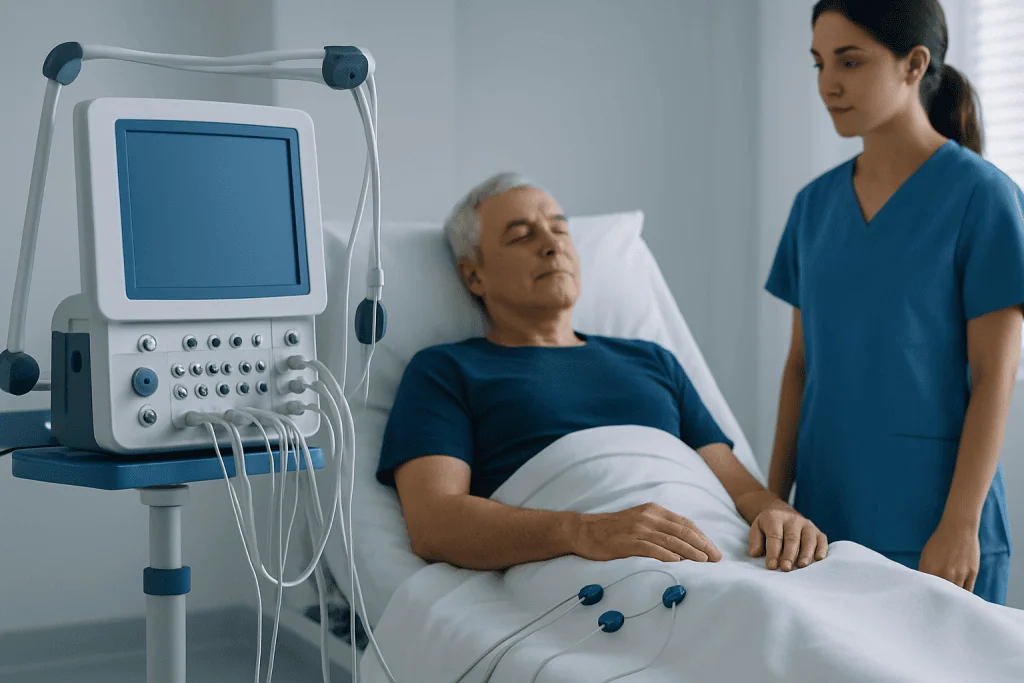
The most common symptoms across many neuromuscular diseases are weakness, tingling or numbness, imbalance, and reduced stamina. Some people notice trouble climbing stairs, rising from a chair, lifting objects, or walking steadily. Others may feel burning pain, loss of reflexes, muscle cramps, or a heavy sensation in the legs. The exact symptom pattern can offer important hints about the diagnosis.
GBS often begins with tingling and weakness in the feet or legs that moves upward over a short period of time. Reflexes are usually reduced or absent, and some patients develop facial weakness, swallowing problems, or breathing difficulty. Because GBS can worsen quickly, sudden progression over hours to days needs urgent medical attention.
CIDP may look similar at first, but it usually develops more slowly or comes and goes in episodes. Weakness may affect both the proximal muscles, such as the hips and shoulders, and the distal muscles in the hands and feet. Sensory symptoms are common, and walking may become progressively more difficult if inflammation damages the myelin around the nerves over time.
Other neuromuscular disorders have their own patterns. Myasthenia gravis may cause fluctuating eyelid drooping, double vision, or weakness that worsens with activity. Myopathies may cause trouble standing up, climbing, or lifting the arms, often without much numbness. Some inherited neuropathies progress gradually over many years. For many patients, the pace of change is just as informative as the symptom itself.
CIDP vs GBS: the key differences patients should know

The main difference between CIDP and GBS is the timeline. GBS is usually acute, often reaching its worst point within four weeks. It may follow an infection and is thought to result from an abnormal immune response that attacks peripheral nerves. CIDP is a chronic or relapsing immune-mediated neuropathy that continues for at least eight weeks or returns after periods of improvement.
Doctors also look at how the illness behaves over time. In GBS, symptoms often worsen quickly and then stabilize before gradual recovery begins. In CIDP, weakness and sensory loss may continue to worsen slowly, or they may improve and then return. This pattern is important because the long-term treatment strategy can be different for each condition.
Both conditions can involve demyelination, meaning damage to the protective covering of nerves. Even so, they are not interchangeable diagnoses. Some patients with early CIDP may initially seem to have GBS because symptoms started recently, which is why follow-up is essential when weakness does not improve as expected or keeps recurring.
In broader comparison, CIDP and GBS are only two members of a larger neuromuscular group. Disorders such as myasthenia gravis and inherited neuropathies can also cause weakness, but they arise from different mechanisms and often require different tests and treatments. A precise diagnosis helps avoid unnecessary delays and supports a more personalized care plan.
Causes and risk factors
Many neuromuscular diseases are caused by immune system dysfunction, genetic changes, metabolic problems, infections, toxins, or medication effects. In CIDP and GBS, the immune system mistakenly attacks parts of the peripheral nerves. In other conditions, such as diabetic neuropathy, long-term metabolic injury is more important. Some muscle disorders are inherited, while others are inflammatory or drug-related.
GBS often occurs after a recent respiratory or gastrointestinal infection, although not every patient has a clear trigger. CIDP may develop without a single obvious cause, but it can sometimes be associated with other immune conditions. Risk factors vary by disease, and having symptoms does not necessarily mean a person has a serious or progressive neurological disorder.
Doctors also consider other common and treatable causes of weakness or numbness. Vitamin deficiencies, thyroid disorders, kidney disease, alcohol misuse, autoimmune disease, and certain medications can all affect nerves or muscles. This is one reason why evaluation usually includes blood tests and a review of the patient’s medical history.
Some conditions run in families, especially inherited neuropathies and muscle diseases. A family history of walking difficulty, foot deformities, muscle weakness, or unexplained neurological symptoms can be useful information to share during an appointment. Even when a condition is genetic, supportive treatment and rehabilitation may still improve function and quality of life.
How diagnosis is made
Diagnosis starts with a detailed neurological assessment. The doctor usually asks when symptoms began, how quickly they progressed, whether they fluctuate, and whether there was a recent infection or family history of nerve or muscle disease. The physical examination checks strength, sensation, reflexes, balance, eye movements, coordination, and breathing status when needed.
Nerve conduction studies and electromyography are often central to the evaluation. These tests help show whether the problem is mainly in the nerve, the neuromuscular junction, or the muscle. In CIDP and GBS, nerve conduction studies may show features of demyelination. Blood tests may look for inflammation, vitamin deficiency, autoimmune markers, thyroid disease, diabetes, or muscle enzyme abnormalities.
In selected cases, doctors may recommend spinal fluid analysis, MRI, genetic testing, antibody testing, or muscle or nerve biopsy. Imaging can also help rule out other causes of weakness, such as spinal cord or nerve-root compression. If symptoms suggest a muscle disorder rather than a neuropathy, further evaluation for muscle diseases may be appropriate.
Because the diagnosis can evolve over time, follow-up is often important. A patient who appears to have GBS early on may later show a course more consistent with CIDP if symptoms continue beyond the expected timeframe or relapse after initial improvement. Ongoing reassessment helps make sure treatment still matches the diagnosis.
Treatment options and long-term management
Treatment depends on the specific diagnosis, symptom severity, and how quickly the condition is progressing. In immune-mediated neuropathies such as GBS and CIDP, treatment may aim to reduce abnormal immune activity and support nerve recovery. Supportive care can include pain management, prevention of complications, nutritional support, physical therapy, and close monitoring of breathing or swallowing if those functions are affected.
For GBS, treatment is often provided in a hospital setting because symptoms can worsen rapidly in some patients. Care may include immunotherapy such as plasmapheresis or intravenous therapies, along with rehabilitation during recovery. For CIDP, long-term management may involve repeated immunotherapy, corticosteroids in selected cases, and structured follow-up to monitor strength, mobility, and relapse patterns.
Other neuromuscular diseases are treated differently. Patients with peripheral neuropathy related to diabetes or toxins may benefit most from addressing the underlying cause and relieving symptoms. Disorders affecting the muscles or neuromuscular junction may require different medications, respiratory support, or specialist-directed therapies. Rehabilitation, occupational therapy, and mobility aids can be valuable across many diagnoses.
Care often works best when multiple specialists are involved, including neurologists, physiatrists, physical therapists, respiratory therapists, and nutrition professionals. Near the end of the care pathway, some international patients may seek evaluation at centers such as Acibadem International, where multidisciplinary specialists in JCI-accredited hospitals diagnose and treat complex neuromuscular conditions, including advanced neurological rehabilitation when needed.
Prevention, self-care, and living with a neuromuscular disease
Not all neuromuscular diseases can be prevented, especially those related to genetics or autoimmune mechanisms. Still, patients can support overall nerve and muscle health by managing chronic conditions, staying physically active within their limits, eating a balanced diet, avoiding excessive alcohol, and discussing medication side effects with a doctor. Good sleep, hydration, and pacing activities can also help reduce fatigue.
Self-care is most effective when it is tailored to the diagnosis. People with sensory loss may need to protect their feet and check the skin regularly. Those with muscle weakness may benefit from fall-prevention measures such as supportive footwear, handrails, and guided exercise from a rehabilitation team. Overexertion is not helpful for everyone, so exercise plans should be individualized.
Emotional well-being matters too. Living with uncertainty, weakness, or reduced independence can affect mood and confidence. Support from family, counseling, patient groups, and rehabilitation specialists can make daily life easier and help patients stay engaged with treatment goals.
Follow-up should not be neglected even when symptoms improve. Recovery after GBS may take time, and CIDP can relapse if disease activity returns. Regular review helps track progress, adjust treatment, and address new issues such as pain, stiffness, fatigue, or changes in mobility before they become more disruptive.
When to see a doctor
Any new unexplained weakness, persistent numbness, or trouble with walking should be evaluated by a qualified doctor, especially if symptoms are getting worse. Timely assessment is particularly important when weakness affects both sides of the body, reflexes seem reduced, or there are problems with grip strength, balance, or climbing stairs.
Urgent care is needed if symptoms progress rapidly over hours or days, or if there is shortness of breath, difficulty swallowing, trouble speaking clearly, severe unsteadiness, or facial weakness. These symptoms can occur in GBS and other neurological emergencies and should not be monitored at home without medical advice.
Patients already diagnosed with a neuromuscular condition should contact their doctor if they notice relapse, new sensory symptoms, increased falls, medication side effects, or reduced ability to perform daily tasks. Early review may allow treatment to be adjusted before symptoms become more limiting.
Because several conditions can look similar at first, self-diagnosis can be misleading. A neurological evaluation helps distinguish between CIDP, GBS, and other neuromuscular disorders so that treatment is based on the actual cause rather than symptoms alone.
Frequently asked questions
What is the difference between CIDP and GBS?
The biggest difference is how quickly symptoms develop and how long they last. GBS usually comes on quickly over days to a few weeks, while CIDP progresses over a longer period or relapses after partial improvement. Both can cause weakness and sensory symptoms, but the timeline helps doctors tell them apart.
Can CIDP start like GBS?
Yes, early CIDP can sometimes resemble GBS because both may begin with weakness and tingling. The distinction may become clearer over time if symptoms continue beyond several weeks or return after initial improvement. This is why follow-up with a neurologist is important.
Are neuromuscular diseases always permanent?
No, the outlook depends on the specific condition. Some, like GBS, may improve significantly with time and supportive treatment, although recovery can take months. Others, like CIDP, may need long-term management to control relapses and maintain function.
What tests are commonly used to diagnose neuromuscular diseases?
Doctors often use a neurological exam, nerve conduction studies, electromyography, and blood tests. Depending on the symptoms, they may also recommend spinal fluid analysis, MRI, antibody testing, genetic testing, or biopsy. The choice of tests depends on whether the problem seems to involve nerves, muscles, or the neuromuscular junction.
When is weakness considered an emergency?
Weakness should be treated urgently if it is worsening rapidly or is accompanied by shortness of breath, difficulty swallowing, facial weakness, or trouble speaking. These features can signal a condition that needs immediate monitoring and treatment. Patients should seek emergency medical care rather than waiting for symptoms to pass.
Can exercise help in neuromuscular diseases?
In many cases, guided exercise and rehabilitation can help maintain strength, flexibility, balance, and endurance. However, the right plan depends on the diagnosis and the stage of disease, because overexertion may not be appropriate for everyone. A doctor or rehabilitation specialist can help design a safe program.
References
- National Institute of Neurological Disorders and Stroke
- Centers for Disease Control and Prevention
- National Institute of Arthritis and Musculoskeletal and Skin Diseases
- Muscular Dystrophy Association
- Guillain-Barré Syndrome Foundation International
This article is for general information only and is not a substitute for professional medical advice. Please consult a qualified doctor about your individual situation.
Neuromuscular Diseases in Turkey — costs, top hospitals & a free quote
JCI-accredited · board-certified surgeons · reply within 24h
Add us as a Preferred Source to see more of our trusted health content across Google Search, AI Overviews and Discover.

Physical Medicine & Rehabilitation
Restoring movement and function after injury, surgery or neurological conditions.
152 specialists in this unitMore from the Health Library



Related Specialists
Nazlıhan Bozdağ
Physical Medicine & Rehabilitation
Fzt. Necla Aleyna Yiğit
Physical Medicine & Rehabilitation
Fzt. Nergis Demiröz
Physical Medicine & Rehabilitation
Prof. Dr. Bülent Kısacıkoğlu
Cardiovascular Surgery