Circumvallate Placenta: An Evidence-Based Guide for Patients

Circumvallate placenta is a structural variation of the placenta, not something caused by a pregnant person’s actions. Some people have no symptoms, while others may have vaginal bleeding, abdominal pain, or signs of preterm labor.
Key Takeaways
- Circumvallate placenta is a structural variation of the placenta, not something caused by a pregnant person’s actions.
- Some people have no symptoms, while others may have vaginal bleeding, abdominal pain, or signs of preterm labor.
- Diagnosis may be suspected on ultrasound, but it is not always confirmed until after delivery when the placenta is examined.
- Management focuses on monitoring the pregnancy closely rather than treating the placental shape itself.
- Many pregnancies with circumvallate placenta have good outcomes, especially with regular prenatal care.
- Urgent medical evaluation is important for bleeding, reduced fetal movement, leaking fluid, or contractions.
Circumvallate placenta is a variation in placental shape where the membranes fold back over the edge of the placenta. It can be linked with bleeding, growth concerns, or preterm birth in some pregnancies, but careful prenatal follow-up helps guide safe care.
Overview: what circumvallate placenta means
Circumvallate placenta is a placental shape variation in which the fetal membranes, called the chorion and amnion, fold backward over the edge of the placenta. This creates a raised, ring-like border and makes the placental surface appear smaller on the side facing the baby than the area attached to the uterus. In simple terms, the placenta develops with an edge that is rolled up rather than lying flat.
The condition is considered uncommon. It matters because this altered structure may be associated with some pregnancy complications, including vaginal bleeding, placental separation, preterm birth, or reduced fetal growth. At the same time, not every pregnancy with circumvallate placenta develops problems, and some are discovered only after birth when the placenta is examined.
The placenta is an organ that supports the baby during pregnancy by supplying oxygen and nutrients and removing waste. When the placenta has an unusual shape, doctors pay closer attention to how well the pregnancy is progressing. This does not automatically mean a severe outcome; it means the pregnancy may need more careful monitoring.
Circumvallate placenta is different from other placental conditions. For example, it is not the same as placenta previa, where the placenta lies low and may cover the cervix, and it is also different from placental abruption, where the placenta detaches too early. Understanding these differences helps patients know why the follow-up plan may vary from one placental finding to another.
Symptoms and possible effects during pregnancy
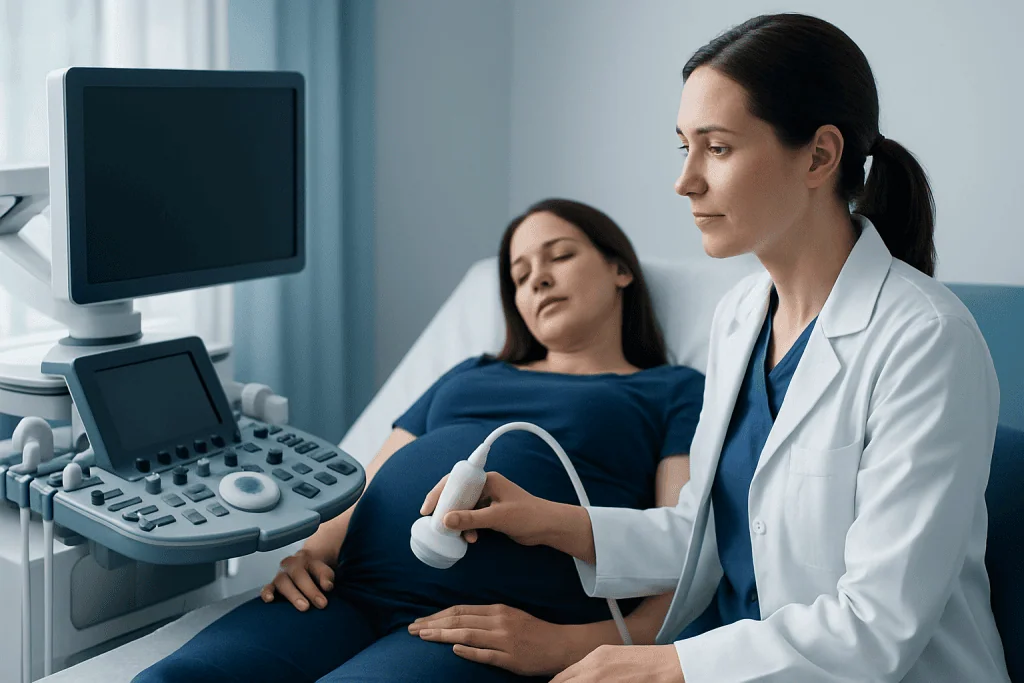
Some people with circumvallate placenta have no noticeable symptoms. The condition may first be suspected during a routine ultrasound or only recognized after delivery. When symptoms do occur, they can overlap with symptoms seen in other pregnancy-related conditions, which is why medical assessment is important.
Possible symptoms or signs may include vaginal bleeding, especially in the second or third trimester, abdominal discomfort, uterine irritability, leaking of fluid, or contractions before term. In some cases, doctors may become concerned about the baby’s growth if ultrasound suggests the fetus is smaller than expected or if amniotic fluid levels appear low.
Potential effects associated with circumvallate placenta can include:
- Repeated vaginal spotting or bleeding
- Preterm labor or preterm birth
- Placental abruption
- Oligohydramnios, meaning lower-than-expected amniotic fluid
- Fetal growth restriction
- Less commonly, pregnancy loss
These possibilities can sound worrying, but they are not guarantees. Risk varies from person to person and depends on the overall pregnancy picture, including the mother’s health, fetal growth, the presence of bleeding, and any other placental or uterine findings.
Why it happens and who may be at risk

The exact cause of circumvallate placenta is not fully understood. It is thought to arise early in placental development when the membranes insert inward from the placental edge rather than reaching the full margin. This is a developmental variation, not something caused by exercise, work, travel, or a particular food or activity.
There are no widely accepted, specific risk factors that reliably predict who will develop circumvallate placenta. In many cases, it appears sporadically. It may be found alongside other pregnancy complications, but that does not necessarily mean one directly caused the other.
Because symptoms such as bleeding or preterm contractions can happen in several placental conditions, doctors may also evaluate for related concerns like placental abruption or low-lying placenta. The overall goal is to understand whether the placenta is functioning well and whether the baby is growing and moving as expected.
It can help patients to know what does not cause circumvallate placenta. Routine daily activities do not create this placental shape, and it is not a sign that someone has done something wrong during pregnancy. In most cases, the focus is on recognition and monitoring rather than trying to identify a preventable cause.
How circumvallate placenta is diagnosed
Diagnosis can be challenging. Ultrasound may suggest circumvallate placenta when the placental edge appears thickened, rolled, or uplifted, or when there are associated findings such as bleeding or fluid changes. However, ultrasound is not perfect for diagnosing this condition, and some suspected cases turn out to be something else.
In many pregnancies, the diagnosis is confirmed only after delivery, when the placenta can be visually examined. The placental edge may show the classic raised ring created by folded membranes. This is one reason patients may hear that the condition is “suspected” rather than definitively diagnosed during pregnancy.
If circumvallate placenta is suspected, the clinician may recommend follow-up imaging and closer prenatal visits. These may include repeat ultrasounds to assess fetal growth, amniotic fluid, placental appearance, and sometimes blood flow studies. Depending on symptoms, the baby’s well-being may also be checked with nonstress testing or biophysical profile later in pregnancy.
When symptoms such as bleeding are present, doctors may also use ultrasound and other assessments to rule out more urgent causes. A pelvic exam, laboratory tests, or fetal heart rate monitoring may be needed based on the clinical situation. The exact workup depends on gestational age and symptoms.
Treatment and monitoring options
There is no direct treatment that changes the shape of a circumvallate placenta. Instead, care is centered on monitoring the pregnancy and responding promptly if complications arise. The plan is individualized and depends on whether the patient has bleeding, contractions, low fluid, growth concerns, or other obstetric issues.
Monitoring may include more frequent prenatal visits, serial ultrasounds, fetal surveillance, and guidance on when to go to the hospital. If preterm labor develops, doctors may consider treatments appropriate to gestational age and the clinical situation. If bleeding is heavy, fetal growth is poor, or the baby shows signs of distress, delivery planning may need to be adjusted.
Supportive hospital-based care can involve pregnancy follow-up and delivery services for high-risk pregnancies. When preterm birth is a concern, a multidisciplinary team may coordinate obstetric, neonatal, and imaging care. In some situations, evaluation of the baby with detailed perinatology assessment can help guide the safest next steps.
The mode and timing of delivery depend on the overall pregnancy rather than the placental shape alone. Many people can still have a vaginal birth if there are no obstetric reasons for cesarean delivery. If other conditions arise, such as severe bleeding or fetal compromise, the obstetric team may recommend earlier or operative delivery.
Prevention, self-care, and living with the diagnosis
There is no proven way to prevent circumvallate placenta because it develops as the placenta forms. Self-care therefore focuses on protecting overall pregnancy health and recognizing changes early. Keeping all prenatal appointments is especially important because some complications are detected on monitoring before they cause obvious symptoms.
General pregnancy care measures remain helpful. These include avoiding smoking and alcohol, taking prenatal vitamins as advised, managing chronic conditions such as high blood pressure or diabetes, staying hydrated, and following the obstetrician’s advice about activity, travel, work, or intercourse if bleeding has occurred. Patients should not start bed rest on their own unless their doctor specifically recommends it.
It can also help to pay attention to fetal movement later in pregnancy, using the clinician’s guidance for what is normal at that stage. Patients should contact their care team if they notice reduced movement, repeated contractions, vaginal bleeding, or fluid leakage. Clear communication with the pregnancy team is one of the most useful tools in managing uncertainty.
For people receiving international care, Acibadem International’s multidisciplinary specialists and JCI-accredited hospitals diagnose and manage complex pregnancies, including placental disorders, with coordinated maternal-fetal assessment when needed.
When to seek medical care
Anyone who has been told they may have circumvallate placenta should seek prompt medical advice for any new bleeding, cramping, leaking fluid, or concerns about fetal movement. These symptoms do not always mean an emergency, but they do need evaluation because they can signal preterm labor, membrane rupture, or placental complications.
Urgent assessment is especially important for heavy vaginal bleeding, regular contractions before 37 weeks, sudden abdominal pain, or a noticeable decrease in the baby’s movements. Patients should also contact their clinician if they feel unwell, develop severe swelling or headache, or have any symptom their pregnancy team has specifically asked them to report.
Even mild symptoms can matter in pregnancy, especially when a placental abnormality is suspected. It is safer to ask for advice early than to wait and see. A doctor or midwife can decide whether monitoring at home is reasonable or whether in-person evaluation is needed.
Regular prenatal care remains the best setting for ongoing discussion about prognosis, activity, birth planning, and warning signs. Patients with questions about scan findings should ask their obstetrician to explain what is known, what remains uncertain, and how follow-up will help guide decisions.
Frequently asked questions
Is circumvallate placenta dangerous?
Circumvallate placenta can be associated with pregnancy complications, but it is not automatically dangerous in every case. Many pregnancies do well with closer monitoring, and risk depends on symptoms, fetal growth, amniotic fluid, and whether bleeding or preterm labor occurs.
Can circumvallate placenta be seen on ultrasound?
Sometimes it can be suspected on ultrasound, especially if the placental edge looks rolled or thickened. However, ultrasound is not always definitive, and some cases are confirmed only after delivery when the placenta is examined directly.
Does circumvallate placenta mean bed rest is necessary?
Not always. Routine bed rest is not a universal treatment for circumvallate placenta, and many patients are managed with monitoring alone. Activity recommendations depend on symptoms such as bleeding or contractions and should come from a qualified obstetric clinician.
Can the baby be healthy with circumvallate placenta?
Yes. Many babies are born healthy even when circumvallate placenta is present. Doctors may recommend extra growth scans or fetal monitoring to make sure the baby continues to develop well.
Is circumvallate placenta the same as placenta previa?
No. Circumvallate placenta refers to the shape of the placental edge, while placenta previa means the placenta is positioned low in the uterus and may cover the cervix. They are different conditions with different implications for pregnancy and delivery.
Will circumvallate placenta affect the type of delivery?
Not by itself in every case. If the pregnancy remains stable and there are no other obstetric concerns, vaginal delivery may still be possible. Delivery plans change mainly if complications such as bleeding, fetal distress, or other placental problems arise.
This article is for general information only and is not a substitute for professional medical advice. Please consult a qualified doctor about your individual situation.
Explore treatments in Turkey — costs, top hospitals & a free quote
JCI-accredited · board-certified surgeons · reply within 24h
Add us as a Preferred Source to see more of our trusted health content across Google Search, AI Overviews and Discover.

More from the Health Library

Normal pulse rate of human: A Complete Medical Guide for Patients

Back Dimples: A Complete Medical Overview

Vaccination Schedule Adults — Explained by Medical Evidence, Not Myths

Timolol: What Patients Need to Know

Parasympathetic Nervous System: An Evidence-Based Guide for Patients